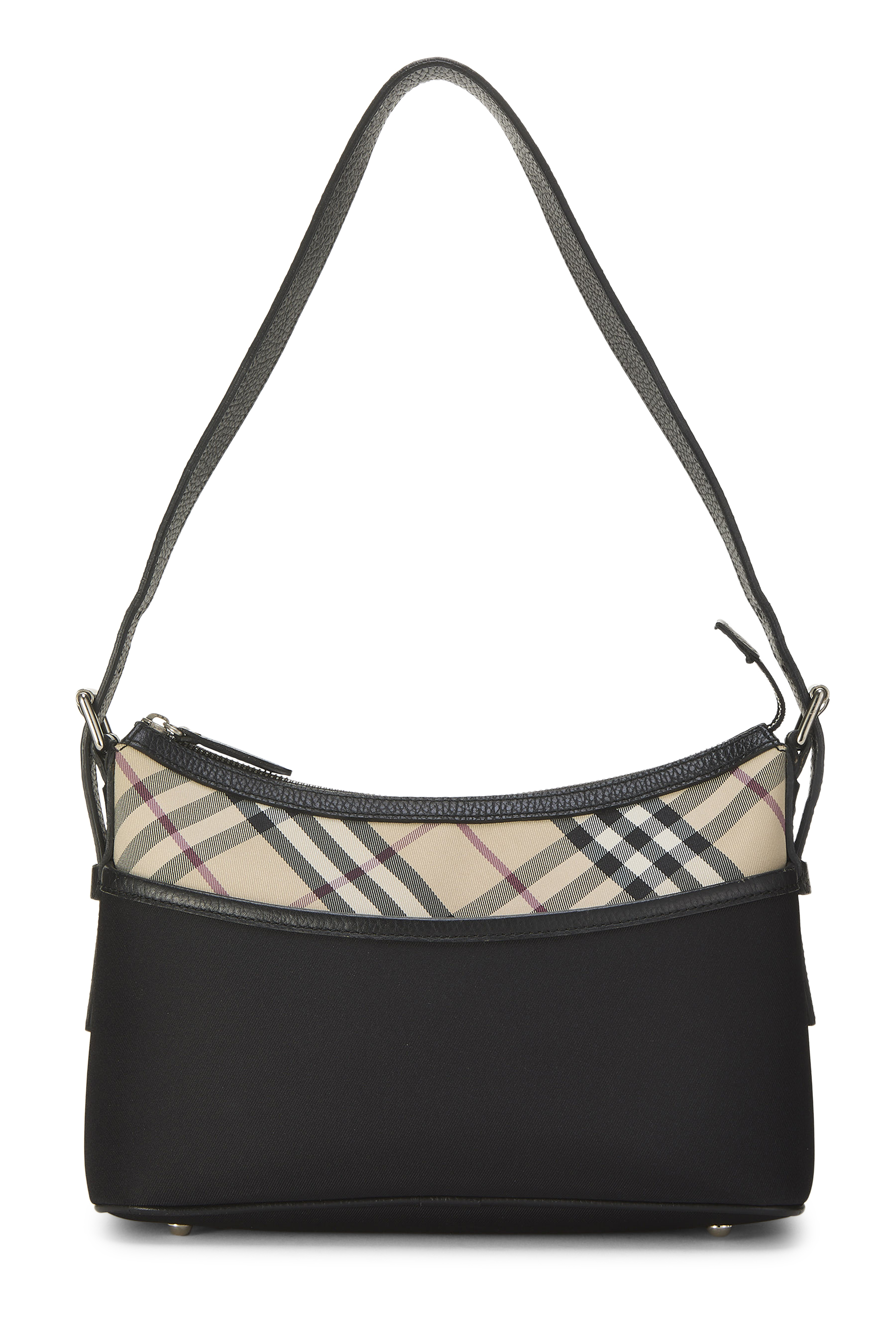
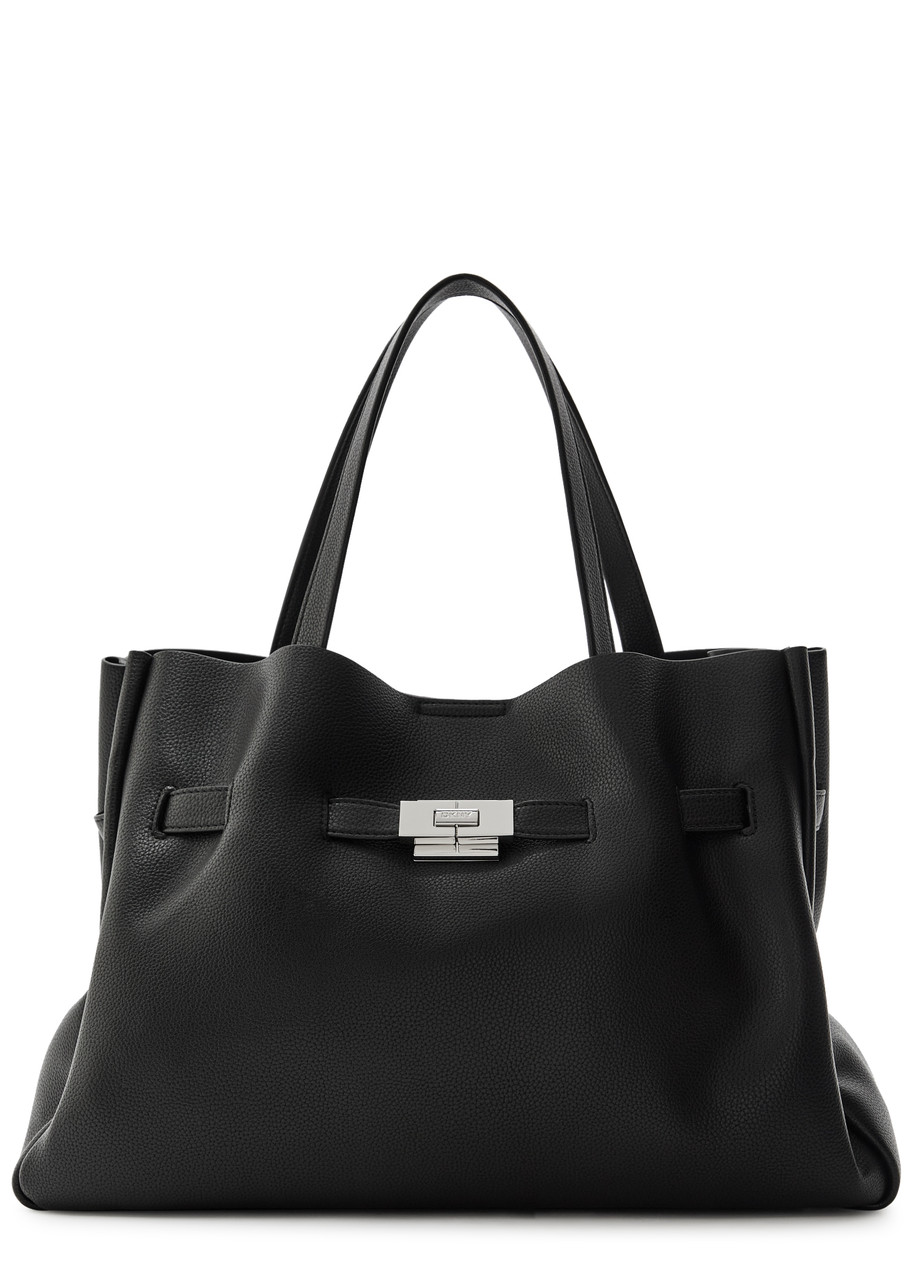
A good weekend satchel earns its place through structure, not size. Look for a body that holds its shape when half empty, a base that can take being set down on a train platform or a café floor, and a flap that closes with a proper buckle or lock rather than a token magnetic snap. Leather that has some substance to it, a full grain or a well finished split, will soften and mark with use in a way that looks better with time, while a stiff coated canvas or a bonded synthetic tends to crack at the corners after a handful of trips. The strap matters more than people expect. It needs to be wide enough not to dig in across a coat, and adjustable enough to move from cross body on a walk to shoulder length in a queue.
The best ones sit somewhere between a document case and a small holdall, deep enough for a change of top, a wash bag and a paperback, structured enough that none of it shifts and distorts the shape. Multiple compartments are worth more than one big cavity, since a phone, tickets and keys are what you reach for constantly and nobody wants to dig past a jumper to find them.
Styling one is straightforward if the bag itself is doing its job. Worn cross body over a coat or a knit, it reads as considered rather than overpacked, and it pairs naturally with flat boots, straight trousers and a scarf for train travel, or with linen and trainers if the trip is somewhere warmer.
It is a strong alternative to a tote for anyone who wants both hands free through a station or an airport, and it photographs well without trying to.
Where it suits best is exactly this kind of movement: a night away, a city break, a long weekend at a house that is not your own. It is not trying to be a carry on replacement, and it should not be asked to. Its real value is as the one bag that goes from the car to the hotel room to the restaurant table without a change of costume, which is precisely why it is worth choosing carefully rather than as an afterthought.