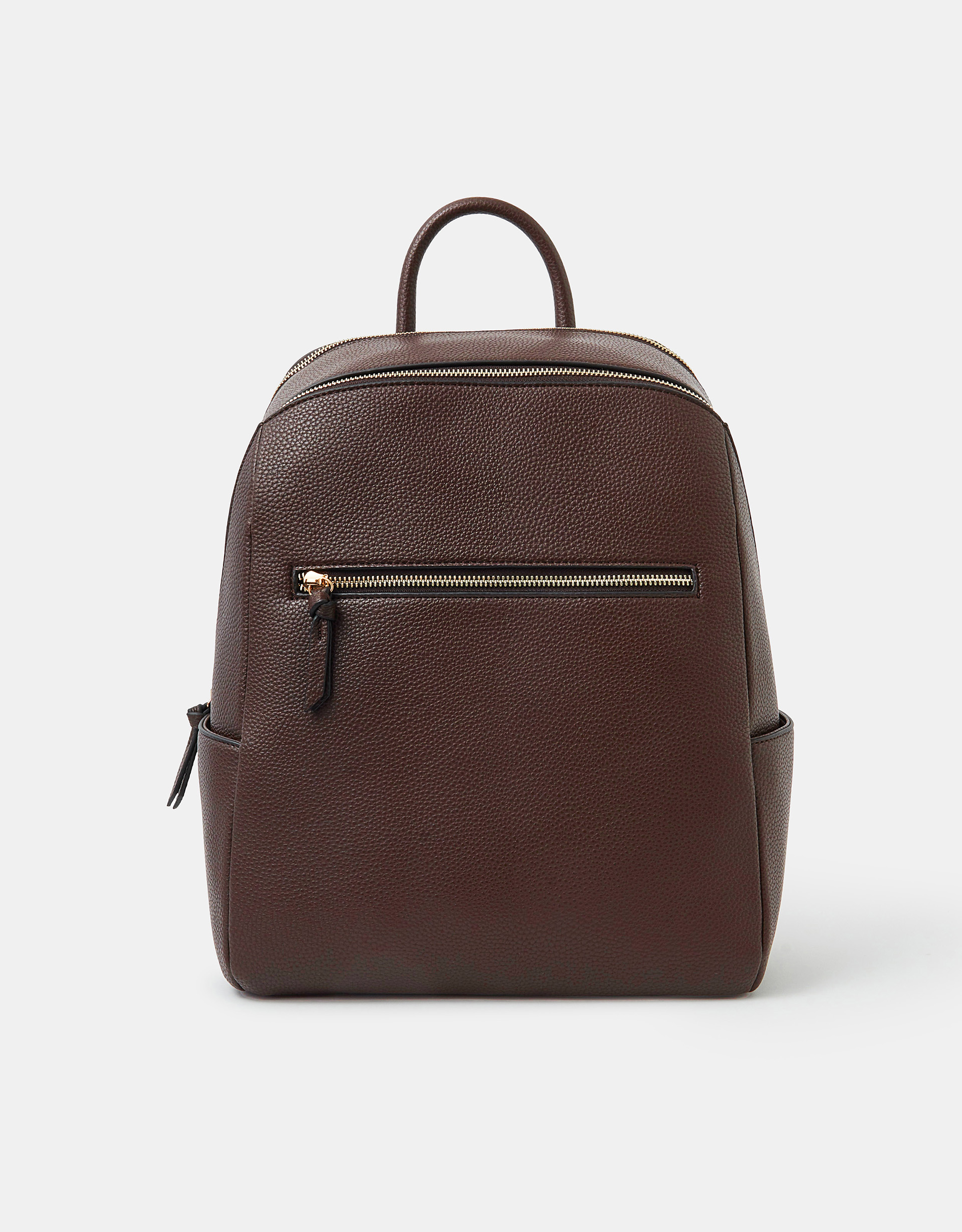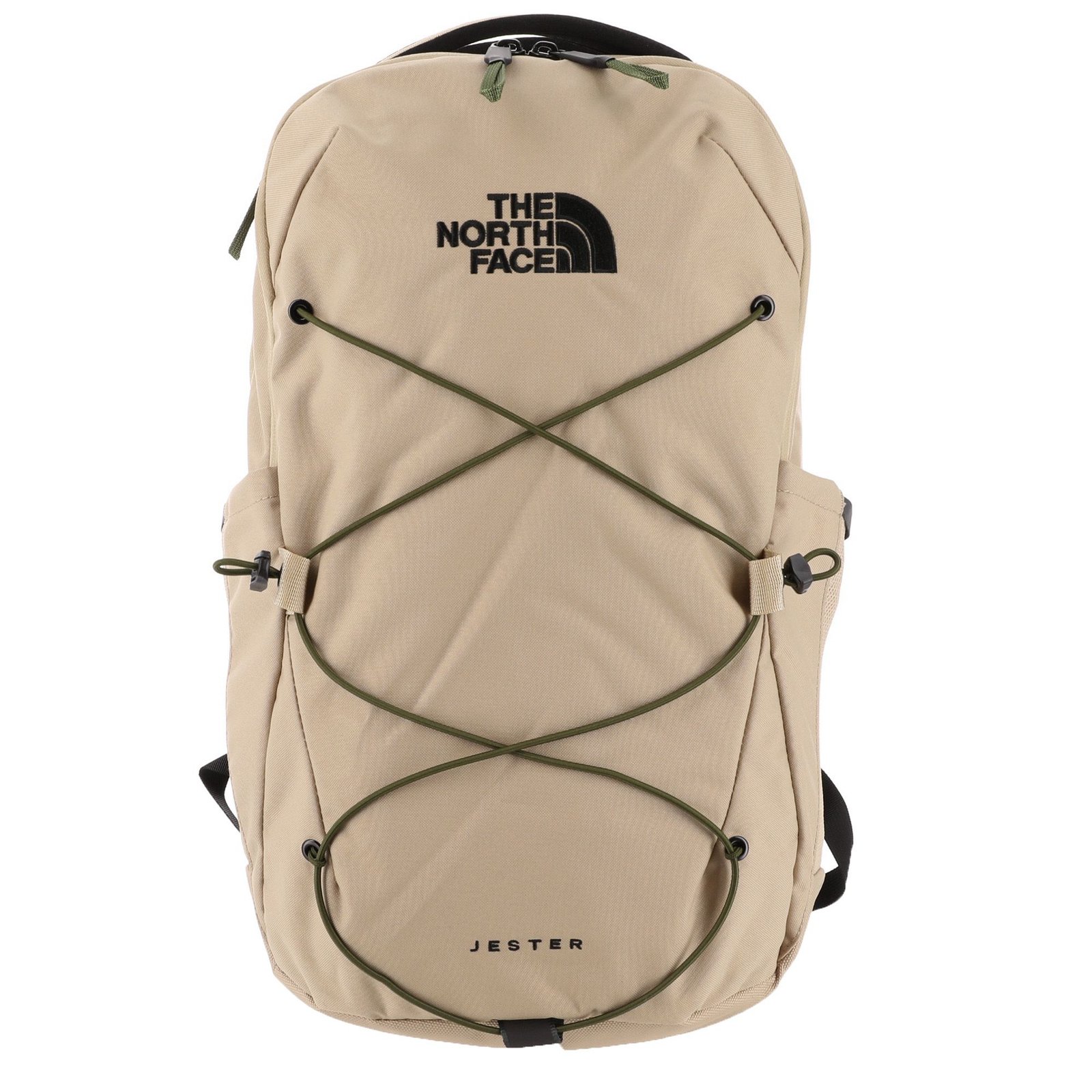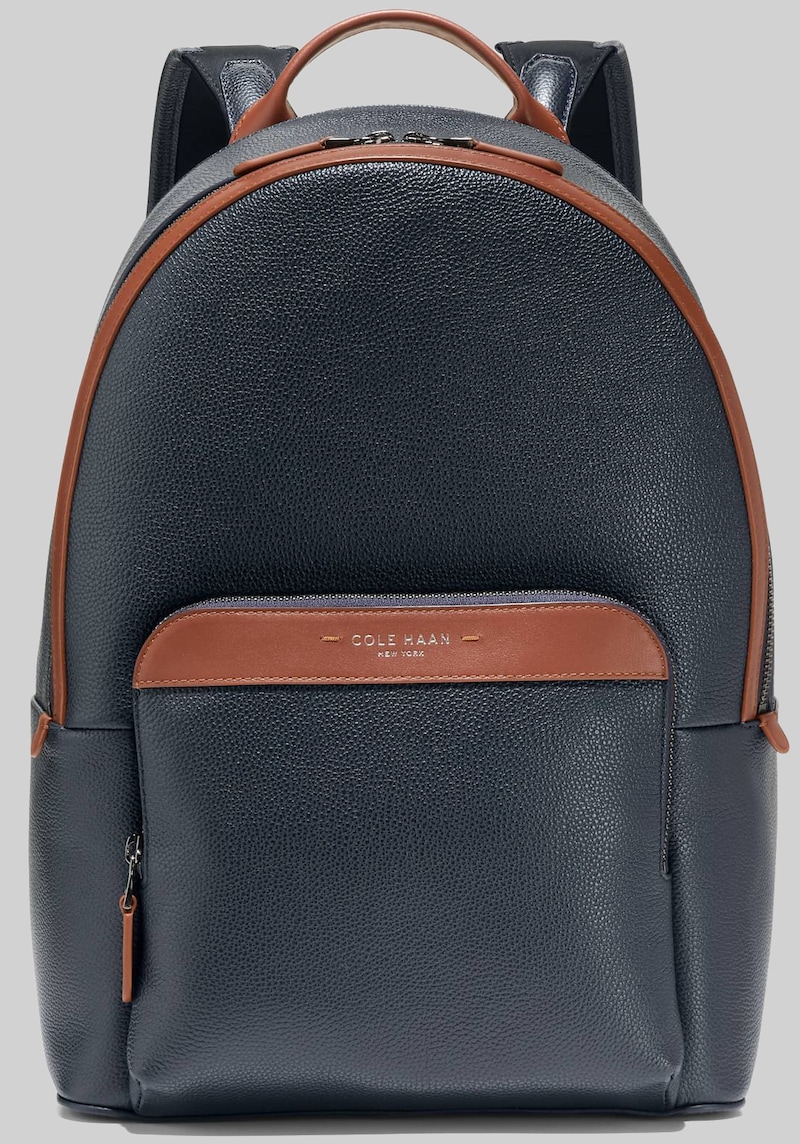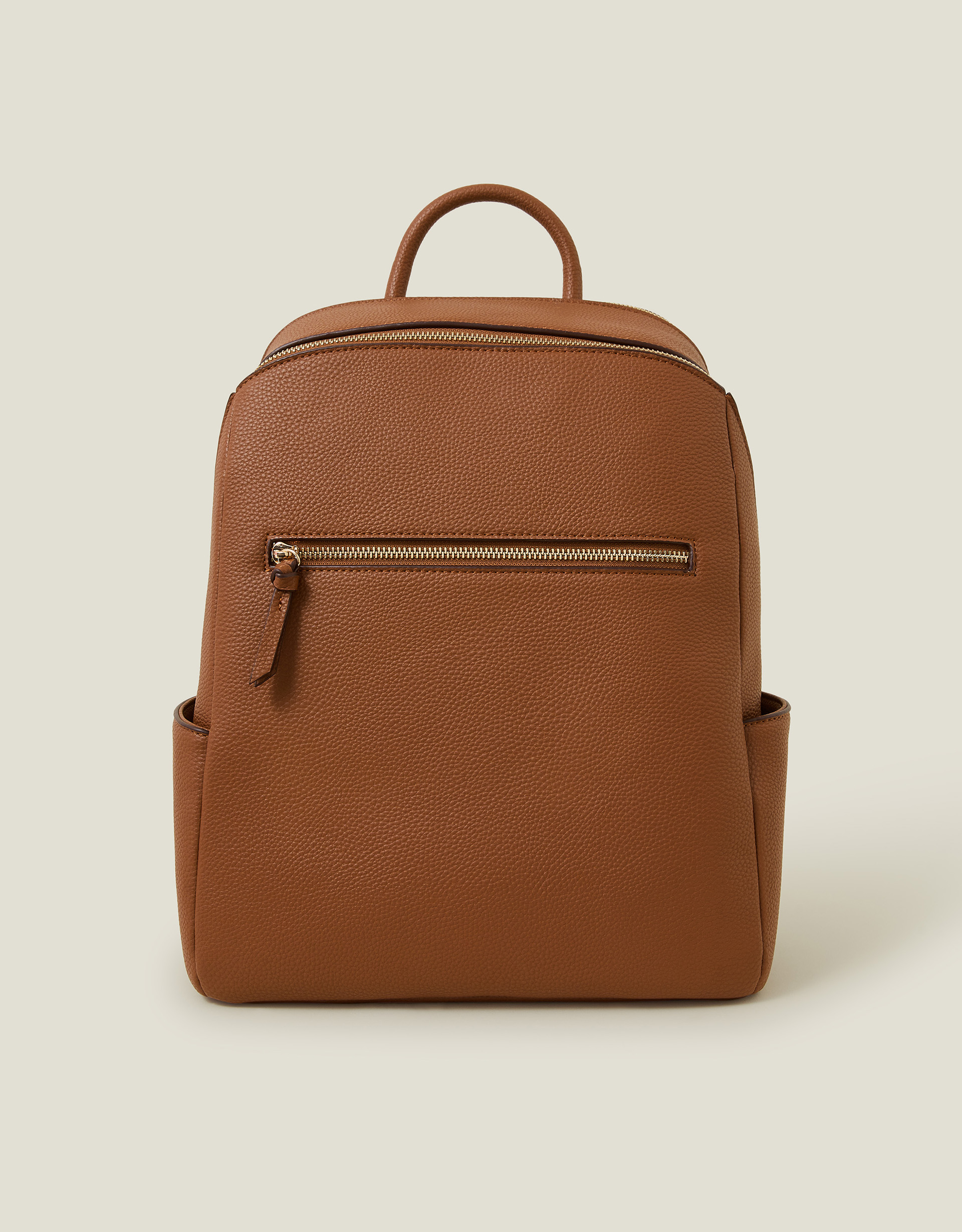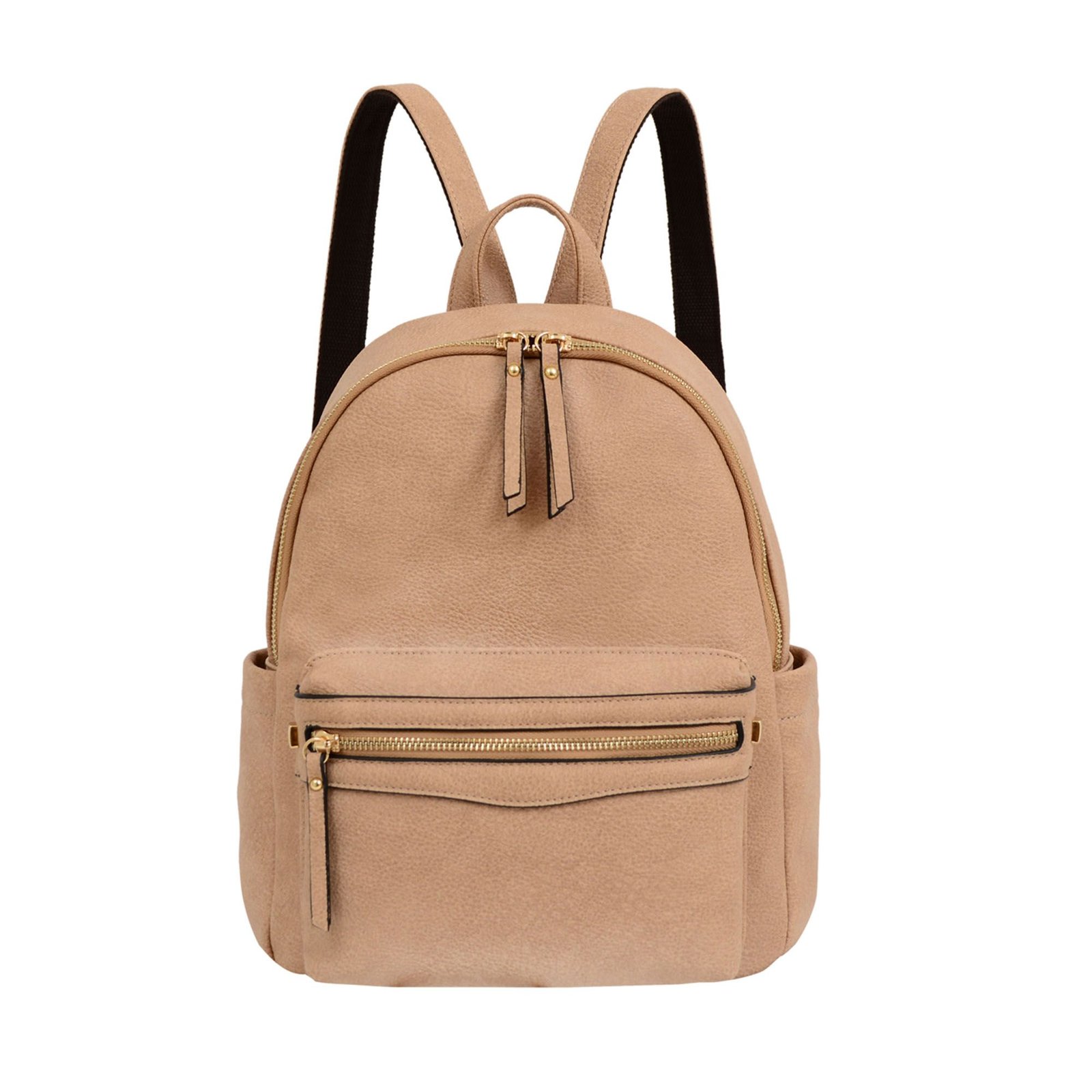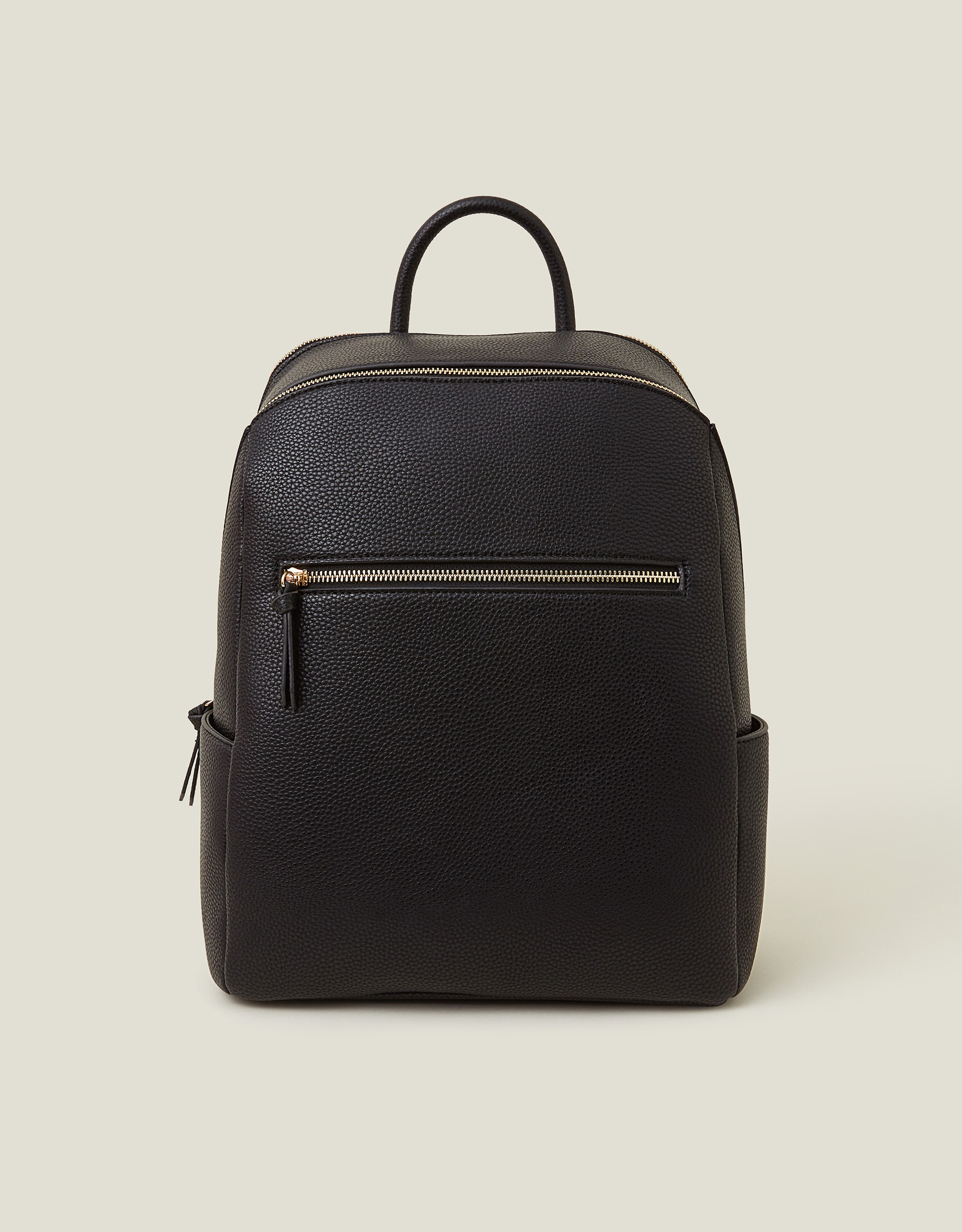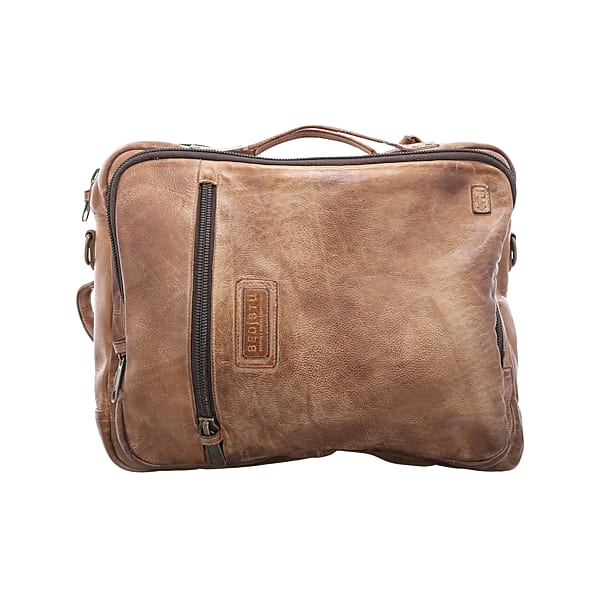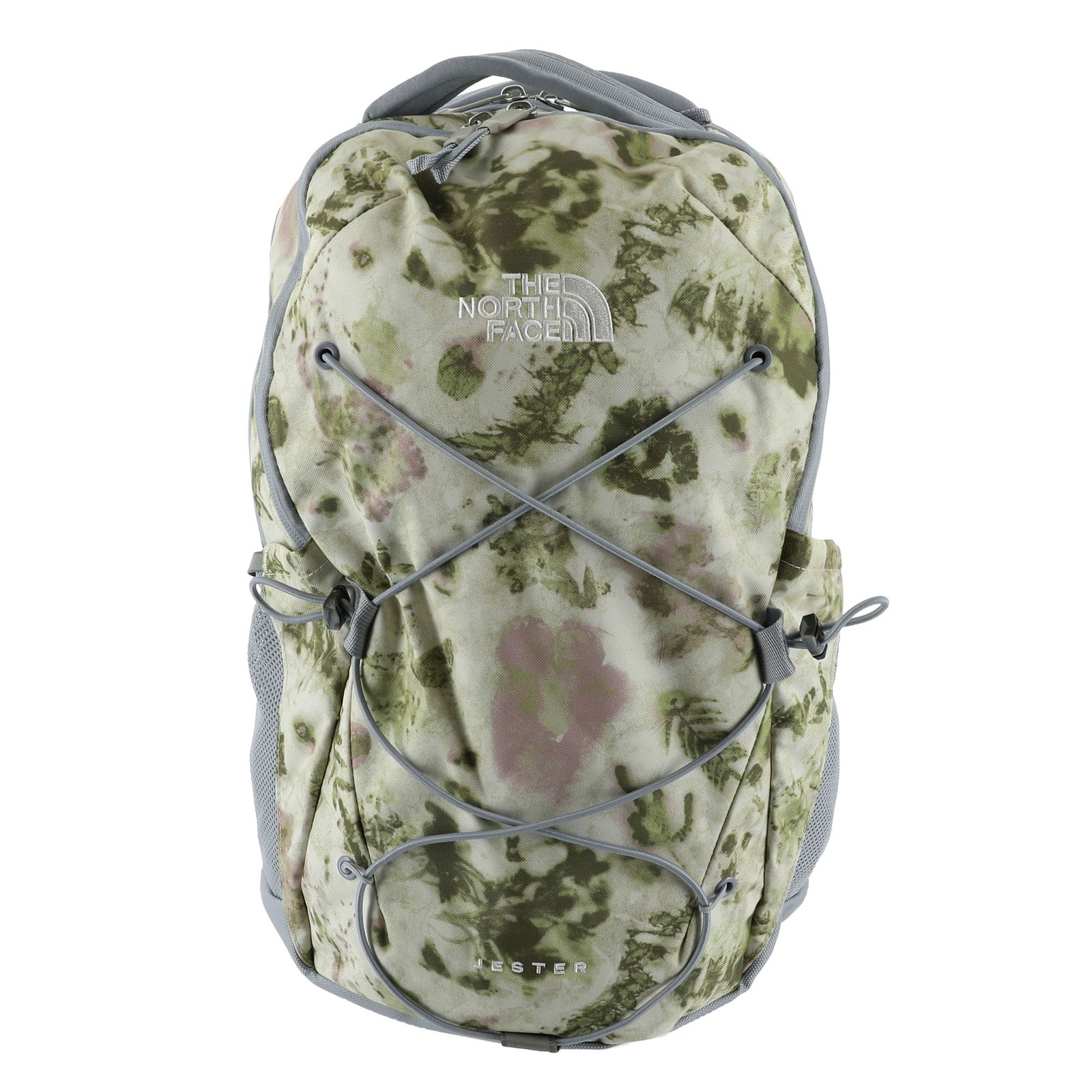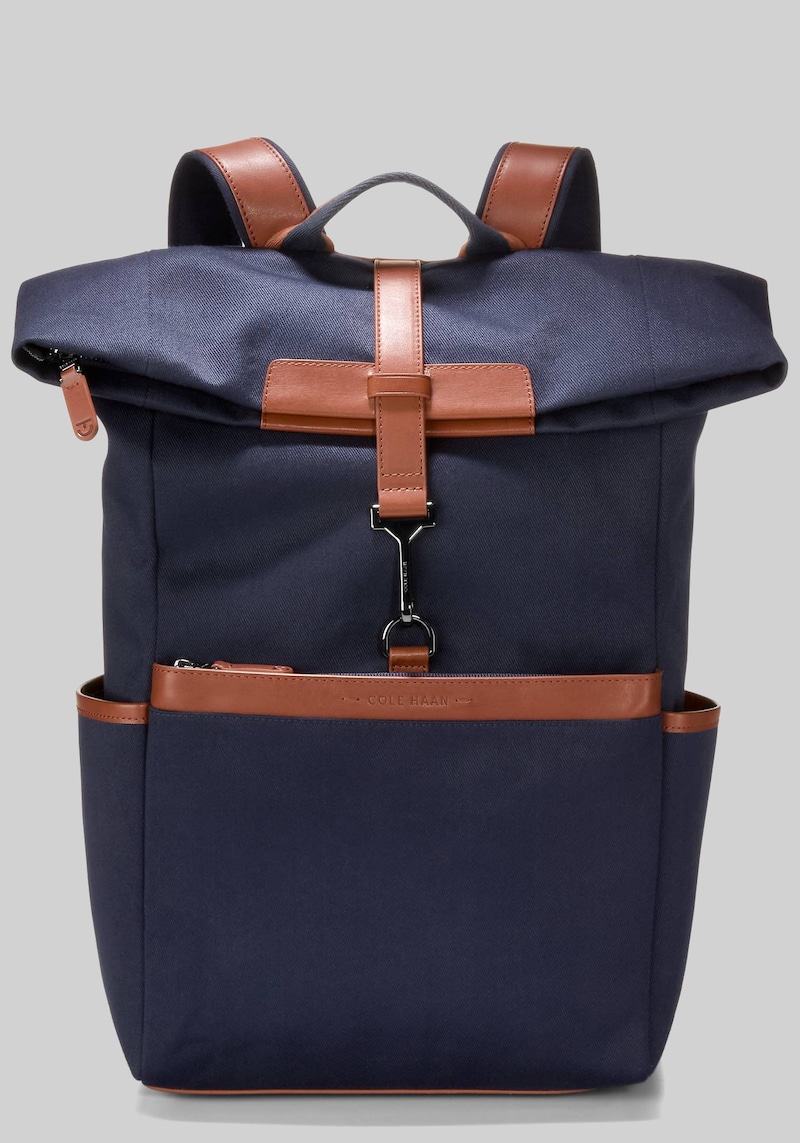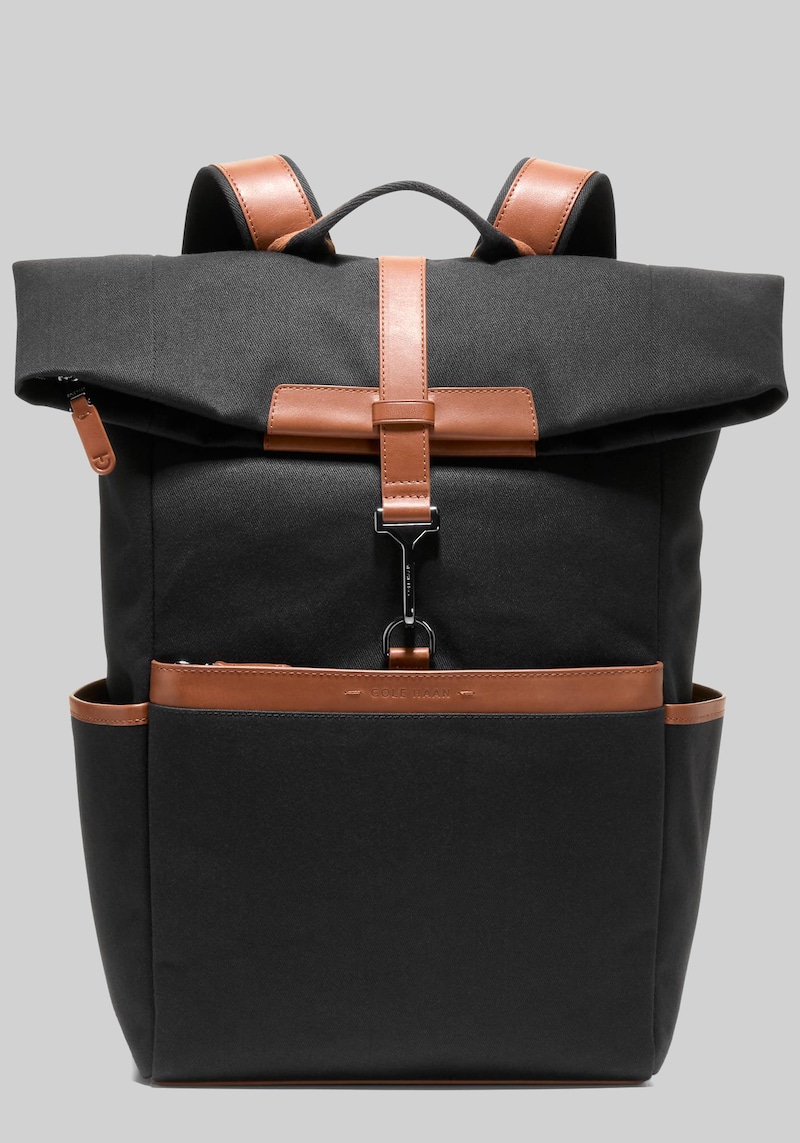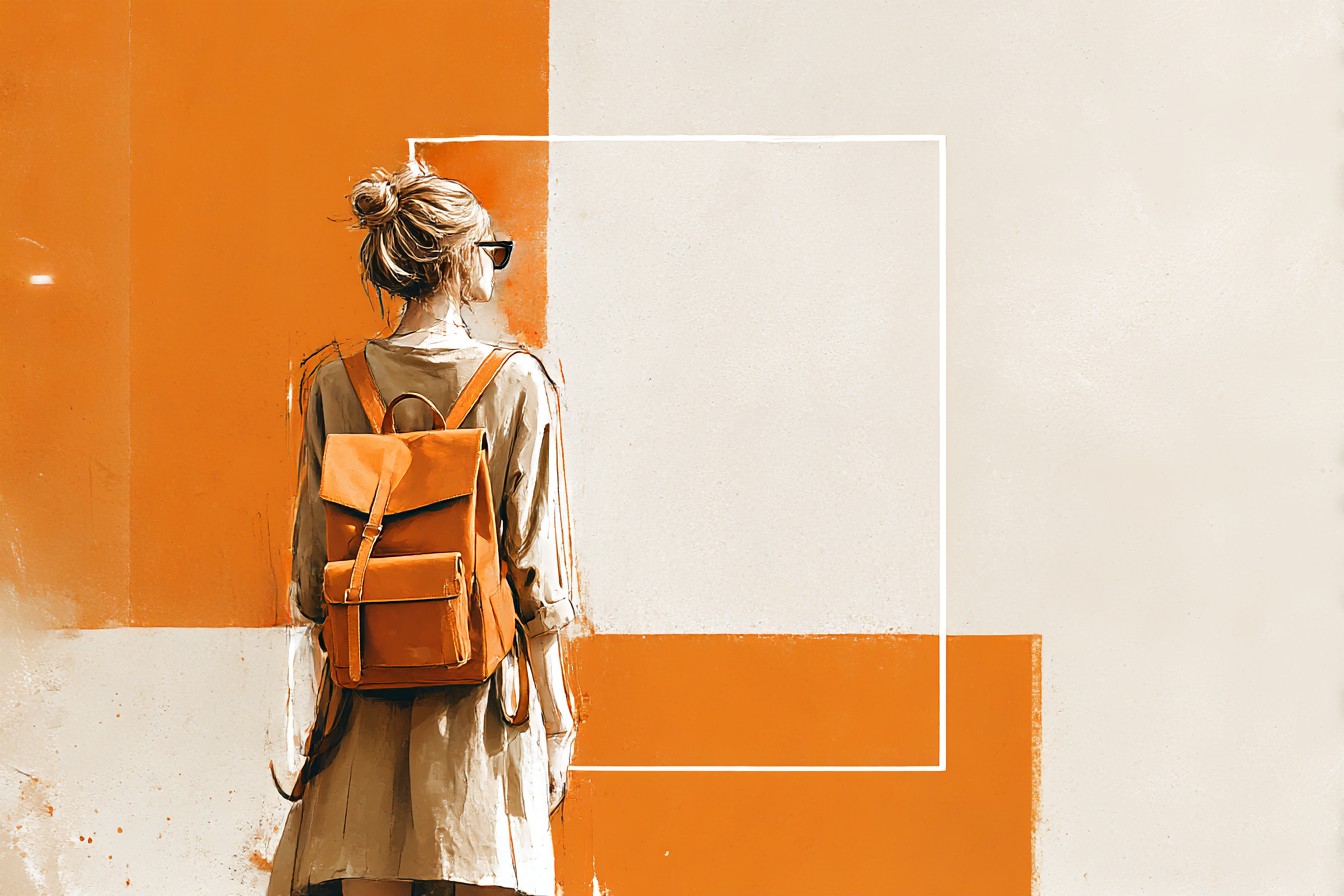
A tan backpack works because it refuses to behave like sportswear while still doing a sportswear job. The colour is the whole argument: light enough to read as considered, warm enough to sit against denim, tailoring and pale knits without fighting any of them, and forgiving in a way that black nylon simply isn’t when it comes to everyday scuffs. The ones that earn their place are built from a leather that has some structure to it, full grain or a substantial nubuck, not the thin, glossy hide that creases and dulls within a season. A bit of stiffness in the base matters more than people think, it stops the bag slumping sideways on your shoulder and keeps the shape when it’s half empty, which is most days.
Size is where a lot of tan backpacks go wrong. Anything oversized starts to look like it belongs on a school run or a hiking trail, while something too slim reads as decorative and useless the moment you try to fit a laptop in it.

The proportion that works sits close to the body, roughly the width of your torso, with straps set far enough apart that they don’t slide inward and pool at the neck. Look for adjustable straps with proper stitched anchor points rather than glued tabs, and a top that closes with a flap or a zip you can actually get your hand into without wrestling.
Styling one is less about matching and more about letting it do the work a bag rarely can.

It sits comfortably over tailoring, cutting the formality of a blazer without undermining it, and it’s just as at home over a slip dress and boots for the days that need to look easy rather than dressed up. With denim and a plain jumper it becomes the only accessory decision you have to make, which is exactly the point.
Occasion wise, this is the bag for the in between moments, the commute that becomes a coffee, the gallery visit that becomes lunch, the weekday that has no single dress code but needs to look intentional throughout. It photographs well against most palettes, ages better than black, and unlike a structured tote, it leaves both hands free, which counts for more than most style advice ever admits.