On Tuesday morning last week, I experienced what I’ve come to think of as a “fashion dissociative episode.” It was 7: 45am and I had a meeting with a key advertiser at 9am. I was already running late, but when I opened my closet door I froze. There were too many options.
Trends. Colours. Silhouettes.
They were all fighting for dominance over my torso and I just…couldn’t. A prairie dress hung next to low rise cargo trousers.
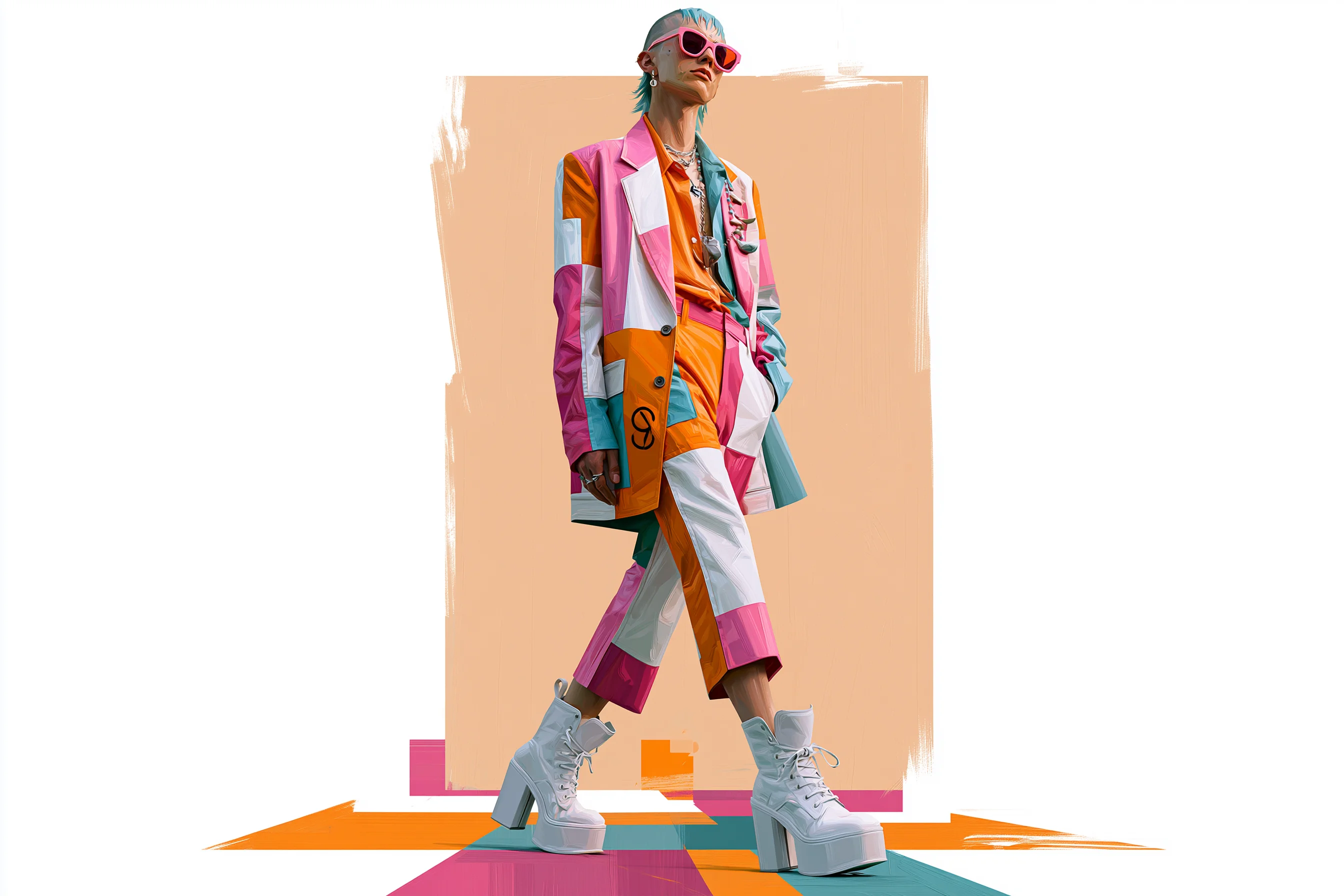
Puffy sleeves flanked a tailored blazer.
A babydoll t-shirt made of tulle stared down at me, jeering.
Balletcore Mary Janes lined up on my shoe rack next to dad trainers with a padding level that would make my orthopedist cringe. “What the actual hell is going on in fashion right now?? ?” I texted my friend Emma. She’d just started work at her own advertising agency and I knew she’d be up early as well, staring horrified into her own closet dilemna. “I don’t even KNOW what’s trendy anymore.” She immediately replied: “Wear whatever.
It’s all in and all out right now.” She’s not wrong. Since that Tuesday morning, I’ve spoken with stylists, designers, buyers, editors and fashion students who have all echoed the same thought: Right now, we’re living in a fashion season unlike any other. Gone is the easy shorthand of “this look is in, this look is out.” In its place is a twisting multiverse of vaguely related trends and micro-trends that all somehow feel like they’re happening at the same time.
Imagine telling your grandmother that in 2022, Y2K butterfly sleeves, 90s-inspired minimalism, 80s power dressing, cottagecore prairie dresses, futuristic orange soccermom boots and…. wait for it… vintage crochet could all be considered trendy at the same time. We’re no longer cycling through variations on a single silhouette or colour story. We’re seeing diametrically opposing ideas of “what’s in” existing simultaneously.
Last Fashion Week, I spent a season watching the street style spectacle outside Spring Studios and was struck by how perfectly it summed up this moment. In a twenty foot radius I watched: three girls in leg-of-mutton sleeves and tulle babydoll sheath dresses à la Amelia Windsor, a handful of girls in grunge-inspired deconstructed tailoring that screamed 1997, another girl wearing what can only be described as full-on ravewear with thigh-high striped platform boots, and finally, an Influencer wearing what looked like her grandmother’s embroidered tablecloth as a dress. They all looked amazing, and none of them looked crazy.
Because NONE OF THEM WERE CRAZY. “There’s so much going on right now stylistically,” said Simone, our compassionate and wise fashion director, when I accosted her by the espresso machine to quiz her on my theory. “Sure, there have been previous seasons where you could nail down more than one ‘trending silhouette,’ but nothing like this. In past seasons, even when there was more than one silhouette happening, there was usually a through-line of proportion that tied it all together. Now it’s like…silhouette chaos.” She waved her hand at our office of Style Compass USA staff standing around her.
Every department was clustered around her for a casual post-Fashion Week debrief. Our merchandising editors were wearing tight belted column dresses that could have been Hunter walkwear, our social media team was doing adorable and ridiculous Y2K-ish jacket/long sleeve tee layering combos, and my Market team was outfitted in literal Japanese workwear-inspired silouhettes. Not one of these outfits looked “out,” they just looked different.
And isn’t that what we’re all wearing right now? Fashion historians will surely one day give this moment a proper name, but for now I’m dubbing it: The Post-Fashion Era. The moment when the trend cycle industrial complex keeps turning but no longer has the power to dictate how we dress ourselves.
A lot of factors have led us to this point. Media centralization died around the same time retail did. Remember when there were only a handful of magazines and retailers that decided what was hot for you every season?
Now trend legitimacy is disseminated by millions of bloggers and influencers, each presiding over their own aesthetic cults. When I first started in this industry you could attend five runway shows and walk away with a clear understanding of that season’s offerings. Now I can watch 50 shows and end up more confused than when I started.
How are everyday people supposed to know “what’s in” when the people who make a living covering fashion can’t agree? There’s also the algorithm bubble of social media. Depending on what website you browsed in early 2020 your For You TikTok feed will either be exclusively Cottagecore, your roommate’s will be 100% coastal grandmother, and your coworker’s will be drowning in balletcore.
Everyone scrolls through these feeds thinking they’re seeing the biggest trends of the season, when in reality they’re living inside tiny aesthetic bubbles. “I had a meeting yesterday where someone said skinny jeans were soooo out,” Emma said over lunch recently. “And then I looked out the window and there were three impossibly stylish girls walking by wearing them with giant padded blazers. Who’s right? ?” Currently: everyone and no one. The death of fashion’s seasonal rhythm has also contributed to the problem.
Autumn/Winter and Spring/Summer collections used to bookend trips to the mall and guide the releases put out by fast fashion brands 2-3 times per year. Now fast fashion brands have normalized dropping new clothes multiple times a WEEK instead of seasonally. With all these drops constantly happening, there’s no beginning, middle or end to any one trend. “If you think about it, music went through this around the same time period,” said Ryan, my boyfriend who works in music and claims to know nothing about fashion but has strong feelings about what I wear anyway. “With streaming there’s no real consensus about what’s current anymore.
All music from all eras is always accessible. Take blogs for example- they probably look at trends differently than a legacy magazine.” He cocked an eyebrow at me as I rifled through piles of clothes before a dinner date last month. “Once everything is put into friction with everything else and there’s no clear timeline, how are trends supposed to make sense?” The pandemic didn’t help. After a full year (make that two) of wearing whatever we wanted to our new work from home desk we were fundamentally confused when we were suddenly asked to dress “for the office” again.
Maybe we missed a fashion season out there? We put on all the clothes at once. Also related: our collective sustainability awakenings.
You Might Also Like
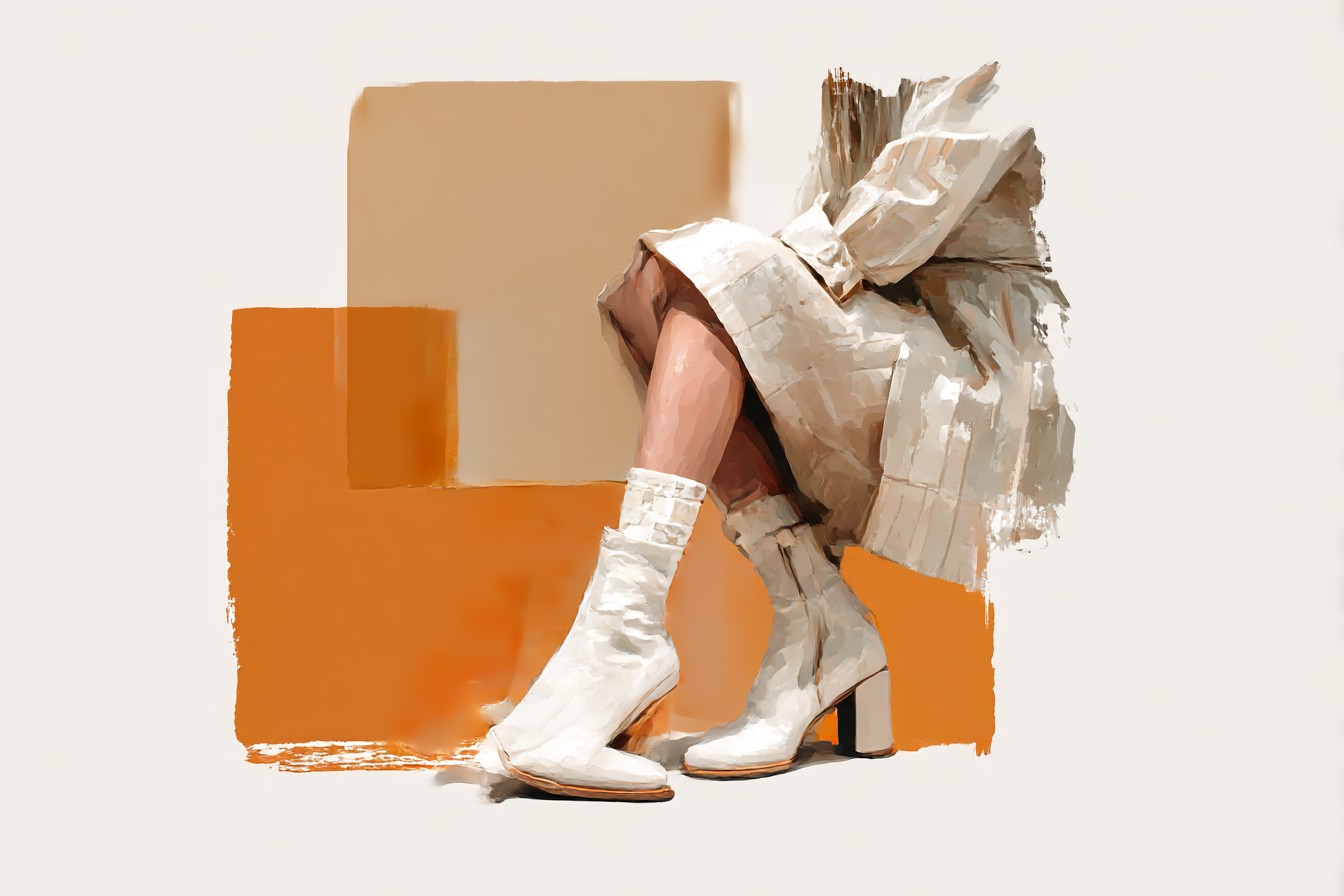
Ever since we started buying less and caring more about what we put into our closets, mainstream definitions of “what’s in” have been irreparably disrupted. The rise of thrifting + shopping secondhand has meant we’re all mixing 1976, 1998 and 2017 clothing into our 2022 closets. How are we supposed to know what’s trendy when the “coolest” jacket in your outfit was worn by your grandmother 40 years ago?
To highlight how nuts this season is receiving, I recently interviewed Tyler, a 24-year-old design assistant who works at one of America’s largest fashion brands, for an article about young creatives entering the industry. I’ll never forget how he explained it to me while wearing an outfit that incorporated four different decades. : “My Gen Z friends don’t really believe in things being in and things being out. That’s like, so millennial of you.” he laughed. “Everyone just dresses however the hell they want.” A millennial who worked in fashion for over a decade just had their entire existence questioned.
I wanted to cry. “I get so confused when talking to retailers now,” said one brand strategist I interviewed, who requested anonymity. “We used to be able to define Millennials vs. Gen Z vs. Boomers by their style preferences.
Now kids in their mid Twenties are shopping Sailor Moon craze clothing, Ugly Dad Trainers and Doing Silicon Valley mum’s pre-season shopping.” I hate kids. Seasons no longer make sense. Retailers can’t predict what will sell.
Designers have no trends to gatekeep. Fashion editors can no longer confidently write about “What’s In and What’s Out.” Everyone is whispering about how “baby boomers” are suddenly wearing Miu Miu sliding sandals with sweatpants but showing up to office wear presentations wearing matching baby Miu Miu sliding sandals and sweatpants myself, I’ve noticed my anxiety creep in when getting dressed each day. Will I accidentally wear something that’s “so out?? ?” Silly me.
Everything is in, and everything is out. Which is where we arrive at a very important question: How do you get dressed in the post-fashion era? I’ve been giving this a lot of thought, and I’ve compiled a list of tips on how to survive our zeitgest as stylishly as possible.
Note: these are not commandments, because holy shit do we still know what fashion rules are these days. The first step to dressing in a post-fashion world is ditching the idea of “what’s trending” altogether. You’re not going to keep up with every minor micro-trend bubbling through our algorithm bubbles.
Instead, focus on establishing and refining your personal style. Now more than ever you need something cohesive to tie together all the crazy trends floating around. That being said, you also never know when you’ll have the perfect opportunity to wear an oversized blazer as a dress.
Don’t be afraid to commit to a silhouette. Second: remember how I said there was no right or wrong?? Allow yourself to get dressed with a sense of play and experimentation.
If you think something looks good, wear it! I recently wore a lightweight slip dress over jeans to an art gallery opening (something I would have HATED on myself in 2019) and received more compliments than any “normal” outfit I’ve worn in months. Last: pay attention to how your clothes make you feel.
We’re taught from a young age to dress to please other people. But in an age where anything can be trendy, who the hell are you dressing for?? Dress for yourself.
If you’re in the business of fashion, this season will force you to adapt how you talk about clothes. You can no longer confidently say “these trends are in, these trends are out” without sounding like a toddler with a maniacal grin and a personality. These days we need to be having more nuanced conversations about fashion that allow for multiple truths to coexist.
My colleagues and I are still figuring this out, but we try to approach every story with a sense of curiosity (“Why are Coachelle boots hanging on?”) instead of editing down all the trends we see into some digestible trend list. Fashion has not died. Our ability to speak about fashion in blanket terms, however, has. “It’s more important than ever for us to talk about fashion as a plural,” Simone said over our last Fashion Week editorial meeting.
I nodded blankly at her, because she is always right. “There is no ‘IT’ silhouette this season. There are many IT silhouettes.”And maybe that’s OK?…
Truthfully, I’m still getting used to this new era too.
I wore my vintage Levi’s 501s with a ballet flat on one foot and a Vibram-style loafer on the other this morning and couldn’t decide which shoe looked more “2022?” As we speak, I’m wearing a sock knit jumper my boyfriend thrifted me and wondering how many decades past it is trying to be.
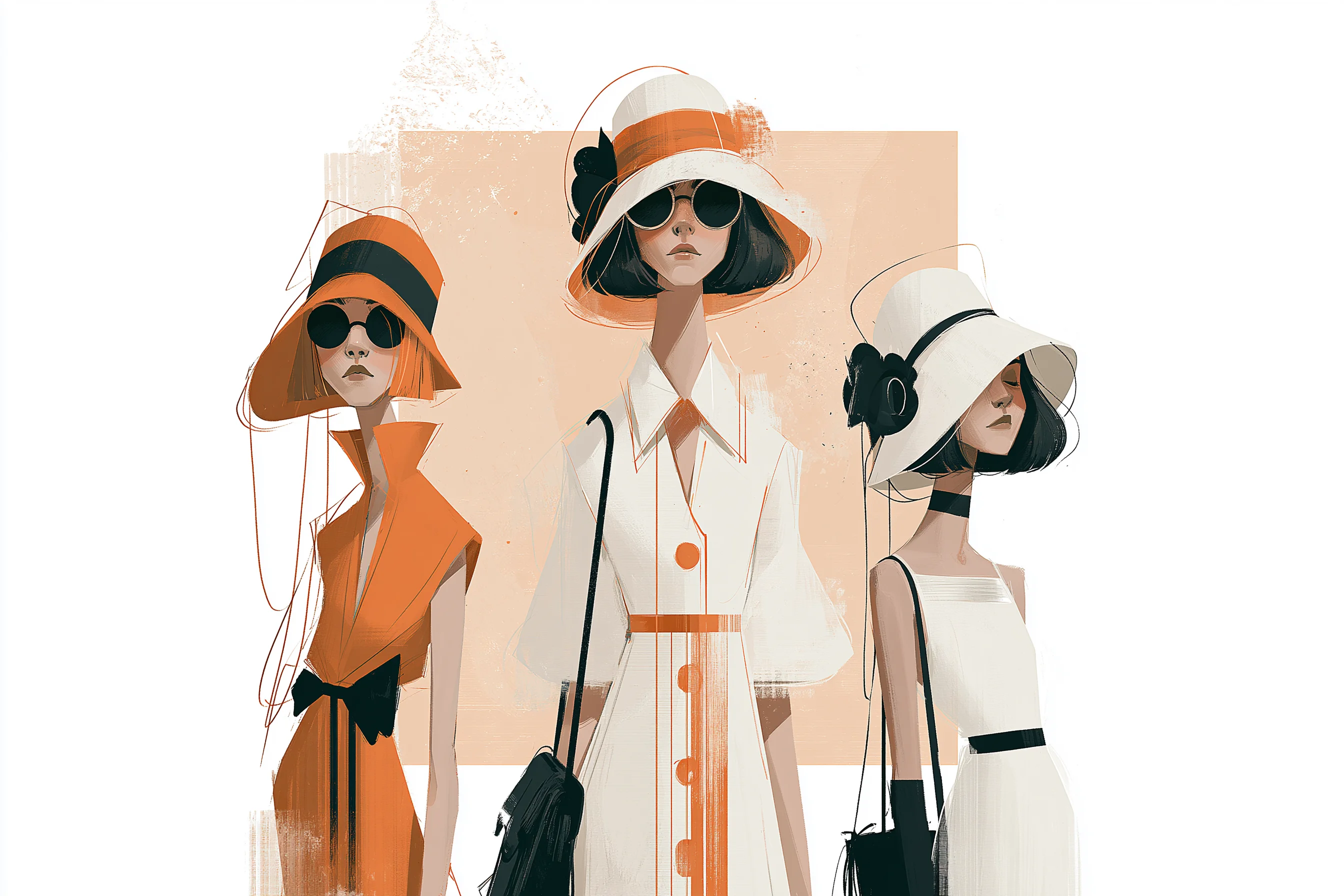
It’s weird. It’s frustrating.
But it’s also really fun to play with again. Getting dressed has always been hard, so much so that people make careers convincing us what to wear. These days, there is no overarching authority on “correct” dressing.
But I choose to look at that as an opportunity to rediscover what clothing can mean to you as an individual. Instead of blindly following what some influencer at; “Person X is wearing socks with their sandals but so is Person Y?? Insanely contradictory.” I told myself as I legit wore socks with my sandals yesterday.
We can ditch the fear of making “mistakes” in our outfits and instead focus on what brings us joy. After all, how you dress is one of the few things you can control in this post-upcycle world. We may be living in the post-fashion era, but I, for one, am choosing to dress for myself.