My Mum always knows how to make everything she wears look expensive. She’s not rich; far from it. We grew up in a rented terrace in Manchester, with Mum working two jobs to support my brother and me.
But whenever she entered a room she looked like she’d walked off a yacht in Monaco, rather than caught the number 42 bus from Piccadilly Station. I used to ask her how she did it as a precocious fifteen-year-old, getting ready to go to my aunt’s wedding and feeling bitter that my dress was from New Look while my cousin Gemma would undoubtedly be wearing something Godiva. Mum fixed me with a look in the mirror whilst pinning up my hair, before saying, “It’s not what you wear, love, it’s how you wear it.” Little miss knows-it-all scoffed dramatically (well, that’s what fifteen-year-olds do), but Mum was actually right.
Loads of people complimented me on my “gorgeous designer dress” that day, so when they asked where I’d got it, I felt delighted telling them, “Oh, this? Oh, this was thirty quid from Primark!” You should’ve seen the horrified looks on their faces.
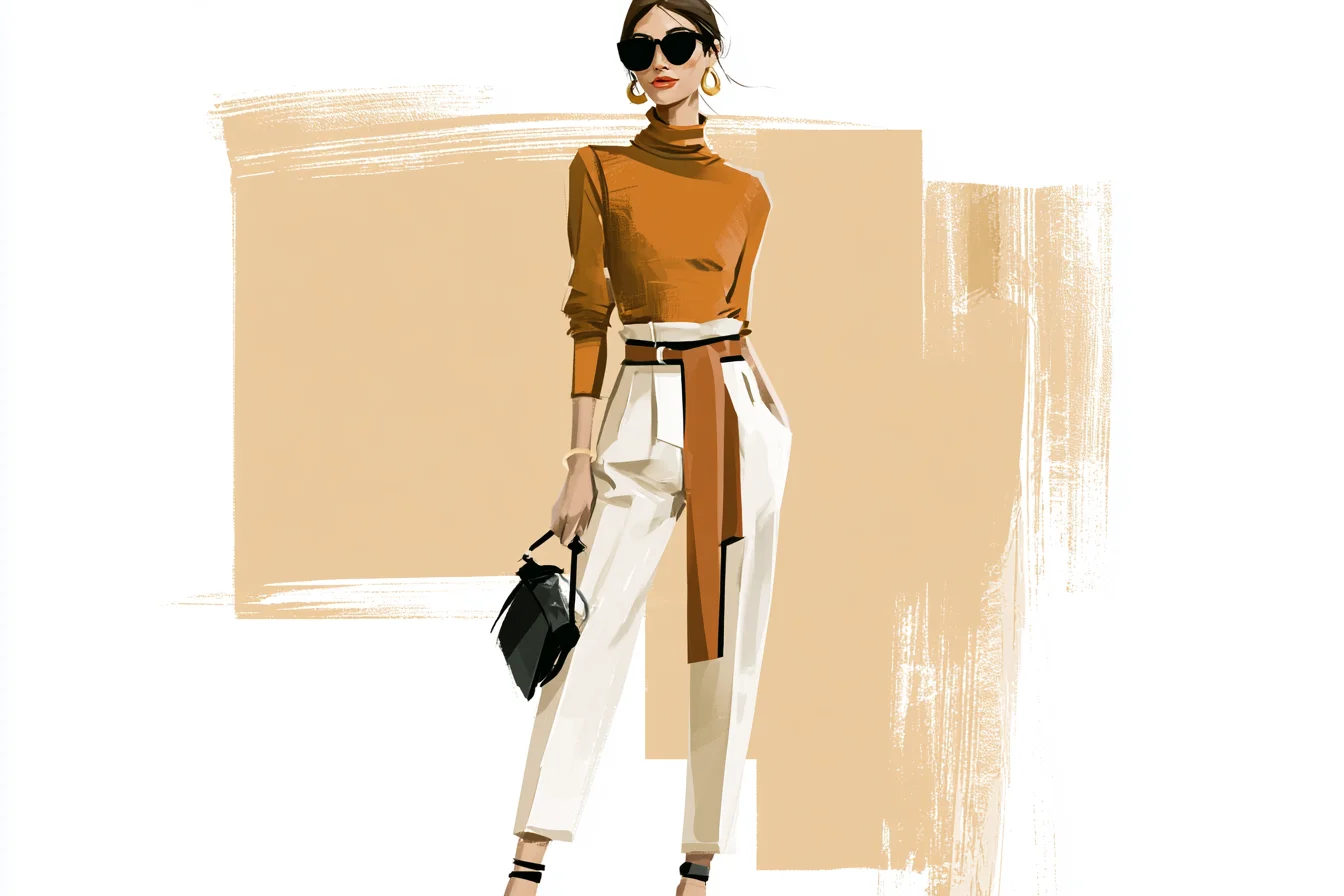
Moral of the story: my Mum taught me how to make everything look more expensive when I was young, and ever since I’ve worked in fashion (having champagne taste on a distinctly prosecco budget) I’ve perfected her tricks.
In fact, now I know people who spend barely anything on clothes and could teach my Mum a thing or two.
My friend Emma is always complimented on her “investment pieces”, but I always laugh when she’s doing her Primark Run because she actually shops exclusively at charity shops and the high street sale. They know the secrets to making things look more expensive, so here are my favourite styling tips I’ve learned from them along with some of my own… Getting your clothes altered is, in my mind, the number one way to make them look more expensive.
Clothing that doesn’t fit correctly is never going to look expensive, no matter how much it cost. I learnt that the hard way when I bought a really cheap-but-on-sale (£200 hard) blazer that turned out to hang on me like a sack thanks to buying the wrong size. It wasn’t until I had the sides taken in at a tailor that it fit my shoulders correctly and actually looked like something I would’ve wanted to wear in public.
I now budget around £30 for the tailor when I buy trousers, blazers, or anything that requires structuring to make sure it fits me perfectly. My tailor, Mrs Patel, is such a good friend that I always give her homemade biscuits at Christmas. She’ll take a pair of £40 high street trousers and make them look like a £400 shop version by breaking them perfectly at the ankle and getting the waist just right.
People stopped me in the street recently to ask where I’d bought my trousers – trust me, it makes a difference! If a full tailor fit isn’t worth the investment, at least make sure your clothes fit you as best they can before you buy them. I like to use fashion tape as a rental period extender – I have a roll of it in every handbag I own.
It can hold up trousers that need hemming, keep down necklines that are slightly too big, and fix off-the-shoulder tops that weren’t meant to be. I once wore fashion tape all over a vintage dress that was too big for me but needed to look good for a job interview. I got the job.
Fact. Invest in it, and I promise you it’ll change your whole wardrobe. Seriously, nothing makes your clothes look more expensive than eliminating all wrinkles.
I bought a pretty cheap (£35 at John Lewis eight years ago) handheld clothes steamer that I use on everything. All of a sudden that £10 polyester blouse from the market looks expensive thanks to being freshly steamed! Even my bedsheets look expensive when I’ve given them a good once over with the steamer.
I recently wore a £12 white shirt from the supermarket’s clothing line to a work event. It was dead boring but I steamed it really well the night before, and wore it with my nice tailored trousers. A colleague came up to me after asking how much it cost, and said it was “that expensive organic cotton brand everyone’s wearing”.
Steam will make your clothes look expensive by smoothing out even the nastiest fabrics! If you’re buying anything tailored – think blazers, coats, or trousers – make sure you invest the little bit of extra time to get out the iron and iron them on the right setting. There’s nothing more cheap-looking than a wonky shoulder line on a blazer.
Just double cheque what material your item is before you start though, otherwise you’ll end up with a hole through your top like I did with a polyester dress in my early twenties. It’s still a joke my friends love. Whilst we’re on the subject of teaming similar colours, get into monochrome.
Wearing different shades of the same colour is instantly more expensive-looking as it’s already coordinated. If I’m running late in the mornings (which is pretty much all mornings) I’ll throw on my black trousers, black top, and a black blazer. They’re not necessarily matched, but because they’re all the same colour they give that illusion.
Stick to neutrals – beiges, creams, whites, blacks, and navys all look more expensive than bright colours, and even more so when paired together. My work colleague calls it the “rich person palette” because the richer people are, she finds they wear more muted colours rather than brights. When I got a new job and didn’t want to spend too much on work clothes, I bought lots of neutrals that could all coordinate together to create a bigger wardrobe.
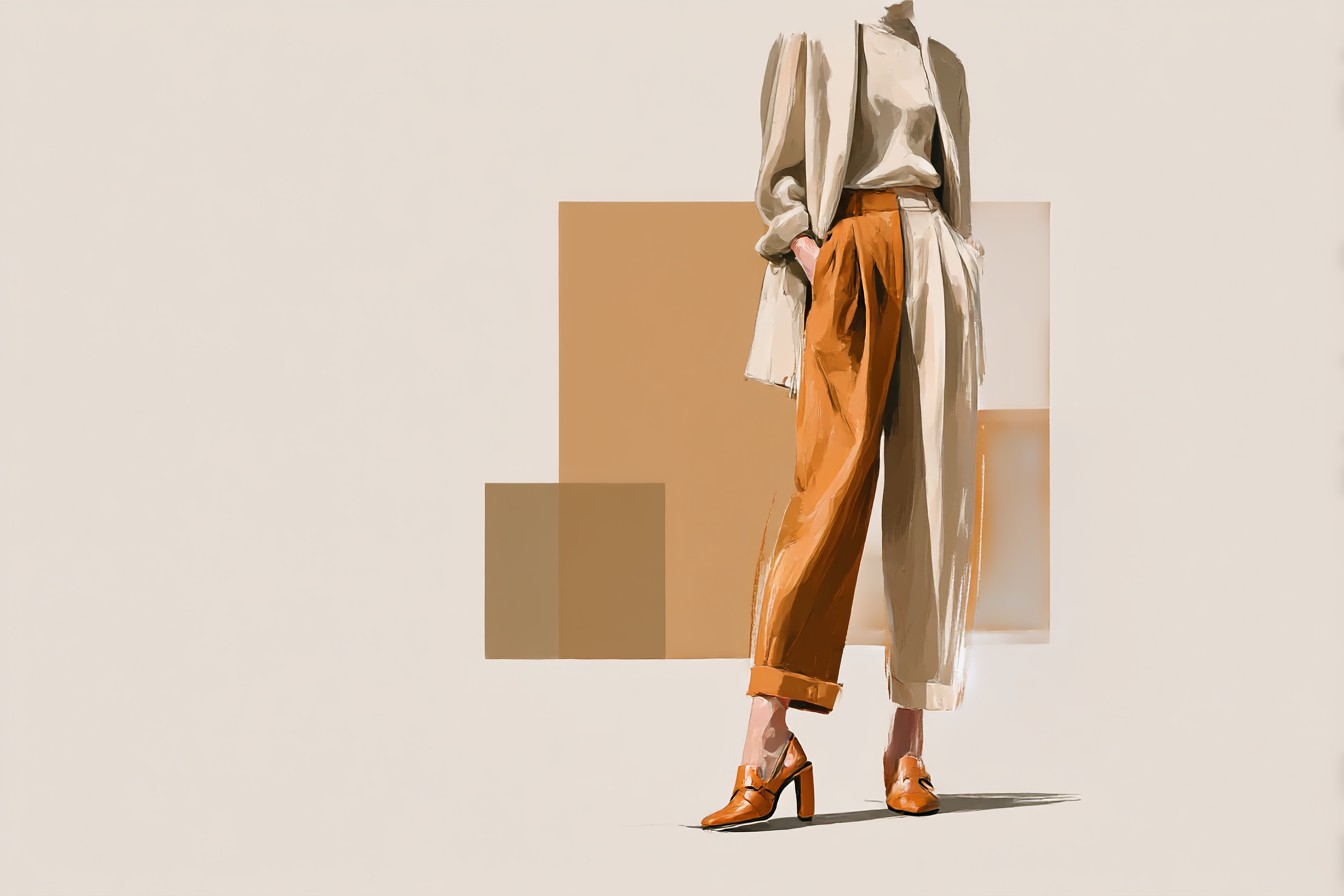
If you really want to level up, try dressing tonally. This is where you wear different colours from the same colour family. So a cream blouse, oatmeal trousers, and a beige coat looks so expensive, even if each individual piece was actually really cheap.
I wore this exact combo last year to a fashion event and was told my outfit was “all Jil Sander.” Uh huh. I’ve found wearing minimal jewellery makes everything look instantly more expensive. My go-to everyday jewellery is a pair of simple gold hoops and a tiny gold necklace, which instantly makes jeans and a tee look more elevated.
It creates a put-together look that looks like I’ve made an effort, rather than threw something on. My Mum’s advice is always: buy the plainest gold jewellery you can afford and it will literally never go out of style. Buy cheap gold jewellery and it will end up dating you to the year immediately.
She’s not wrong. That gold bangle I’d saved up for and bought in my twenties still looks current ten years later, but all the “on-trend” gold chunky necklaces I bought in Topshop when I was sixteen are now retired in my drawer that nobody wears. That being said, you don’t need to spend hundreds on gold/silver jewellery to make it look luxe.
I think the finish of metal makes something look more or less expensive – I find a matte finish looks nicer than a high shine, which can look plasticy from far away. My go-to “look expensive but isn’t” jewellery are these brushed gold-tone studs I bought for £8 years ago. I’ve worn them to weddings, job interviews, my best friends’ engagement party… they’ll literally never go out of style.
One of my top tips for making your clothes look expensive is looking after them properly. If your clothes are pilling, fading, or stretched out of shape, they’ll instantly look cheap. I read every clothing care label ever and follow them religiously – my uni housemates used to laugh at me when I had one drying rack for “dry flat” items and another for “hang to dry”.
But it makes such a difference. My jumpers and knitwear look new for longer because I always fold and store them (as opposed to hanging, which can stretch out the shoulders) and I’ve got a fabric shaver that removes any pills. It’s saved so many jumpers from looking worn down and old and is basically given them a new lease of life.
My boyfriend didn’t believe me when I said it worked – until I shaved the pills off the elbows of his beloved cashmere jumper (cause that’s where they always get!) and he was never so grateful in his life. He now insists on fabric shaving his own clothes without me having to ask. If your clothes are looking a little worse for wear but you can’t quite bear to part with them yet, see if you can style them so the worn bits don’t show!
My favourite white t-shirt suddenly started looking grey no matter how much I washed it, so now I only wear it tucked into dungarees or a dress where you can’t see the greyness. It looks like a skin-safe bleach stain now rather than worn! Investing in a steamer really helps your clothes look expensive because you can take better care of them at home.
Say you’ve got a favourite jacket that you love to wear but after a while it starts to look wrinkly wherever you place it on your bed. If you pop it in the steamer gently before you wear it, those wrinkles disappear and your jacket will look new. One of my last tips for making everything look more expensive is actually just layering your clothes.
There’s something about layers that makes your outfit look more curated and expensive. If I’m wearing plain basics I’ll throw on a scarf, wear a shirt over a t-shirt, or a cardigan wrapped over my shoulders.
It instantly ups the chic-factor.
I mastered this without even knowing when I was rushing out one day and threw on a basic white tee and jeans, then grabbed a shirt to wear as a jacket, and looped a scarf around my wrists as I ran out.
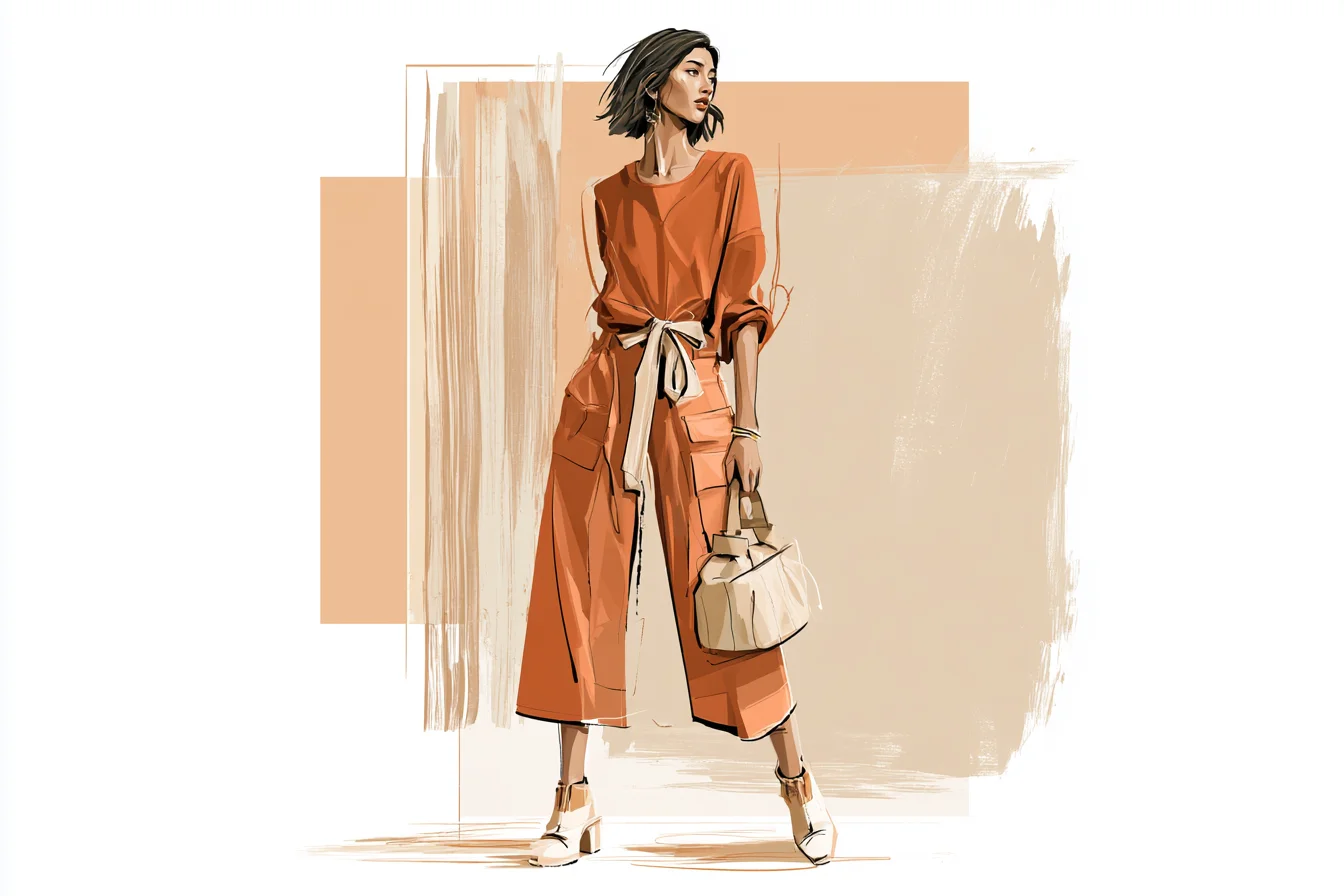
I got complimented three times at work that day on my “oh-so-chic-outfit.” Barely thrown together, but with those extra layers it looked put together. Throwing a coat over a shirt so people can see the shirt underneath always looks expensive to me.
It creates an outfit within an outfit if that makes sense? Pair that coat with the collars of a crisp white shirt peeking out, or jeans where you can see a flash of whatever you’re wearing underneath. I live in coats in the winter time so I’ve mastered this combo – tuck in a plain white shirt, but leave the collar popped up so it’s peeking out at the neck of your coat.
I wore this exact outfit last year and was asked if my coat was Max Mara (it was H&M). All of these tips share one thing in common: they require you to take care. Caring about how your clothes look, how they fit, and how you style them takes time and effort – and that’s what makes expensive-looking fashion what it is.
My Mum might not have had expensive clothes when I was growing up, but nothing she wore was ever wrinkled, ill-fitting, or had been forgotten at the back of her wardrobe. She cared about her outfits so much she treated cheap high street buys like they were expensive – and that’s reflected in how she wore them. If you’ve got the tips and tricks to make your clothes look expensive, nothing stops you from having a wardrobe full of high street finds that look high-end.