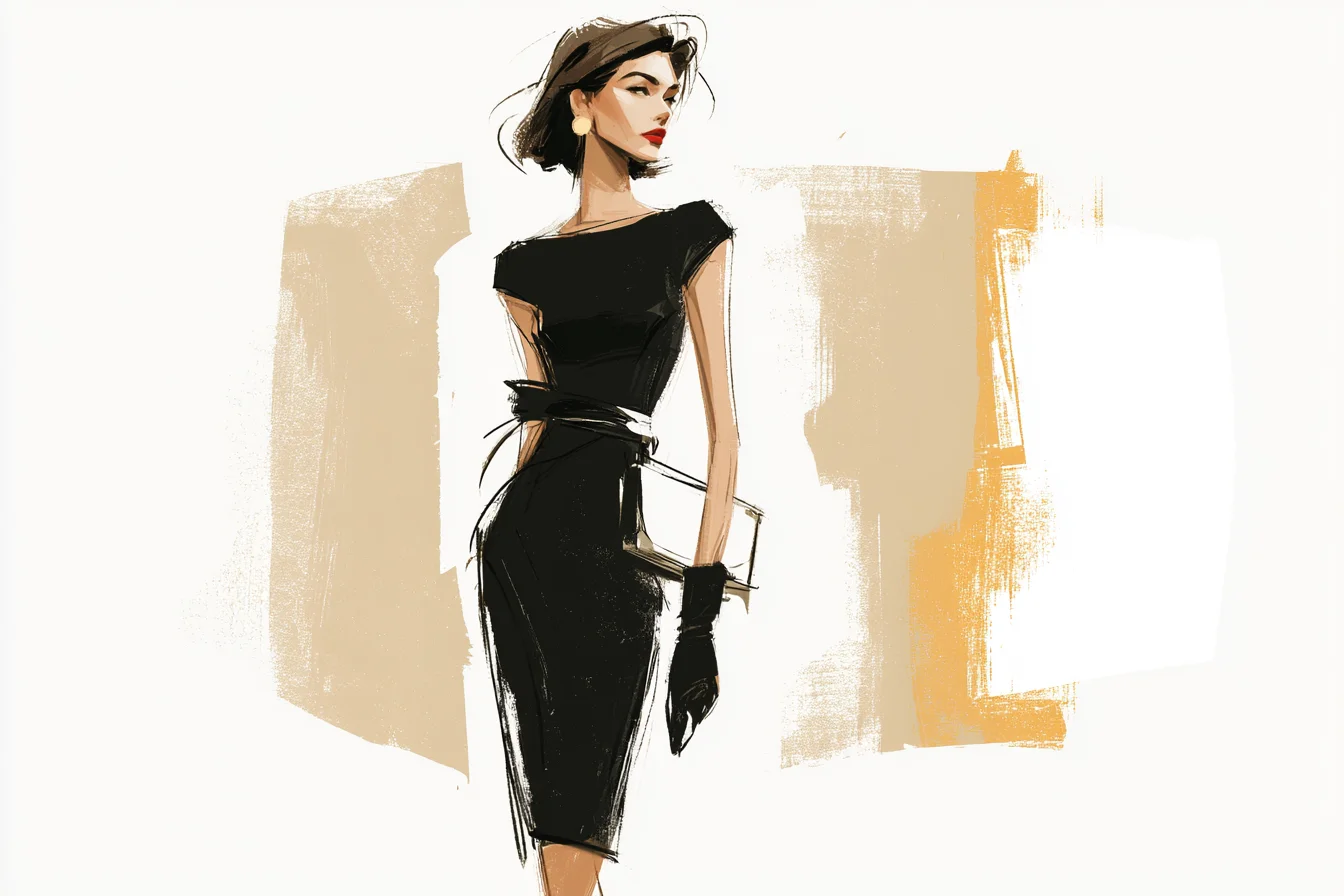
I’ve worked in the fashion industry for fifteen years, and I still love the crestfallen expression people wear when they visit my flat for the first time. “But you’re a fashion editor!” they exclaim, surveying my very normal bedroom with thinly veiled disappointment. “Where’s your walk-in closet? All of your clothes?” The reality of what fashion editors wear behind closed doors could not look less like what you imagine. After 18 years submerged in designer collections, trend reports, and the cyclical fever dream of new wardrobe staples to buy every few months, I actually wear all of two percent of what would qualify as on-trend garments in daily rotation.
If you’ve ever wondered what fashion editors actually wear in real life I’m here to debunk some of your assumptions. First, let’s tackle the red carpet worthy wardrobe you think we live in daily. The dream: worrying about nothing but what to wear because you have exactly one-of-everything, and it’s all so stunning you can’t commit to just one look.
Having access to samples from new collections each season seductively emails is the closest most editors come to this fantasy. But styling photo shoots and knowing how to talk the talk with designers doesn’t automatically mean we wear it all day every day.
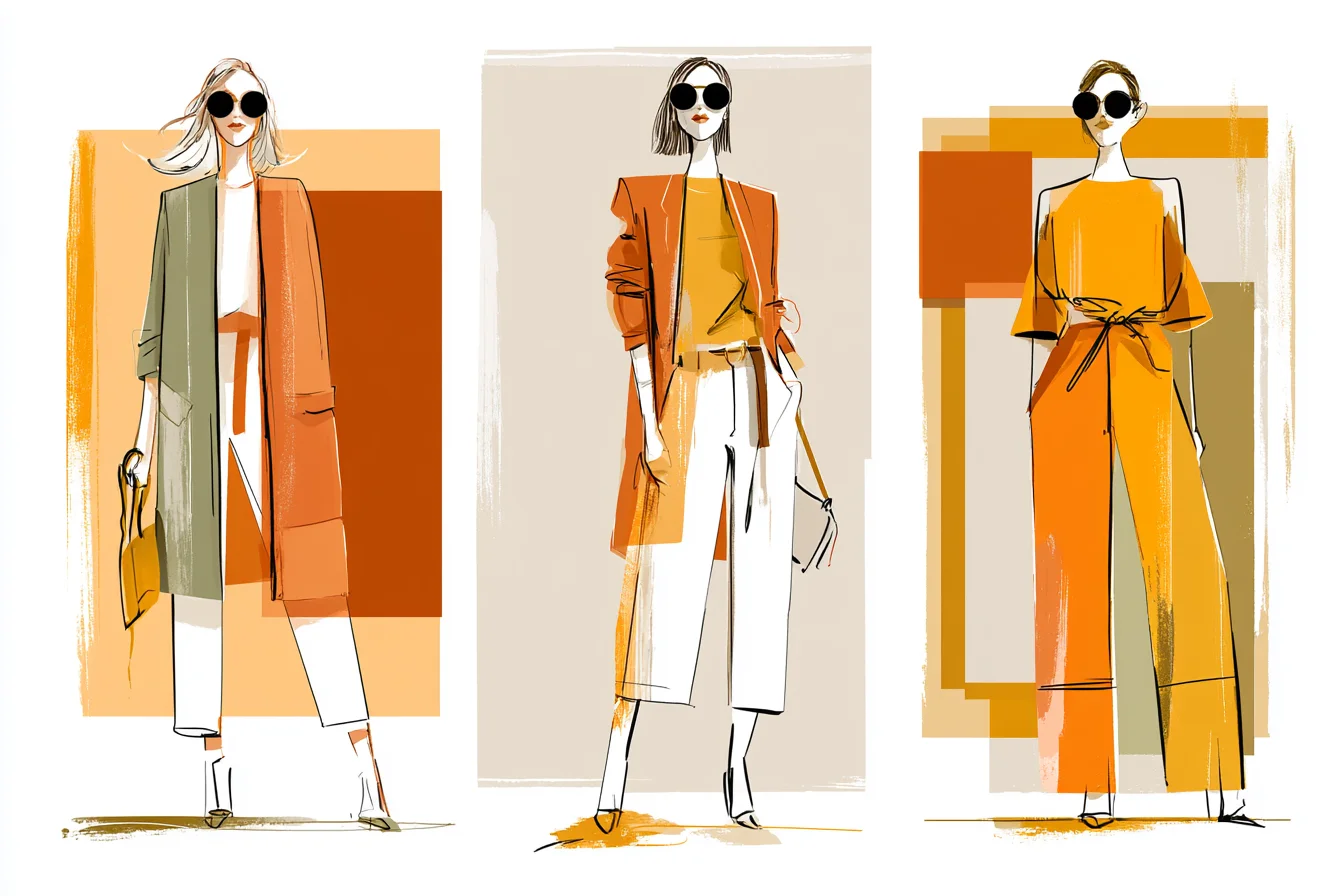
I found this out the hard way on day three of my first job at a big fashion magazine when I proudly showed up in my recently purchased Prada loafers and Burberry trench.
I’m still mortified remembering how my boss; a chic Parisian who could’ve been poisoned by receiving kittens for all I knew of her personal wardrobe, marched over to me in the hallway. “Those shoes,” she hissed, motioning to my shiny new loafers. “They’re not see-now-buy-now, are they?” I wanted to die.
What I didn’t know at 23 wasn’t that she was putting me in my place, but that she too was likely wearing Month Twenty-Something’s label had just mastered the art of acting like she spent her whole paycheck each month on insanely priced designer shoes. Editors wear approximately 30% clothing that doesn’t belong to us at any given moment.
Samples, borrowed items from runway collections, and things “yours called in” for shoots are just some of the ways those enviably stylish street-style pics happen. The truth is that Valentino coat I was spotted in outside the shows last summer in Paris? Sample.
The vintage Chanel bag everyone told me how awesome it was that I was wearing last fashion week? Borrowed from our creative director who needed an excuse to carry hers. These beautiful, pictures perfect garments almost never make their way into our own closets.
For me, my personal wardrobe consists of, generously, 40 pieces-not counting underwear, leggings, or gym clothes. My longtime editor friend Emma who does a lot of luxury coverage and previews jewellery in the seven figures owns four dresses. She just owns good ones.
But we make up for it with a well-curated wardrobe of lower cost fundamentals that we know look expensive, and mastered High-Low shopping. Far smarter fashion editors than I are the ones who have developed a uniform that doesn’t require refreshing each month. My boss, Charlotte, is widely known as one of the most stylish women in British fashion, spends the majority of her wardrobe shopping at COS, Arket, and Margaret Howell, and owns maybe five designer bags and garments she’s collected over twenty years.
She bought her last handbag in 2018. She looks amazing not because she has a ton of wardrobe options, but because she knows what fits well and what works with her lifestyle and body. Fashion editors are, by trade, extremely practical when it comes to their own closets.
After years of stuffing delicate designer samples into tiny hotel laundry rooms and trekking across several continents paying outrageous fees to have our items professionally cleaned, most people working in this industry develop a nasty relationship with high maintenance clothing. I haven’t bought a garment that requires dry cleaning in close to seven years. Same goes for anything that says hand wash-only on the label.
If something requires that level of care, it isn’t easy breezy enough to live in daily. Everyone I know has their garment care deal breakers. The Editor didn’t buy dark denim since moving to London because her first week here she ruined three pairs of trousers trying to keep them faded black.
Our menswear editor won’t touch cashmere because he lived in LA and realised he was basically bleeding natural fibres every time he wore it. My sustainable fashion friend refuses to buy anything that needs ironing because she knows herself well enough to know she’ll never do it. Oh, and we’re also not wearing heels you can’t walk in all day.
I used to think this was an exaggeration until I attended my first fashion week. Trying to squeeze into designer trend footwear that add months to your foot season after season is an extremely wake-you-up-to-reality moment. Post fashion week, my entire wardrobe was flats I could realistically walk around in all day.
Adidas Stan Smiths, loafers, boots with block heels I can trot around in. We repeat outfits all the time. If you believe every actress and fashion magazine telling you you’d never see them wearing the same thing twice, you’ve been tricked.
I can promise you right now that every fashion editor you come across is wearing an item of clothing they’ve worn before. We’re just good at styling them differently so that no one notices. My former boss wore the same black Prada skirt to every single meeting she had for about six years.
She would change up what she wore it with so expertly that no one ever questioned it was the same skirt. Another editor I used to work with wore the same seven white shirts from The Row all week, rotating them with different bottoms and accessories. Fashion insiders don’t constantly need new outfits to feel inspired to get dressed-they invest in incredible foundational pieces, then learn how to style them a million different ways.
The secret we don’t talk about? Most editors have a uniform. Mine is high-waisted trousers or trousers, oversized shirts or fine gauge knits, and a rotation of about three pairs of shoes.
I switch up colours, hem lengths, materials, but that formula almost never changes. When I find something I love that really works; be it the perfect black trousers, or green jumper. I buy in bulk and wear it until it falls off me.
What I can’t get enough of in my own closet are vintage and secondhand pieces. Don’t get me wrong, we get plenty of opportunities to buy new, but nearly all of us still supplement our closets with pre-loved garments. Whether it’s because buying vintage is cheaper than Celine, or we’re sick of having our entire wardrobes photographed at fashion weeks (there’s truly nothing like walking past one of your colleagues on the street and realising you’re wearing the same damn coat), a lot of us love shopping second hand.
Case in point: accessories. Because I can guarantee you that vintage Hermès Birkin bag your favourite editor is carrying? Was probably paid off for months in a dedicated savings account.
That beautiful Alaia boots our style director reserves for night time every December? Cost her fifty pounds at a charity shop in Notting Hill. She’ll kill me if she knows I told you that.
Even people who predominantly wear samples tend to mix in vintage-shop treasures with new-season wardrobe staples. Years ago, fashion editors would change into high street clothing in office bathrooms before going to events. No one wanted to be seen wearing Zara, even if what they were wearing was from the designer rail.
It was all about projection, keeping up appearances, and looking like you spent every penny of your salary on the newest merchandise. Now? Most people are total crap at hiding their cheap purchases.
Why? Because frankly, a lot of high street quality has improved, and also because people are working harder than ever to just…be themselves. Just because we talk about sustainable fashion all day doesn’t mean we don’t buy fast fashion.
Let’s talk about the taboo no fashion editor wants to publicly admit they participate in: buying Zara. Hell, buying anything off the rack these days can be difficult for editors. In public, we’ll preach thoughtful closet curation and investment pieces until we’re blue in the face, but privately send each other screenshots of cute Topshop tees.
Asking us not to buy clothes that falls into the “wish we could wear this every day but know we’ll get sick of it in three months” category is like asking us to forget how to breathe. Trends come and go, and we all buy things we don’t need. The difference between editor shopping and public shopping is that us editor types will likely buy the cheaper versions of trend driven items.
That neon green bag everyone will be photographed with at parties this summer? That oversize jean we pray will actually look good on us? You can bet your bottom dollar we’ll be reaching for the Zara version first.
Truthfully, I’m not sure anyone cares about fast fashion hypocrisy as much as they used to. Now everyone is just purusing their old tear sheets, watching collections scroll past on trend apps wondering how people with access to everything can’t wait to toss their leftovers at the end of each month. Trends fade, and even editors lose their pep.
We may have industry discount, but we’re also just people with rent and bills to pay. We get tempted by the sales. Seasons matter little when you’re a fashion editor buying for yourself.
We spend our entire working lives talking readers through “New Season Essentials”, “The Prints, Colours and Silhouettes We’ll Be Wearing All Autumn” and all the trends sweeping runways each season. So why is the majority of what I spend my own money on never gets talked about? Timeless pieces.
I couldn’t live without my oversized chambray blazer, my leather tote that only gets better with age, my favourite pair of jeans that actually fit my hips and legs and don’t ride down. These staples aren’t “trendy”, and wouldn’t appear in any of the trend stories I produce. But when I look in my closet and see clothes that I know will look good on me year after year; regardless of what’s “trending”, that’s what I buy.
So when I do buy into trends, I do my best to be picky about what ones are actually worth investing in. Here are the three questions I ask myself when it comes to buying trend driven wardrobe items. Will I still love this in five years?
Can I style this a bunch of different ways? Will this actually work with my life? Not the fantasy fashion editor version of my life.
Own too many clothes and not enough outfits? Meet me and every other fashion editor in the world. Arguably the biggest problem with having access to thousands of dollars worth of clothing (yes, even editors on a budget still have more options than the average shopper) every few months is that it’s easy to buy too much.
When I first started working in fashion I admired editors who “always had something new to wear”. Now, I scroll past their IG stories dreaming of the day my closet will be as pared back as theirs. My best friend in fashion owns maybe twenty-five garments.
Twenty-five. But she’ll cry if you insult any single one of them. She has edited her wardrobe down to only things that fit her perfectly, flatter her colouring and lifestyle, and can be worn with anything else she owns.
She spends more time loving and caring for what she owns, than mindlessly buying things she doesn’t need.
Paring down your wardrobe is probably one of the best things you can do to understand your own personal style.
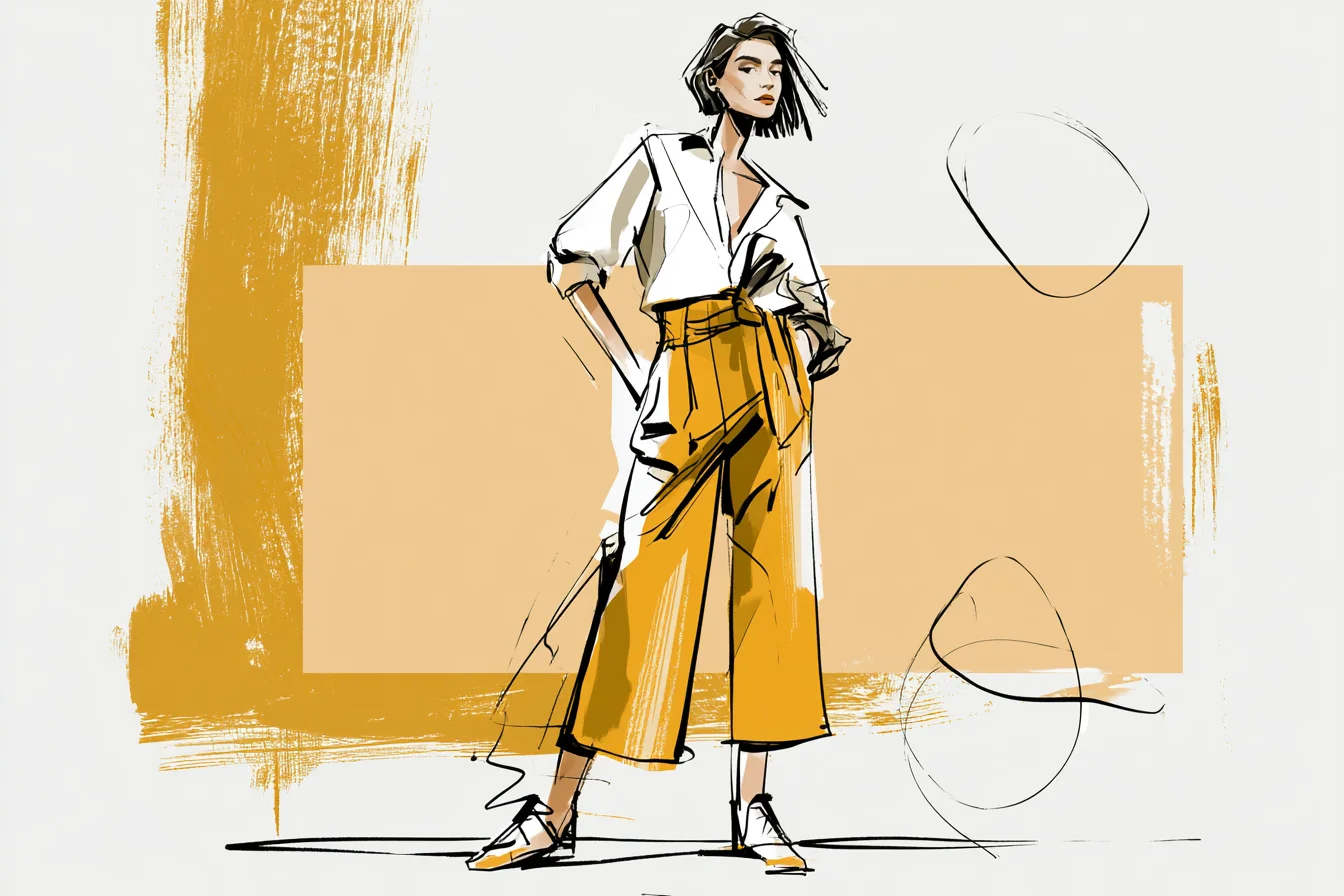
Fashion editors throw out, sell, and donate things all the time.
We understand the fantasy of having new clothes every day, but we also understand how quickly having too many outfits becomes overwhelming. There’s a myth out there that the most stylish people have the most clothes. Trust me, it’s the opposite.
The most stylish people have spent the most time editing what they own, learning what works (and what doesn’t) for their body, colour-ing, and lifestyle. If you want to dress like a fashion editor, stop buying things just because they’re cute. Buy only the pieces you know deep down you’ll still love next month, next year, and learn to throw out what doesn’t work.
Yes, even us editor types have piles of vintage scarves hiding winterigans we bought and swore we’d wear “ someday”. Trust me. The most valuable lesson I’ve learned about having your own personal style after a decade+ in fashion?
Don’t worry about what’s in your closet. Wear what fits and what you love, and forget everything else.