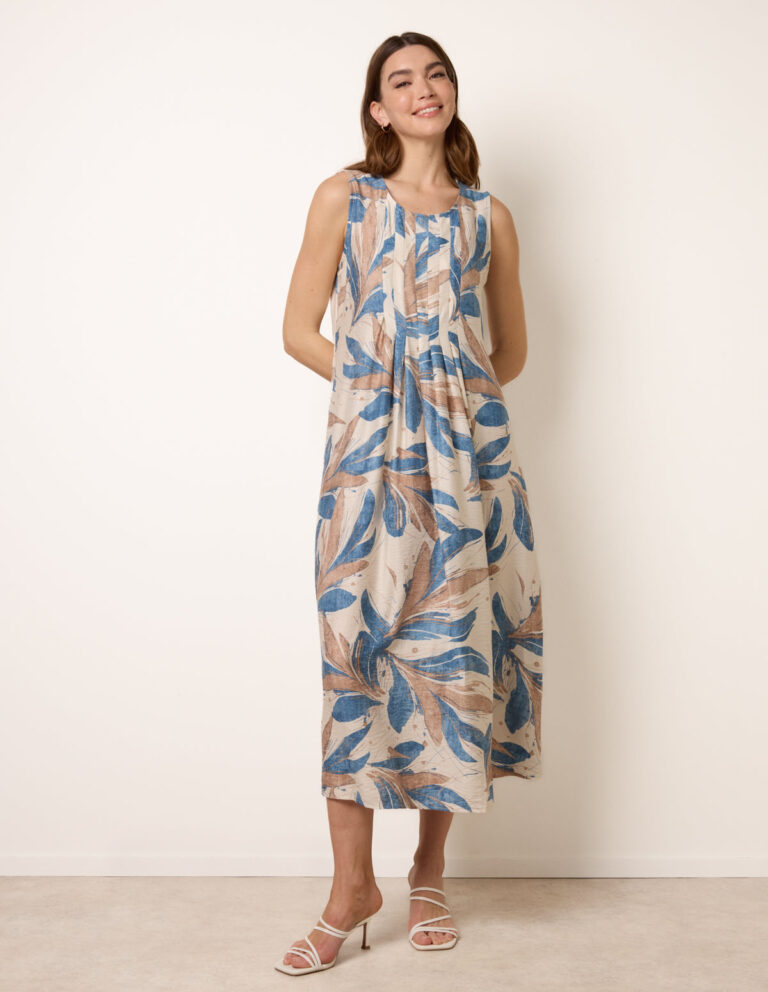
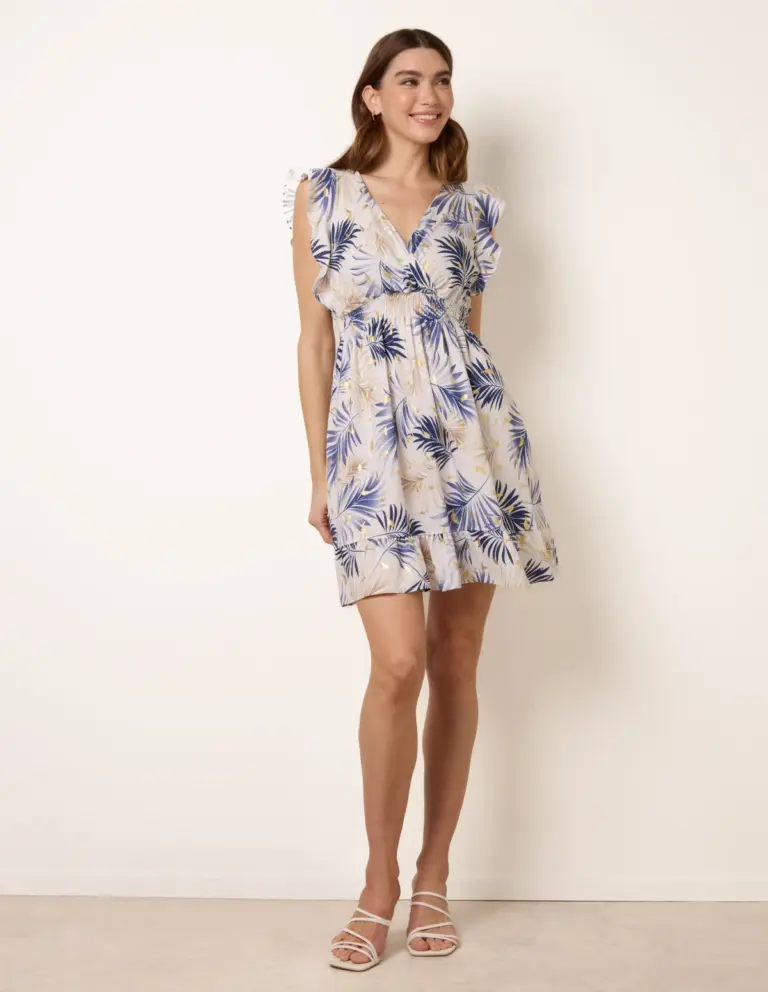
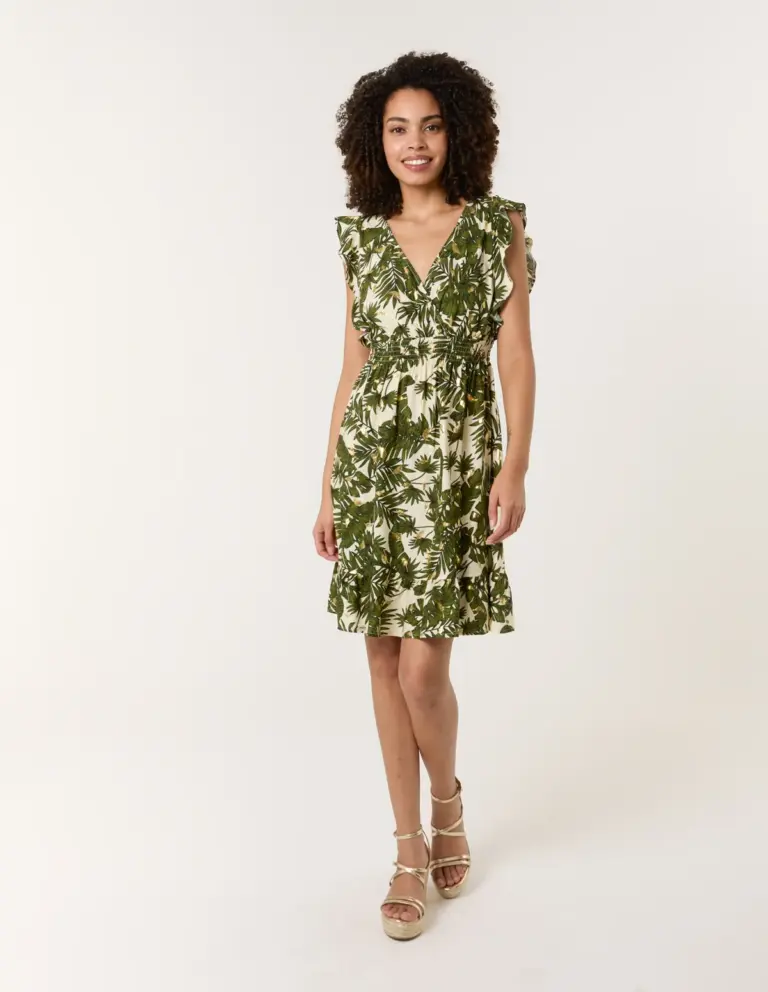
The real test of a printed dress isn't how it looks on day one, it's whether the pattern still hides a coffee splash after the third wash and whether the colours have gone slightly chalky from the machine or stayed true. A lot of them fade unevenly, the darker ground colour holding on while the brighter print goes dull, and you only notice when you line it up against the first photo you took of yourself in it. The good ones come out the other side looking the same as they went in.
In an ordinary week a printed dress works hardest when you stop treating it as an occasion piece and start layering it like everything else you own. A plain cardigan or a denim jacket over the top calms down a busy print instantly, and a flat sandal or a trainer takes it from "dressed for something" to "just what I put on". Boots and tights do the opposite job in colder months, pulling it into something that reads more autumn than holiday. Before you buy, check where the zip sits and whether it's metal or the cheaper plastic kind that catches on the lining after a few wears, check the hem for a proper double stitch rather than one row that'll unravel the first time it snags a heel, and hold the fabric up to the light to see if the print is dyed through or just sitting on the surface, because the surface ones crack along the fold lines within a season. If you've got nothing like this yet, start with a small, busy print in colours you already wear, not a big bold single motif, because the busier prints hide the little marks and creases that come from being folded into a bag, and they go with more of what's already hanging in your cupboard than a statement print ever will.
What separates one that lasts from one that doesn't usually comes down to the weight of the fabric and how the print was applied. A dress in a fabric with a bit of substance drapes properly and doesn't cling or crease the second you sit down for a few hours, while a thin, slippery one rides up and shows every seam underneath. Cheaper printing fades at the fold lines first, so check the inside of the sleeve or the underarm seam where it's been pressed hardest. Good construction means a hem that doesn't pull when you walk, buttons sewn on with proper thread rather than one loose loop, and a lining that sits flat instead of bunching at the waist after an hour of wear.
Tomorrow morning I'd put mine on with a cardigan, flat boots and nothing else to think about.
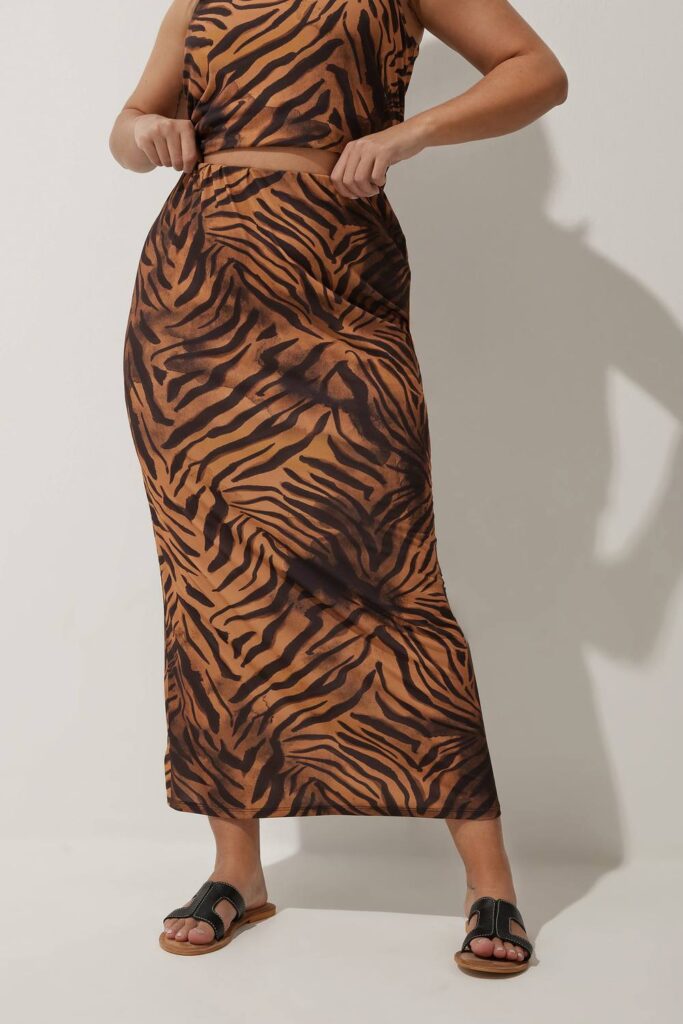 Slip DressesZebra Print Slip Dresses That Flatter Without Trying
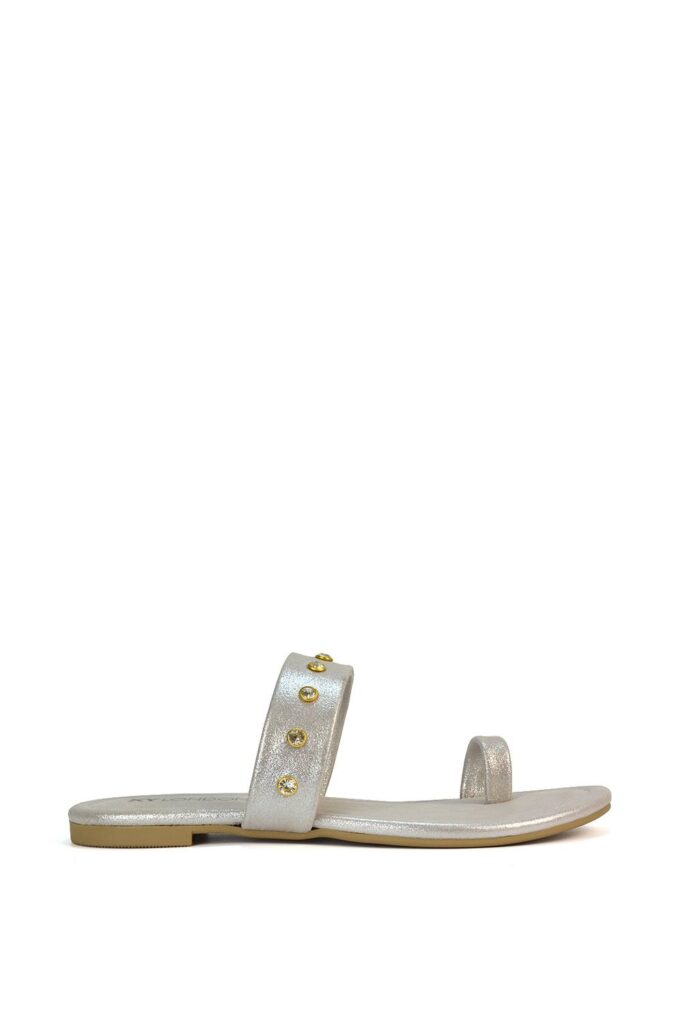
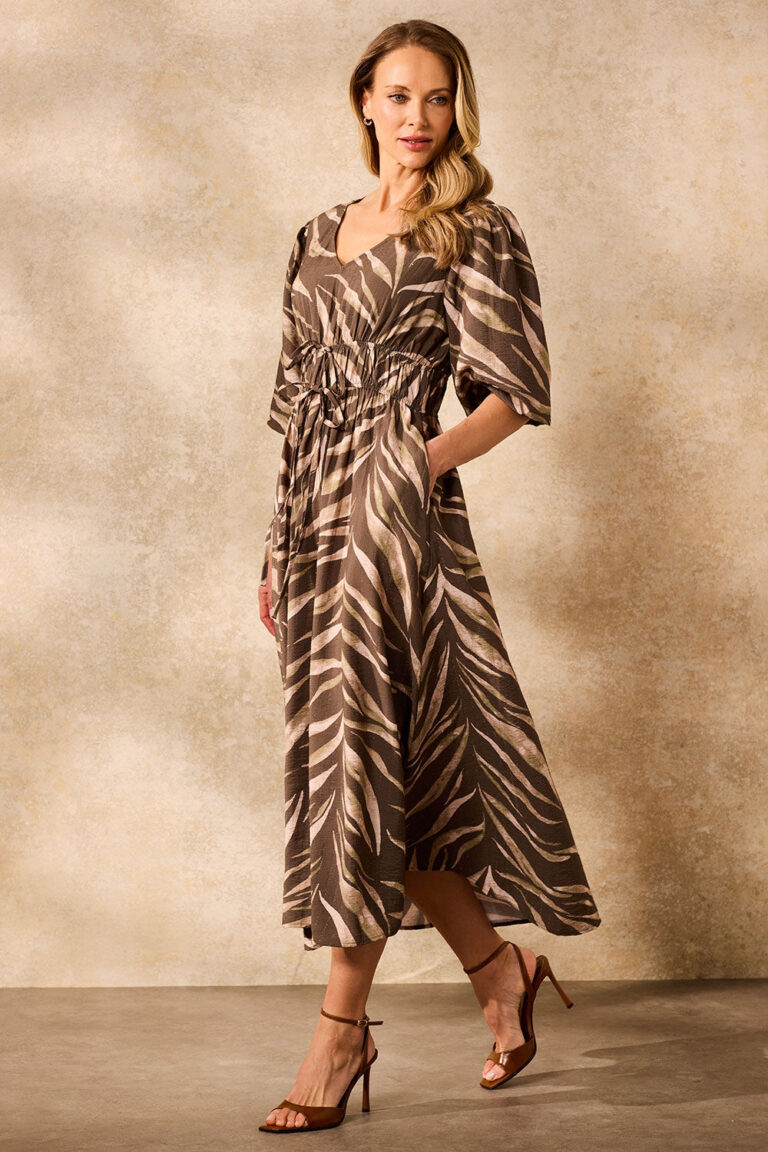 Summer DressesZebra Print Summer Dresses for Sunny Days Ahead
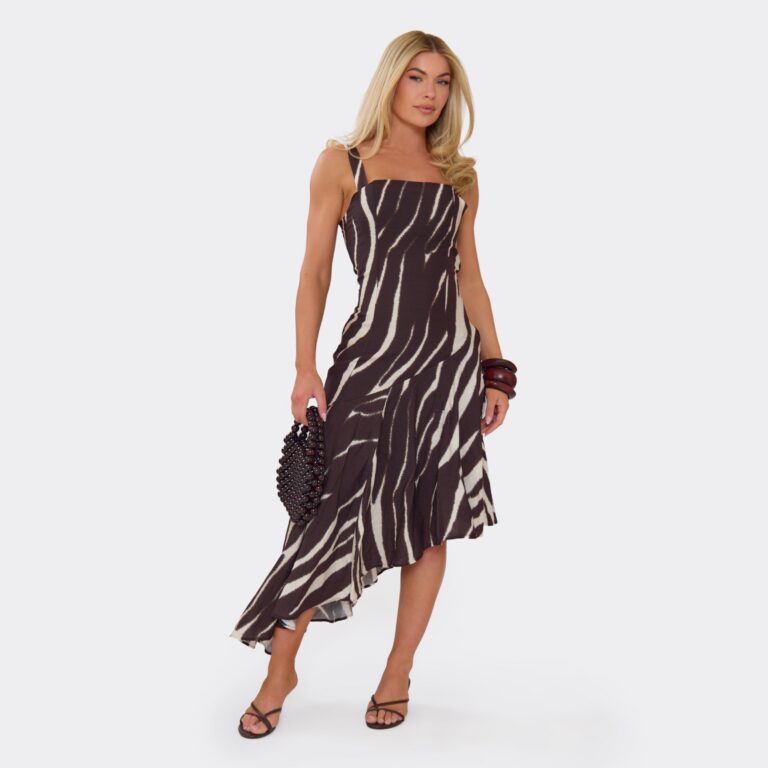
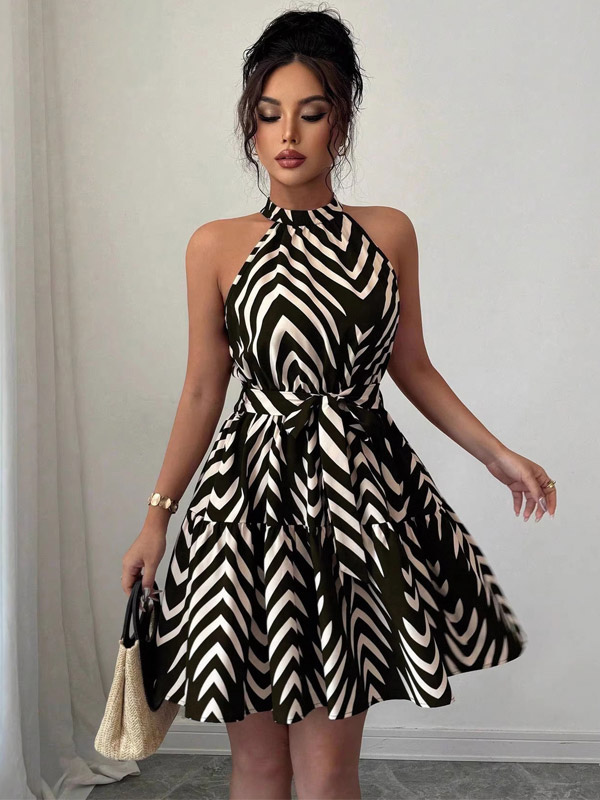 Tiered DressesZebra Print Tiered Dresses That Flatter Without Trying
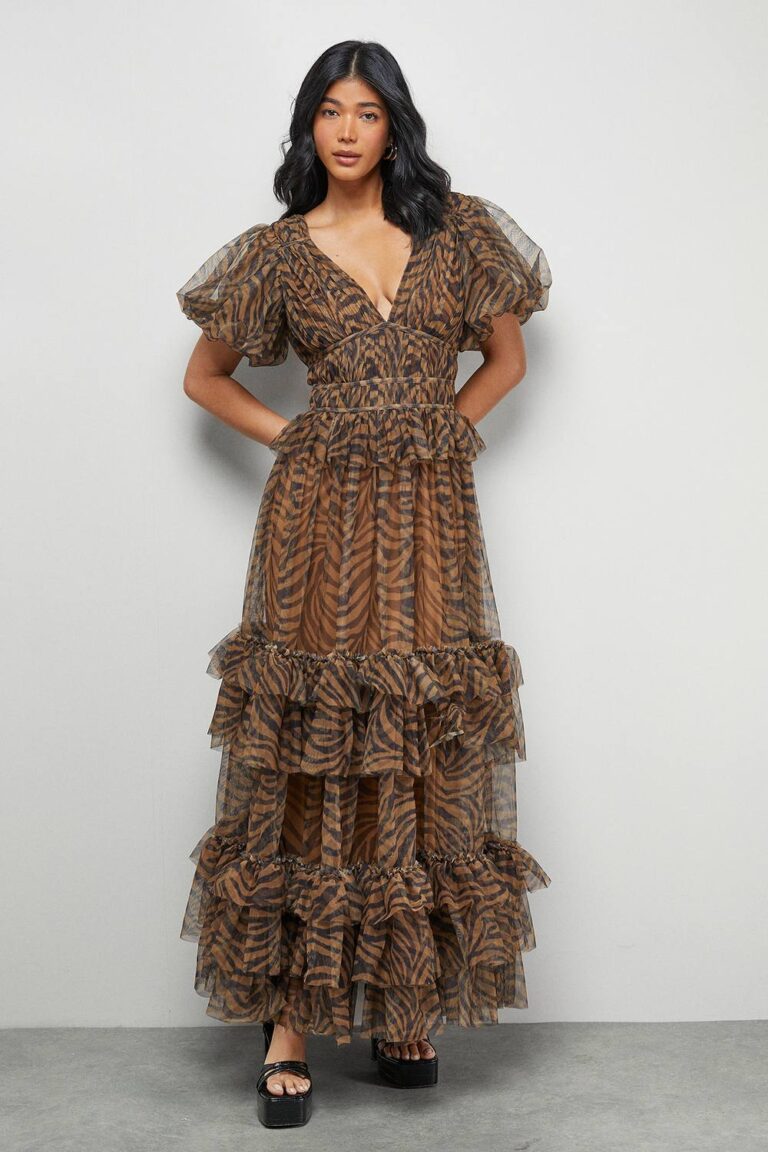
 Wrap DressesZebra Print Wrap Dresses We’d Buy Again
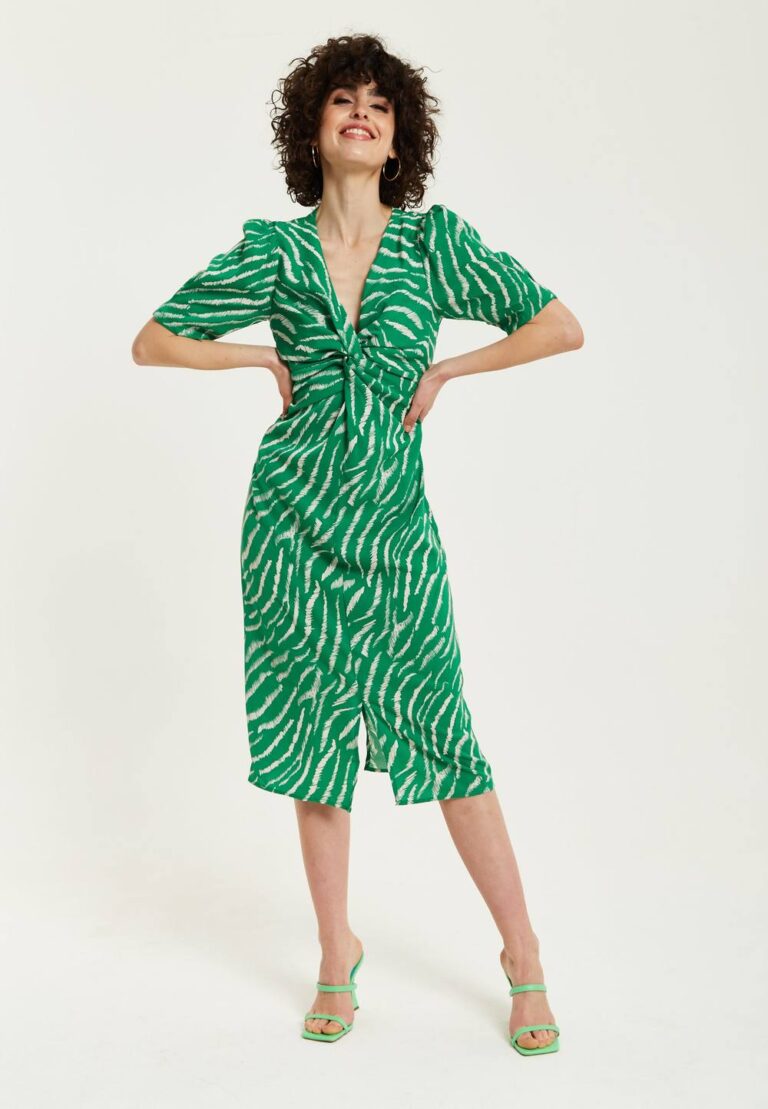
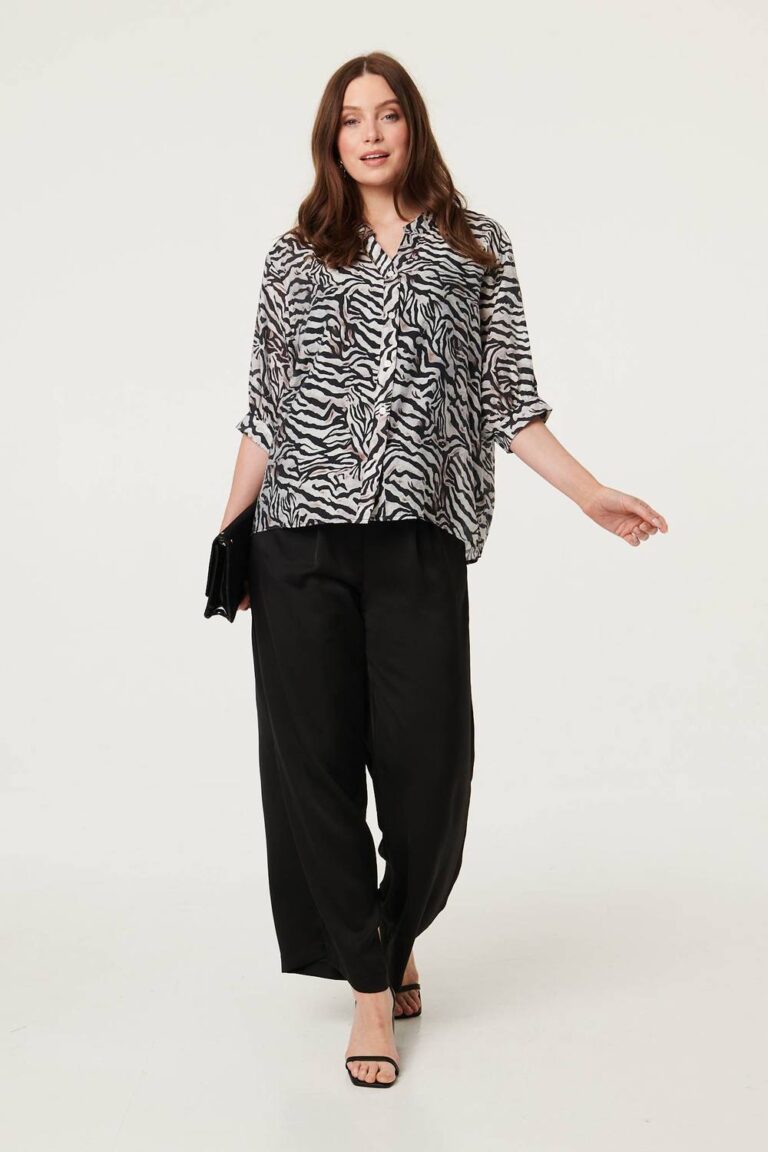 Denim DressesZebra Print Denim Dresses That Always Get Compliments
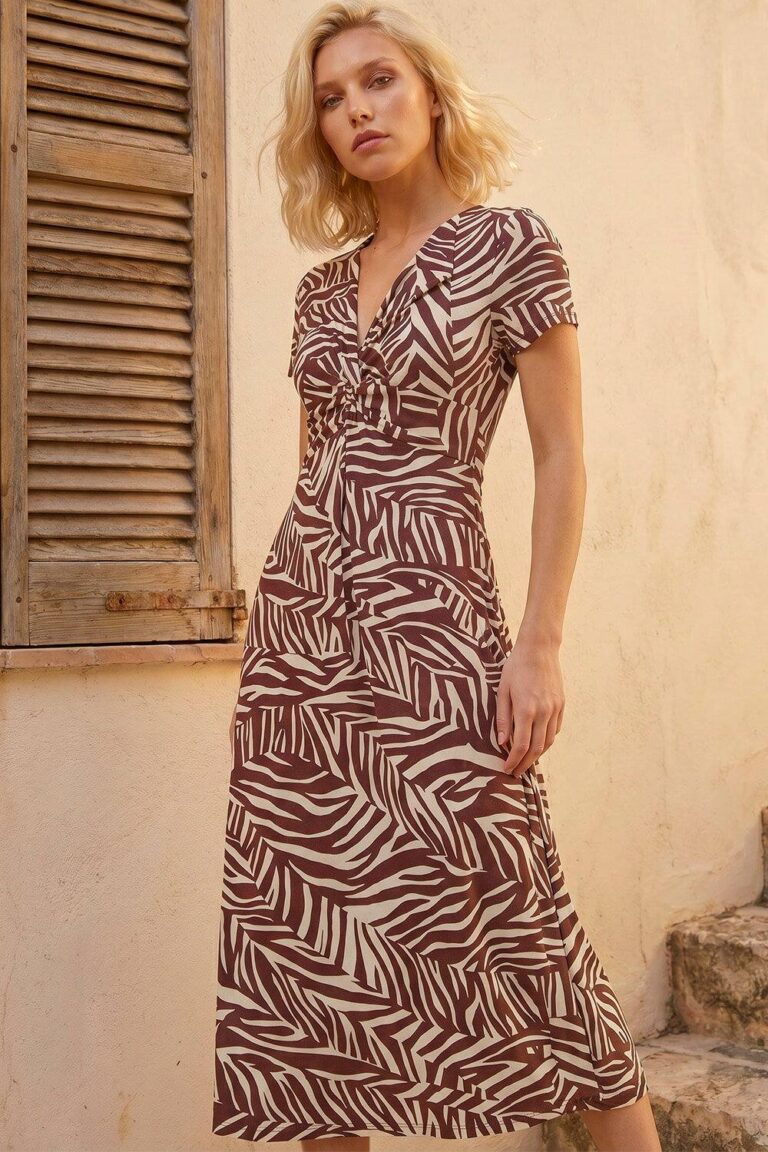
 Evening DressesHandpicked Zebra Print Evening Dresses We Keep Coming Back To
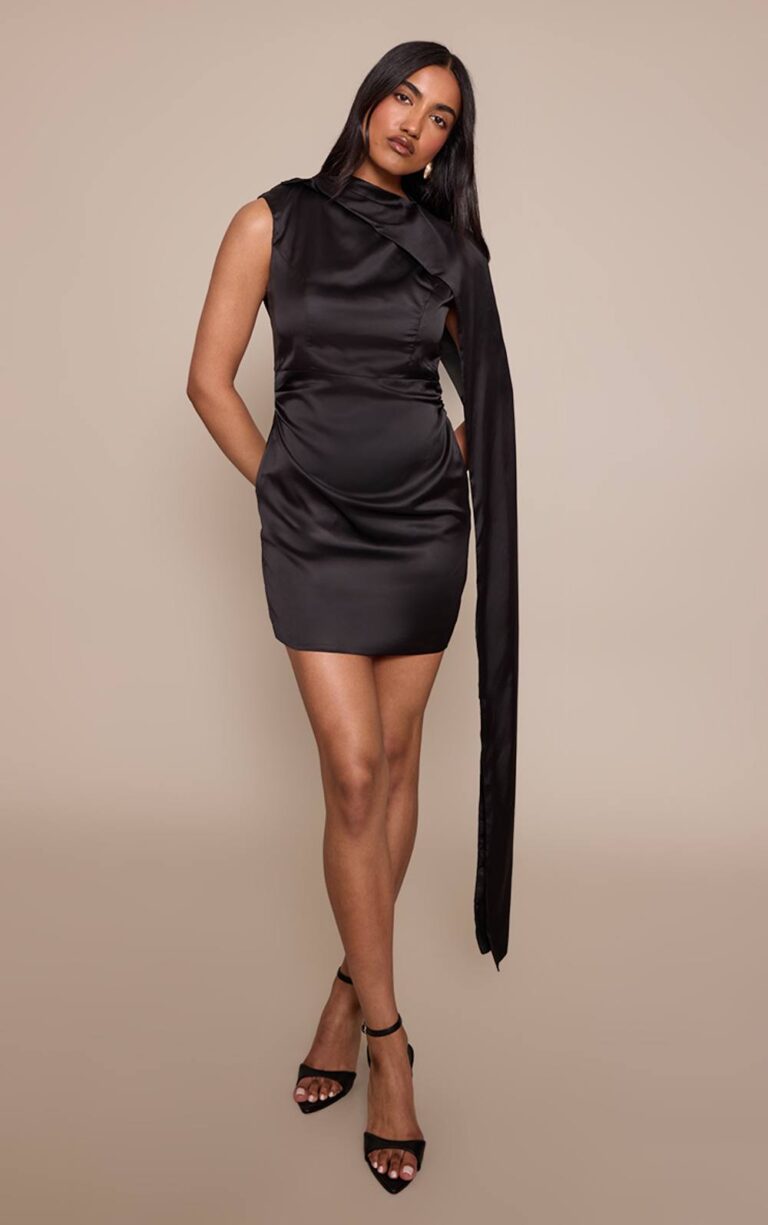
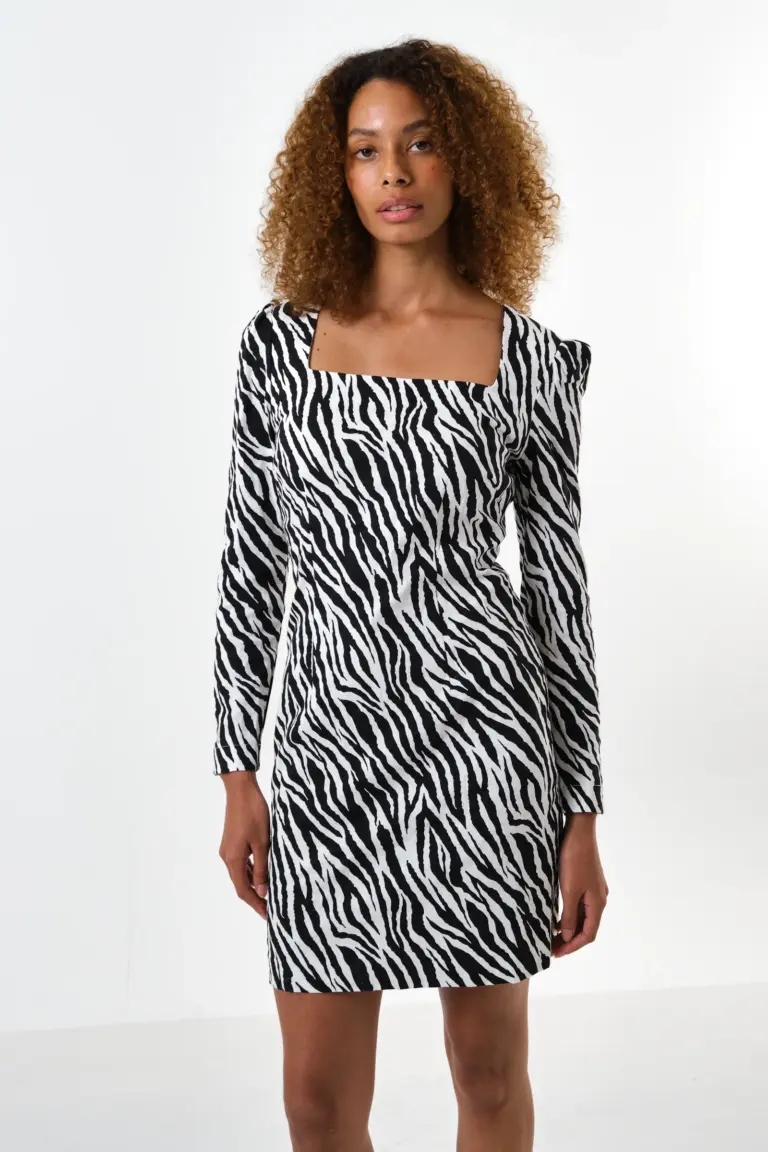 Long Sleeve DressesOur Shortlist of Zebra Print Long Sleeve Dresses
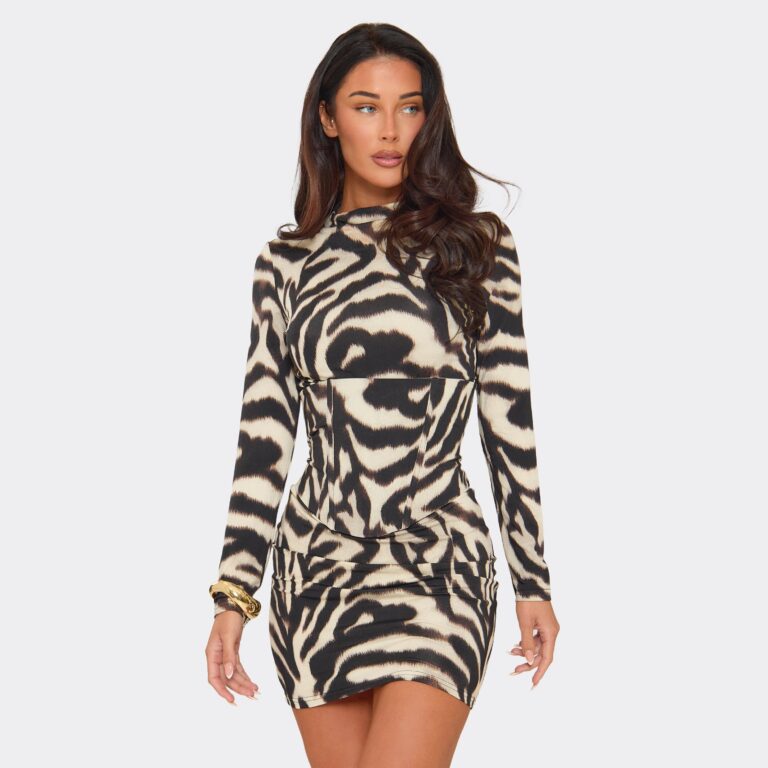
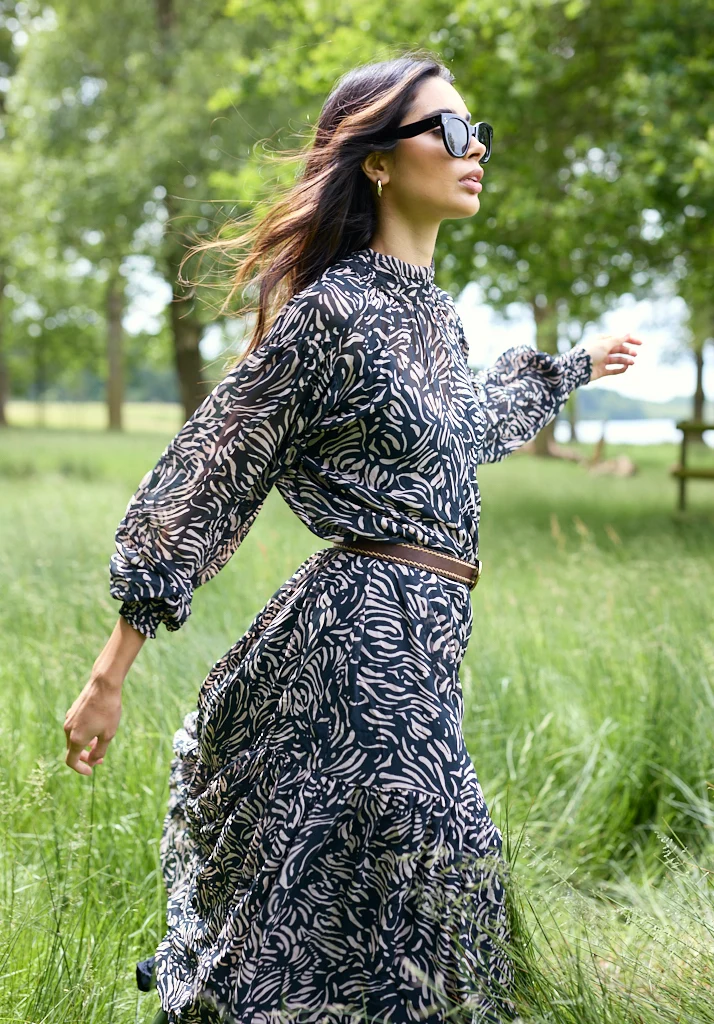 Maxi DressesThe Zebra Print Maxi Dresses Shortlist
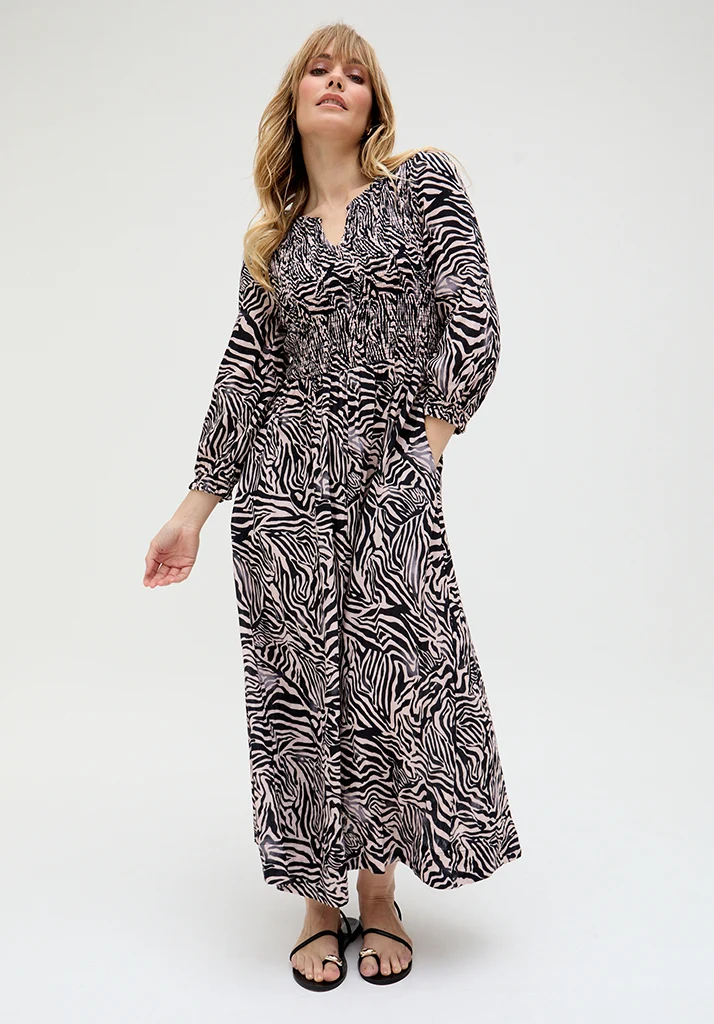
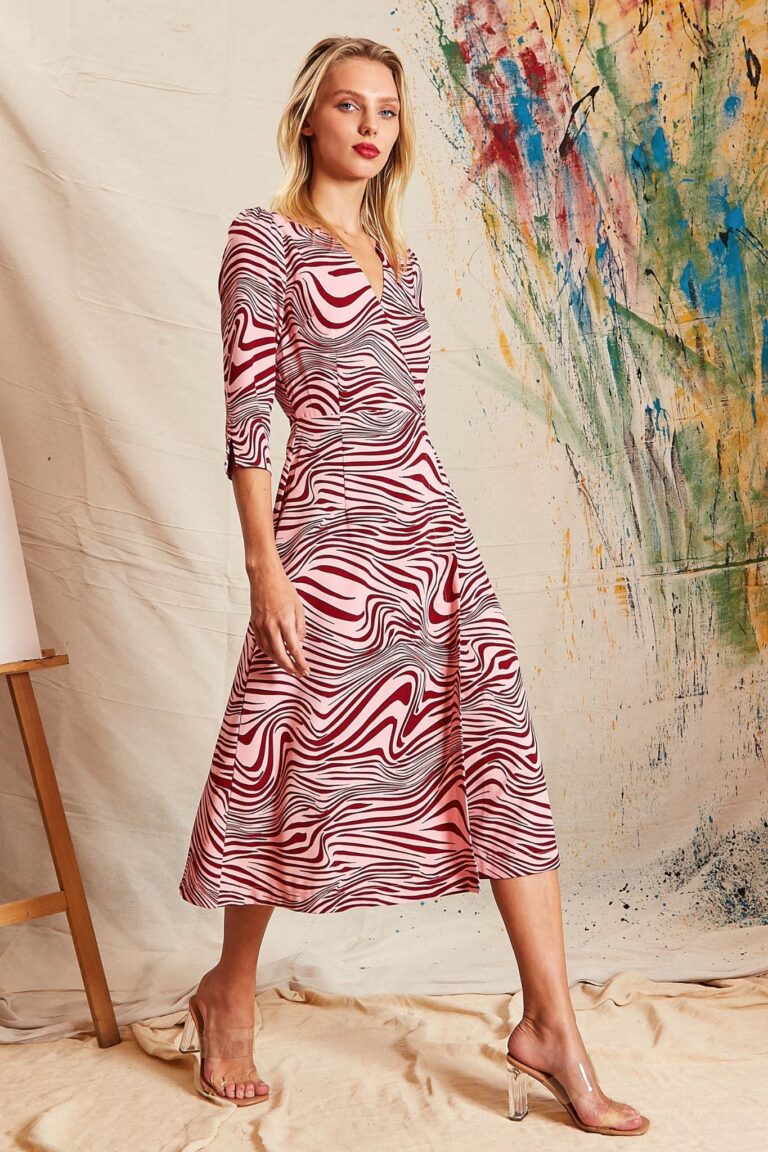 Midi DressesZebra Print Midi Dresses Worth a Closer LookAlso worth a lookMidi DressesI used to think midi dresses were what you wore when you'd given up on deciding whether to…See the collections →
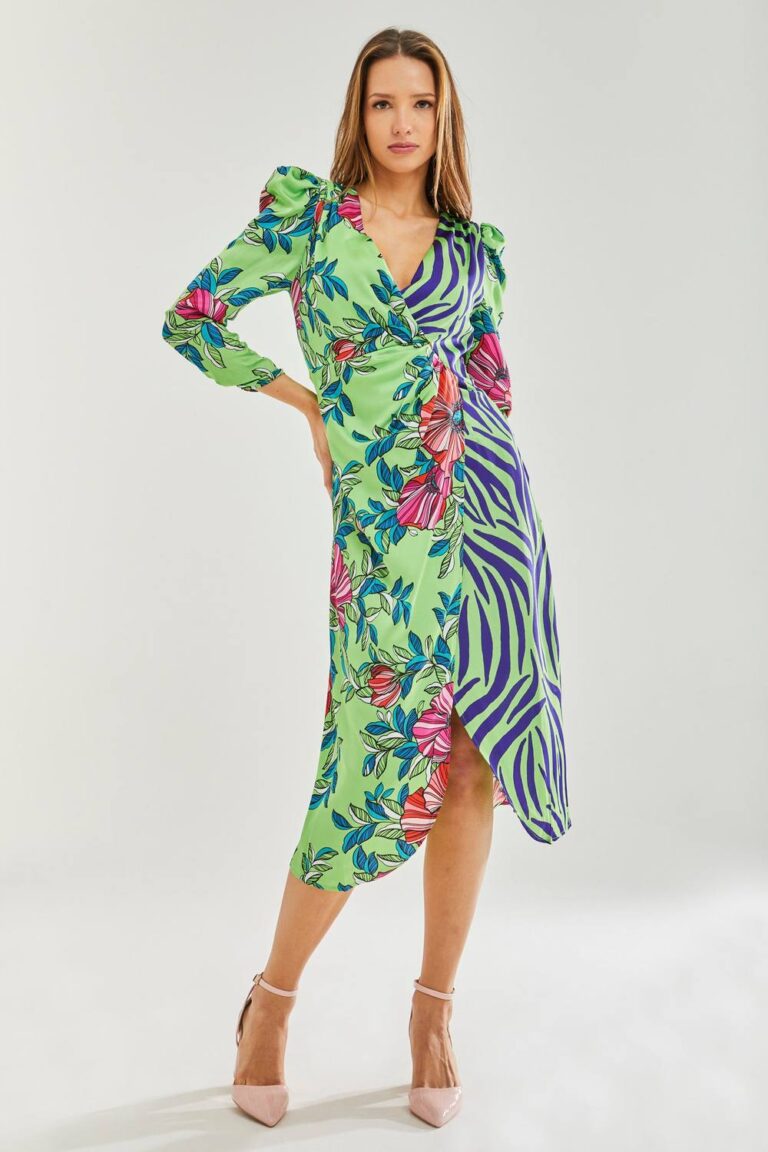
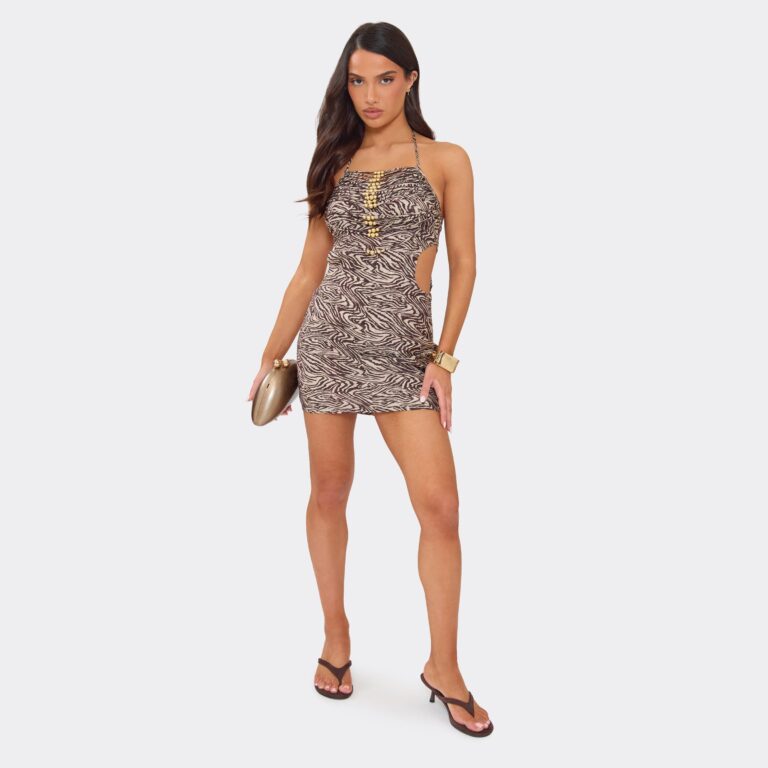 Mini DressesWhere to Find the Best Zebra Print Mini Dresses
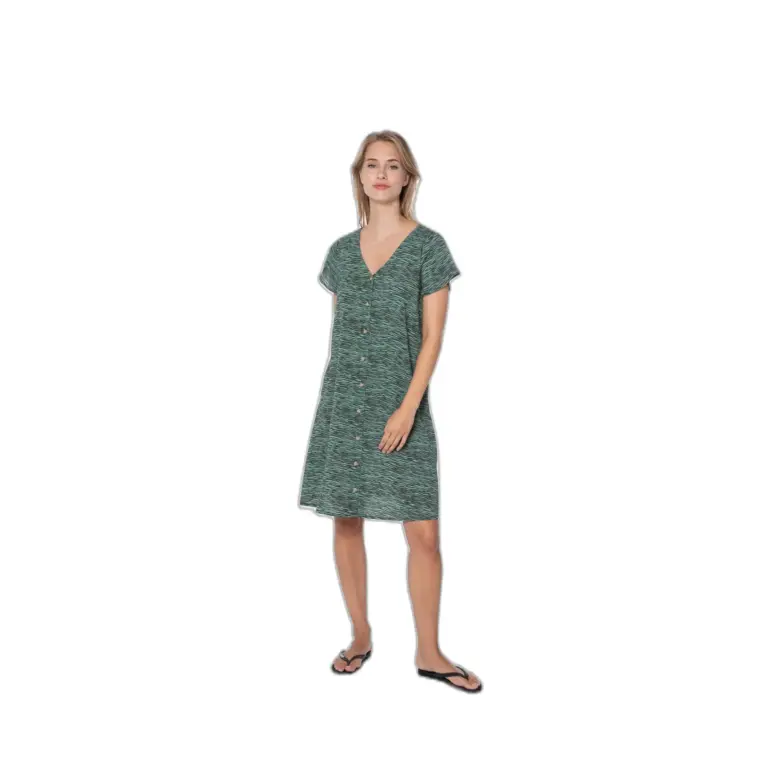
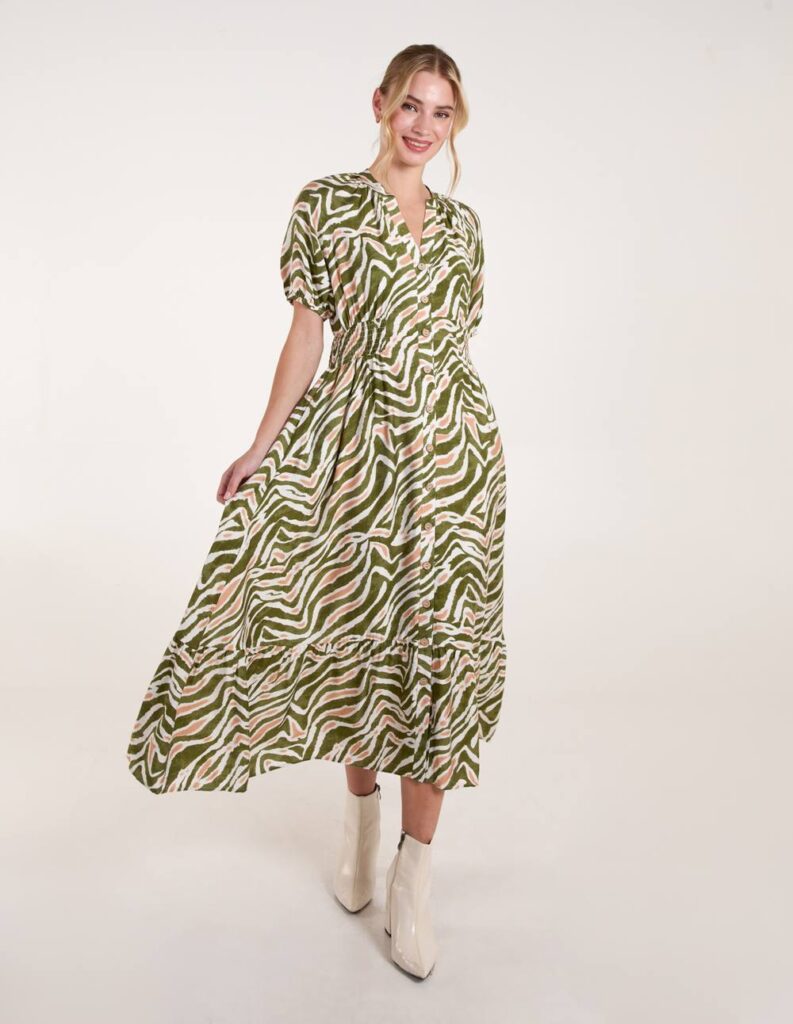 Puff Sleeve DressesZebra Print Puff Sleeve Dresses That Make Getting Dressed Easy
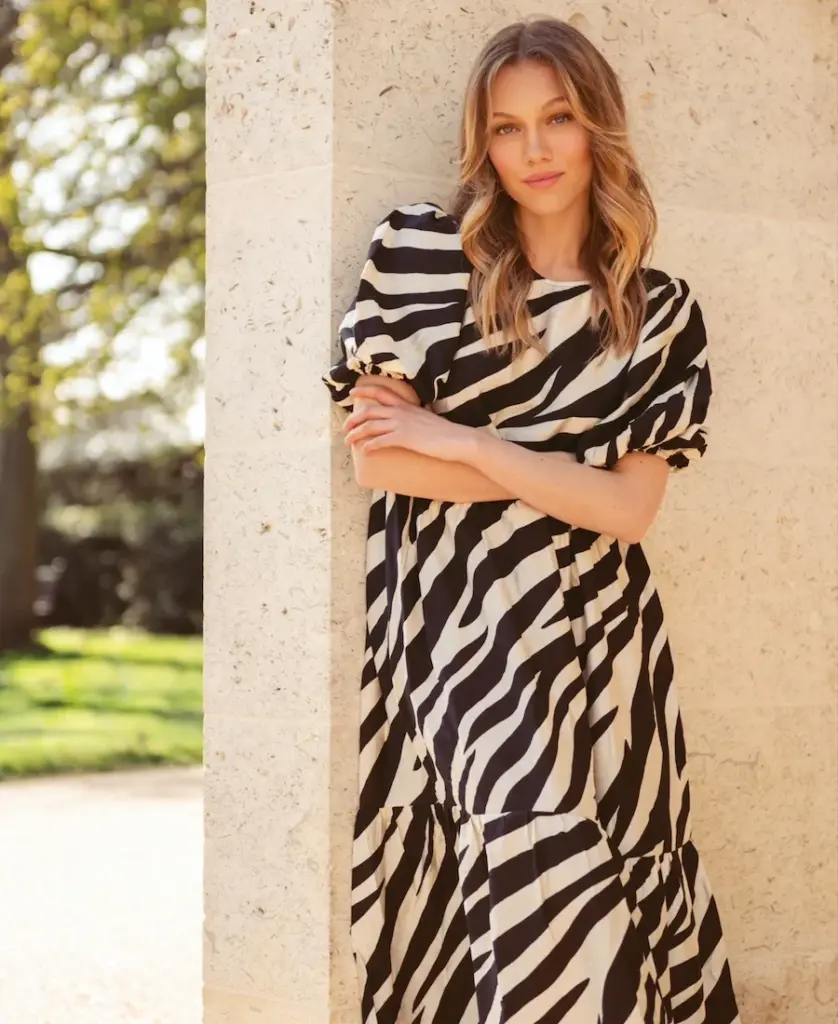
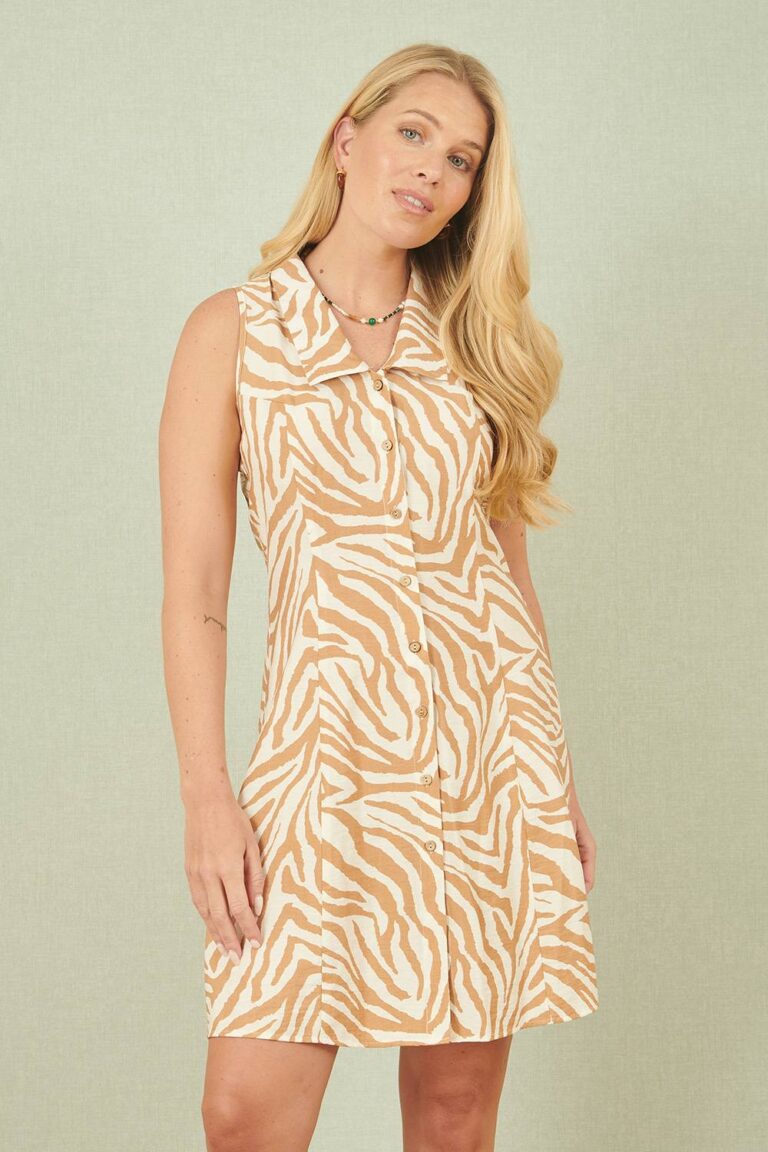 Shirt DressesZebra Print Shirt Dresses on Our Radar
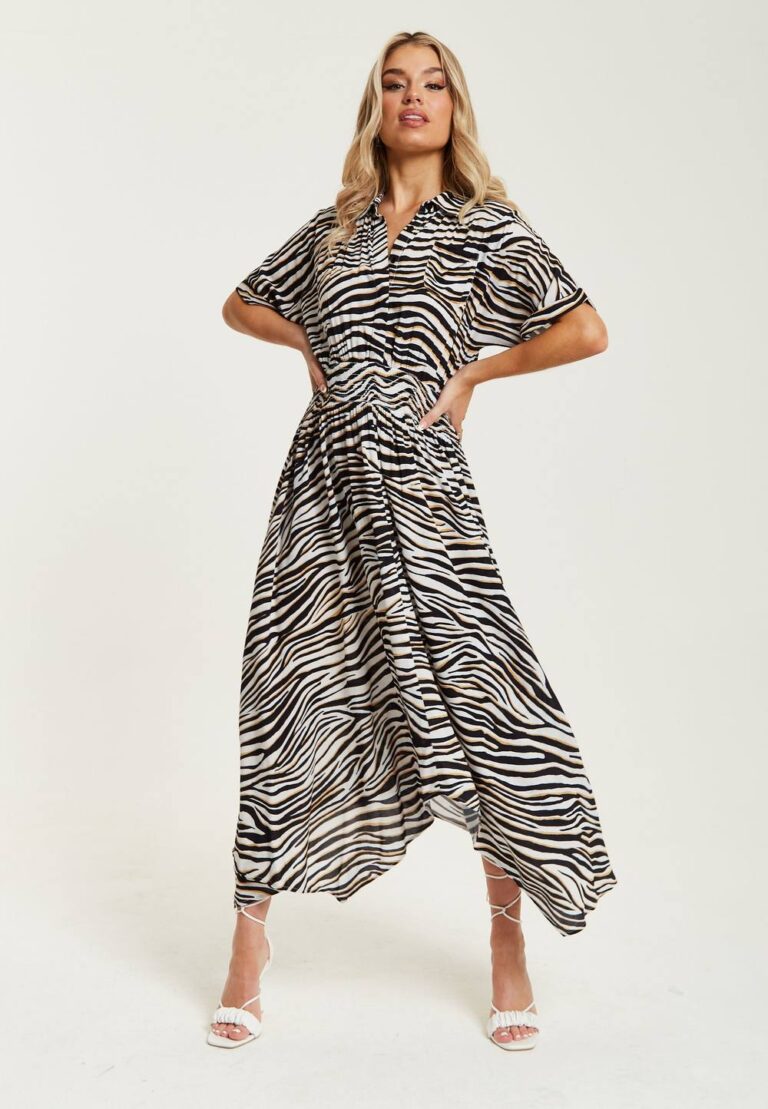
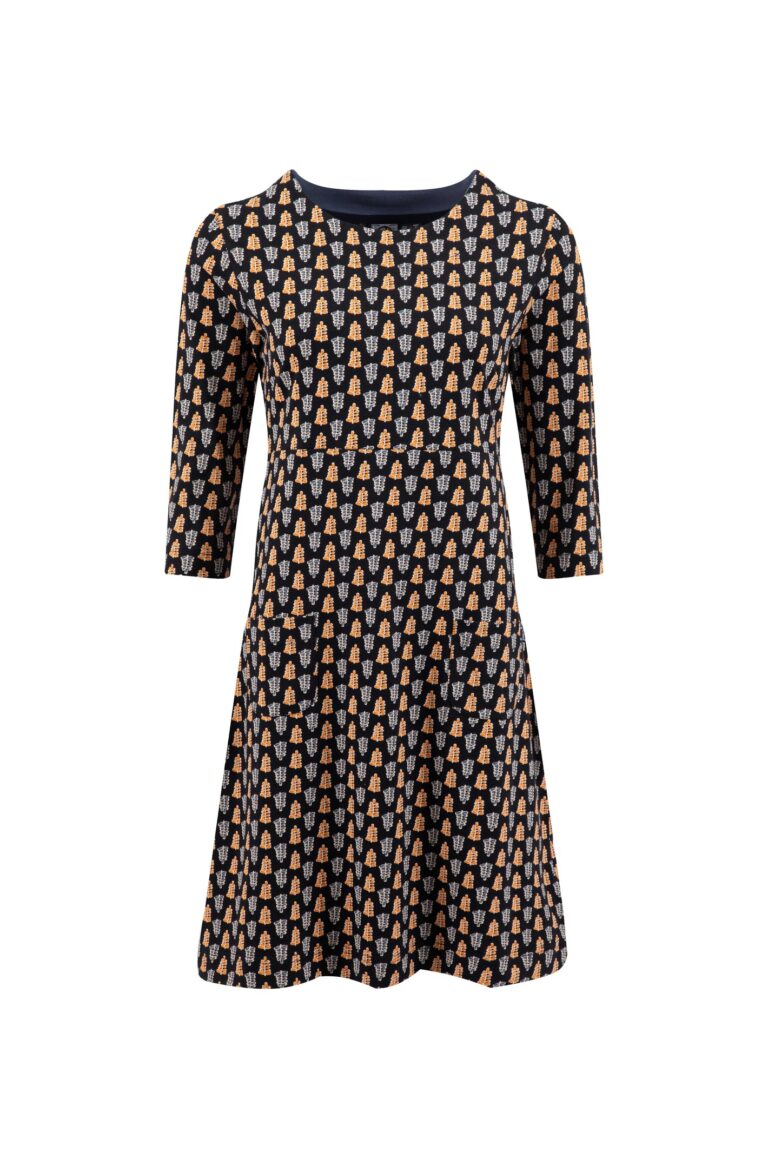 Yellow DressesThe Only Yellow Printed Jersey Dresses You Need to See

 Yellow DressesYellow Printed Maxi Dresses for Every Occasion on Your Calendar
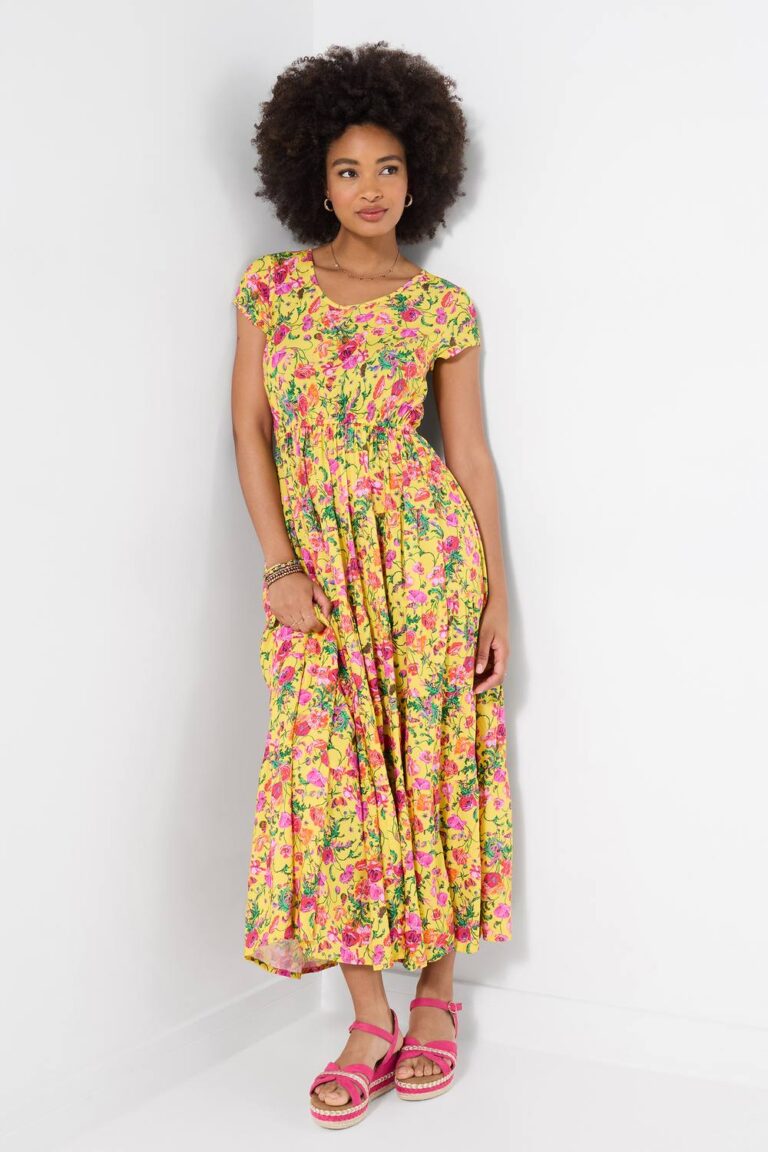
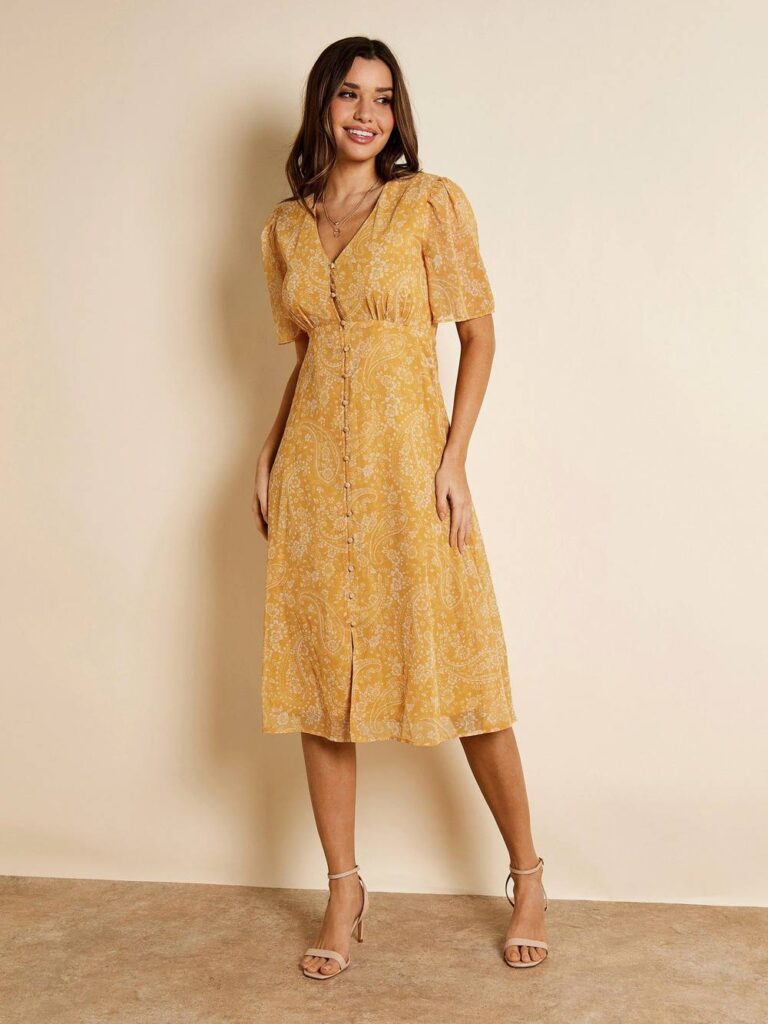 Yellow DressesYellow Printed Midi Dresses You’ll Reach for First
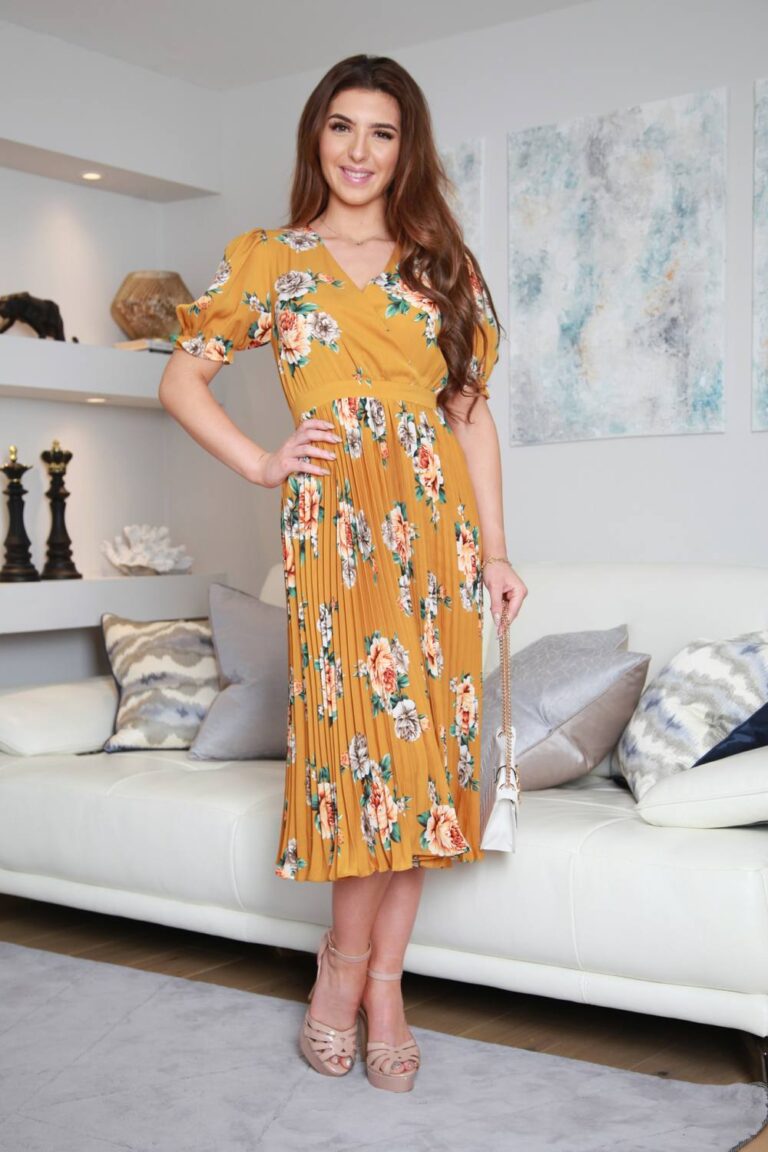
 Yellow DressesYellow Printed Mini Dresses That Make Getting Dressed Easy
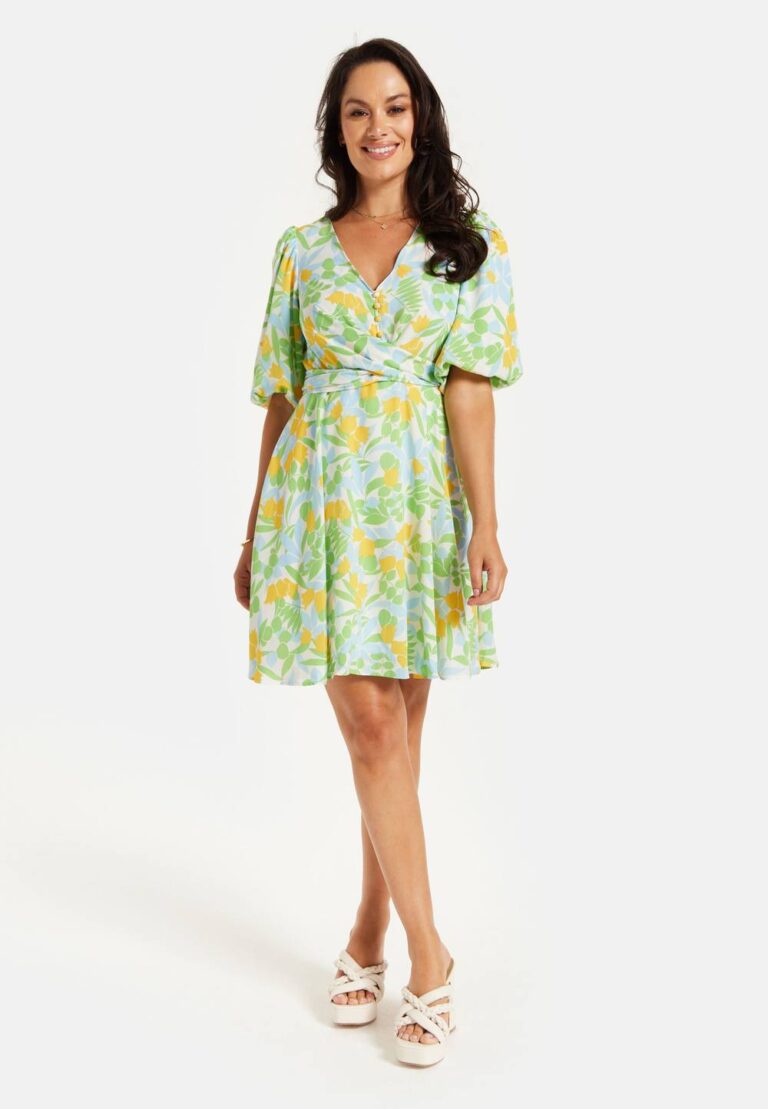
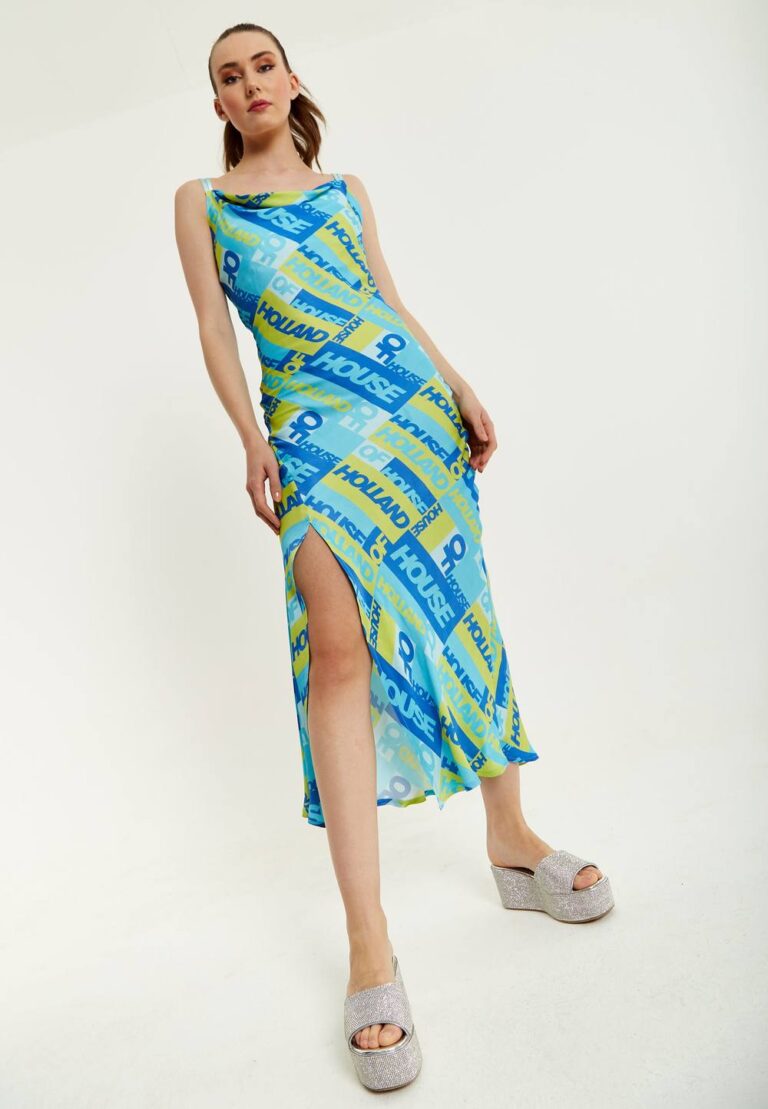 Yellow DressesYellow Printed Summer Dresses With Real Wardrobe Staying Power
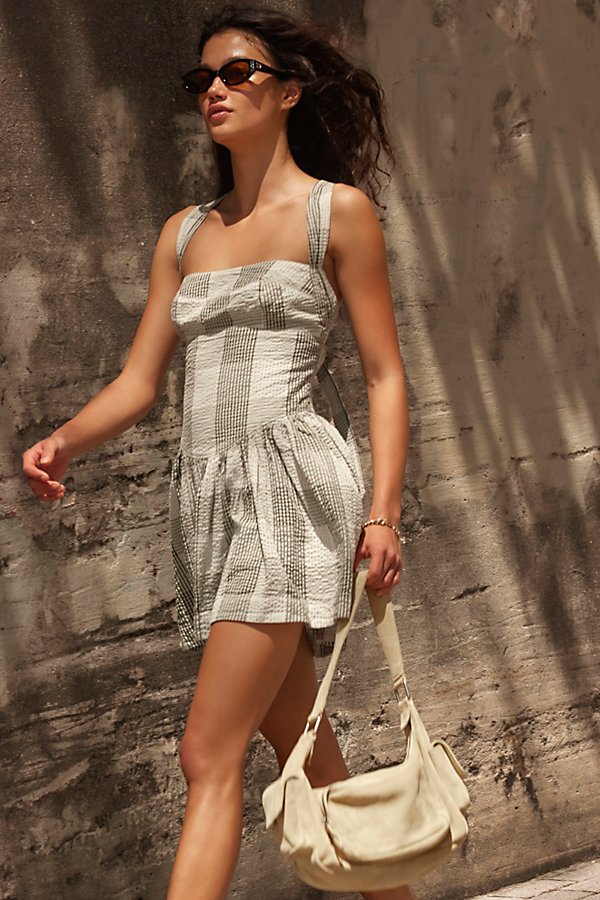 White DressesWhite Printed Mini Dresses We Love Right NowAlso worth a lookMaxi DressesA maxi dress is only as good as its hem, because that is the part that catches wind,…See the collections →
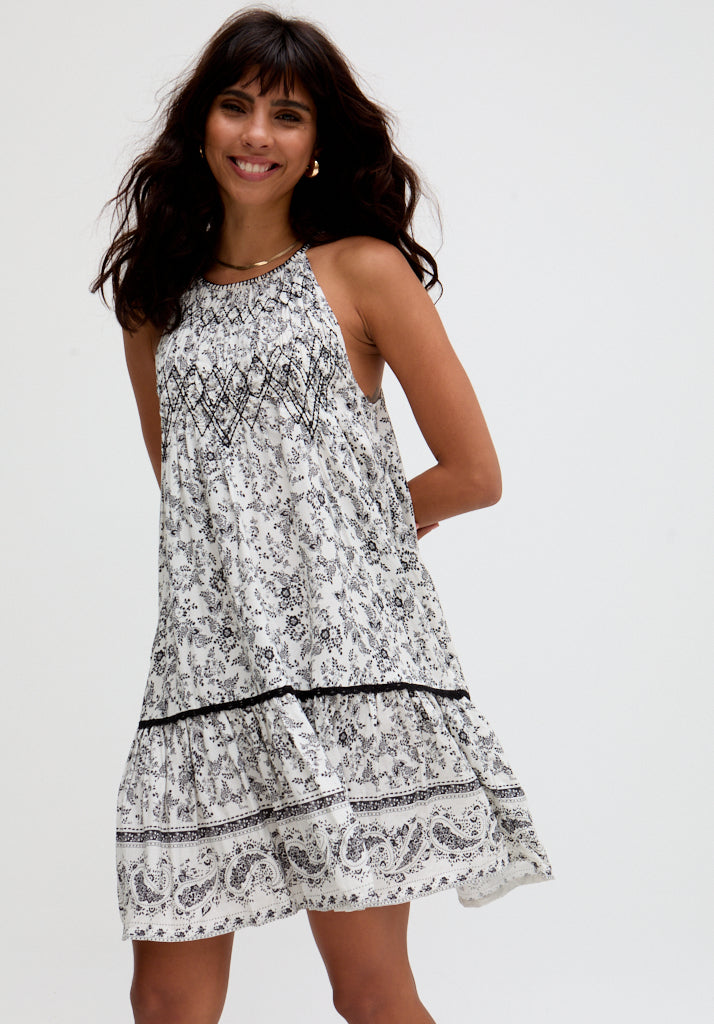
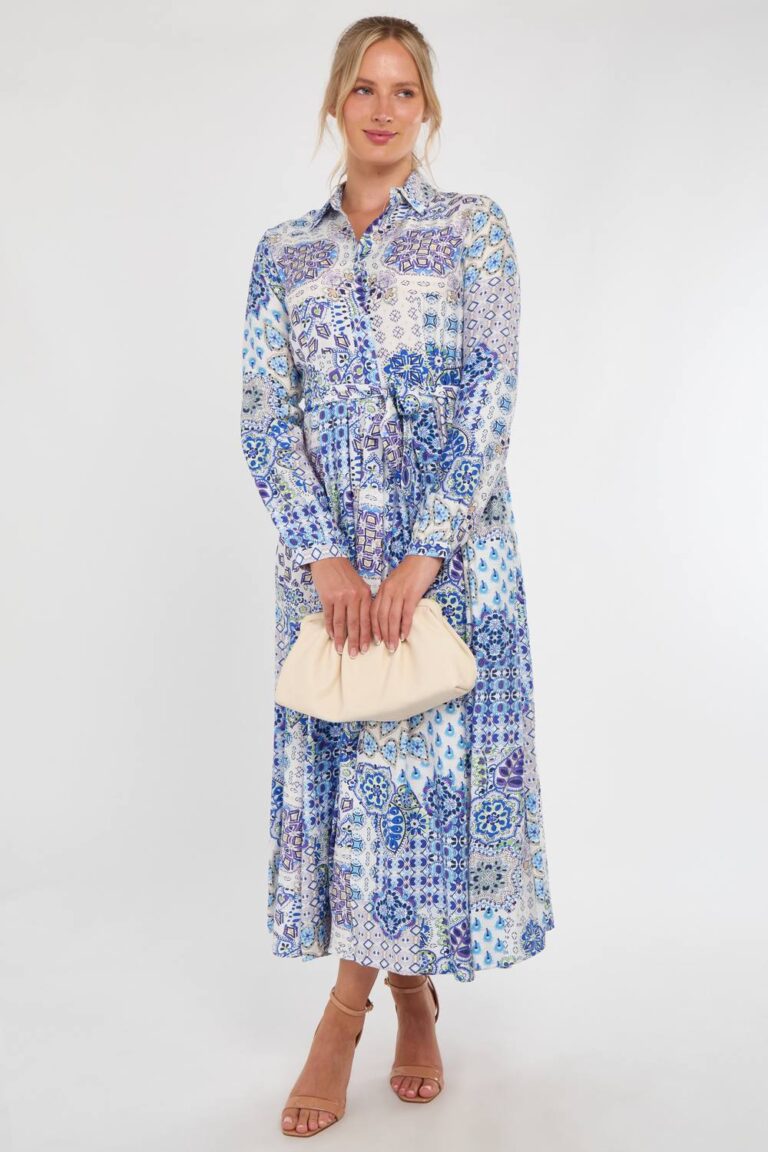 Shirt DressesHandpicked White Printed Shirt Dresses We Keep Coming Back To
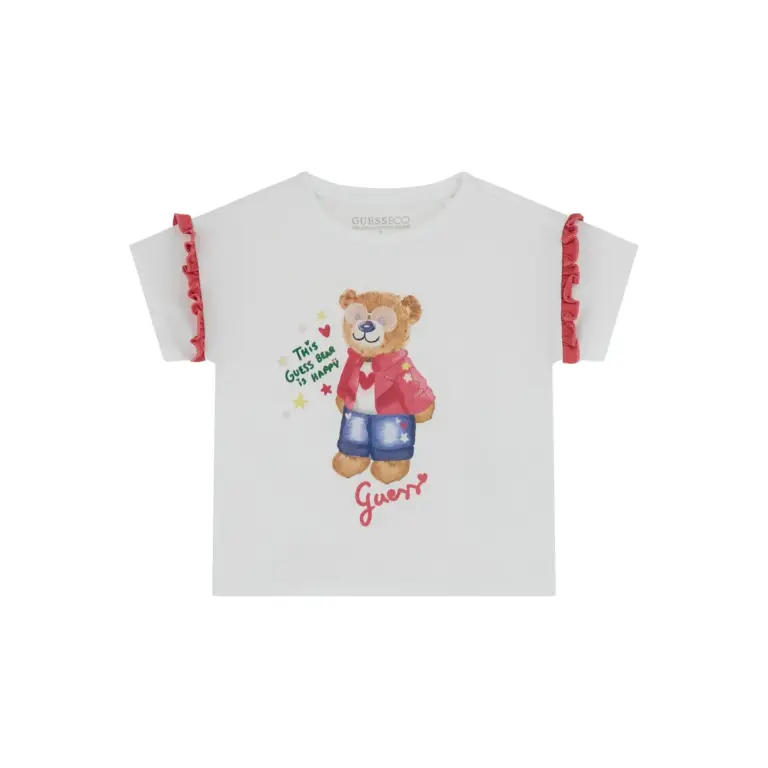
 Tiered DressesOur Shortlist of White Printed Tiered Dresses
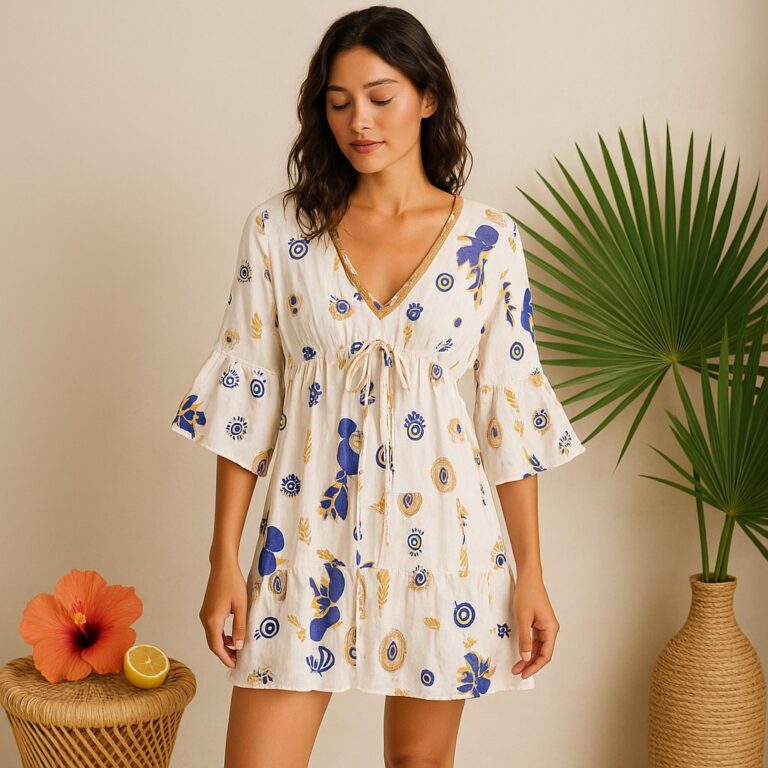
 White DressesWhite Printed Jersey Dresses on Our Radar
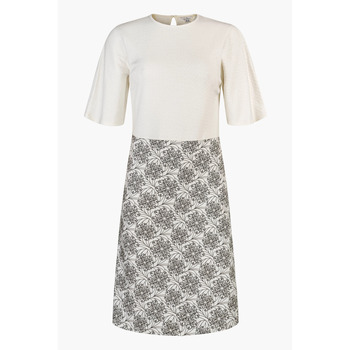
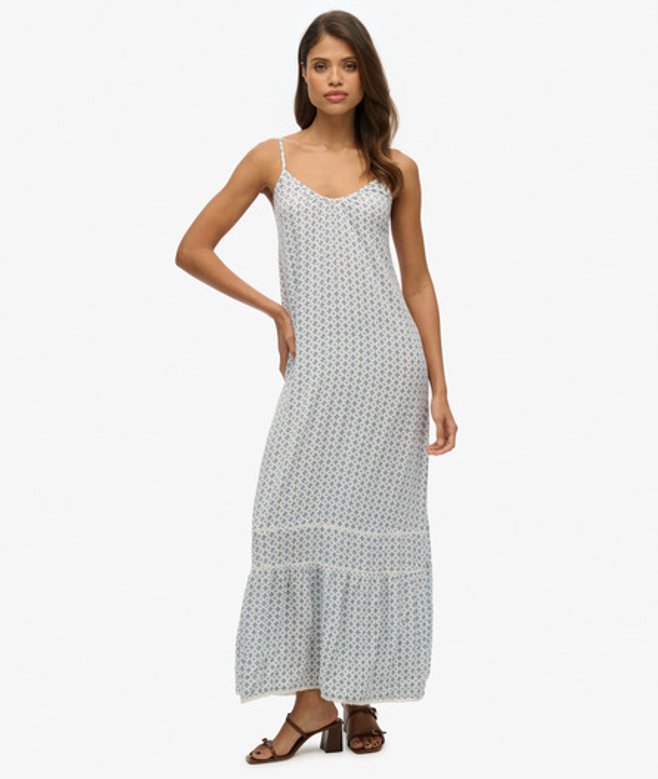 White DressesOur Shortlist of White Printed Lace Dresses

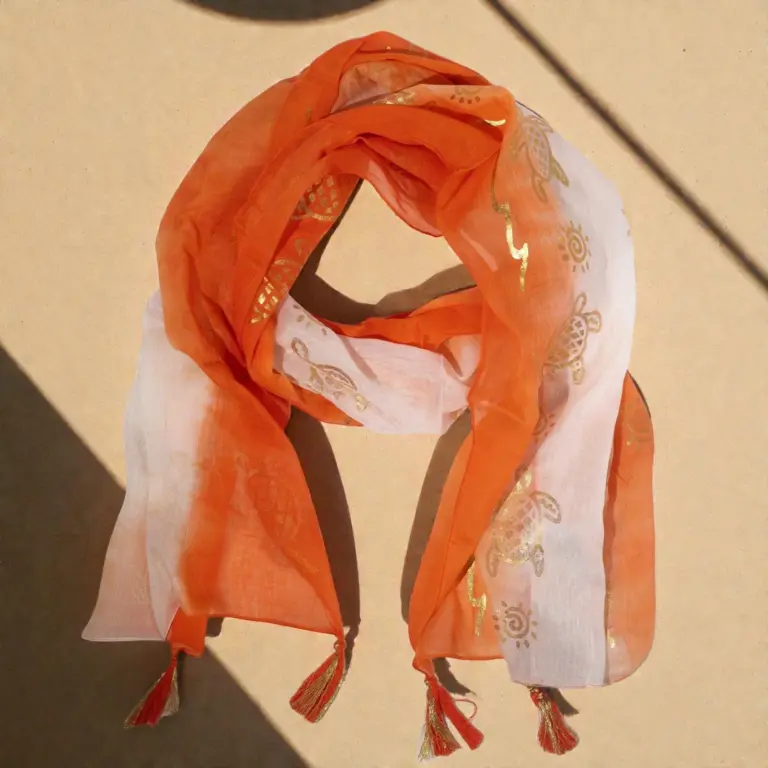 Linen DressesWhite Printed Linen Dresses We Can’t Stop Looking At
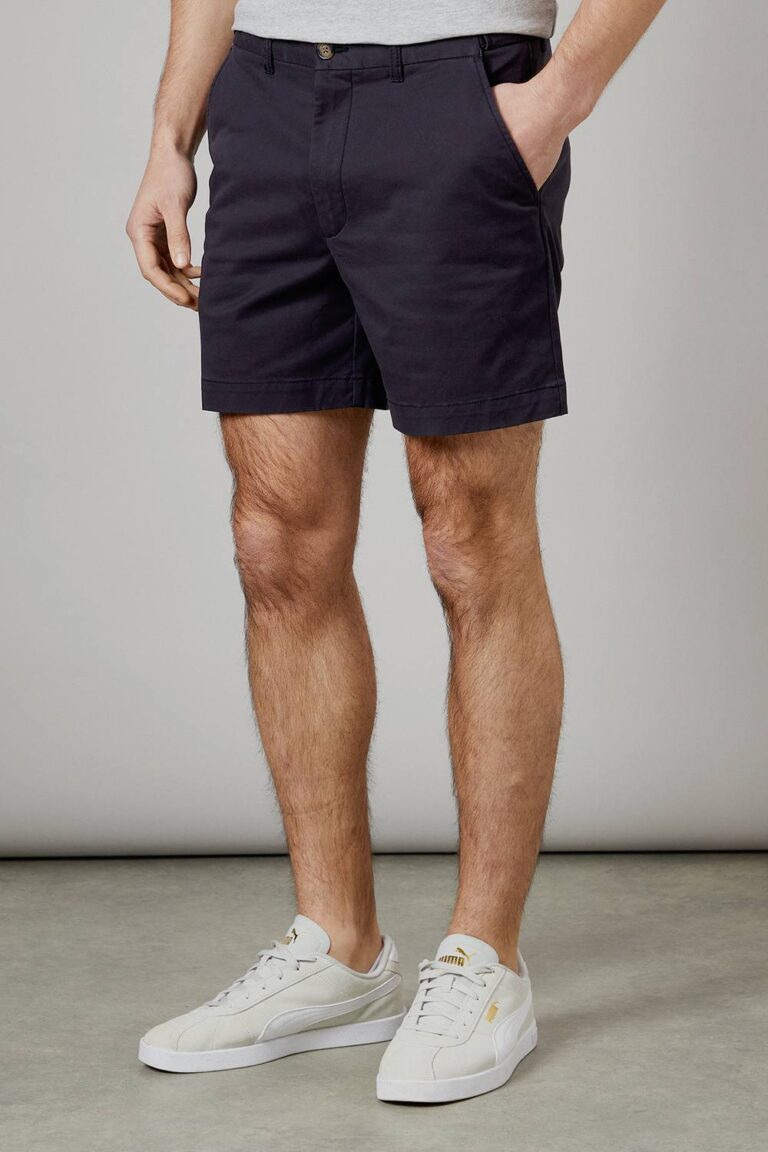
 White DressesThe Best Looking White Printed Maxi Dresses Out There
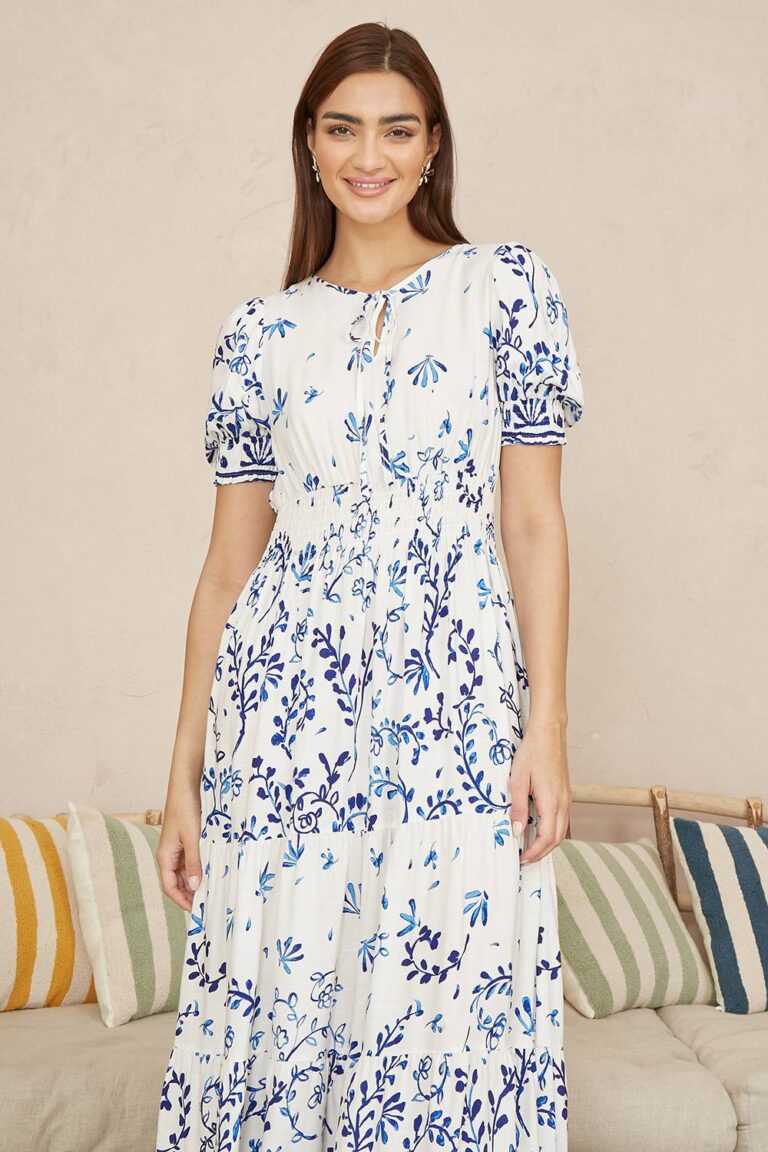
 White DressesA Closer Look at the Best White Printed Midi Dresses
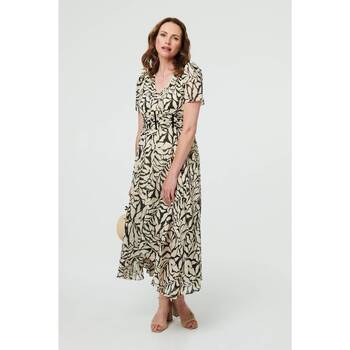
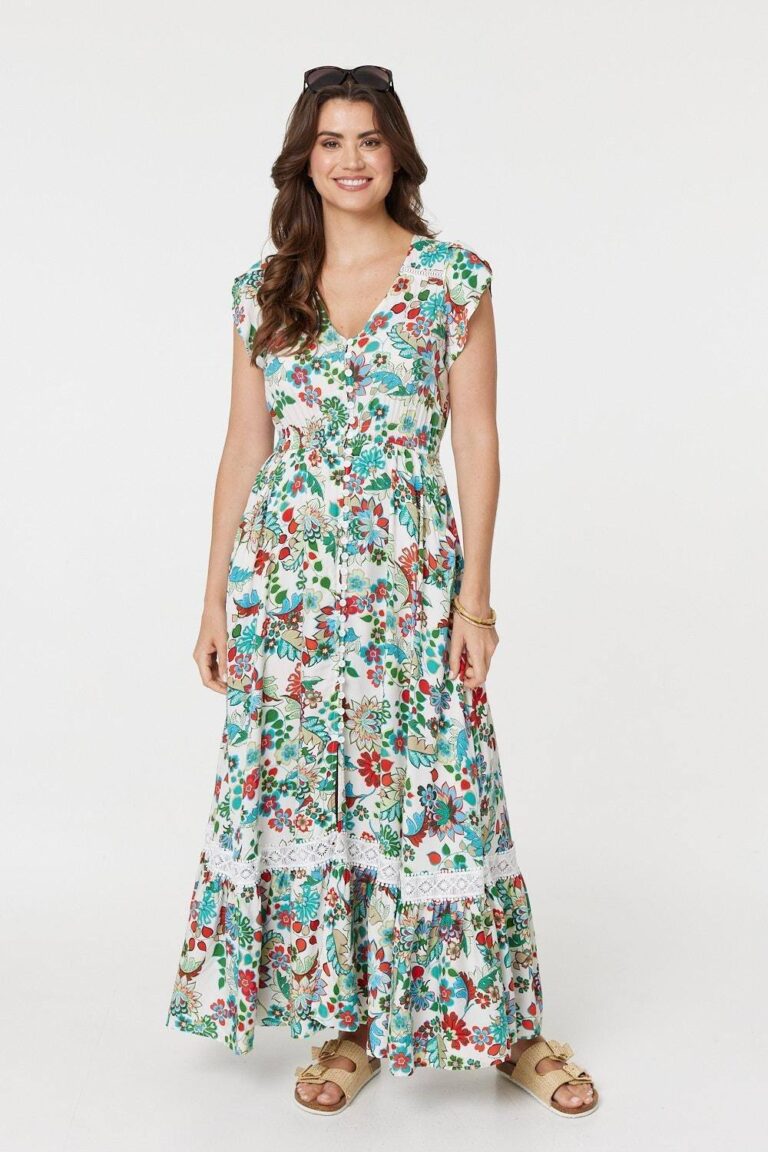 White DressesWhite Printed A Line Dresses: Picks We Stand By
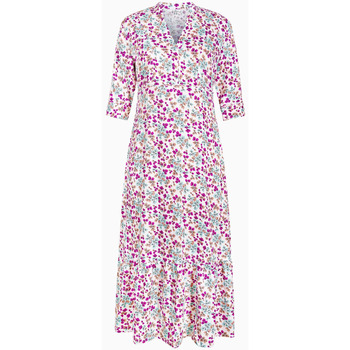
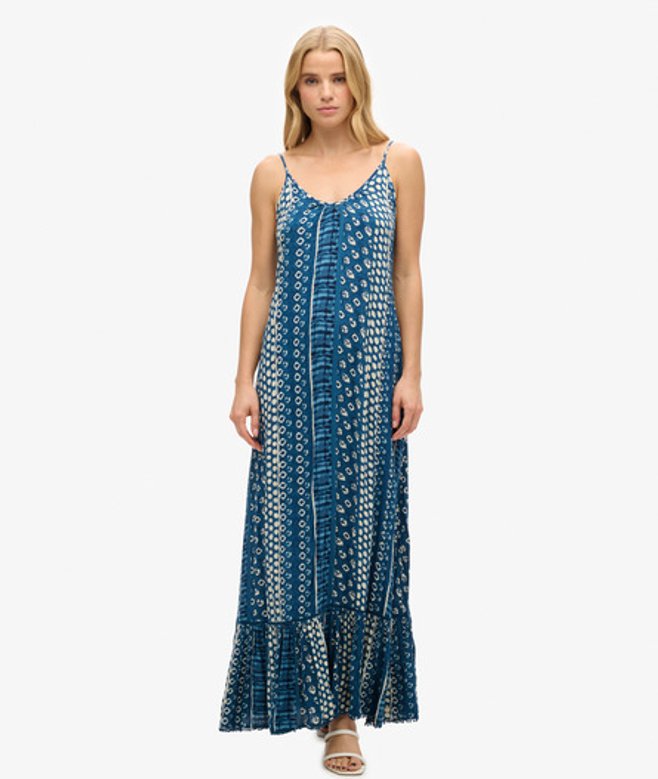 Beach DressesWhite Printed Beach Dresses for Sunny Days AheadAlso worth a lookMini DressesThe thing nobody mentions about a mini dress is what happens to the hem after the third wash and the fifth wear.See the collections →
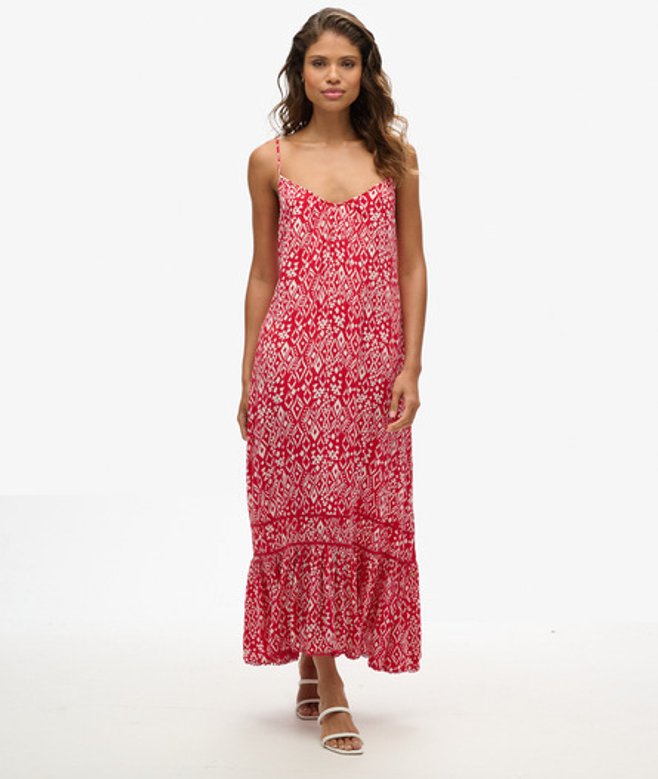
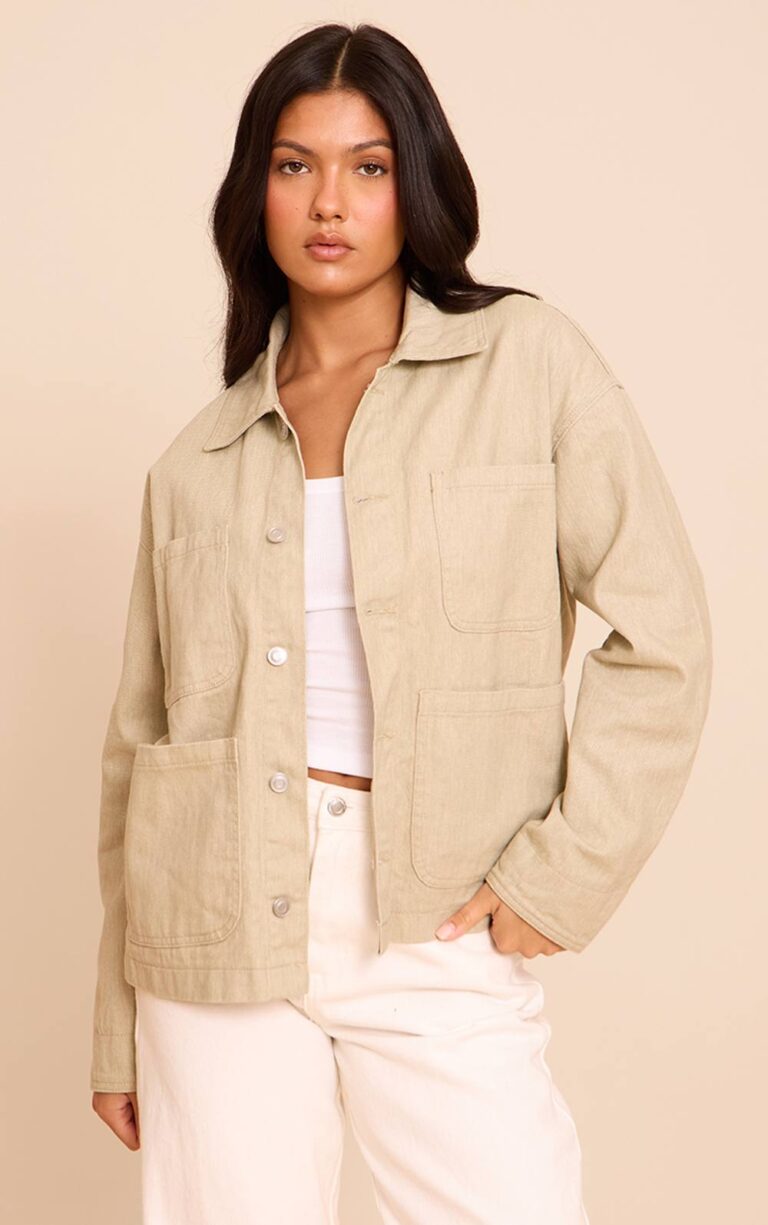 White DressesWhite Printed Denim Dresses We’ve Been Saving

 White DressesWhite Printed Evening Dresses That Make Getting Dressed Easy
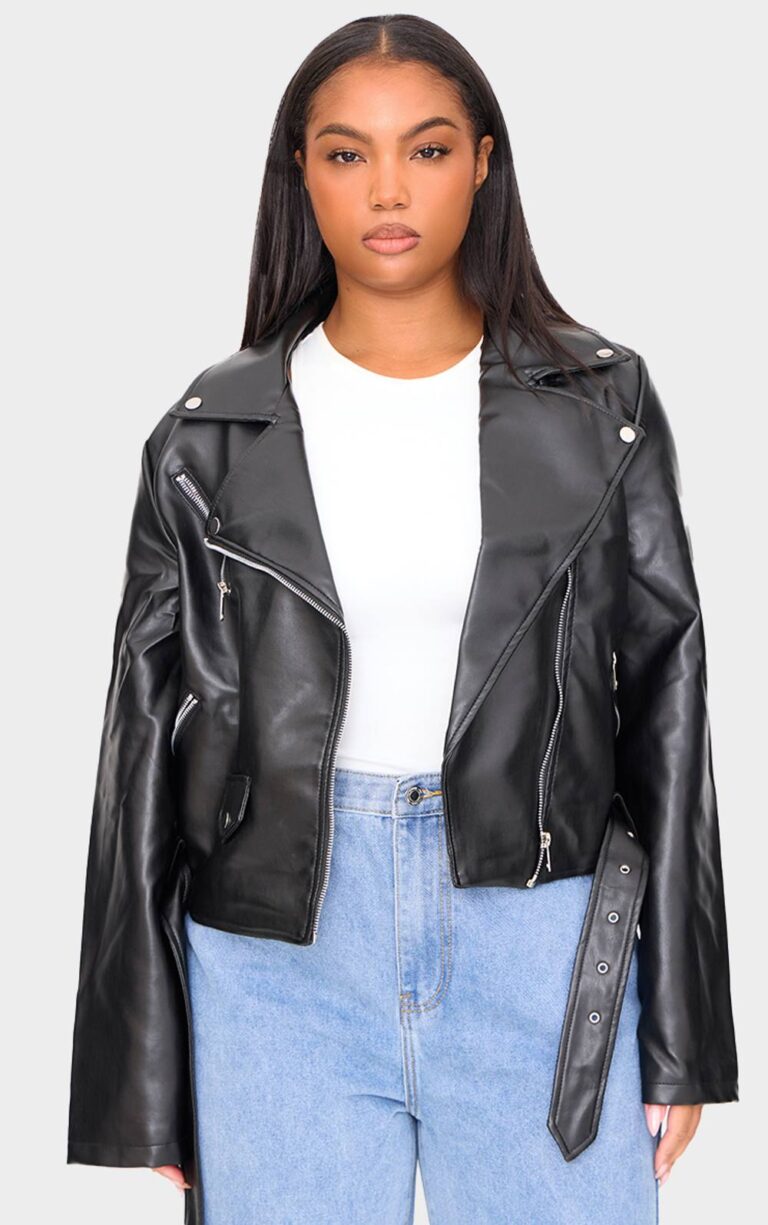
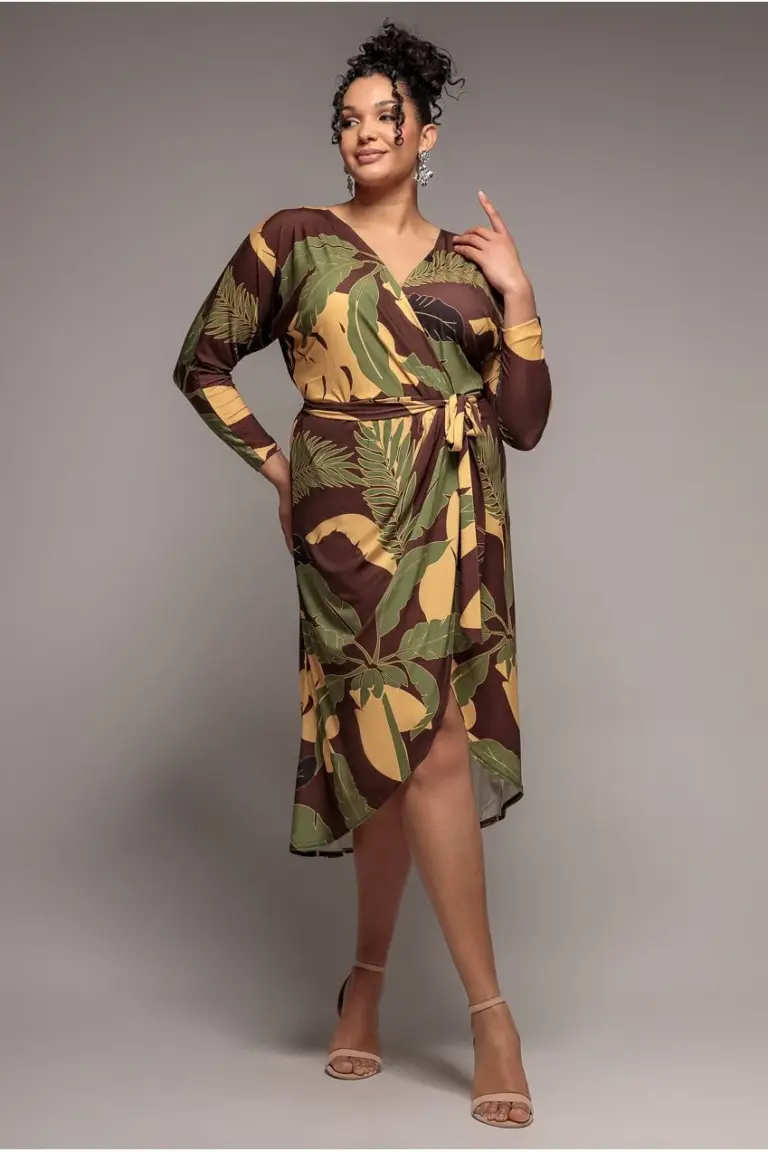 Party DressesTropical Print Party Dresses: The Ones Worth Your Money
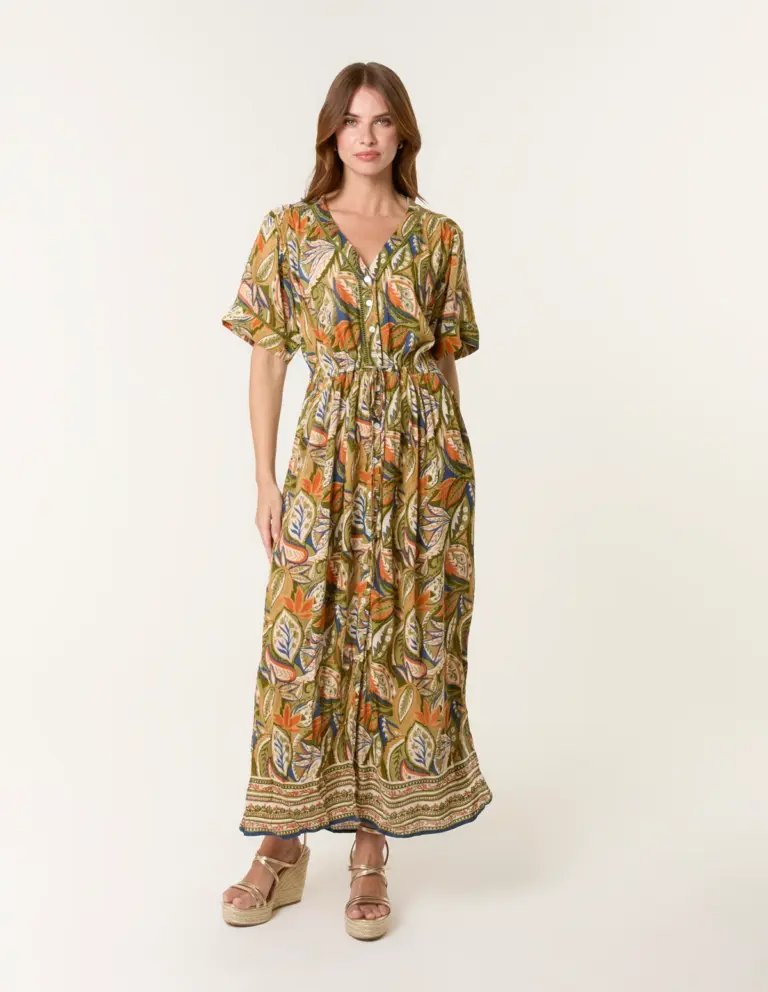
 Shift DressesOur Favourite Tropical Print Shift Dresses
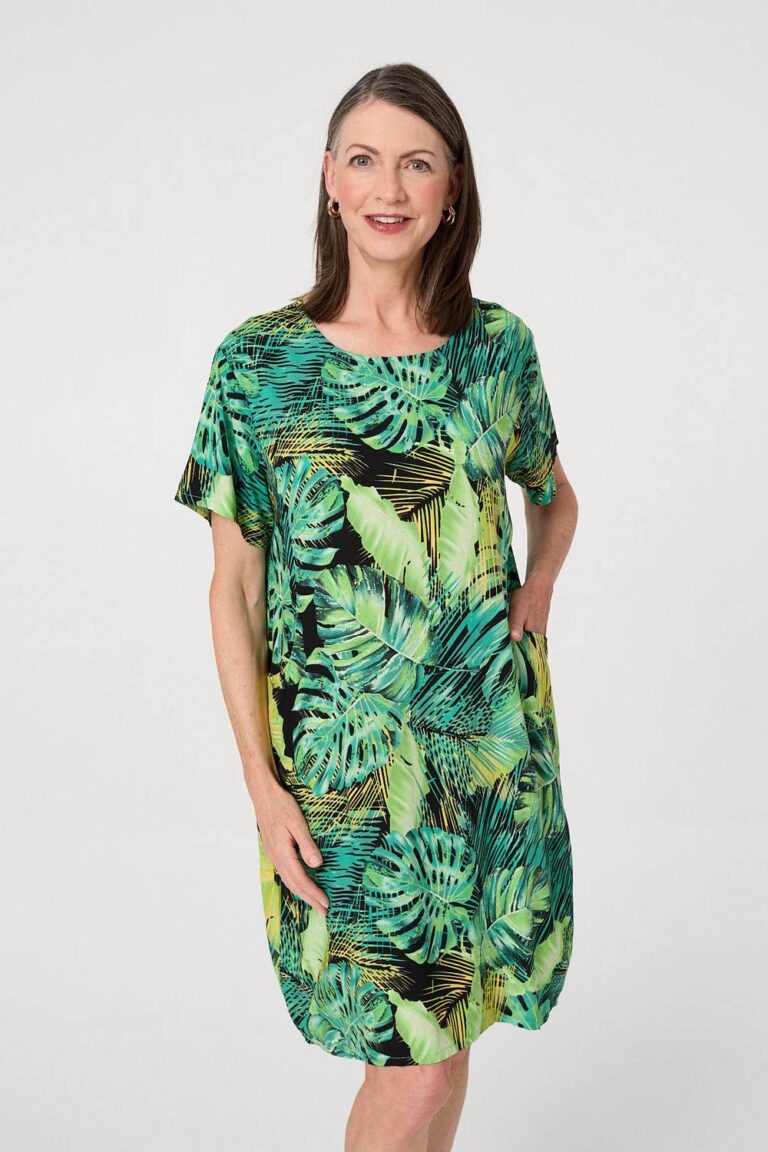
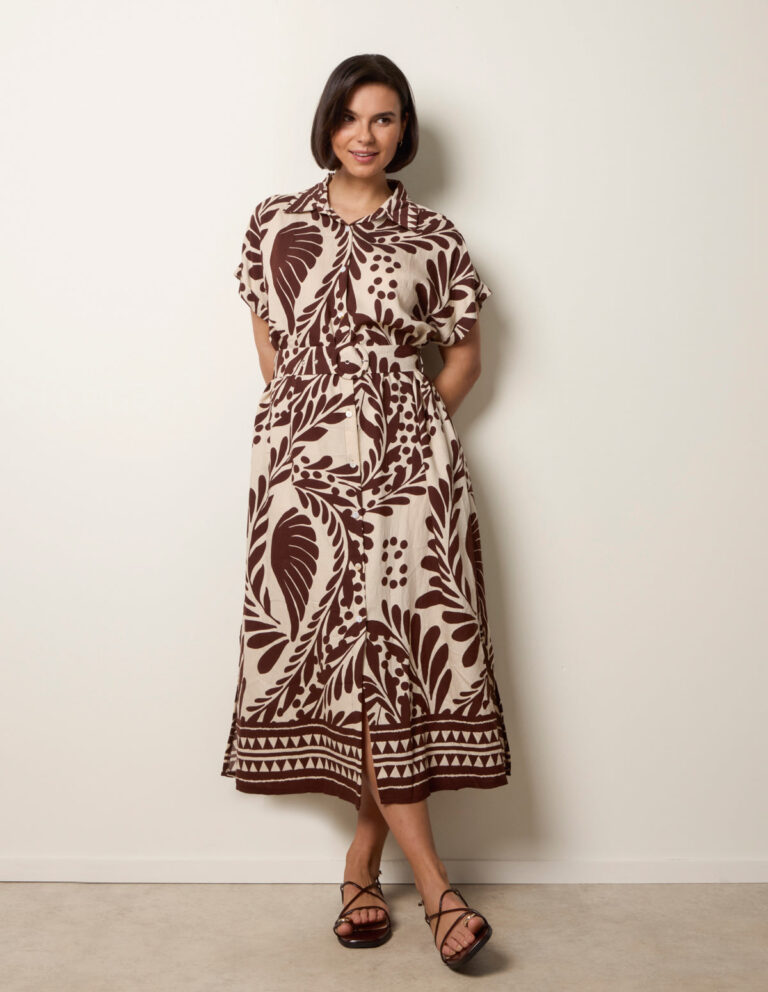 Shirt DressesThe Only Tropical Print Shirt Dresses You Need to See
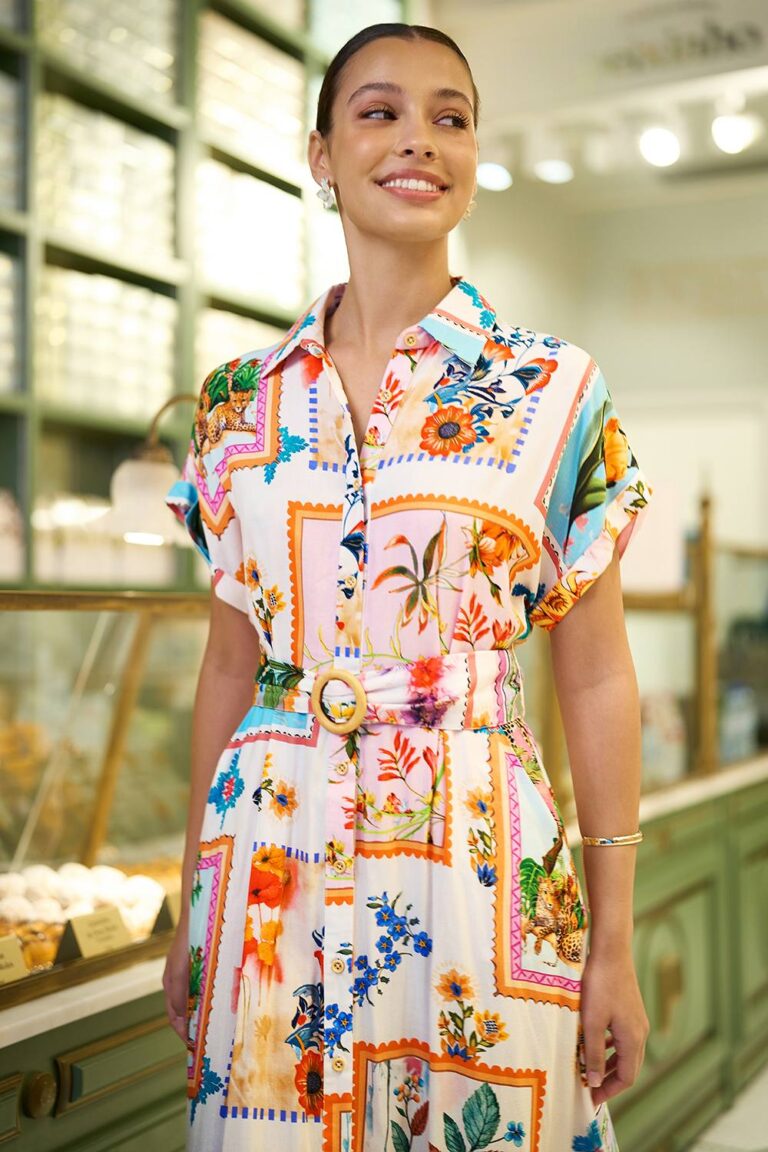
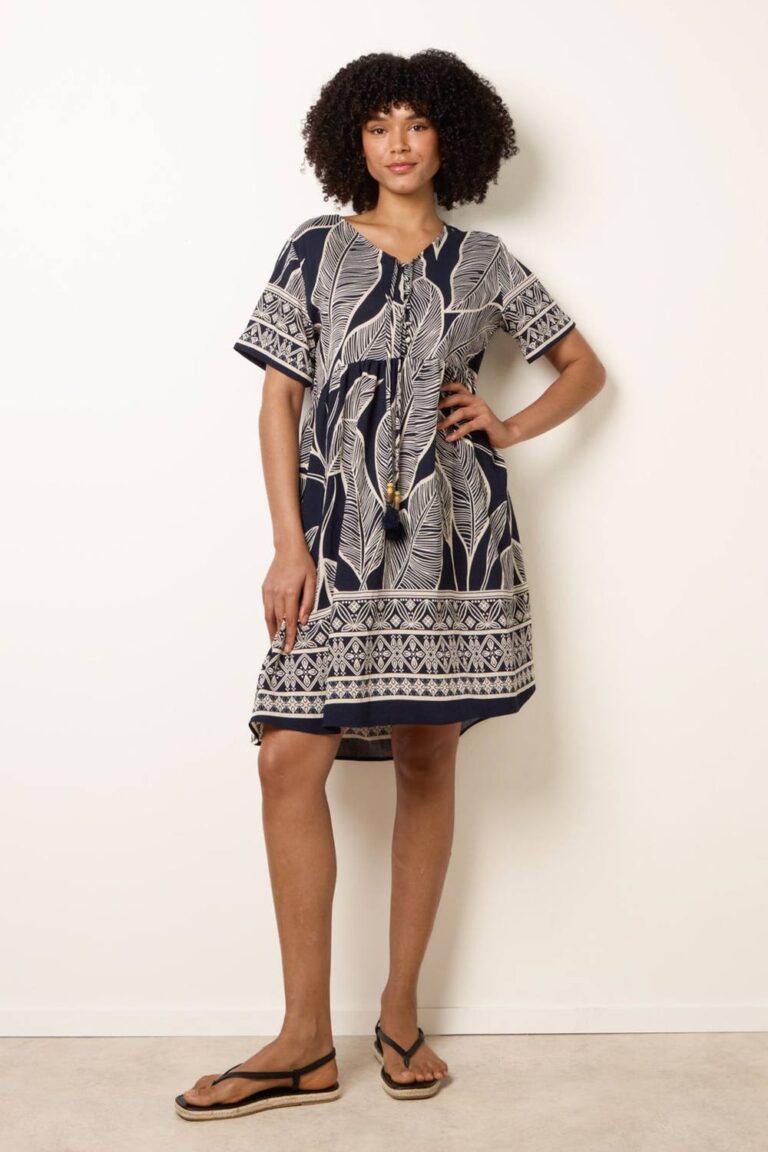 Summer DressesShop the Edit: Tropical Print Summer Dresses
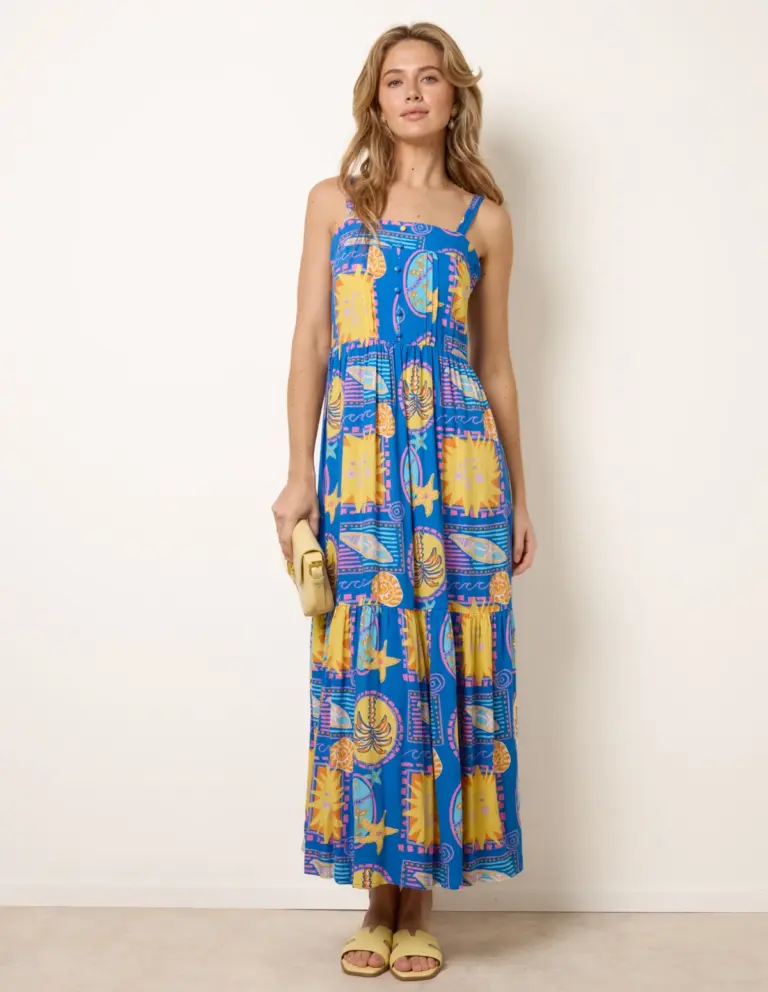
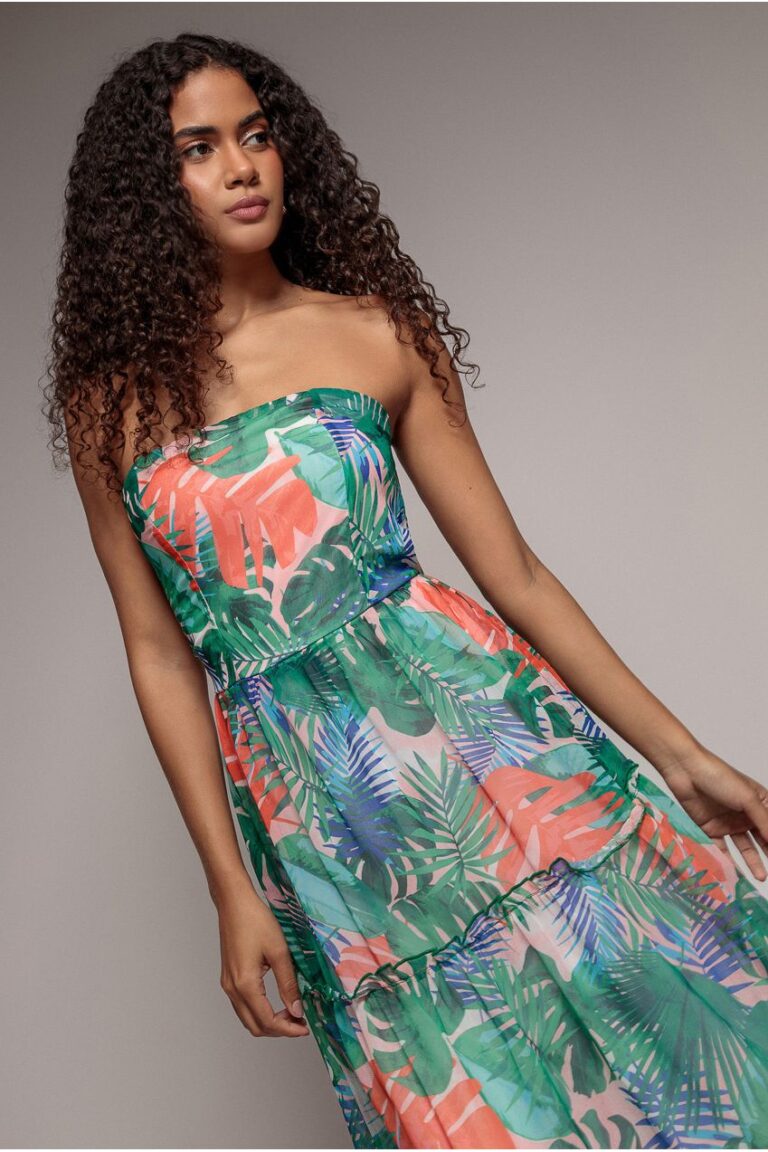 Tiered DressesEffortless Tropical Print Tiered Dresses We Love
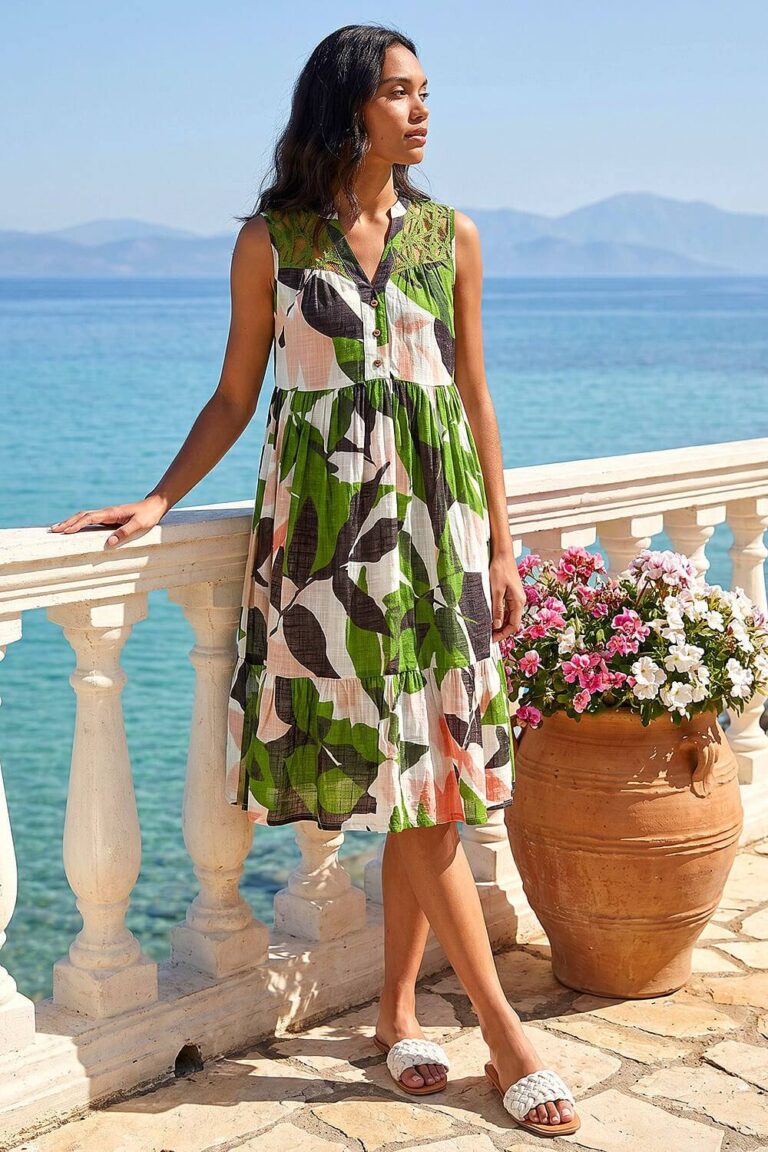
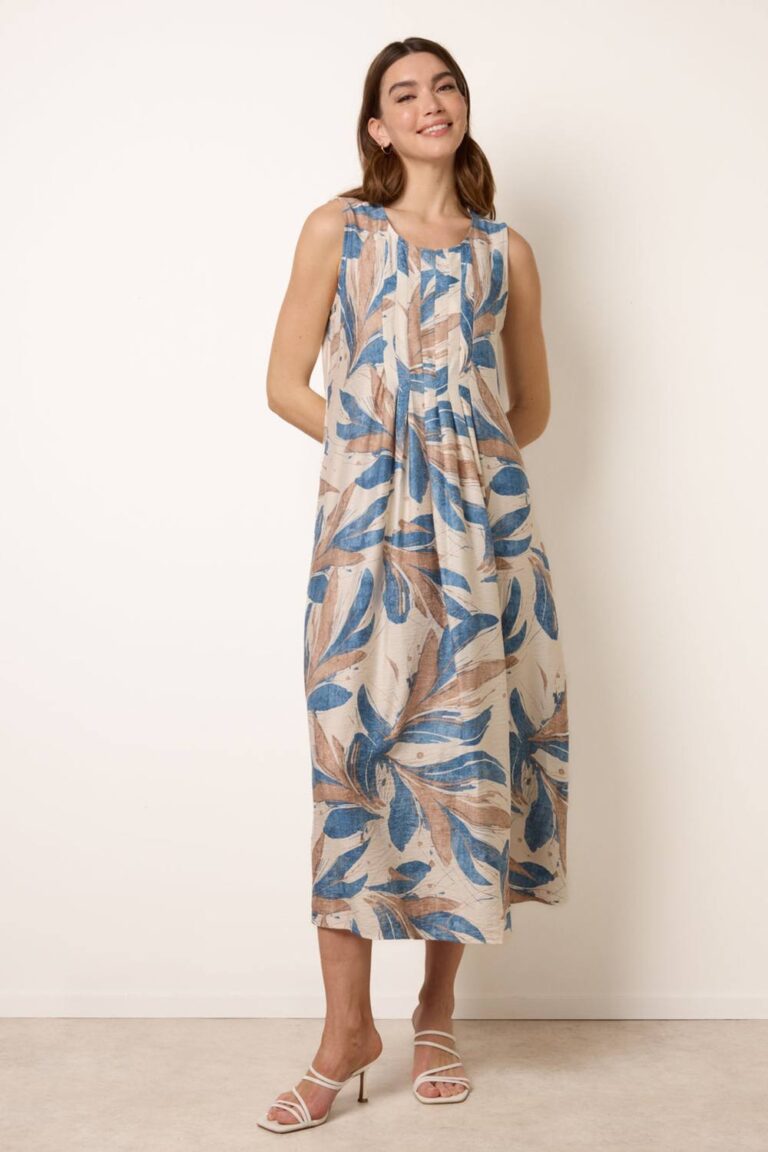 Tunic DressesA Closer Look at the Best Tropical Print Tunic Dresses