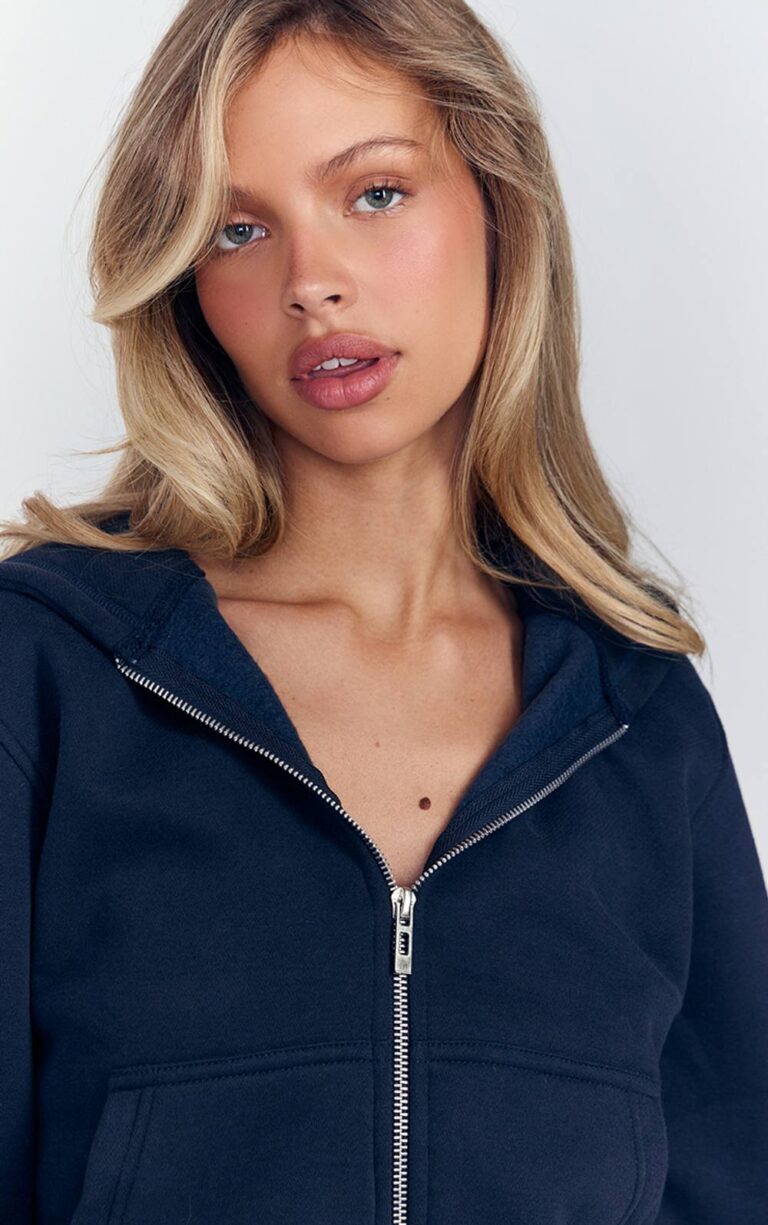
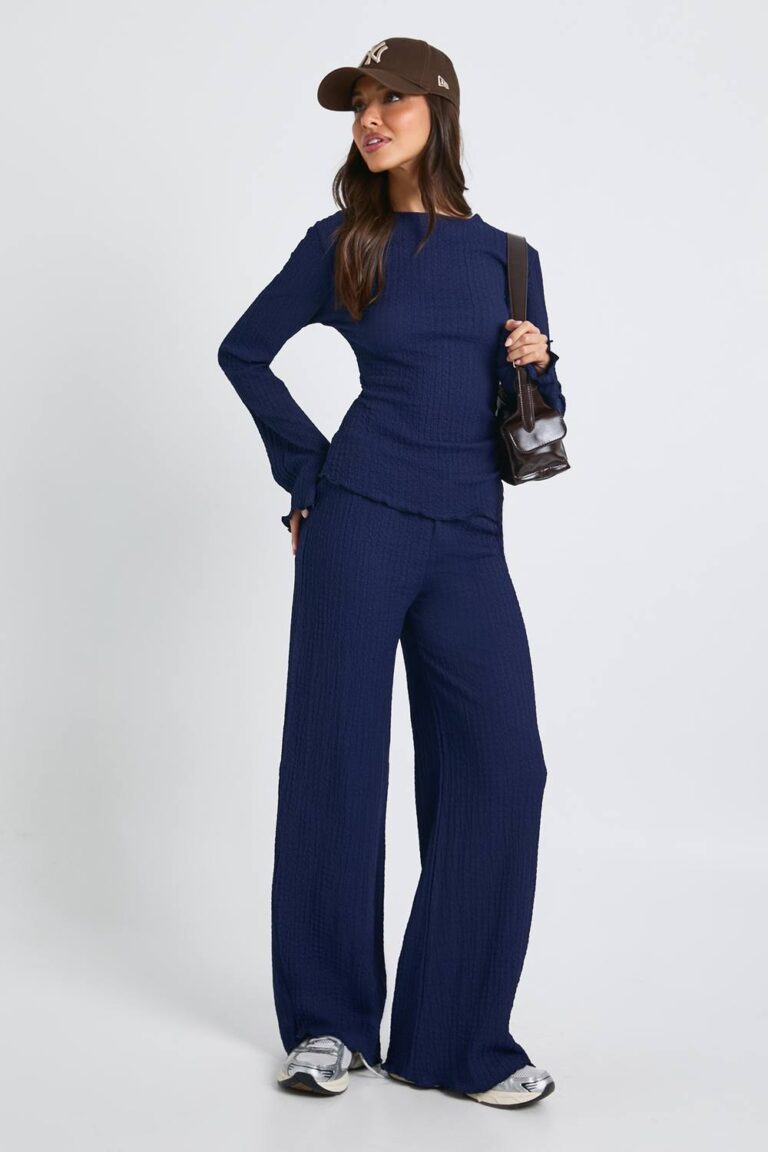
Trainers used to mean one pair for the gym and one slightly cleaner pair for everything else. That's gone now. They sit under dresses, under tailoring, under things they'd have looked wrong with a decade ago, and I think that shift has been good for everyone's feet and most people's style.
The difference between a good pair and a disappointing one shows up in places you don't notice until month three. Look at where the upper meets the sole, a glued seam will start lifting at the toe before you've had much wear out of it, while a stitched or properly bonded join stays put. Run a thumb over the eyelets and the back heel tab, cheap hardware goes dull or rusts if you're caught in rain, decent metal doesn't. Canvas should feel tightly woven rather than papery, leather should have a bit of give rather than that stiff, shiny coating that never softens. Soles matter too, a chunky sole with proper tread will keep its shape, whereas the ones that look dramatic but are made from soft, cheap foam start sagging at the sides within a season and suddenly you're walking on the outer edge of your own shoe.
How they age depends entirely on what you do before you've even worn them, which sounds dull but it's true. Leather and canvas ones benefit from a protector spray on day one, before any scuffs happen, not after. White ones show every mark from day one regardless, so a magic eraser and patience become part of your life, that's just the deal you've signed up to. Running ones lose their cushioning quietly, no drama, just one day your knees notice, so they're not a forever shoe even if they look fine. Platform and chunky styles take the most visible wear at the back corner of the sole, where you drag your foot getting out of the car, so check that spot before buying if you can. For fit, go by how they sit at the heel first, not the toe, because a gap there means blisters by lunchtime no matter how much room you've got up front. Thick socks for running ones, proper socks for trying on, and remember most trainers run a touch big rather than small, so don't automatically size up out of habit.
They work hardest from fairly early spring through to late autumn, then boots take over, though canvas ones rarely cope well with proper rain regardless of the month.
Stuff them with paper rather than leaving them to dry flat, it keeps the shape while they dry out properly.

 Platform TrainersZip Platform Trainers: What We’d Buy Now
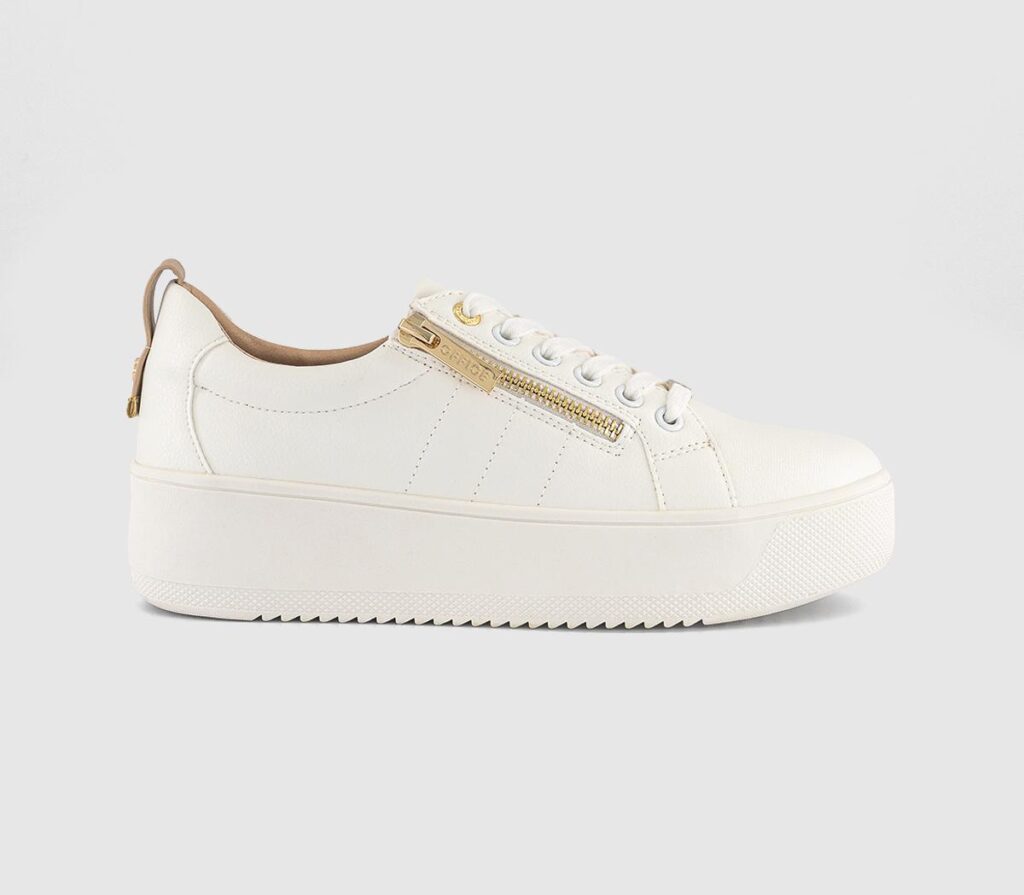
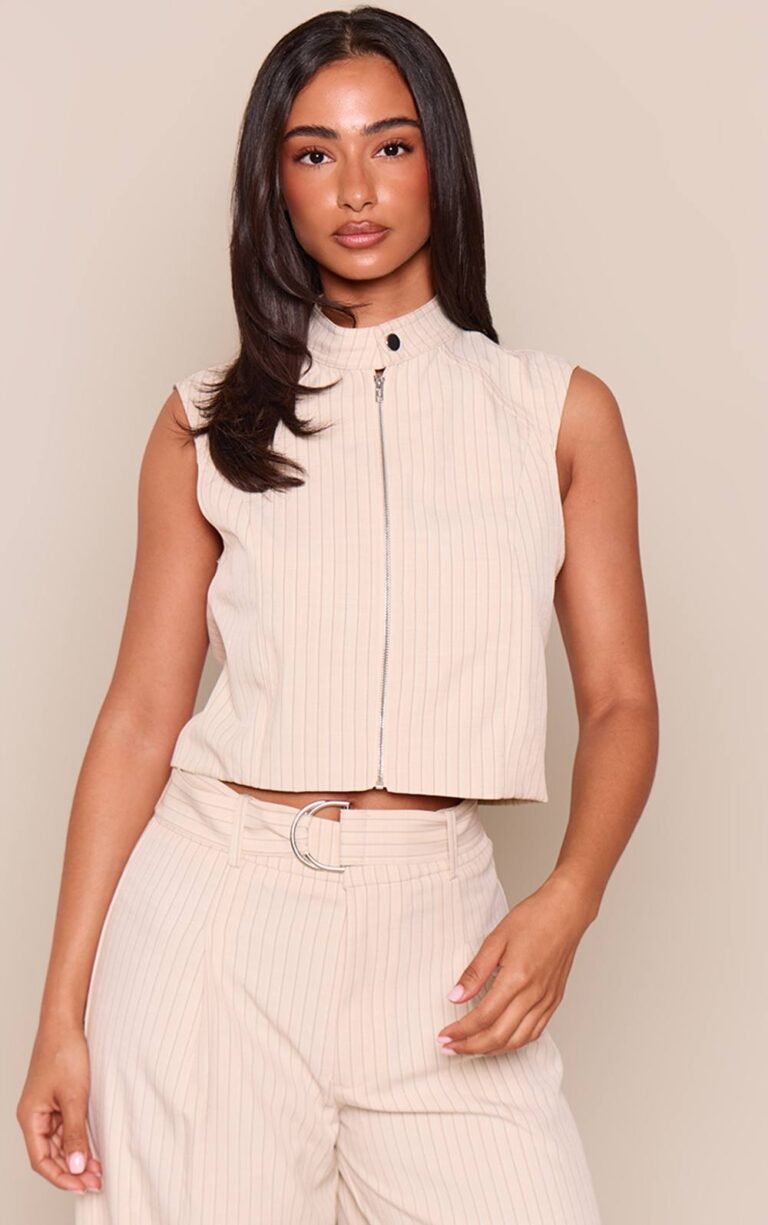 Running TrainersThe Best Looking Zip Running Trainers Out There
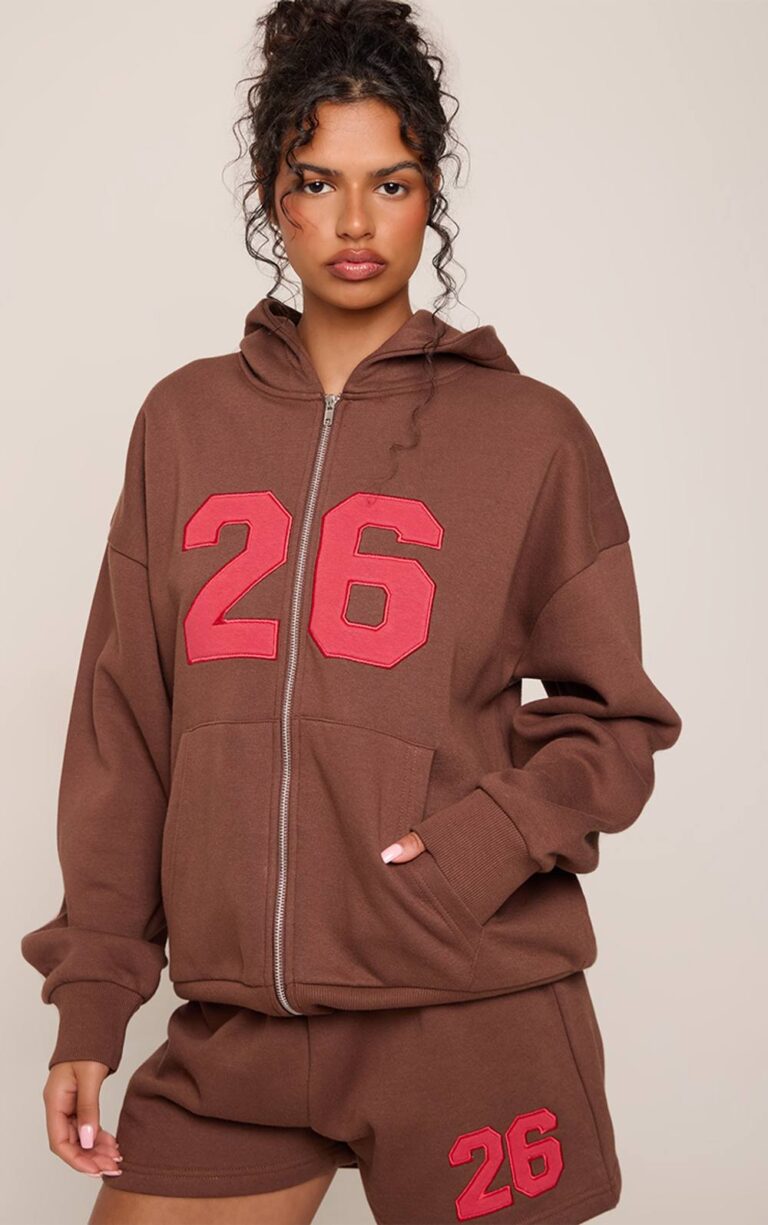
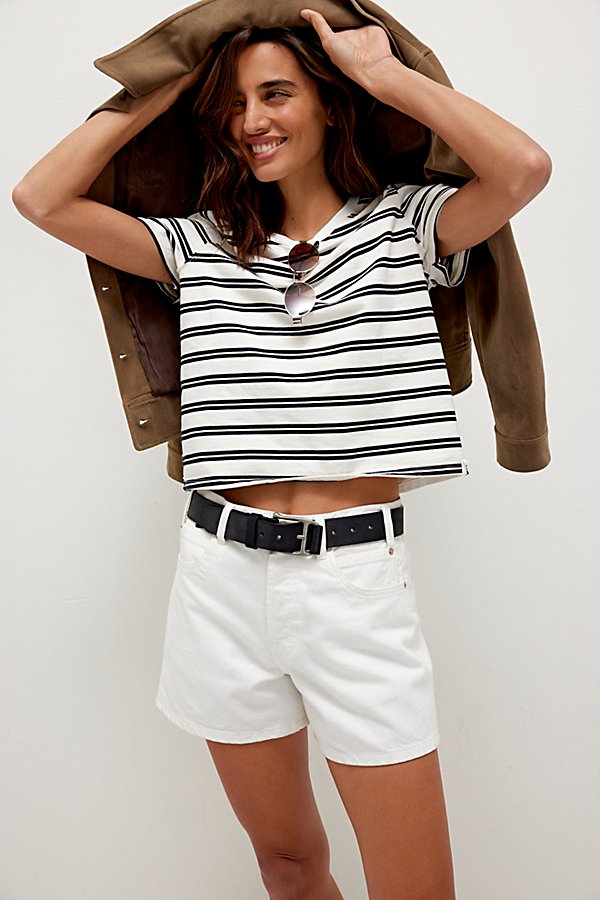 Zip Sneakers That Go With Everything

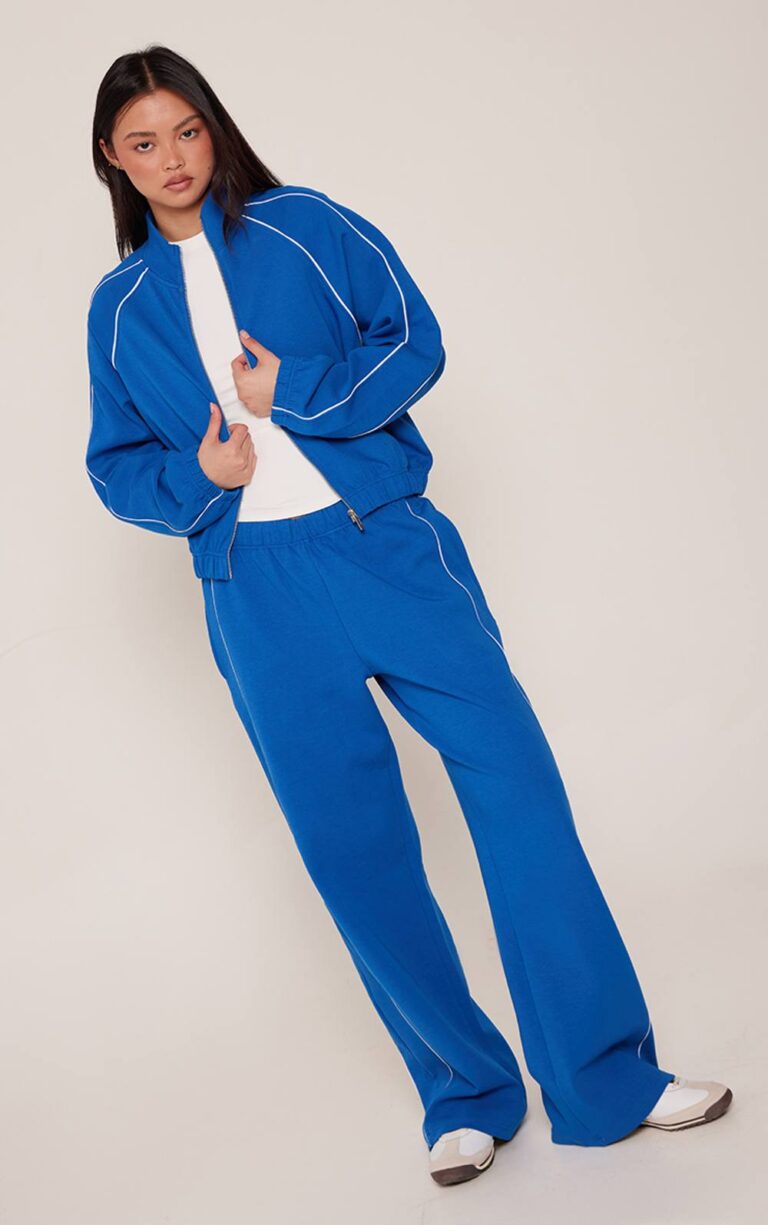 The Zip Trainers We’d Wear All Day
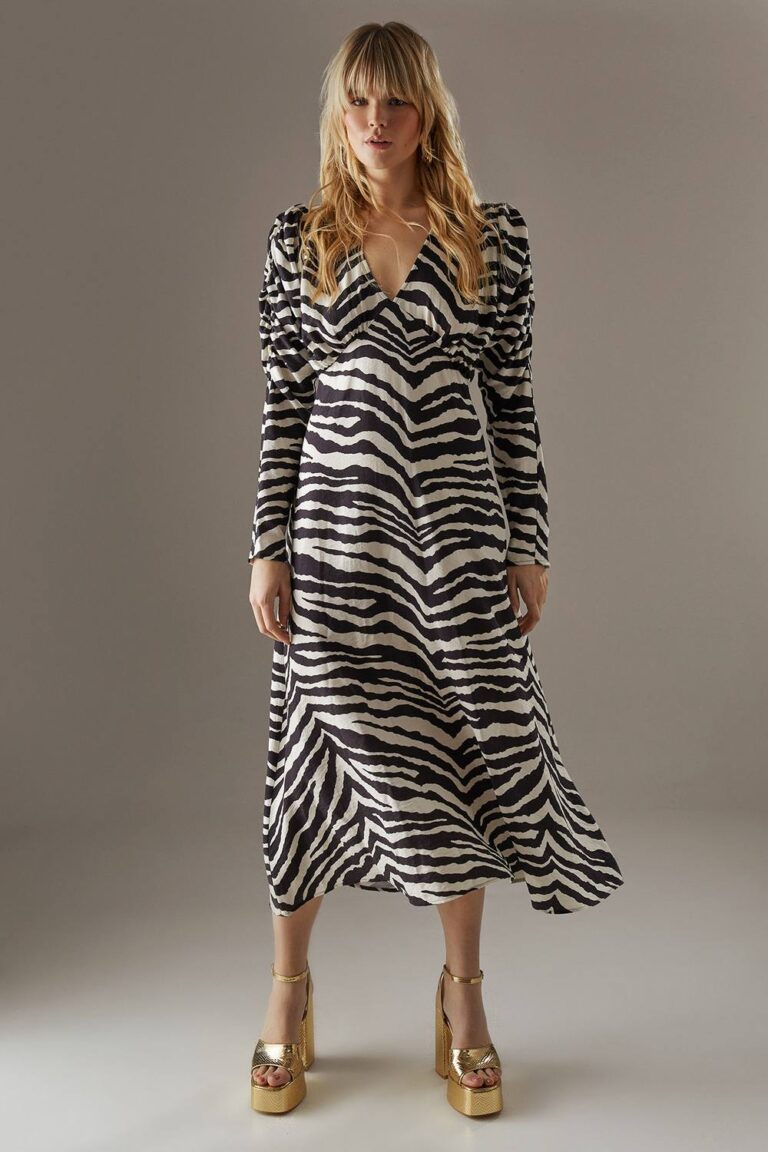 Zebra Print Trainers We Rate
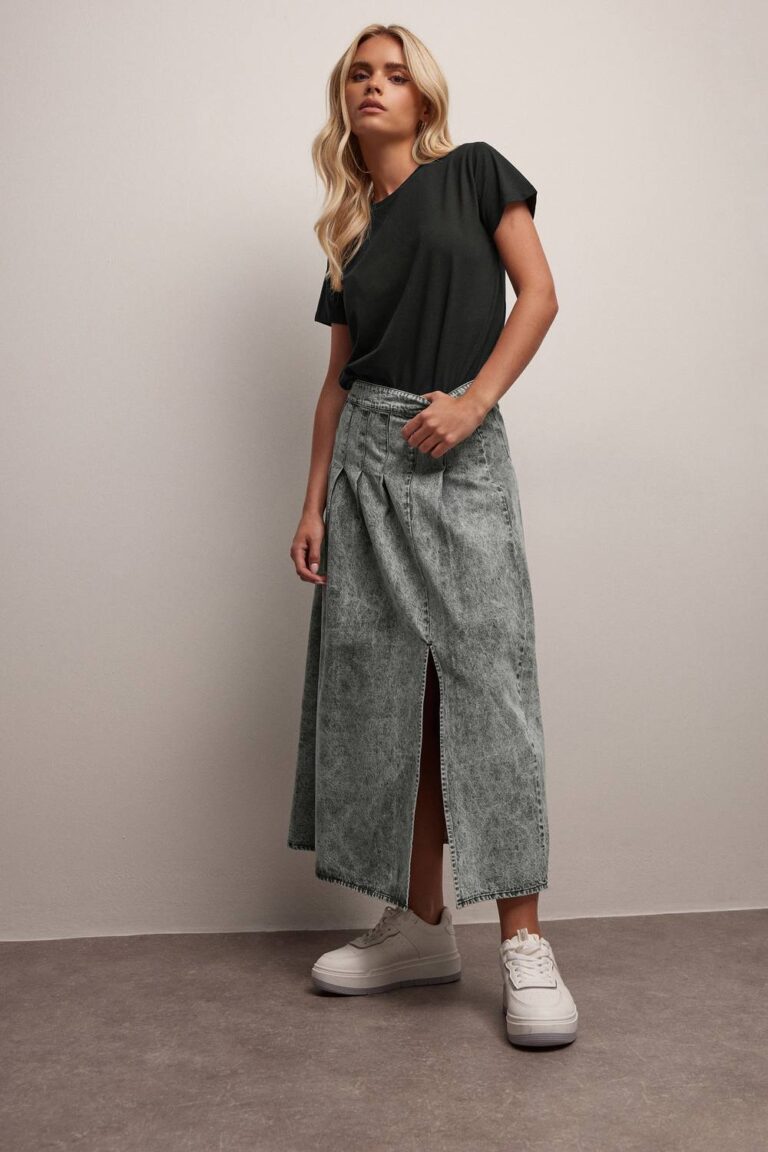 Canvas TrainersZip Canvas Trainers: The Edit
 Chunky TrainersOur Favourite Zip Chunky Trainers
 Chunky TrainersWoven Chunky Trainers We’d Recommend to a Friend

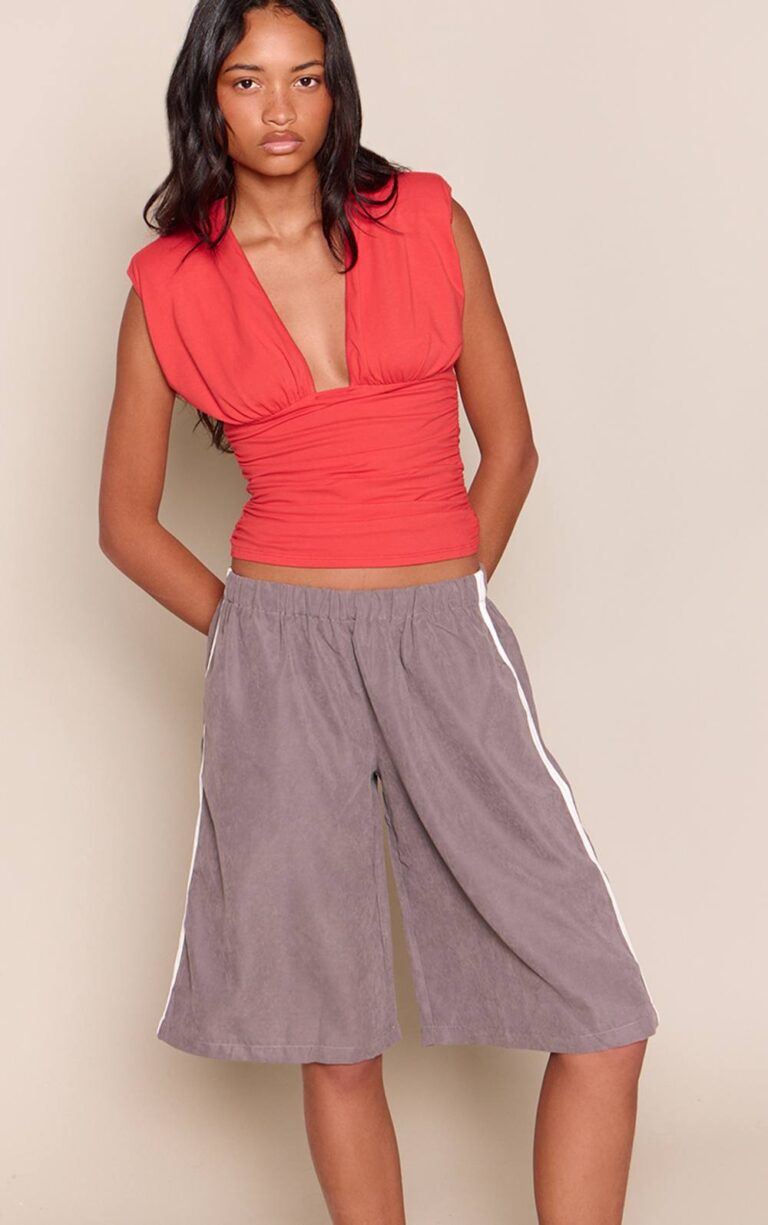 Running TrainersThe Woven Running Trainers Worth Your Wardrobe SpaceAlso worth a lookWhite TrainersI kept white trainers off my feet for years because I knew exactly how they'd end up, grey at the toe within a fortnight and never white again.See the collections →

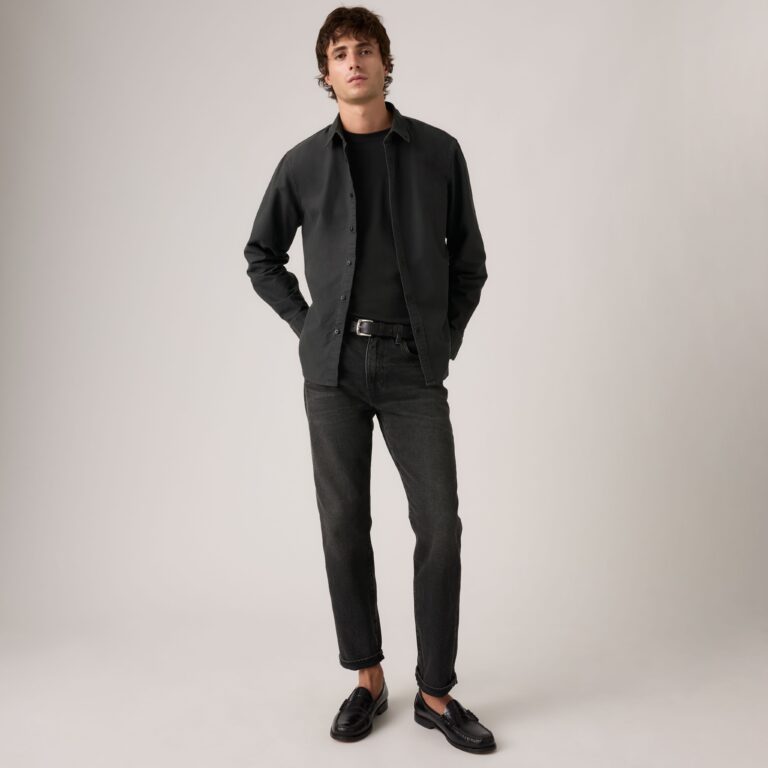 The Woven Sneakers We Keep Going Back To

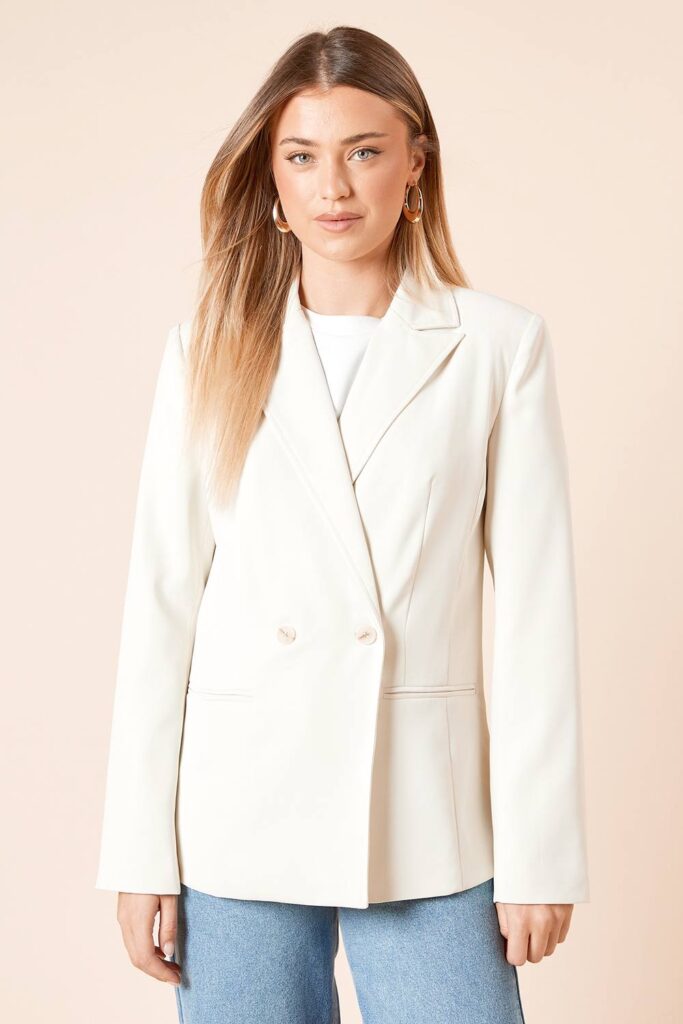 The Woven Trainers We’re Eyeing Up This Season
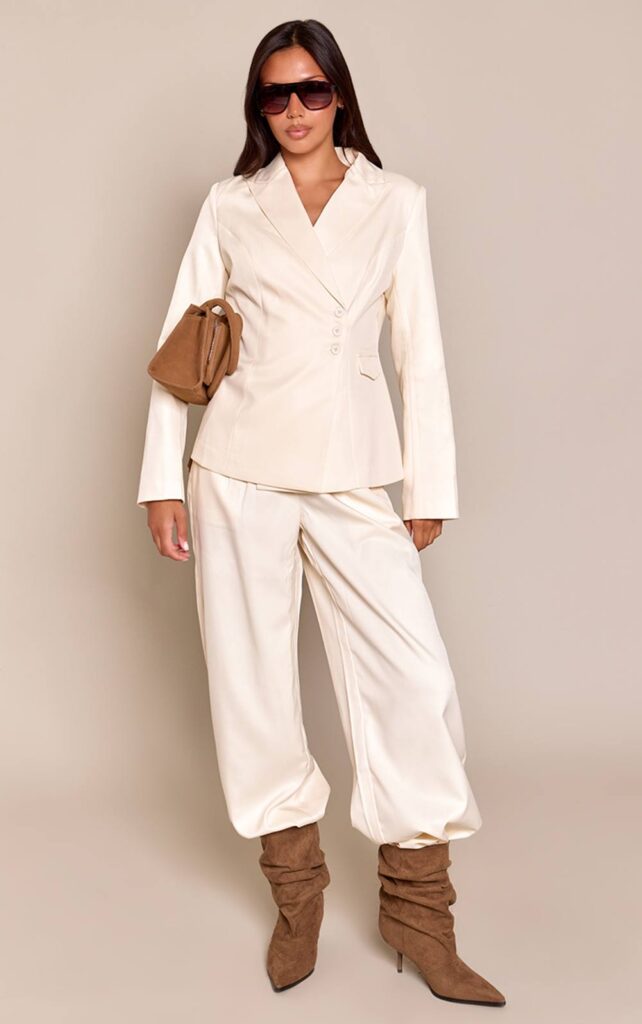
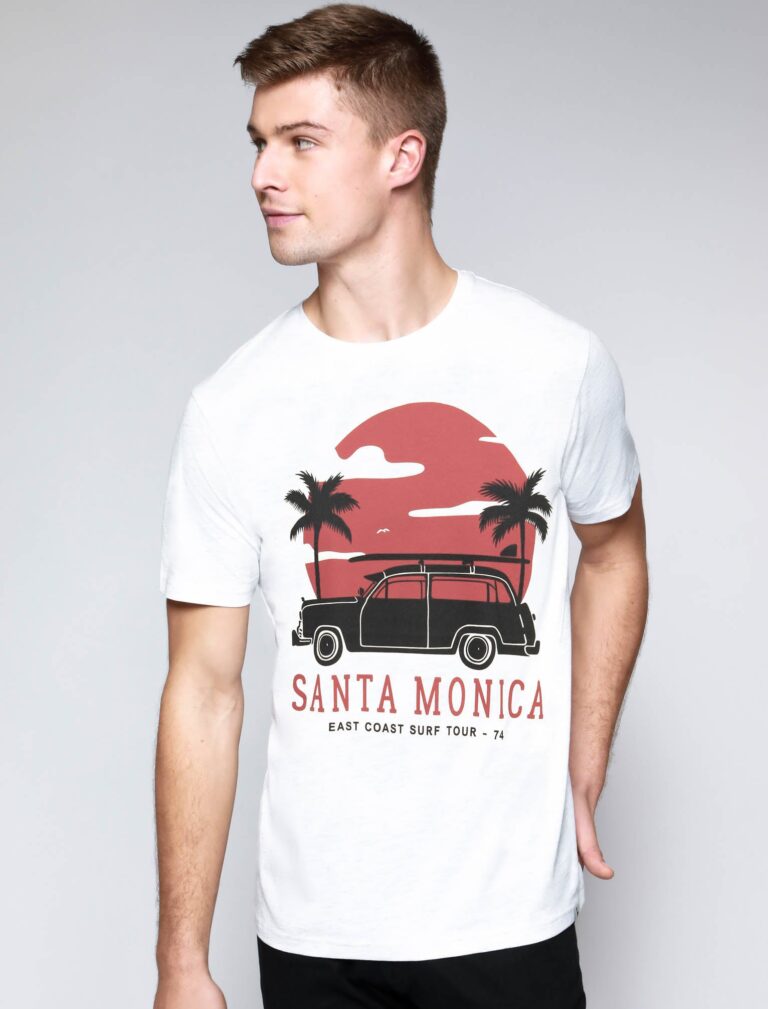 Canvas TrainersWoven Canvas Trainers That Tick Every Box

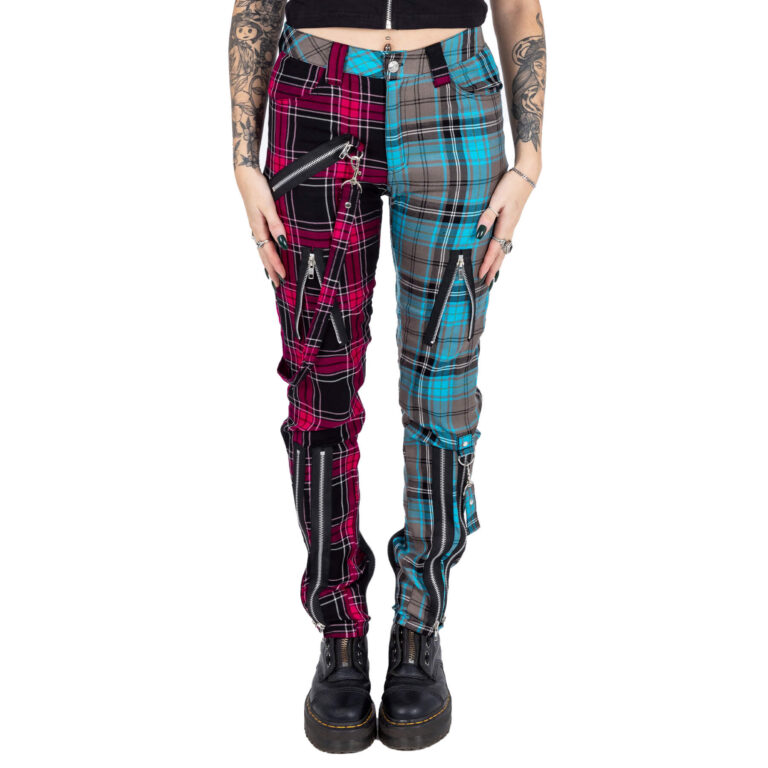 Platform TrainersOur Top Work Platform Trainers Right Now
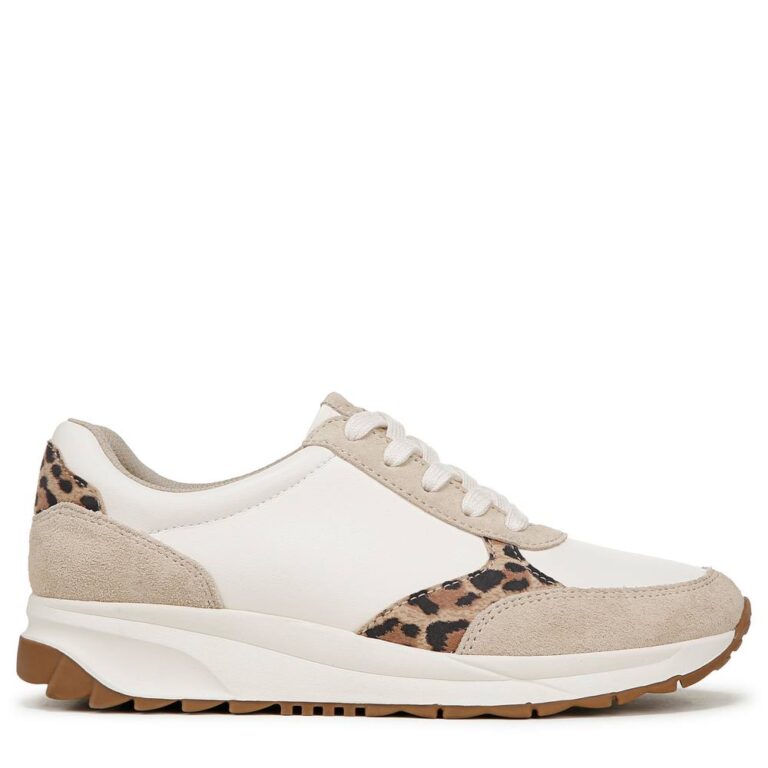
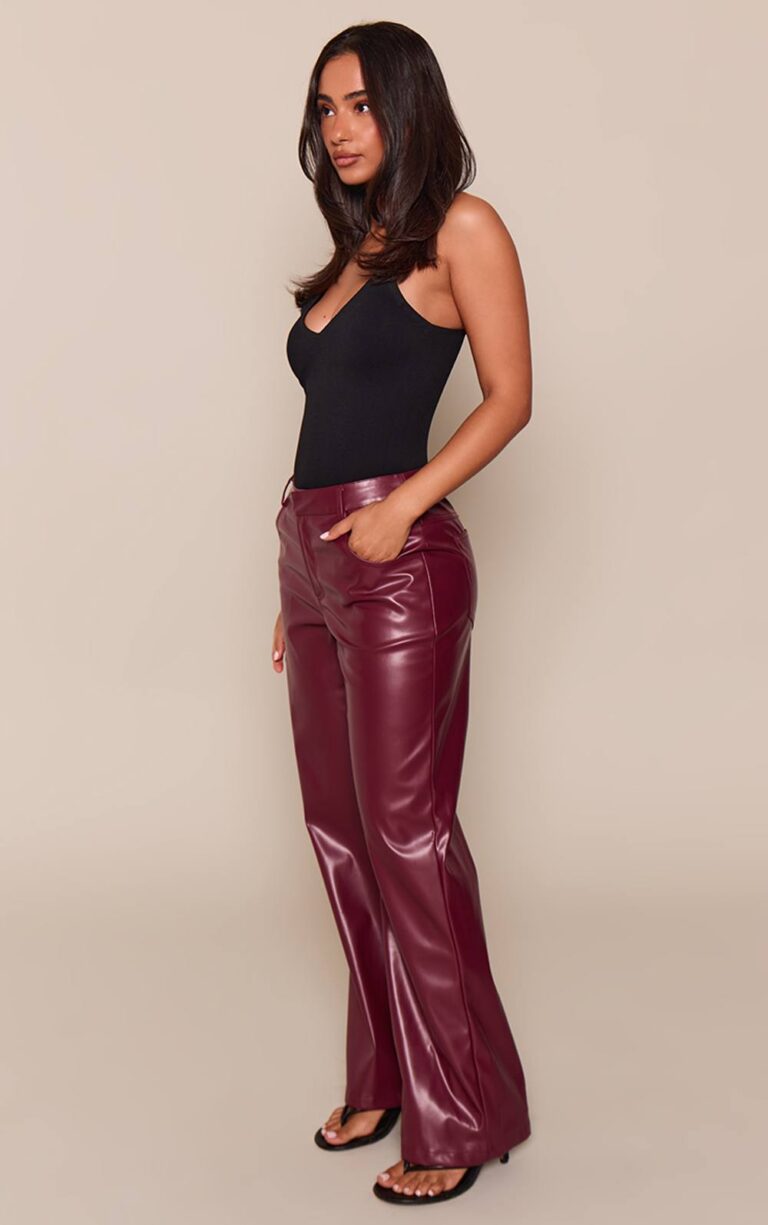 Running TrainersWork Running Trainers for Monday to Friday
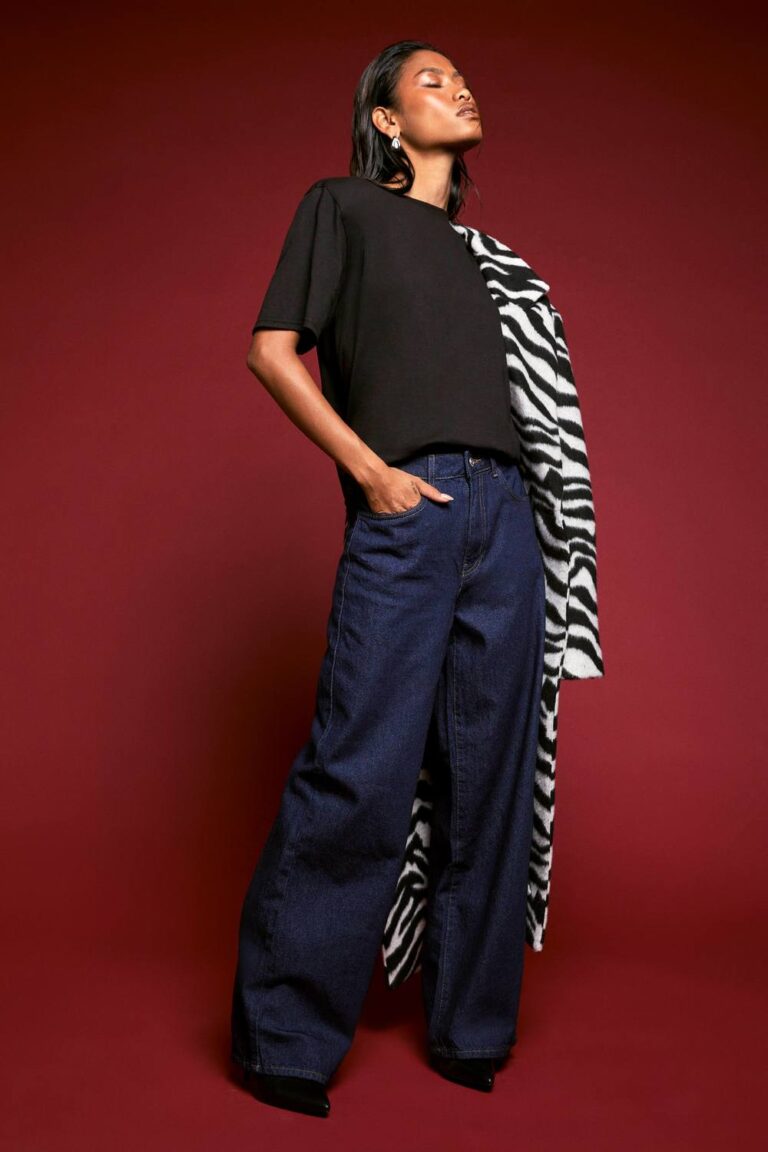
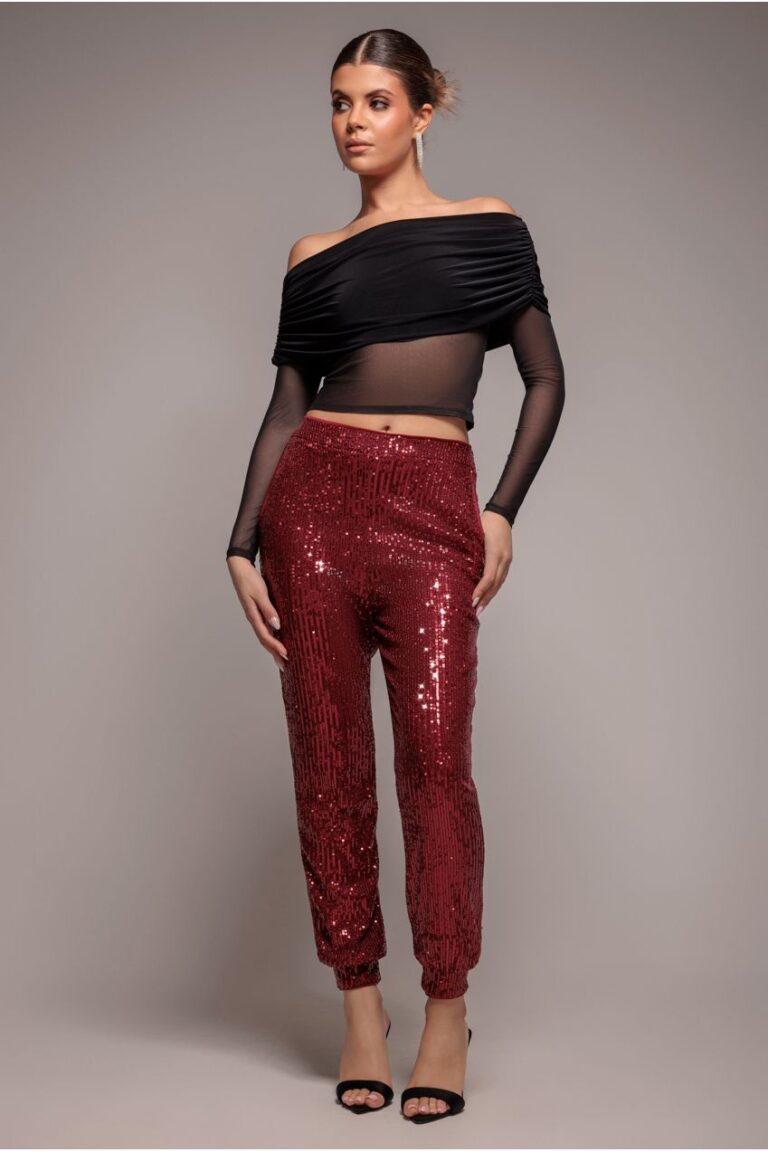 Our Pick of the Best Work Sneakers
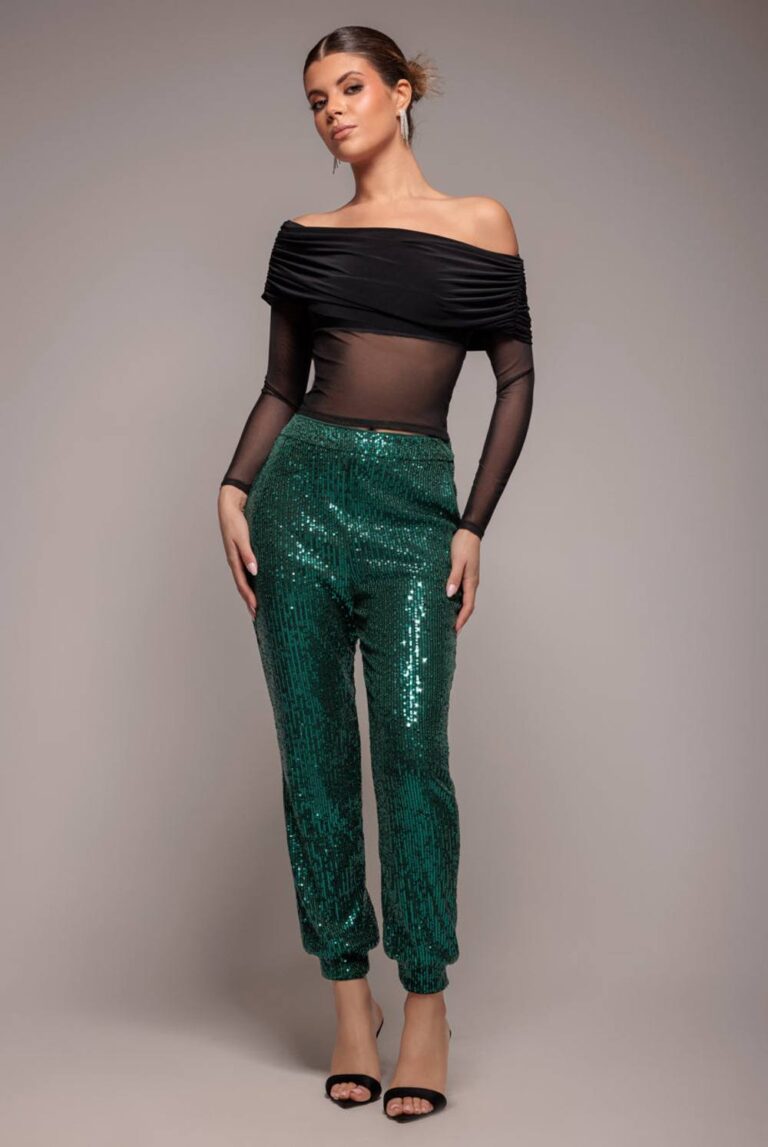
 Work Trainers That Go With Everything

 Canvas TrainersThe Best Work Canvas Trainers to Shop Now
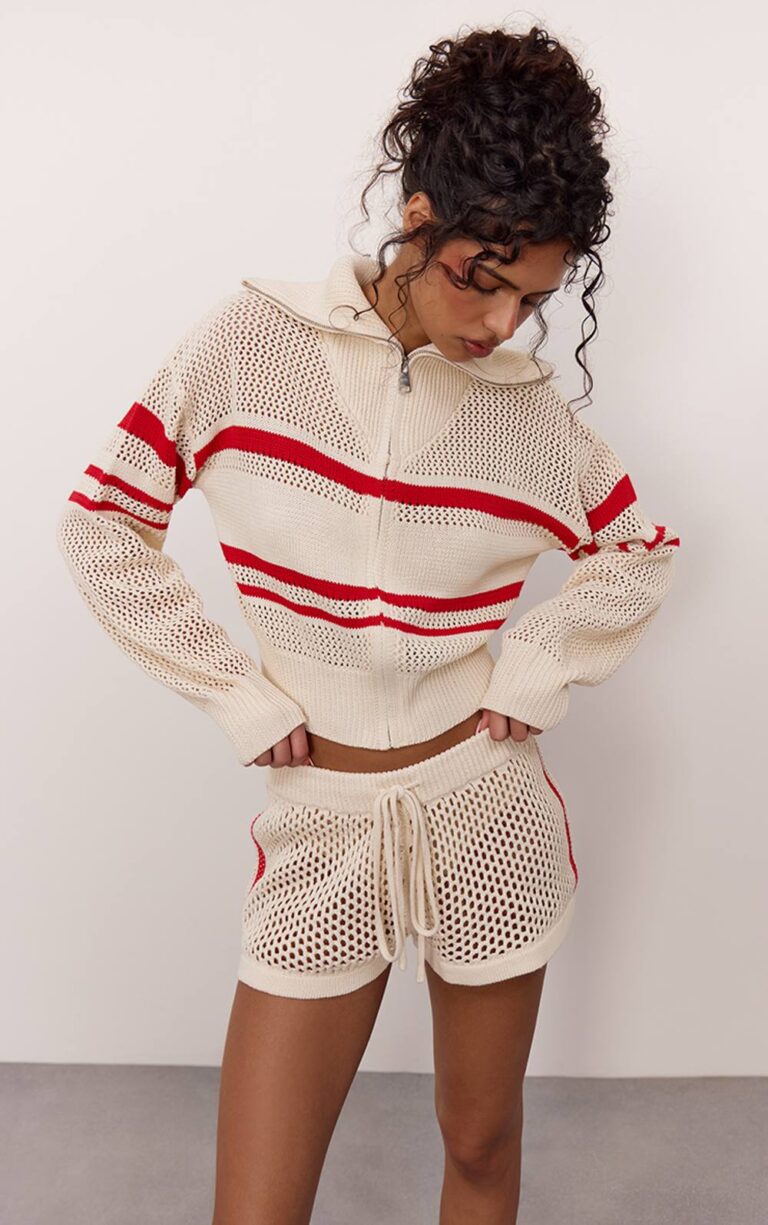
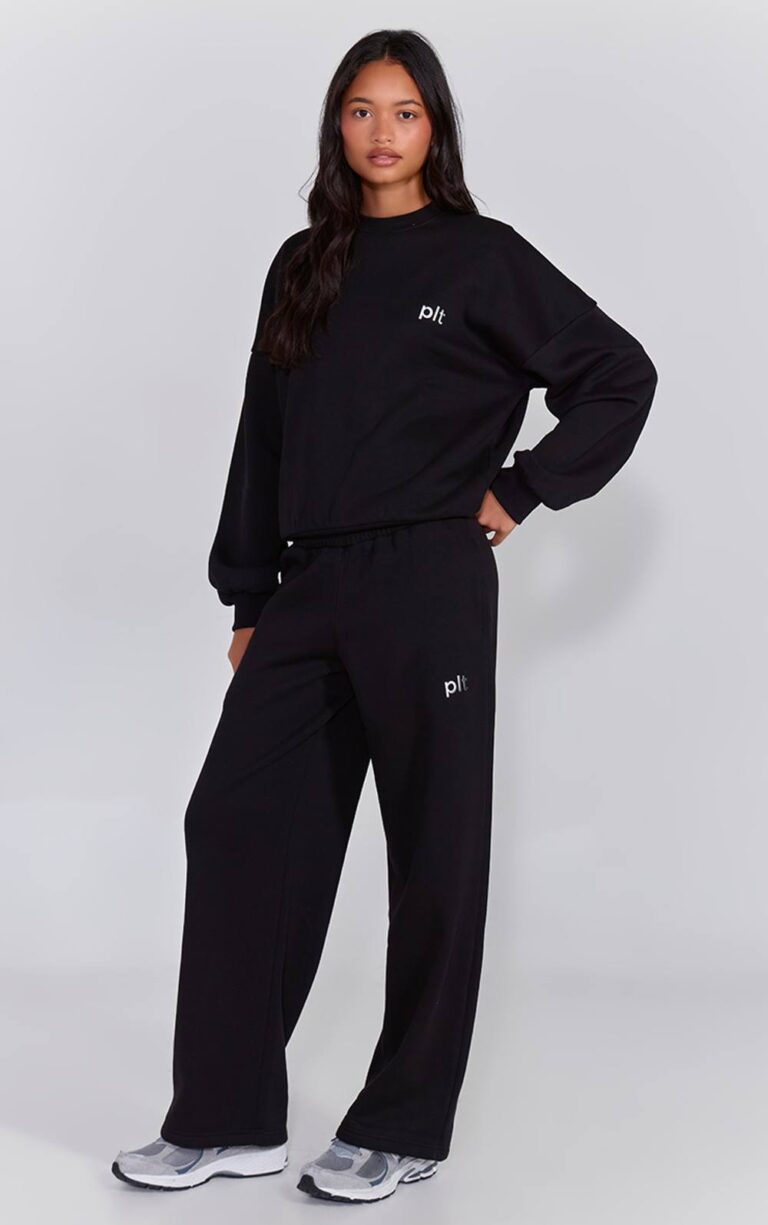 Chunky TrainersA Closer Look at the Best Work Chunky TrainersAlso worth a lookChunky TrainersI avoided chunky trainers for years because I thought they'd make me look like I was wearing someone else's PE kit from school.See the collections →
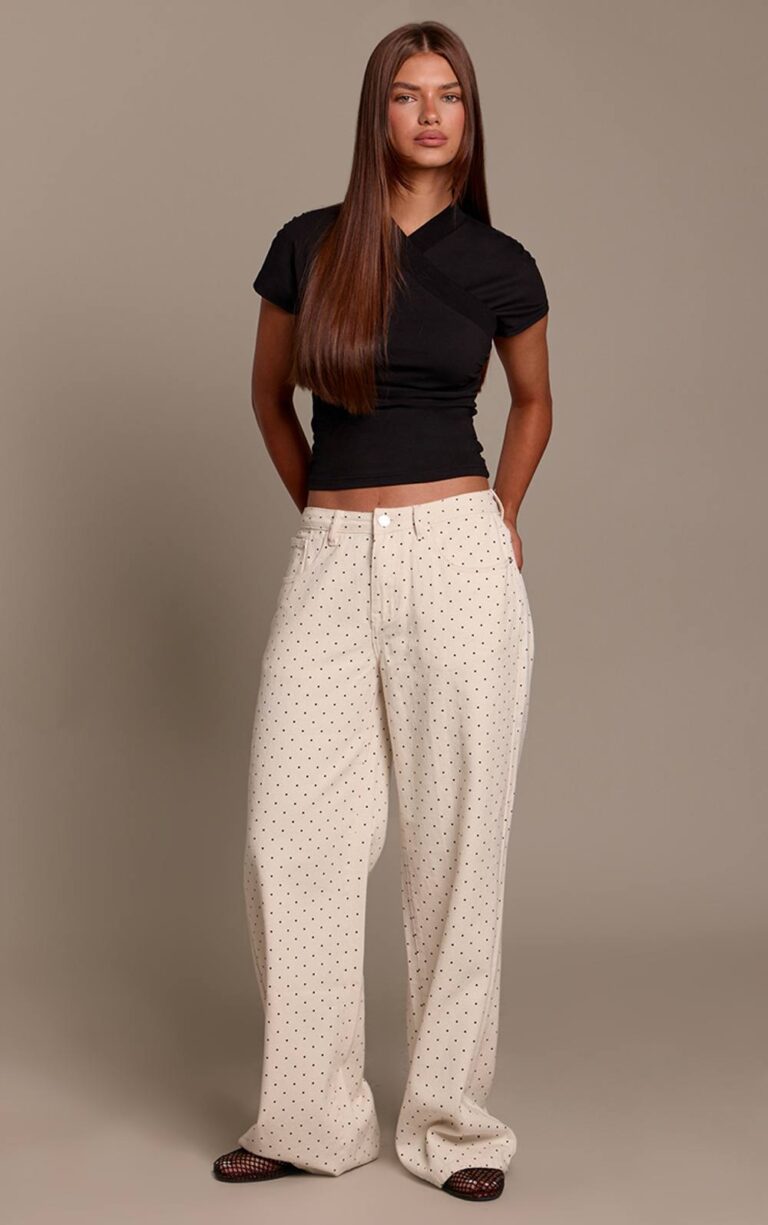
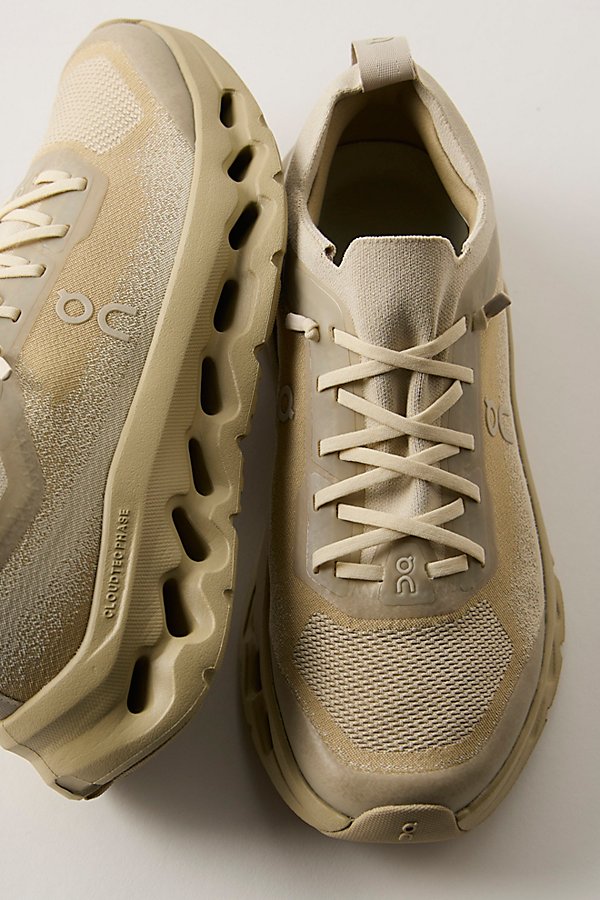 Winter Sneakers: What We’d Buy Now
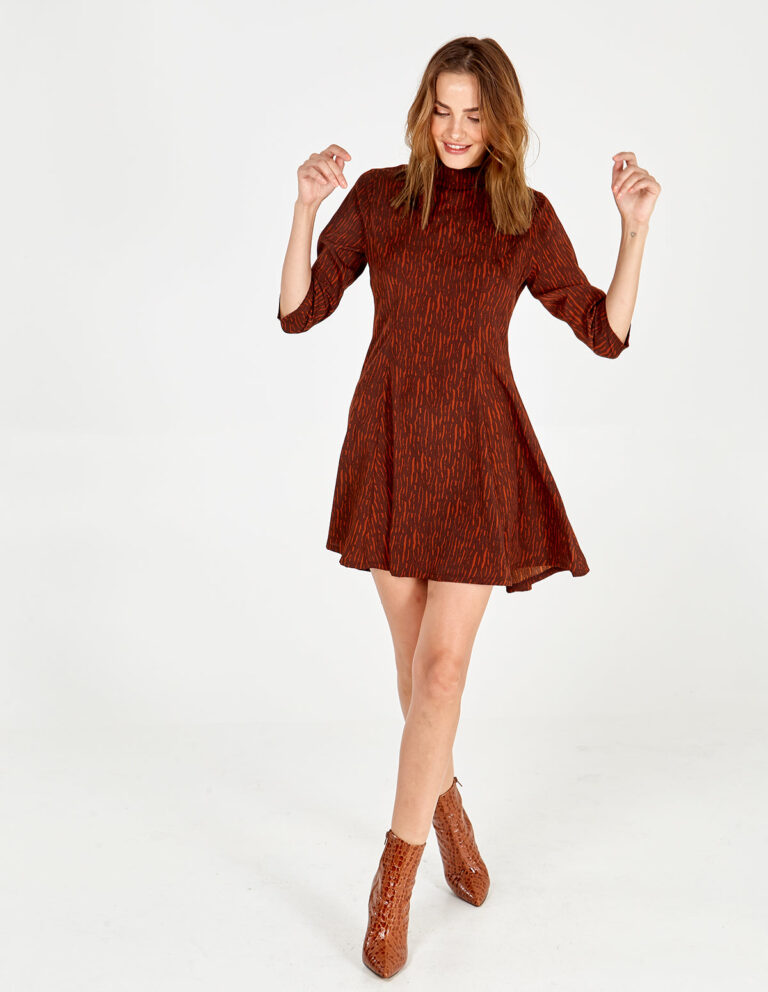
 Our Pick of the Best Winter Trainers
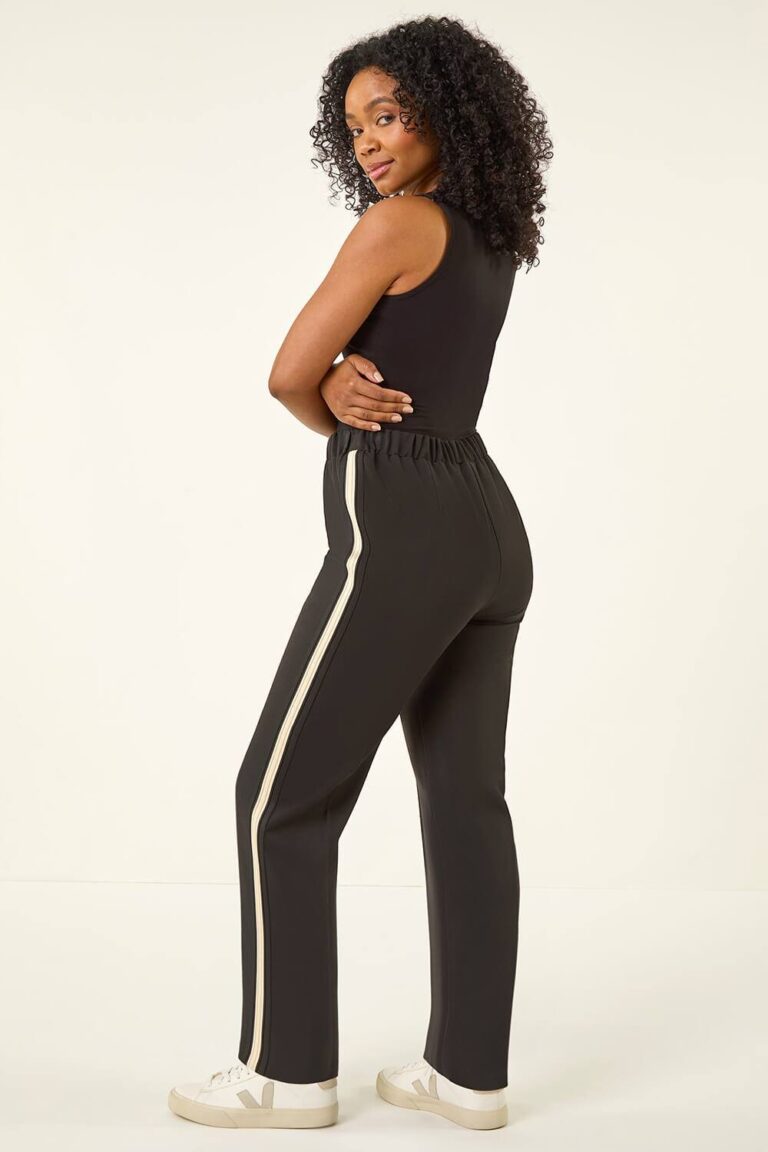
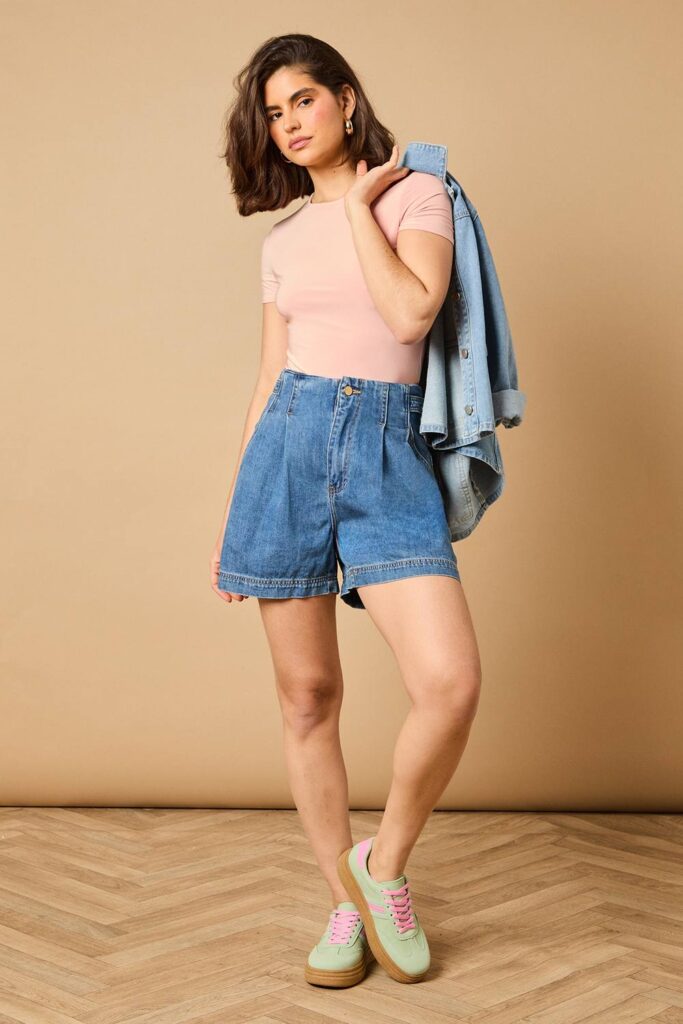 Wide Fit TrainersOur Top Wide Fit Platform Trainers Right Now

 Wide Fit TrainersThe Wide Fit Red Trainers We Keep Going Back To
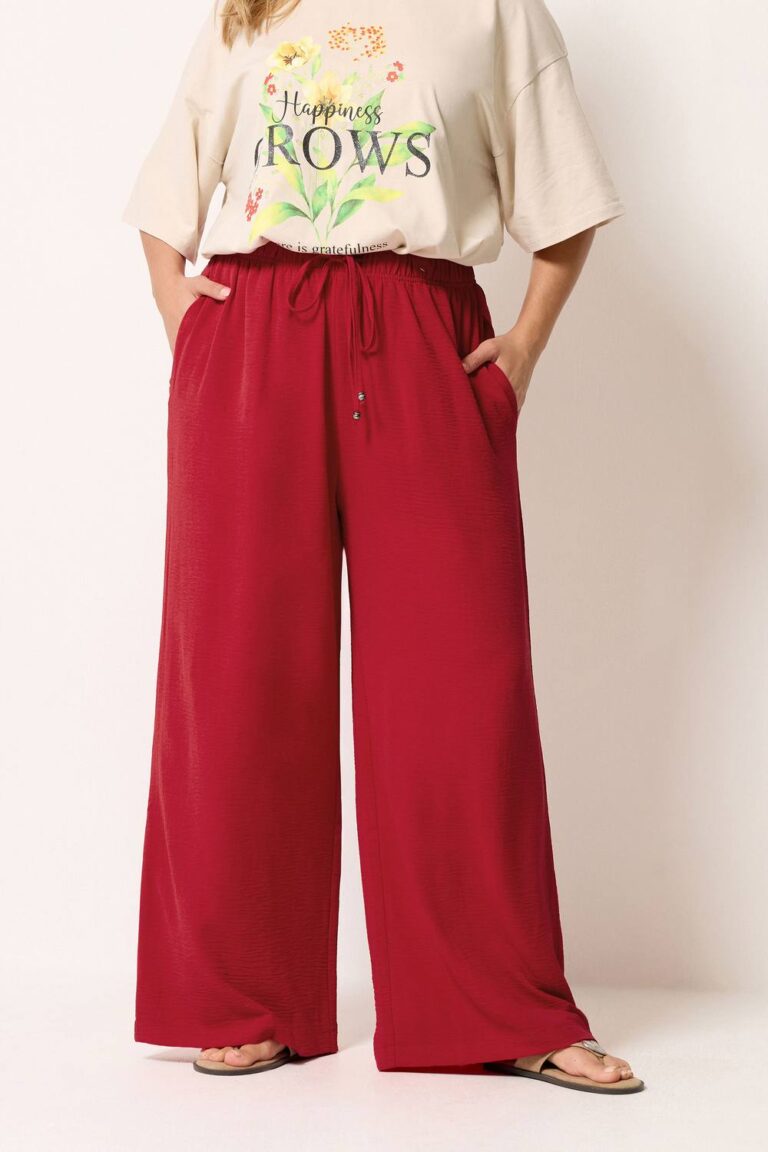
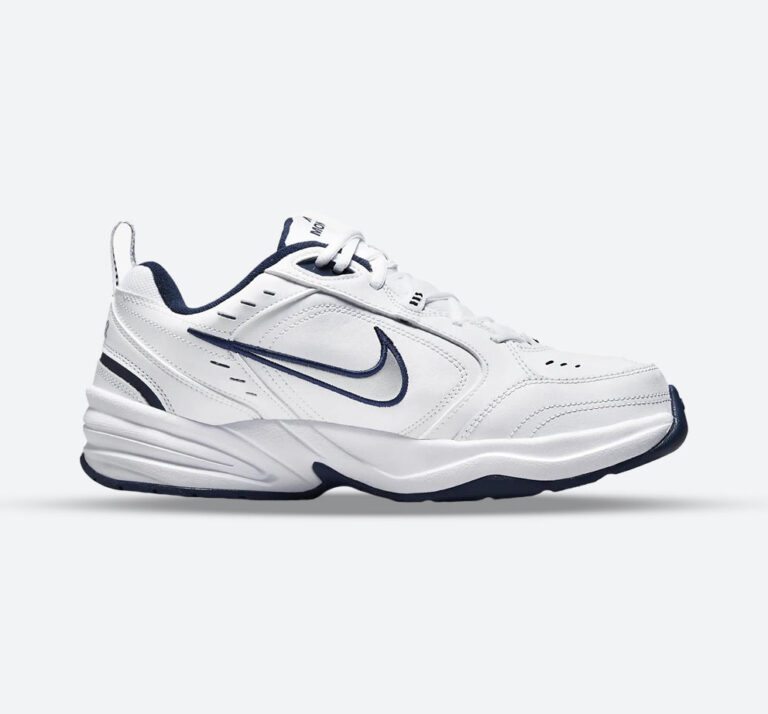 Wide Fit TrainersWide Fit Silver Trainers: The Edit

 Wide Fit TrainersOur Pick of the Best Wide Fit Tan Trainers
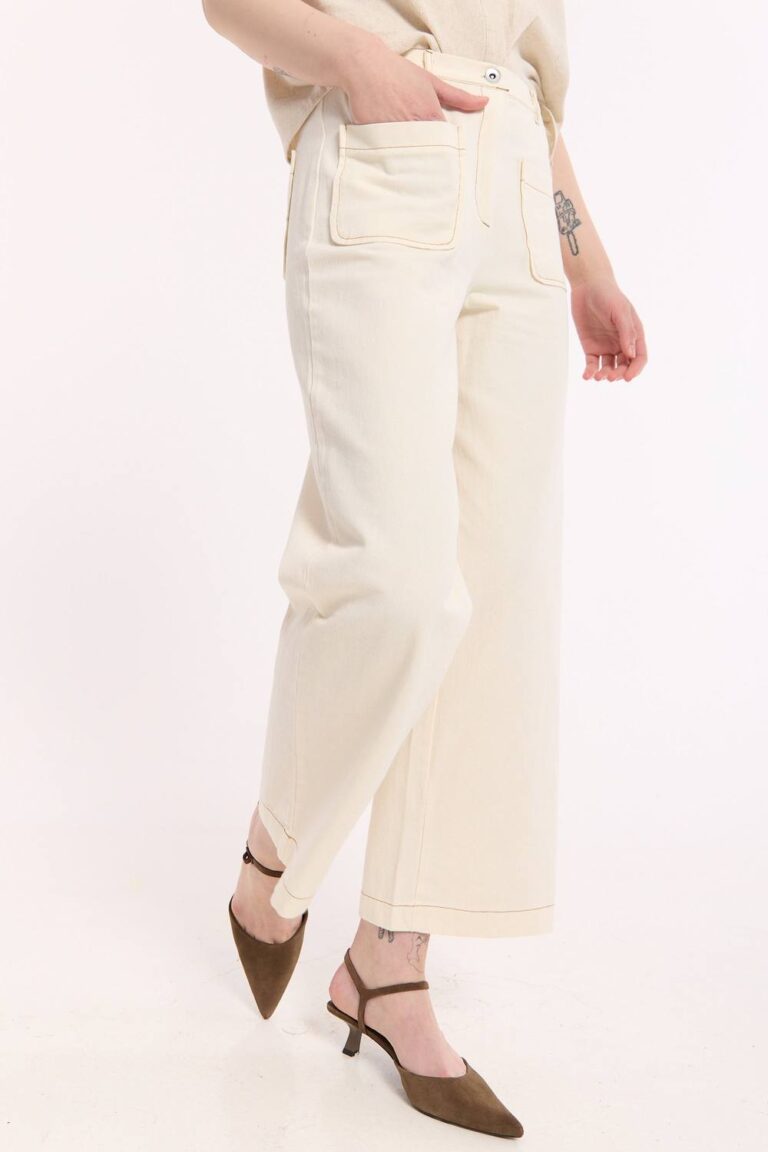
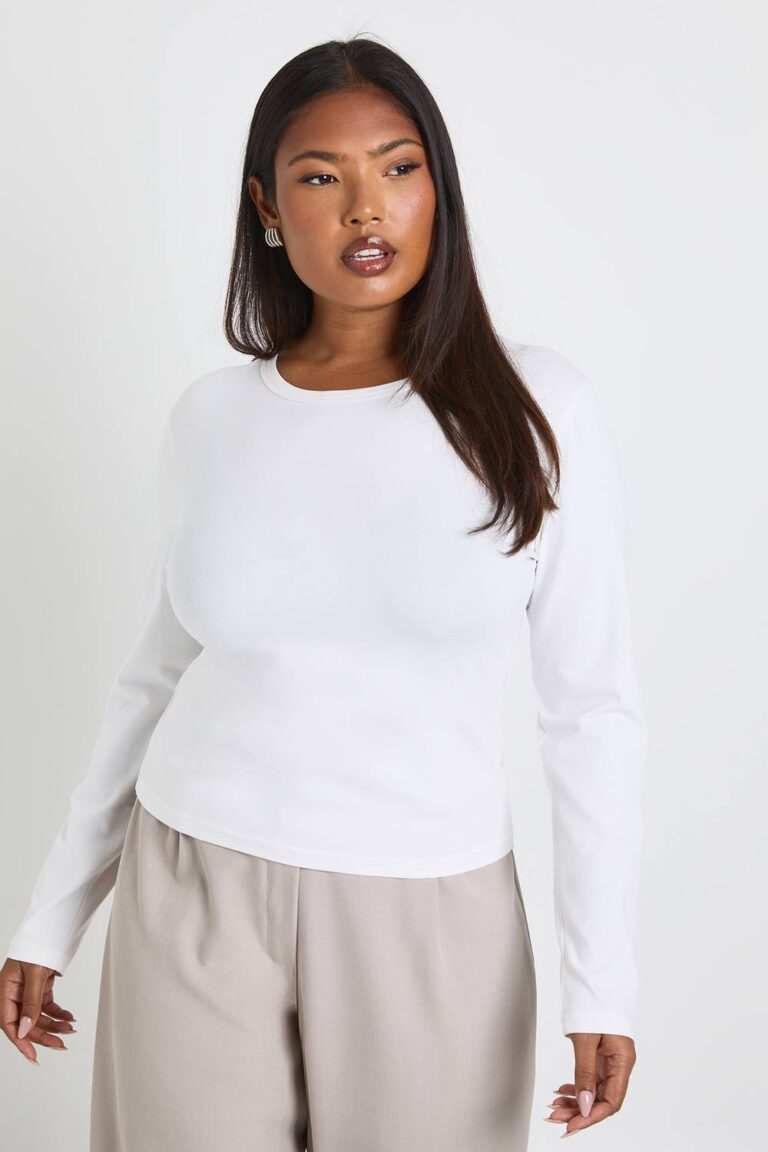 Wide Fit TrainersThe Wide Fit White Canvas Trainers We Keep Going Back To
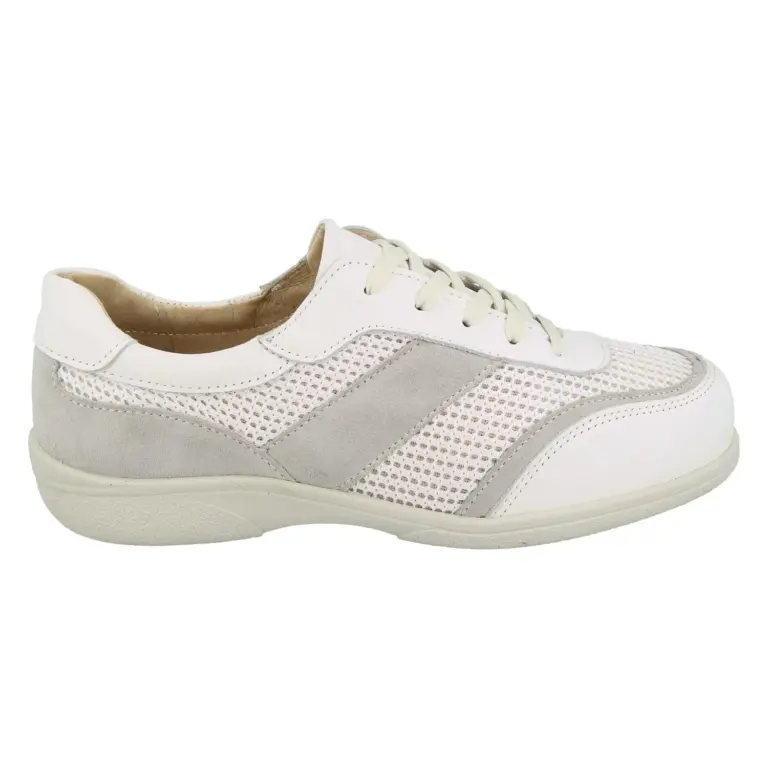
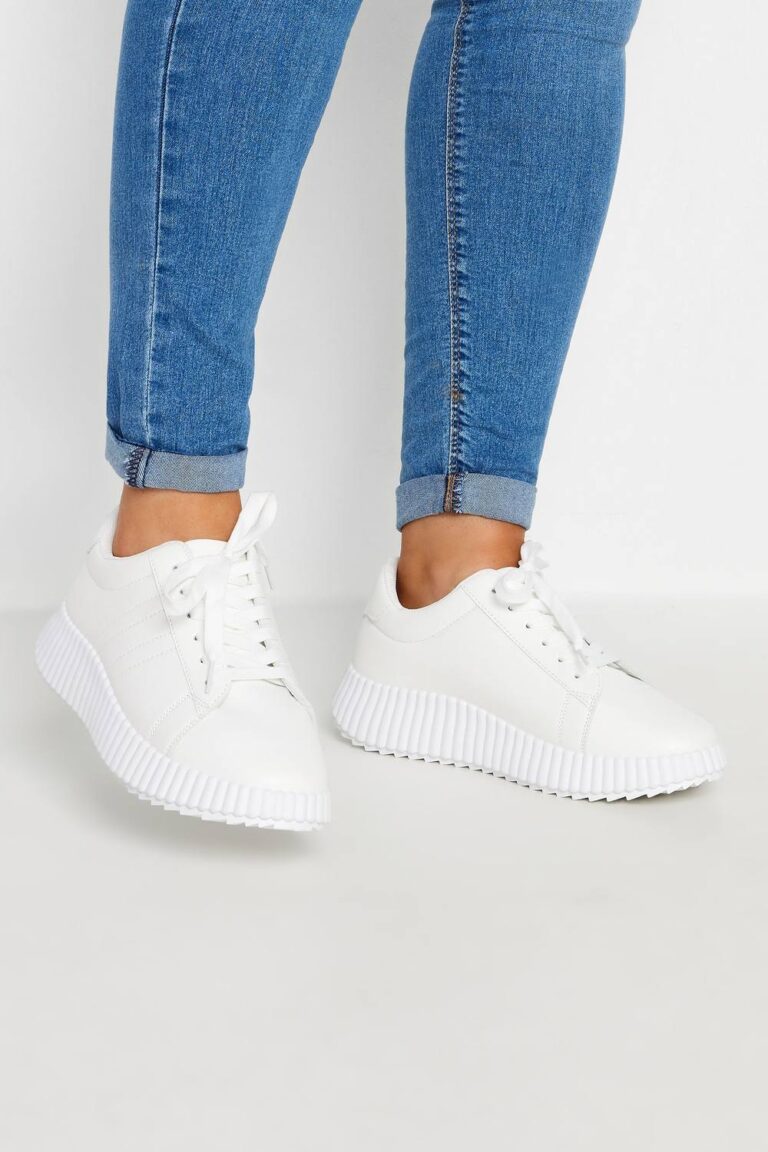 Wide Fit TrainersWide Fit White Platform Trainers to Finish Any Outfit
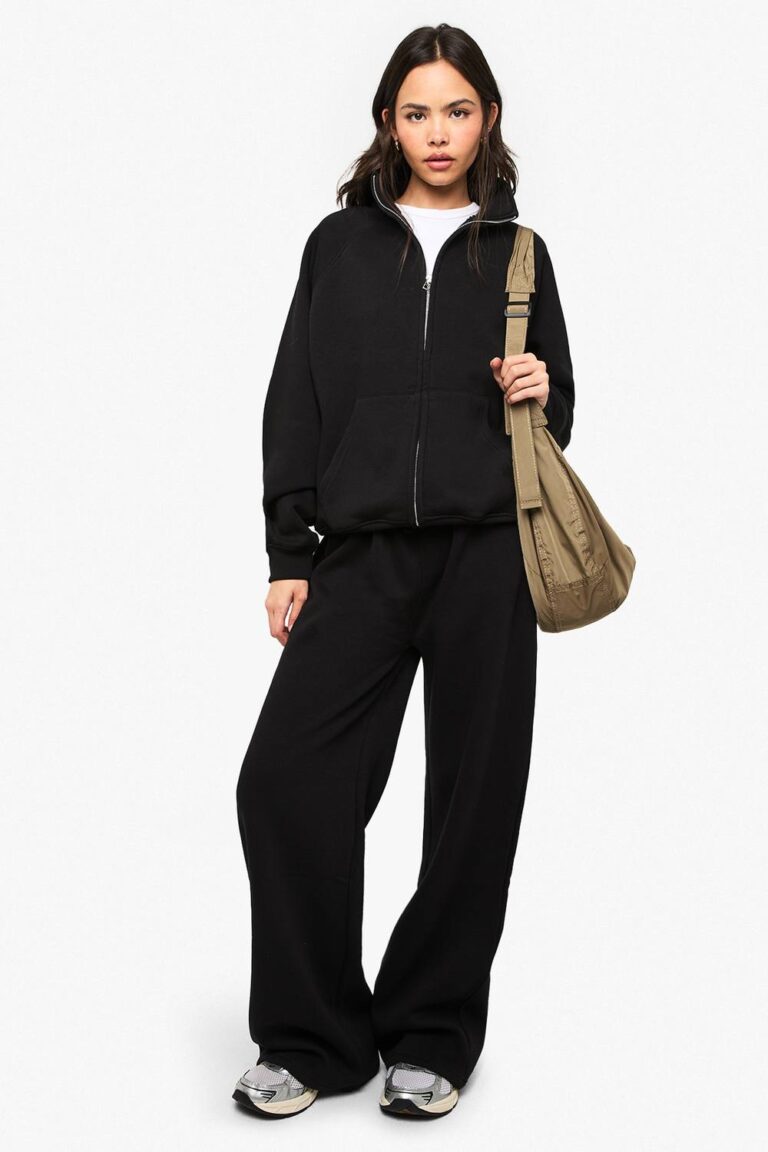
 Wide Fit TrainersWide Fit White Running Trainers That Are Actually ComfortableAlso worth a lookRunning TrainersRunning trainers have a reputation for being the one purchase worth taking seriously, and for once I think that reputation is earned.See the collections →
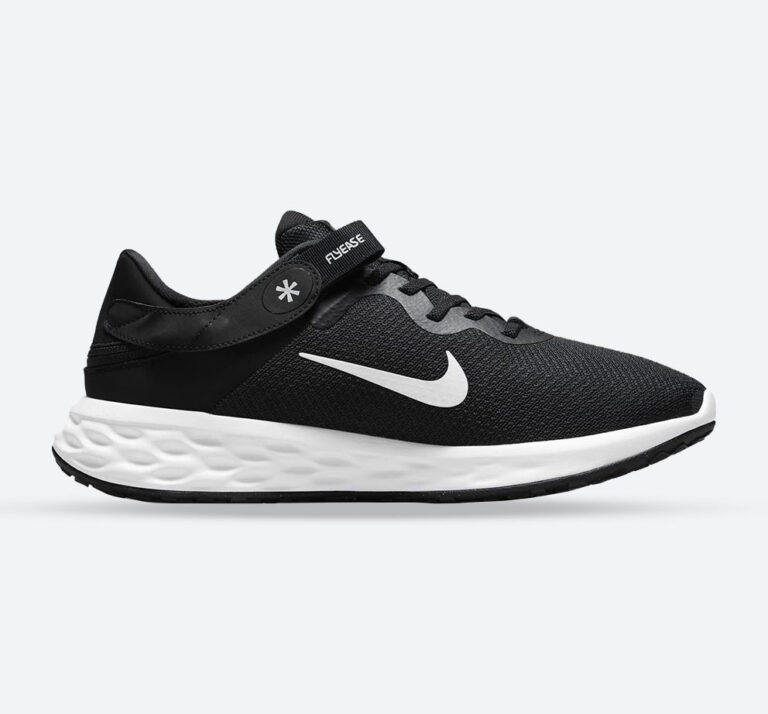
 Wide Fit TrainersThe Best Wide Fit Canvas Trainers to Shop Now
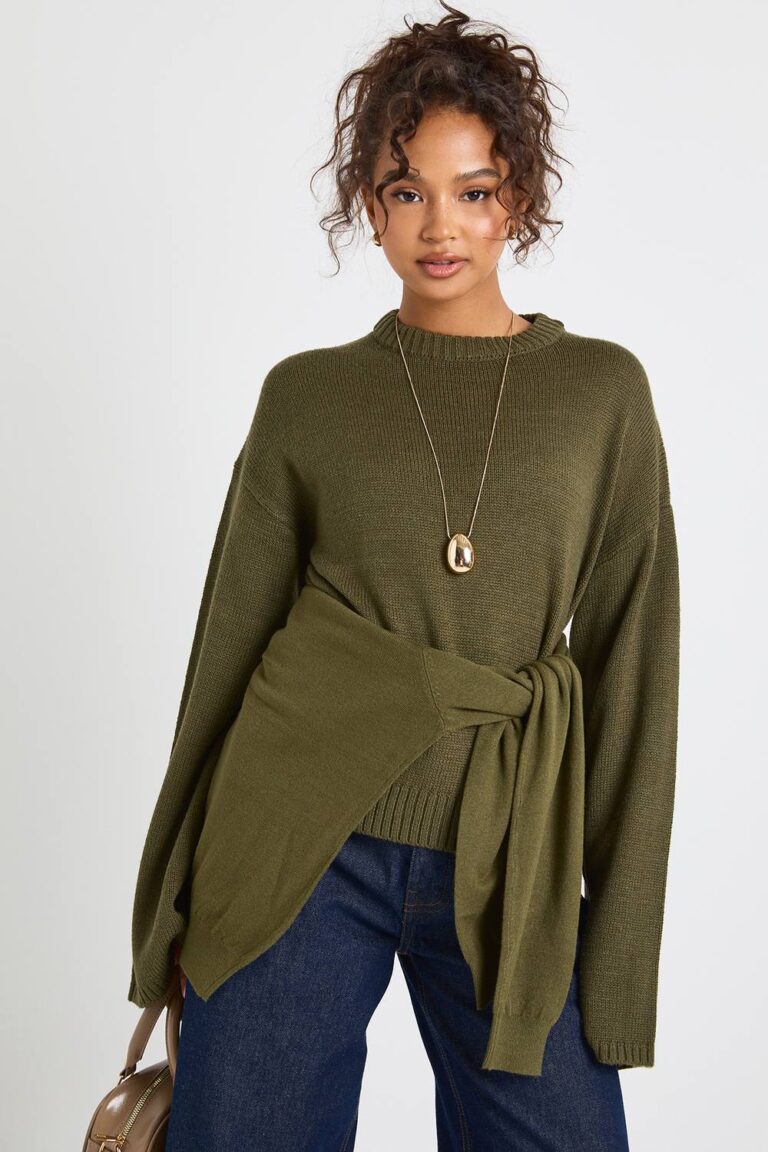
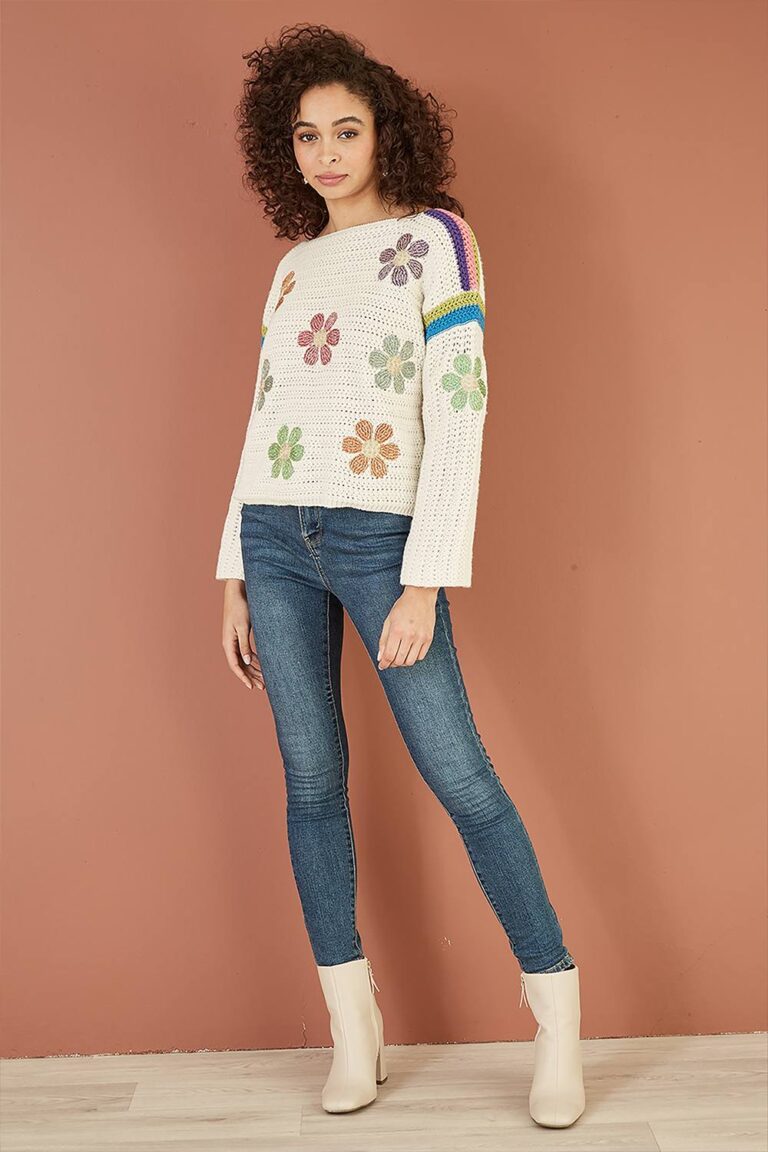 Wide Fit TrainersWide Fit Cream Trainers That Go With Everything
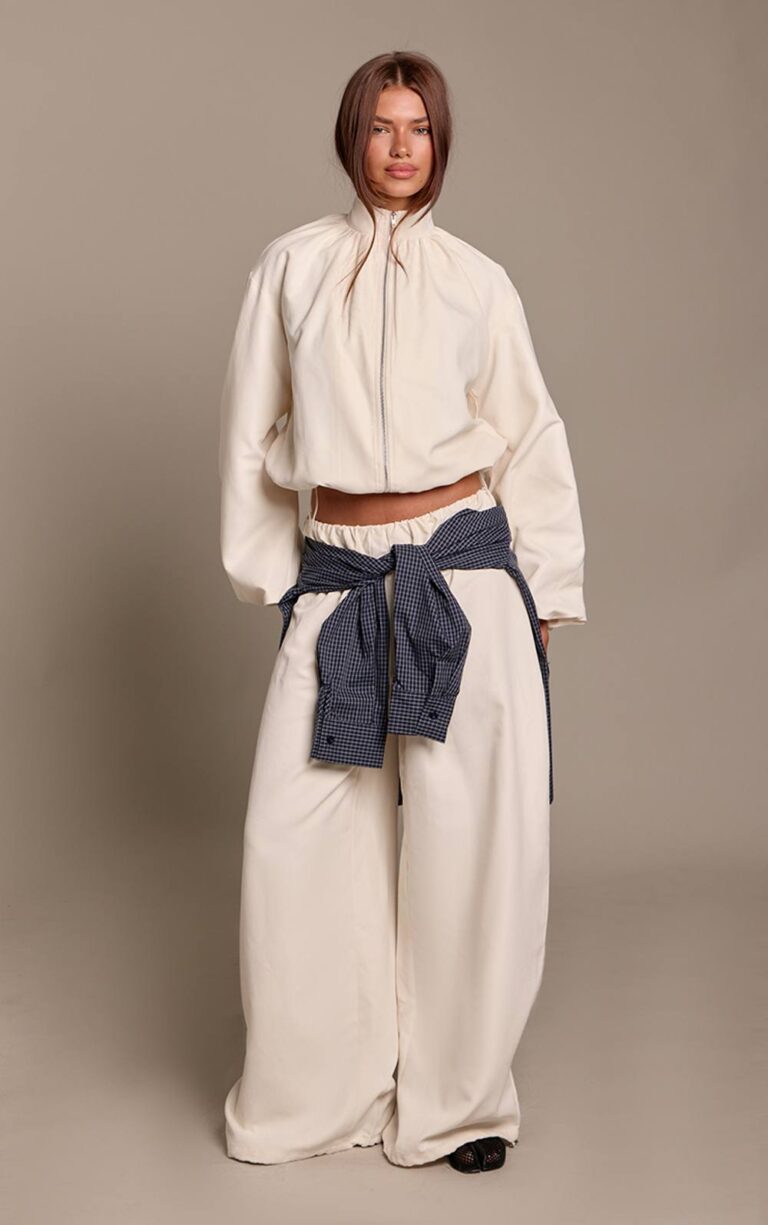
 Wide Fit TrainersWide Fit Grey Chunky Trainers That Make an Outfit
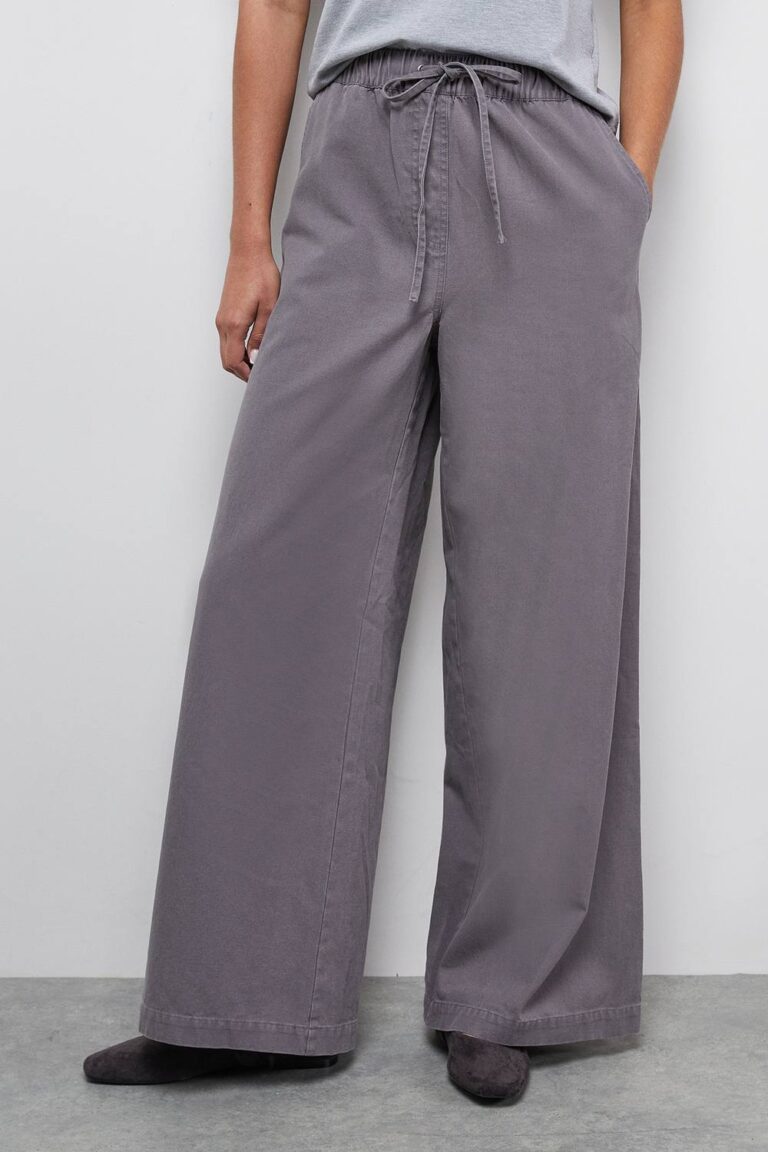
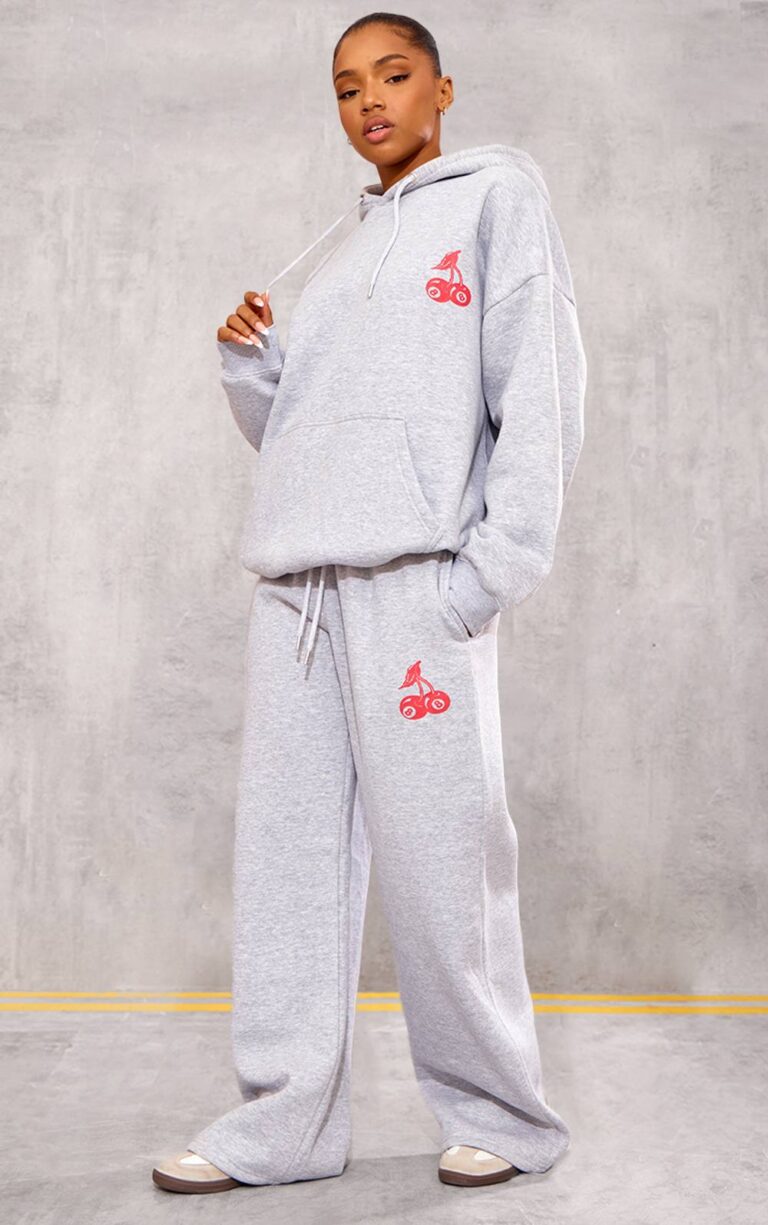 Wide Fit TrainersWide Fit Grey Sneakers That Are Actually Comfortable
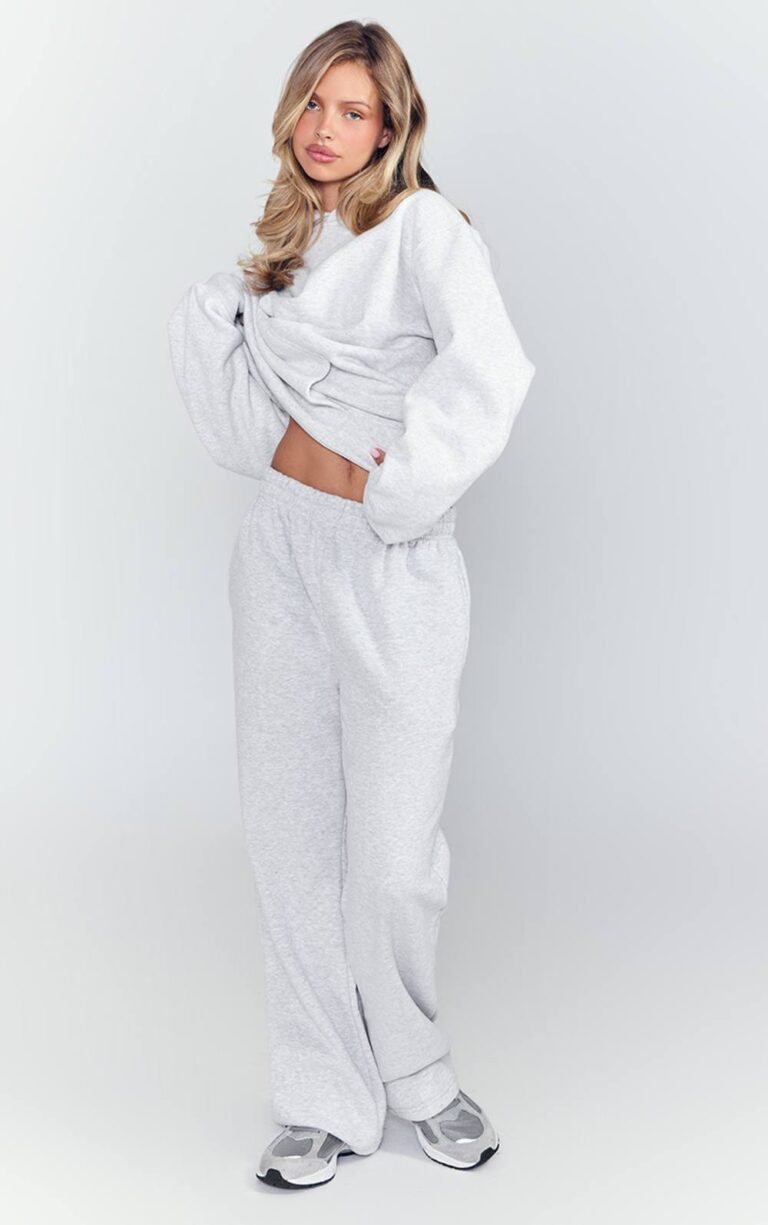
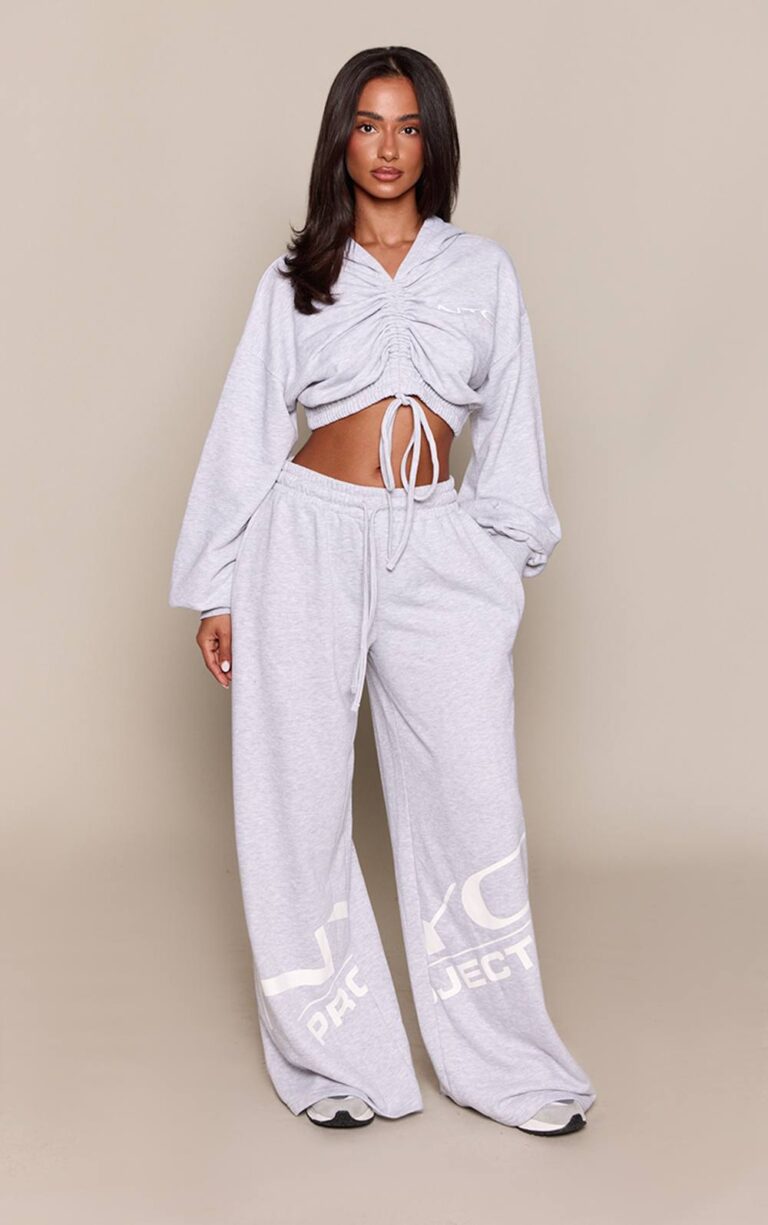 Wide Fit TrainersThe Wide Fit Grey Trainers Your Shoe Rack Needs
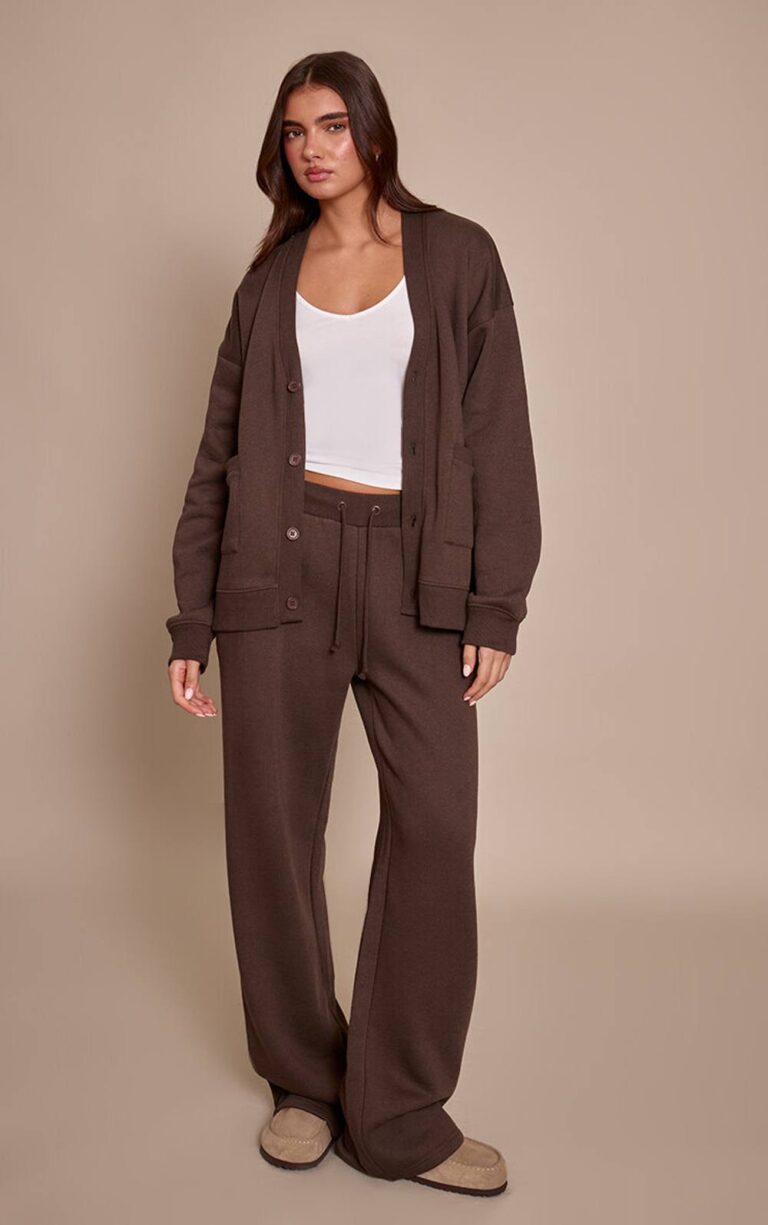
 Wide Fit TrainersThe Wide Fit Leopard Print Trainers Shortlist
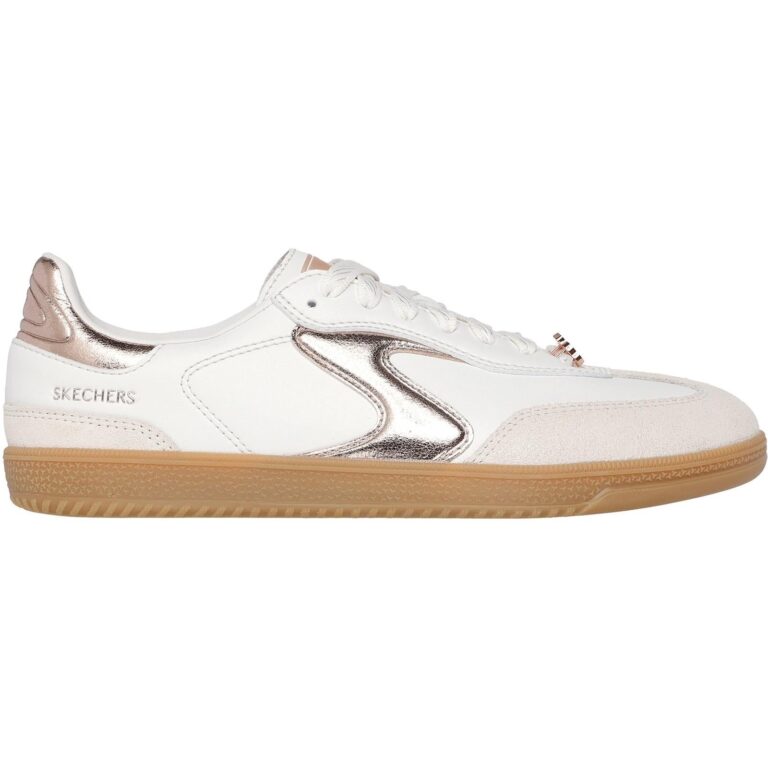 Wide Fit TrainersShop the Edit: Wide Fit Metallic Sneakers
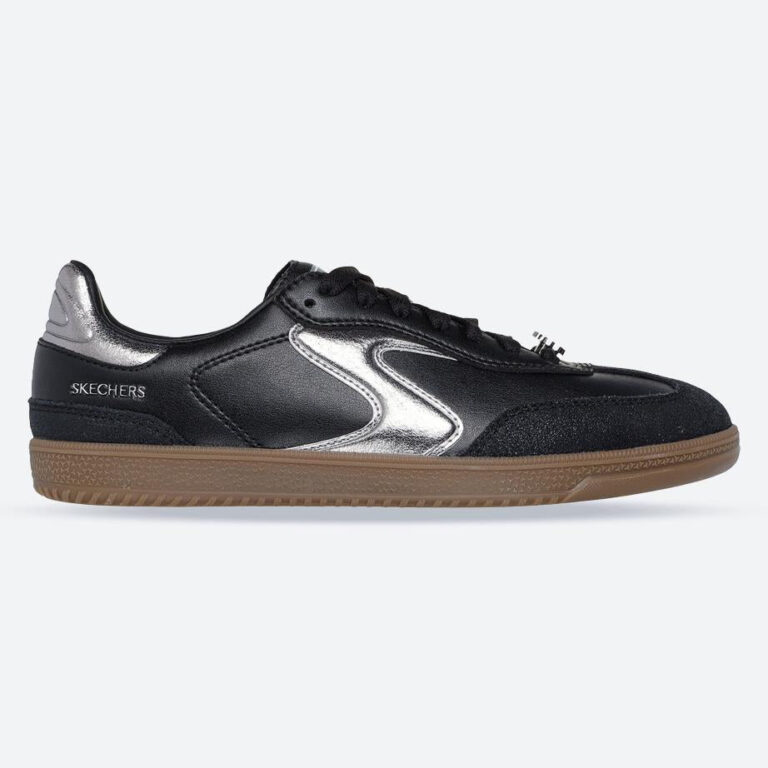
 Wide Fit TrainersOur Kind of Wide Fit Metallic Trainers