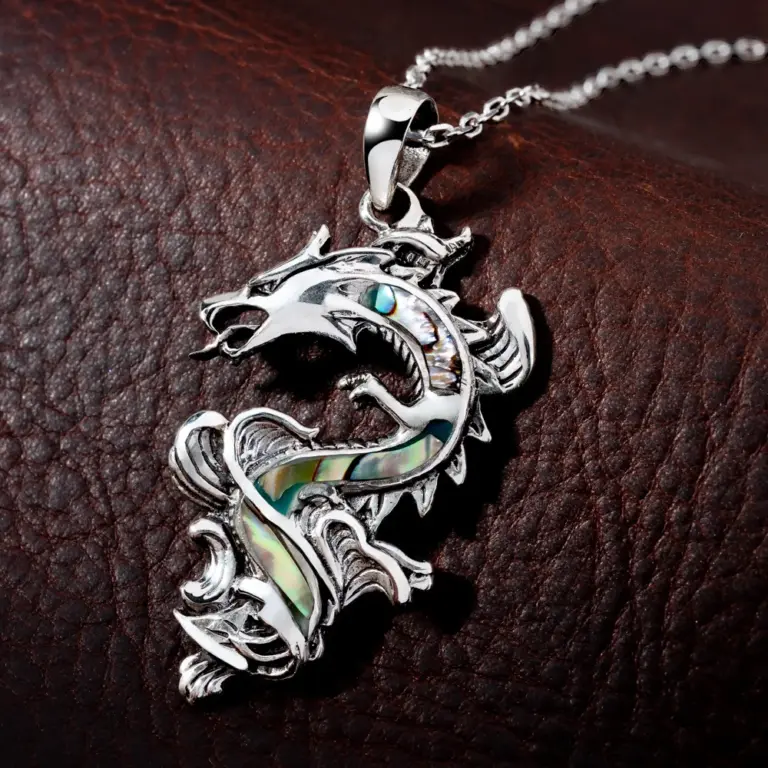
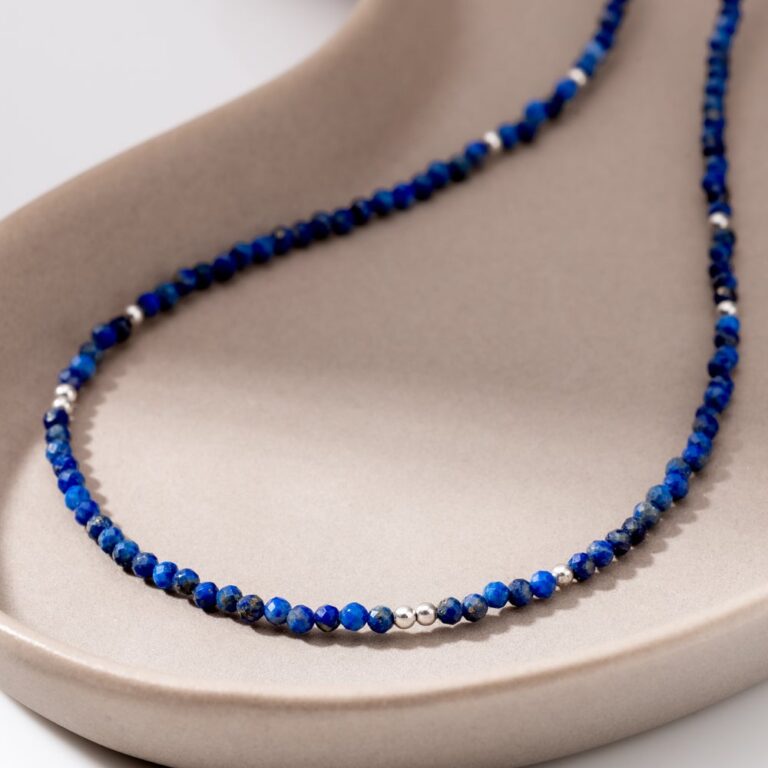
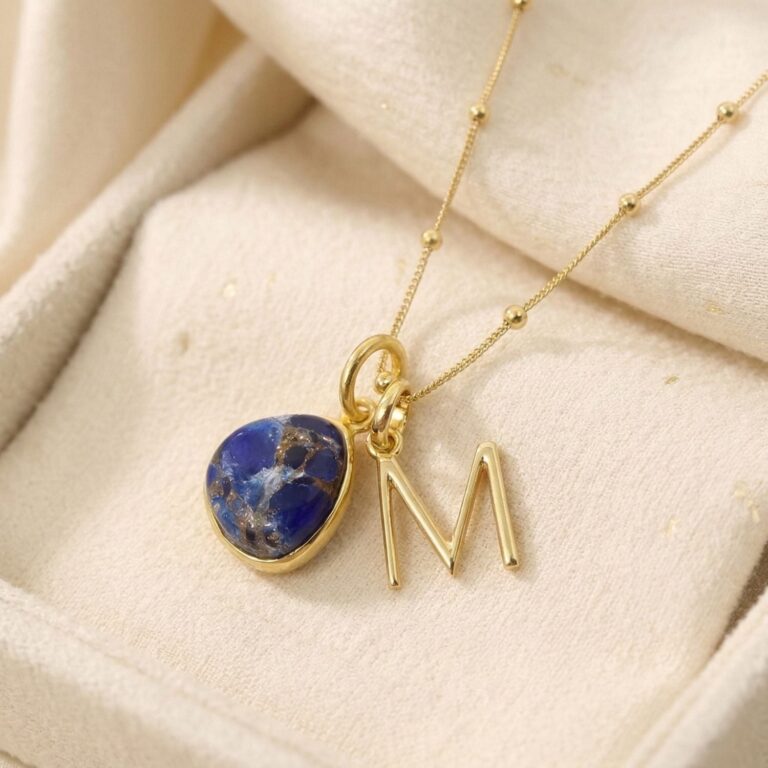
Blue necklaces come into their own around now, when everything in the shops has gone black, grey and camel and your neck is crying out for a bit of colour that isn't Christmas red. A blue pendant against a plain jumper does more for a dull outfit than another pair of earrings ever will, and it works just as well in April as it does in December, which is more than I can say for most of my sparkly stuff.
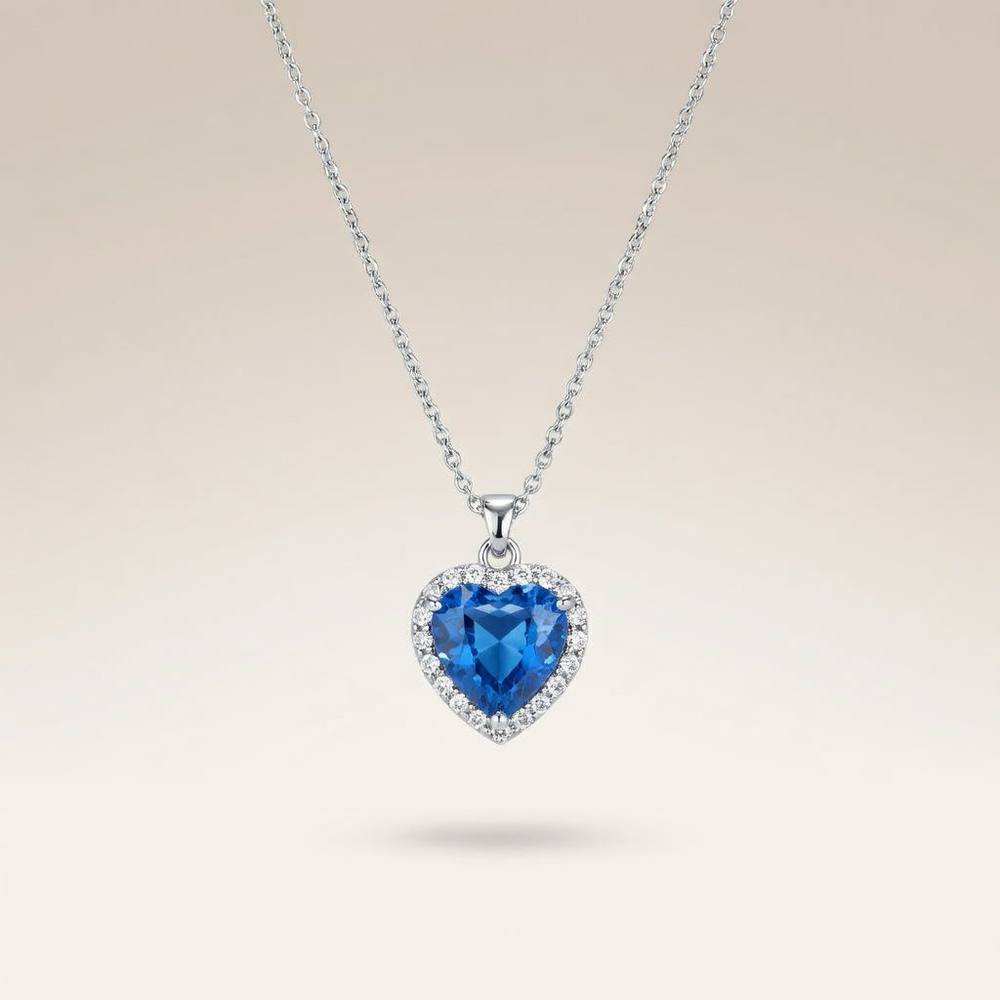
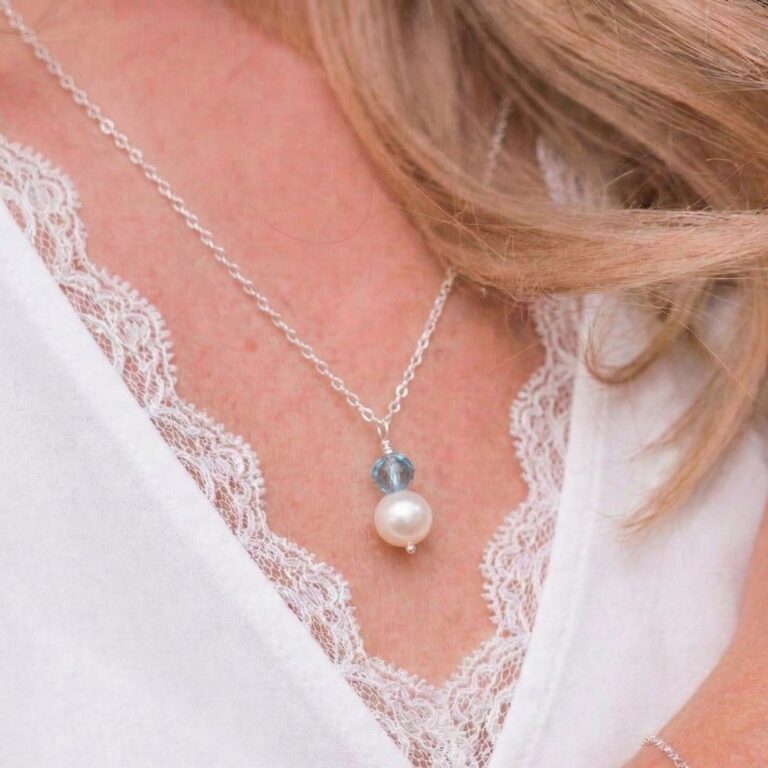
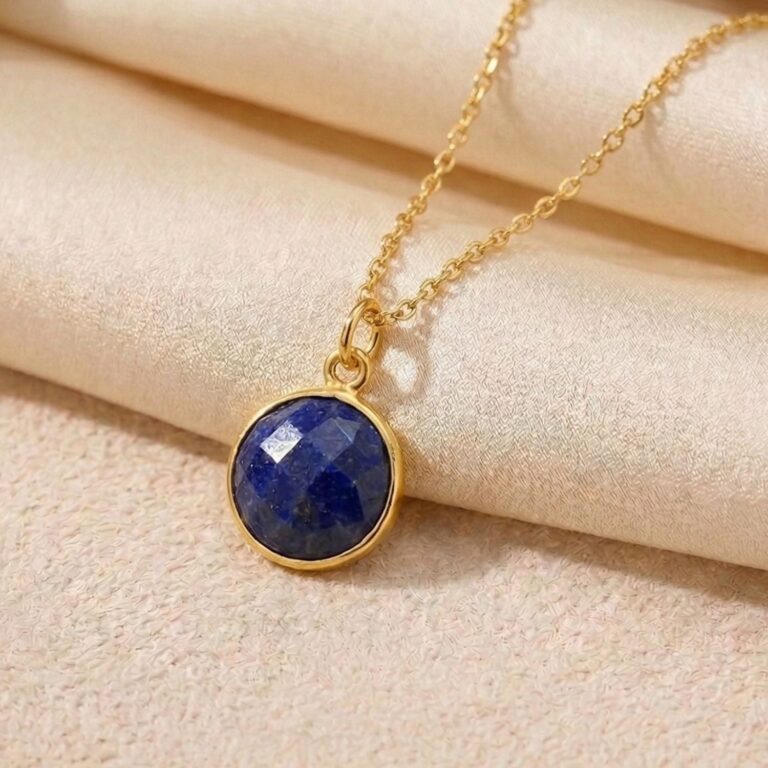
If you've got none, start with a single small stone pendant on a fine chain rather than anything chunky or statement. It's the one that goes under a collar, over a roll neck, with a blazer, with nothing, and it won't fight with other jewellery while you're working out what you actually like. Chunkier blue pieces, beaded chokers, big glass drops, are brilliant but they want a plain outfit built around them, and I learned that the hard way wearing a lapis style bib necklace with a patterned shirt that already had enough going on, the whole thing looked like an argument.
On colour, go for a mid or deep blue before you go near anything pale or bright. Navy, sapphire, that proper denim blue, these read as almost neutral and sit next to gold or silver without a fuss. Pale blue and turquoise are gorgeous but they're pickier about what they're worn with, and a very bright cobalt can start to look like a costume piece rather than jewellery if the stone's too big. Mixed finish pieces, a blue stone set in a slightly aged gold setting rather than a shiny one, tend to look more expensive than they cost and age better too.
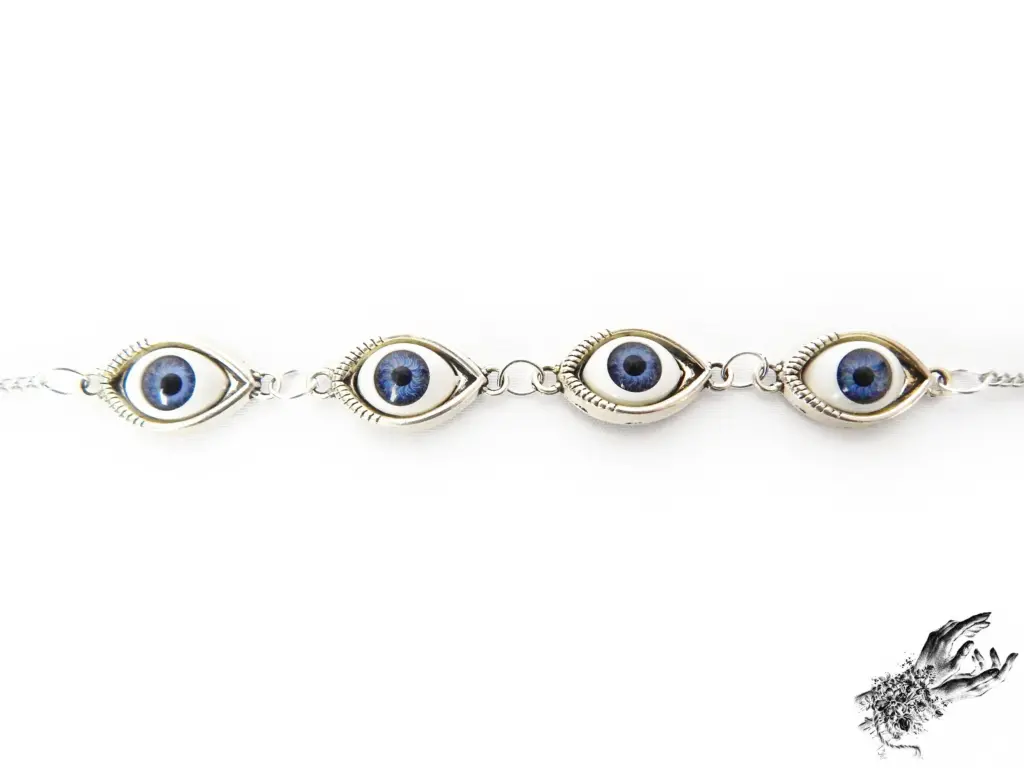
How it wears depends almost entirely on what the blue actually is. Genuine stone, like lapis or turquoise, is porous and will dull if you're spraying perfume directly onto it or swimming in it, so put it on last and take it off first. Glass and enamel blues are tougher day to day but enamel can chip at the edge if it knocks against something hard, so I don't wear mine gardening, not that I garden much, but you get the idea. Either way, a soft cloth after wearing and keeping it away from the bottom of a jewellery box full of chains it can get scratched by will keep it looking right for years rather than months.
In the shop, check the setting holds the stone properly with no visible gap or wobble, check the clasp actually opens and closes without three attempts, and hold the piece up to see if the blue looks different in daylight than it did under the shop lights, because it very often does.
 Chain NecklacesBlue Vintage Chain Necklaces: The Ones Worth Your Money
 Blue Vintage Necklaces We Love Right Now
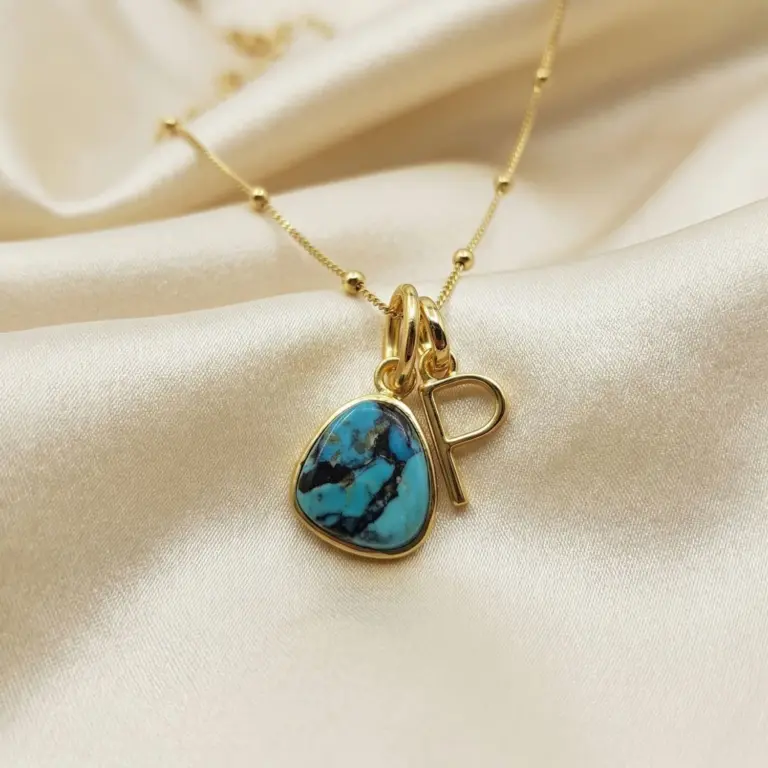 Name NecklacesBlue Turquoise Name Necklaces That Add a Little Sparkle
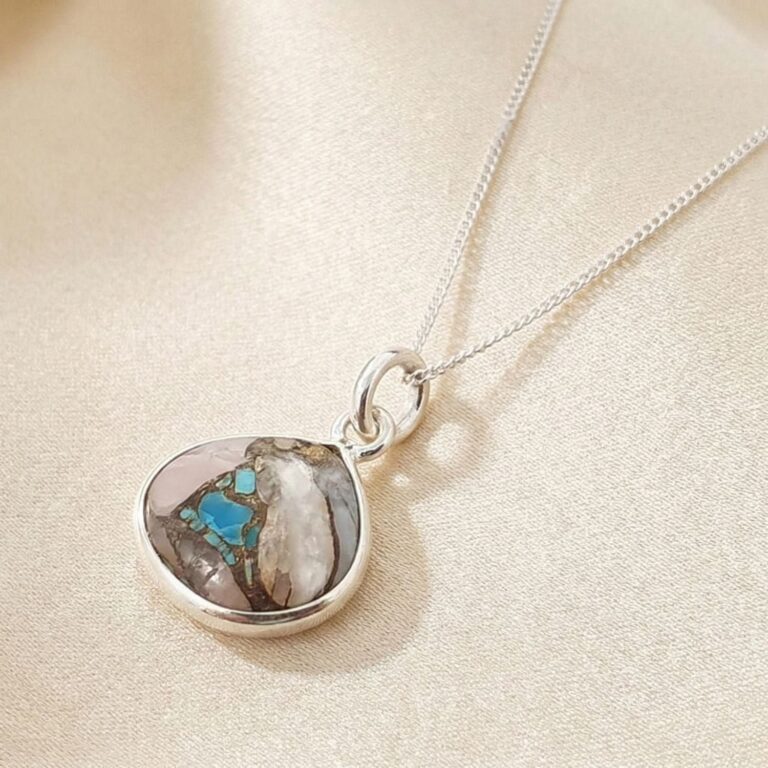 The Blue Turquoise Necklaces We’d Wear Daily
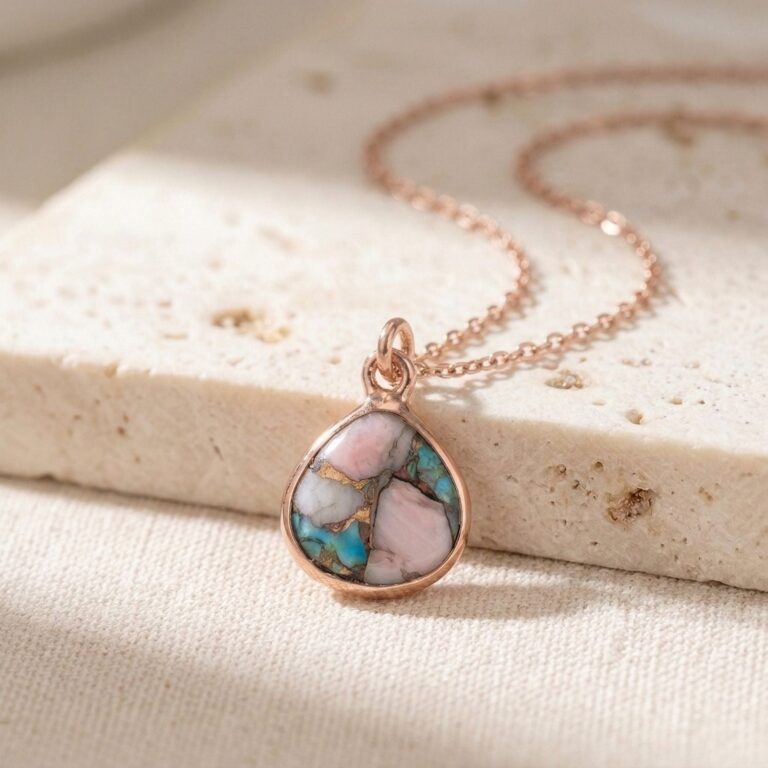
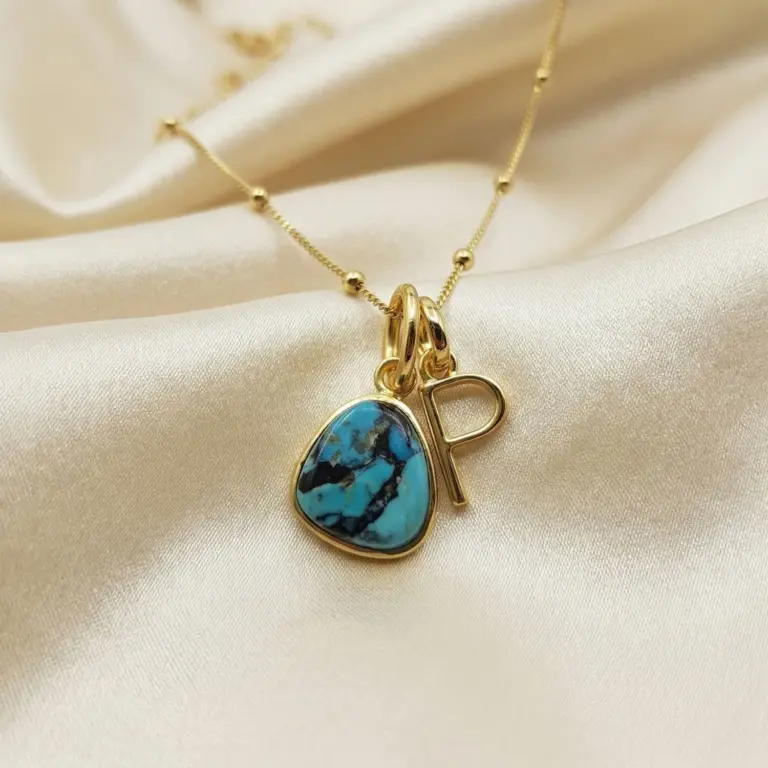 Chain NecklacesOur Shortlist of Blue Turquoise Chain Necklaces
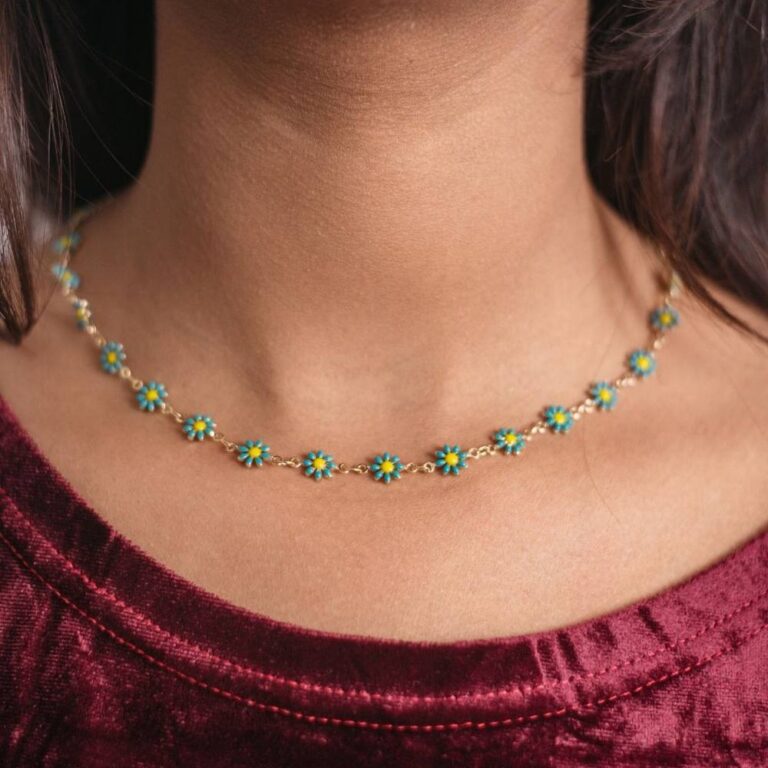
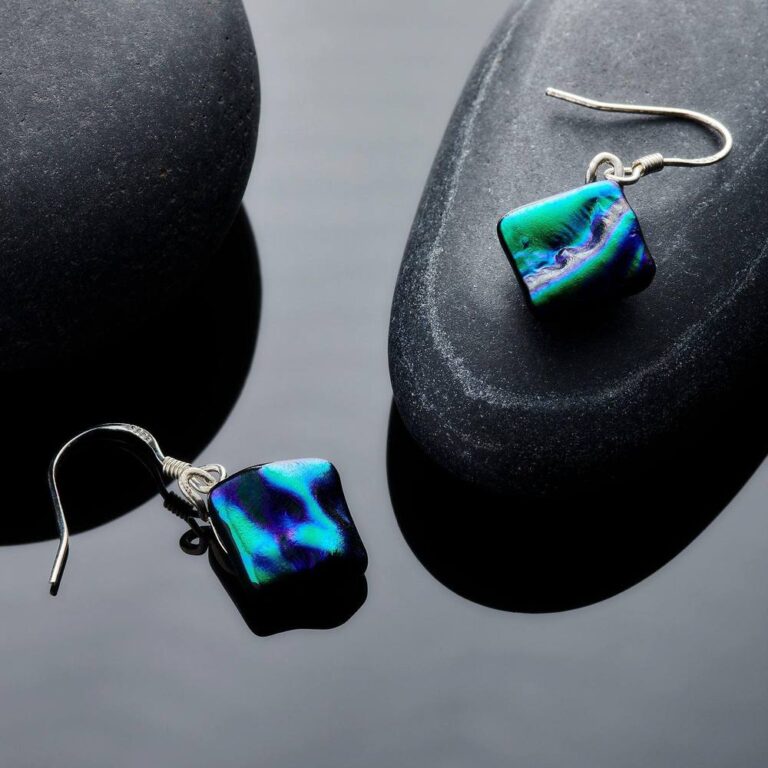 Chain NecklacesOur Kind of Blue Statement Chain Necklaces

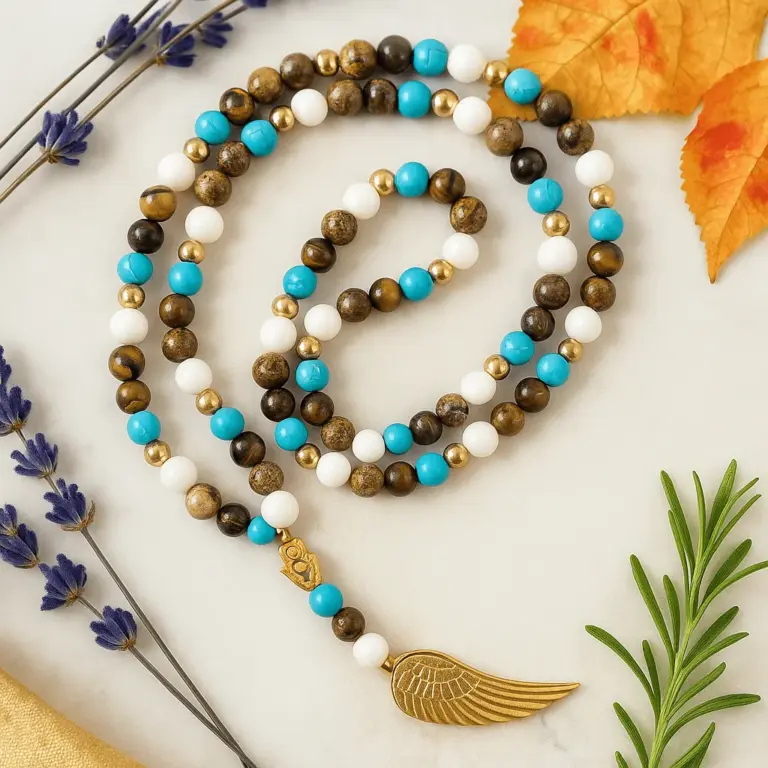 Layered NecklacesBlue Statement Layered Necklaces: The Ones Worth Your Money
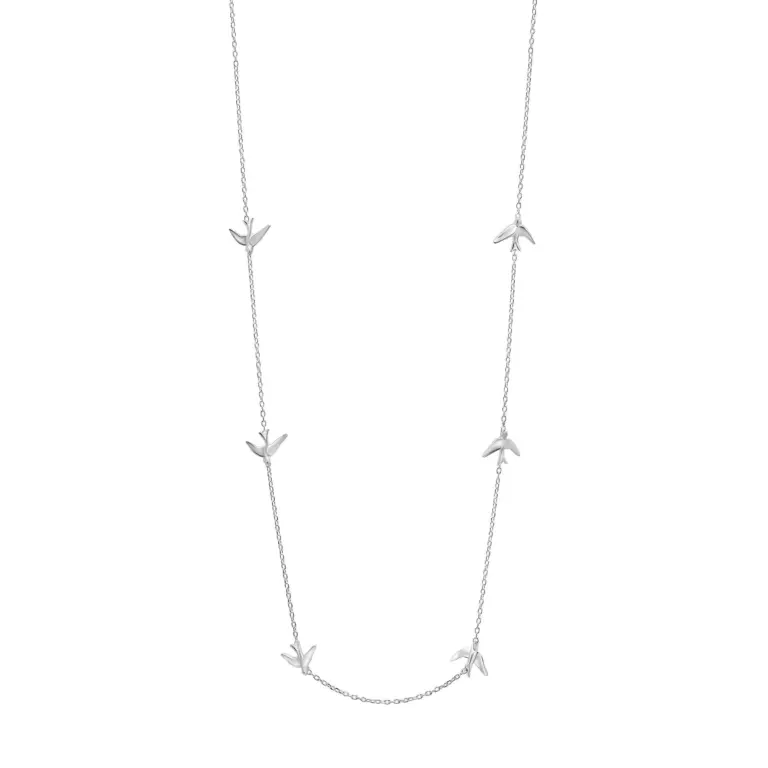
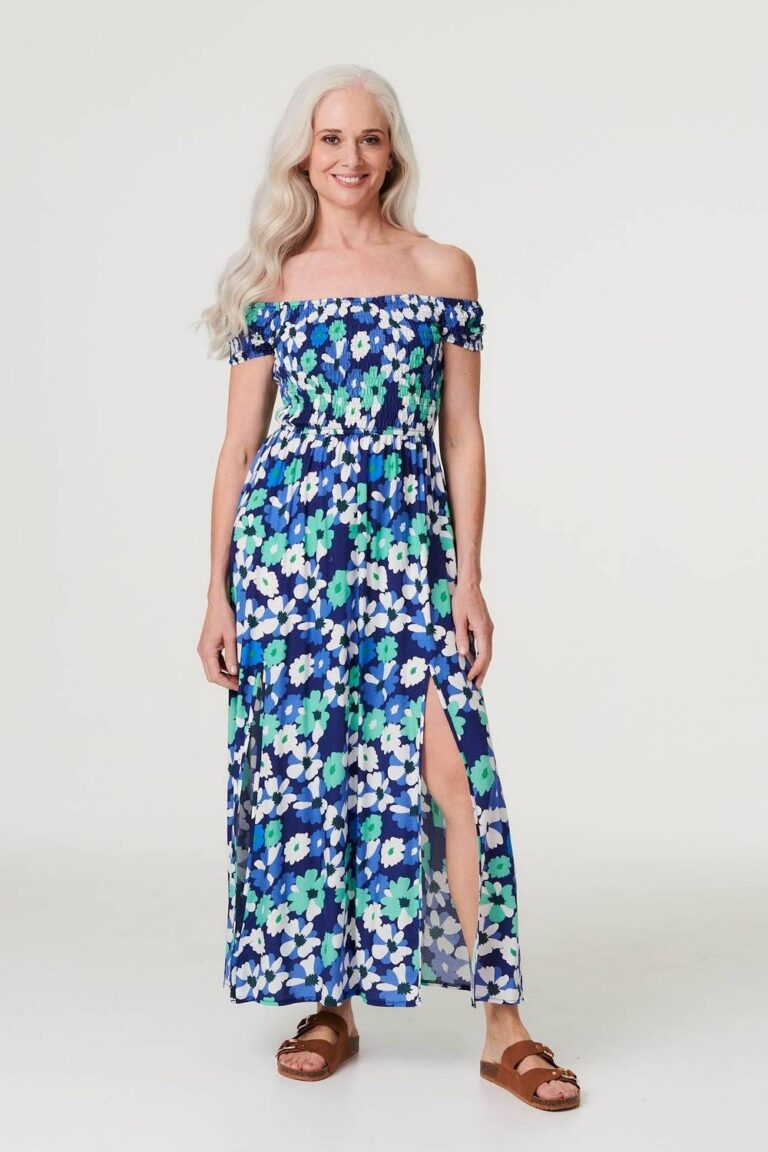 Delicate to Bold: Our Favourite Blue Statement Necklaces
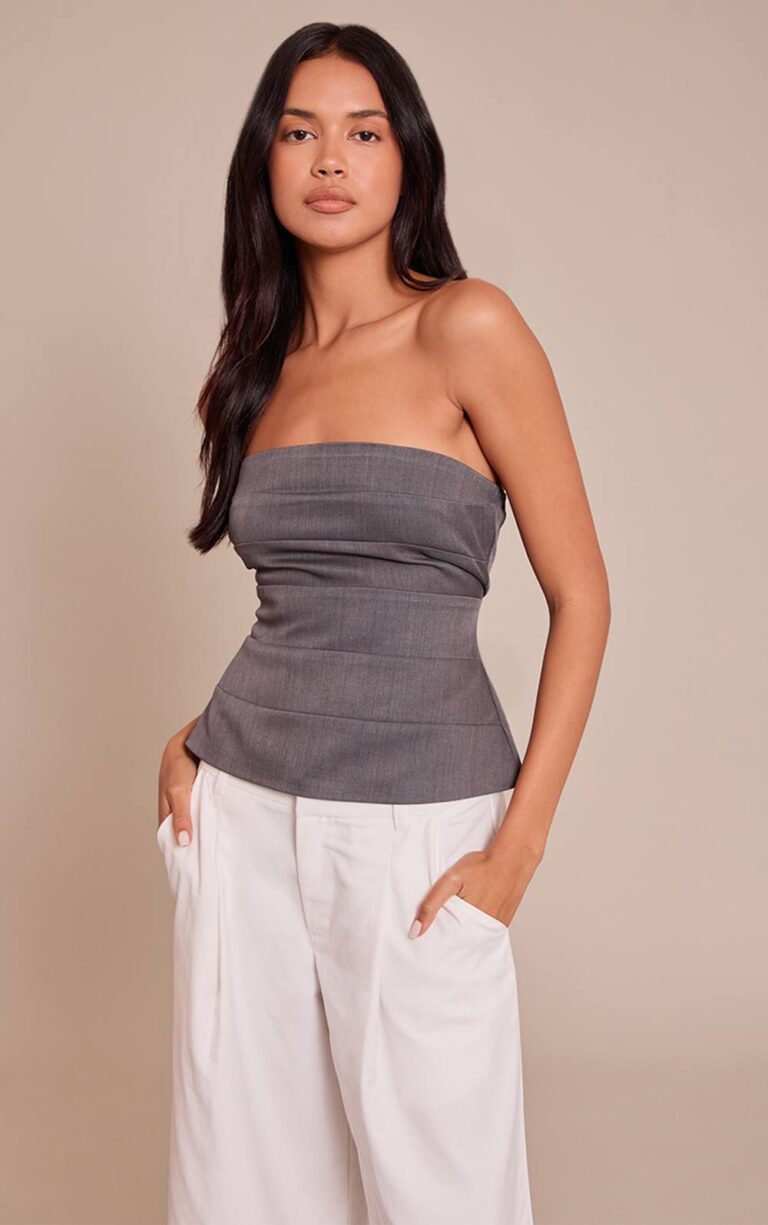
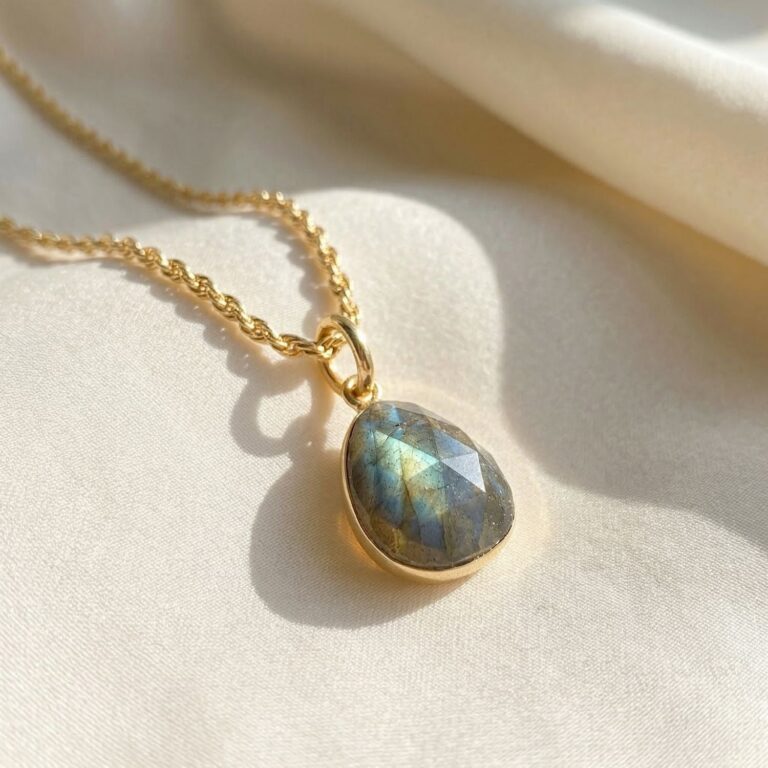 Pendant NecklacesThe Blue Statement Pendant Necklaces We’d Wear DailyAlso worth a lookChain NecklacesA chain necklace is the one piece of jewellery that looks deliberate even when you've grabbed it off…See the collections →

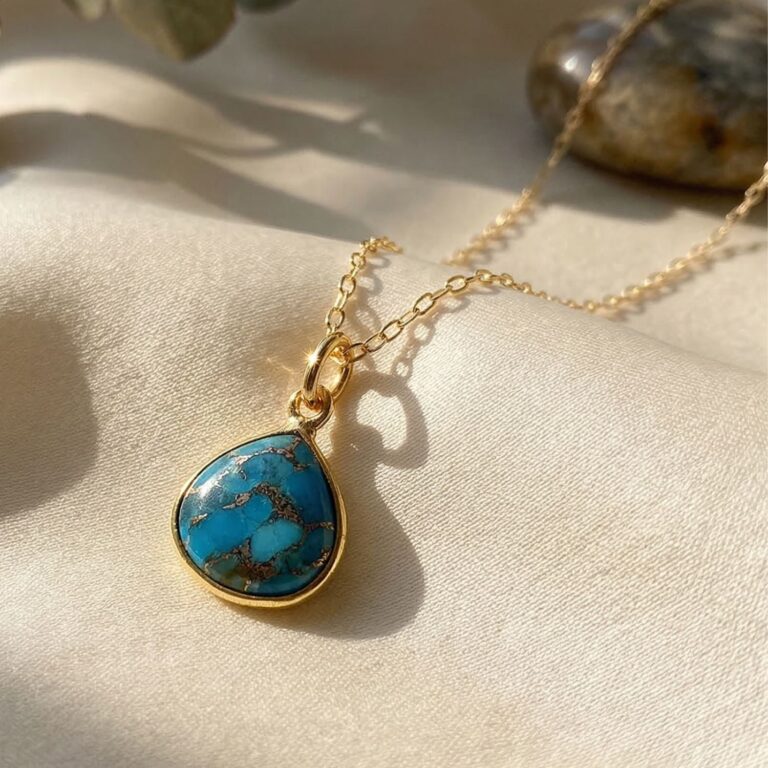 Sterling Silver NecklacesBlue Sterling Silver Birthstone Necklaces That Make a Lovely Gift

 Sterling Silver NecklacesBlue Sterling Silver Chain Necklaces We Think You’ll Love
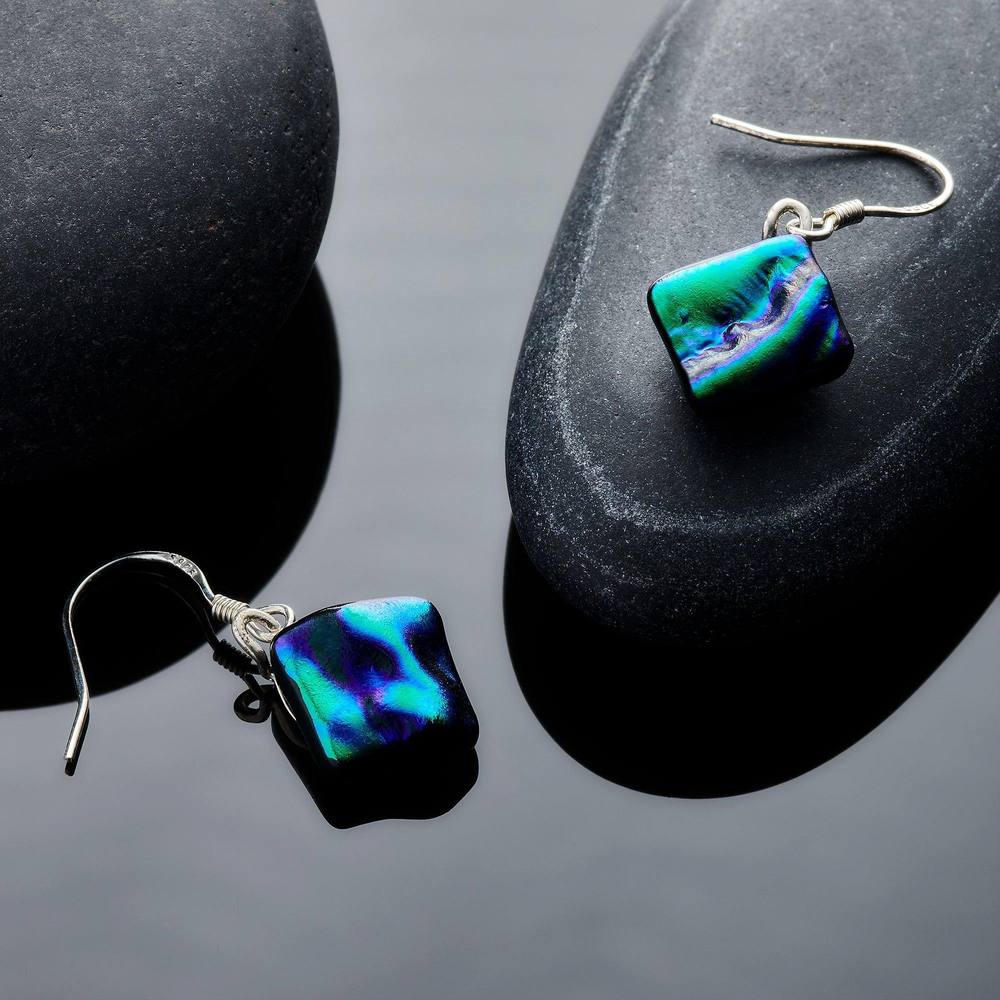
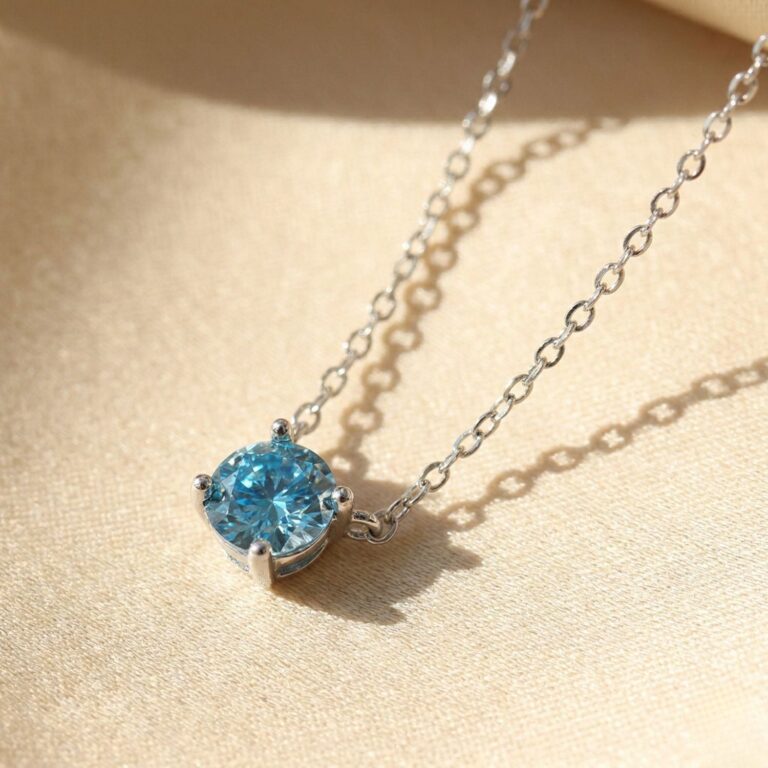 Sterling Silver NecklacesBlue Sterling Silver Necklaces: Our Honest Shortlist
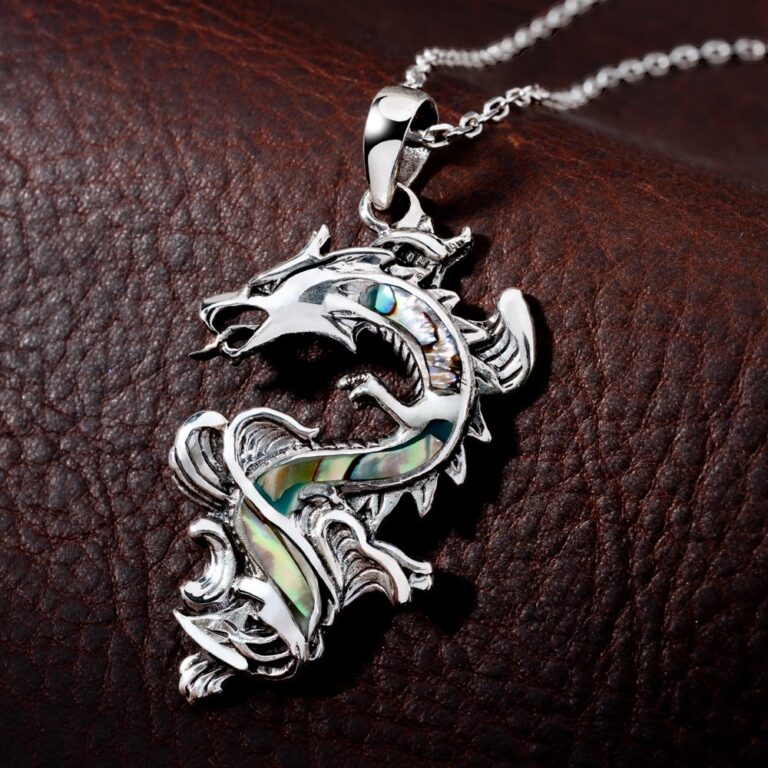
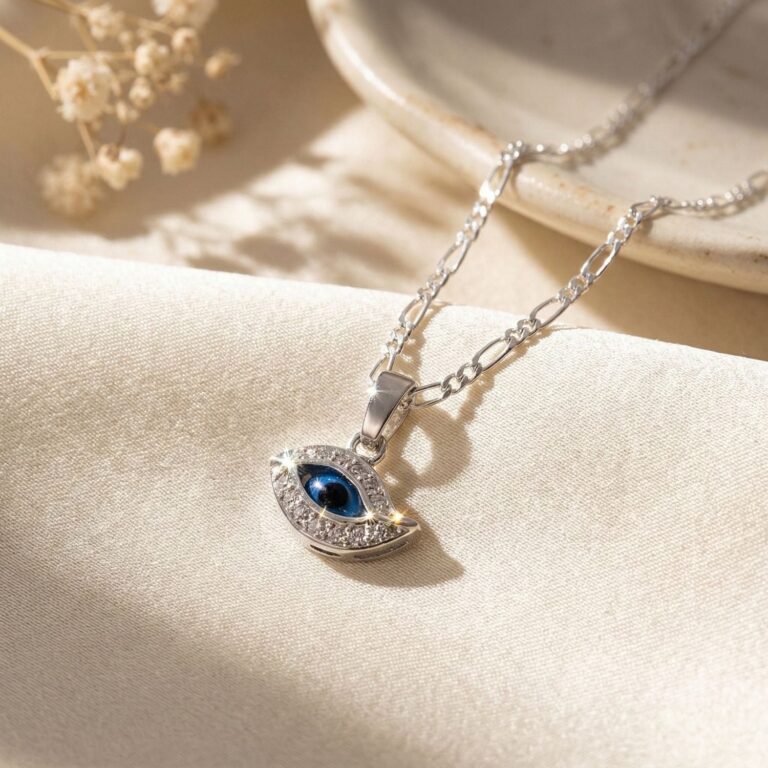 Sterling Silver NecklacesOur Edit of the Best Blue Sterling Silver Pendant Necklaces
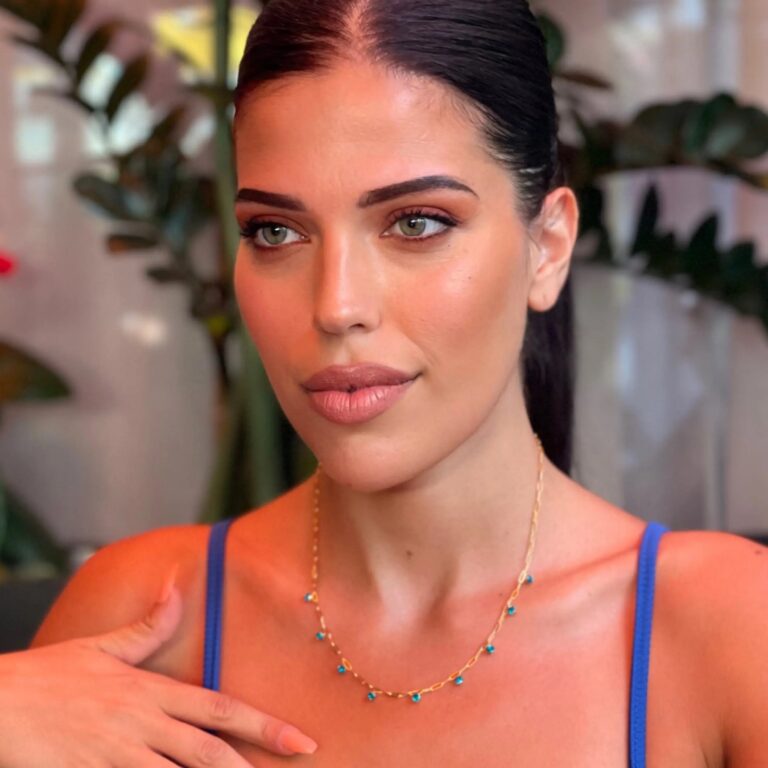 Chain NecklacesBlue Stainless Steel Chain Necklaces We’d Buy Again

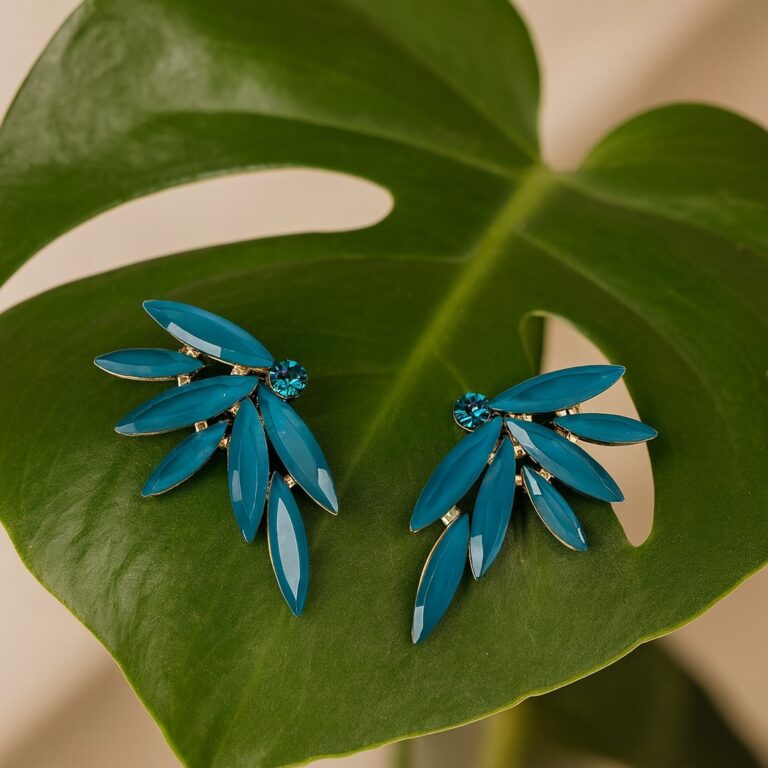 Blue Stainless Steel Necklaces: Picks We Stand By
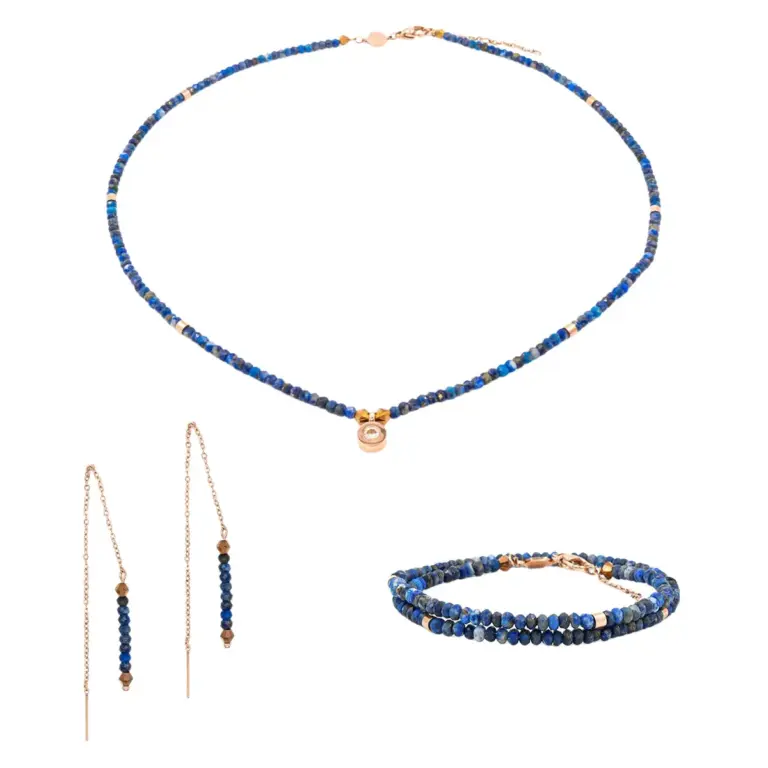
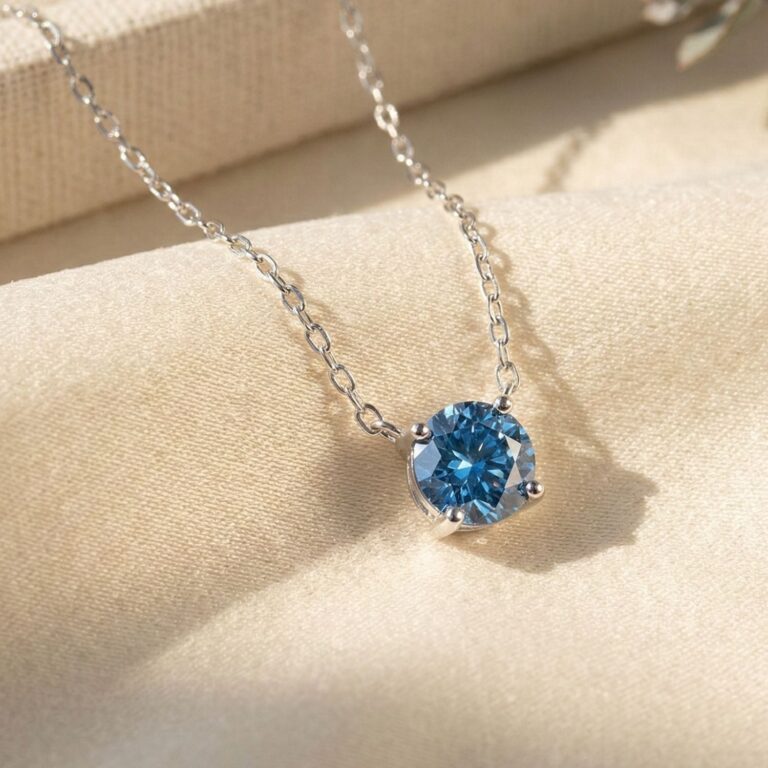 Silver Plated NecklacesBlue Silver Plated Birthstone Necklaces We’ve Been Saving
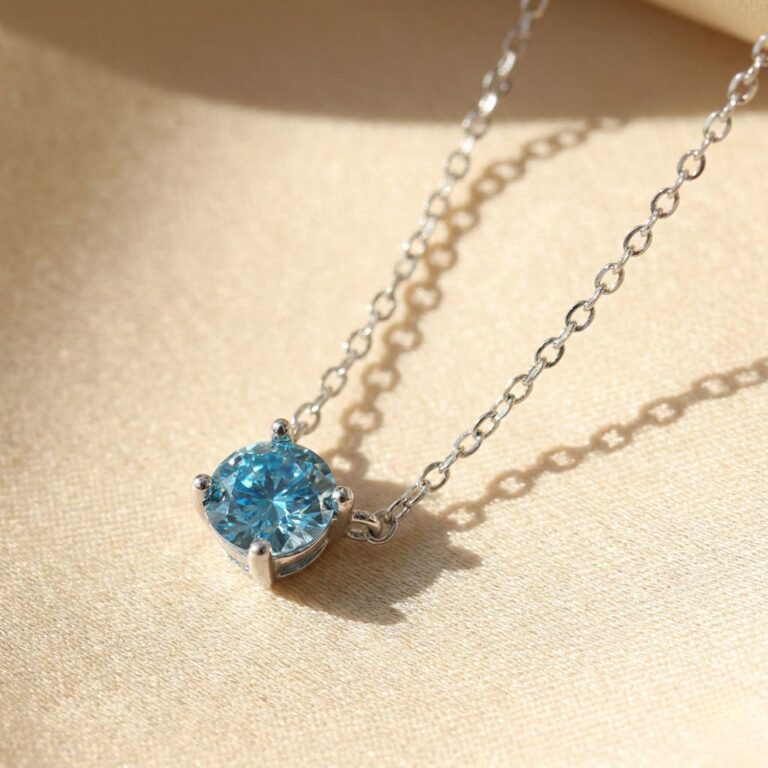
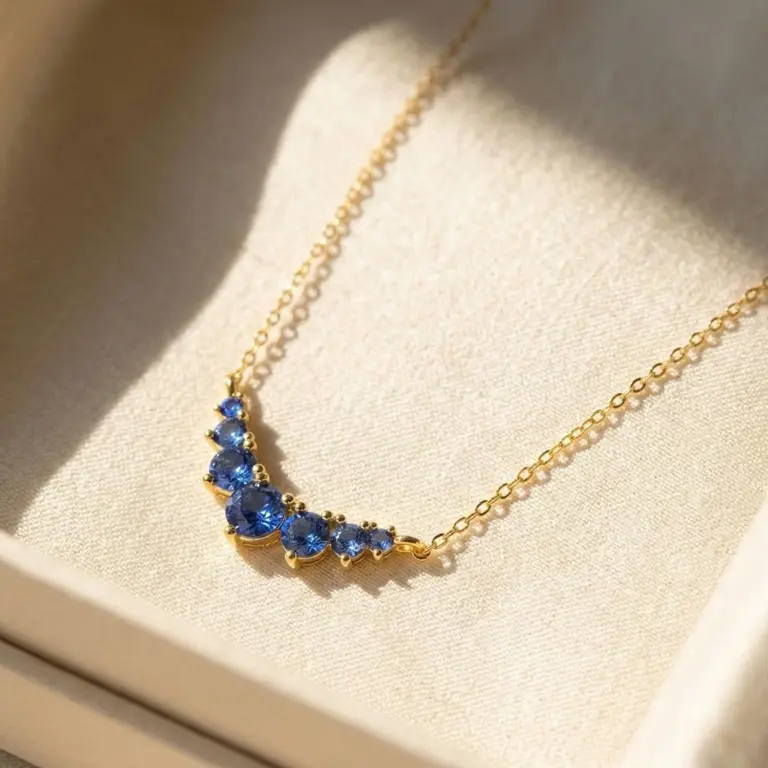 Silver Plated NecklacesBlue Silver Plated Chain Necklaces That Finish Any Look
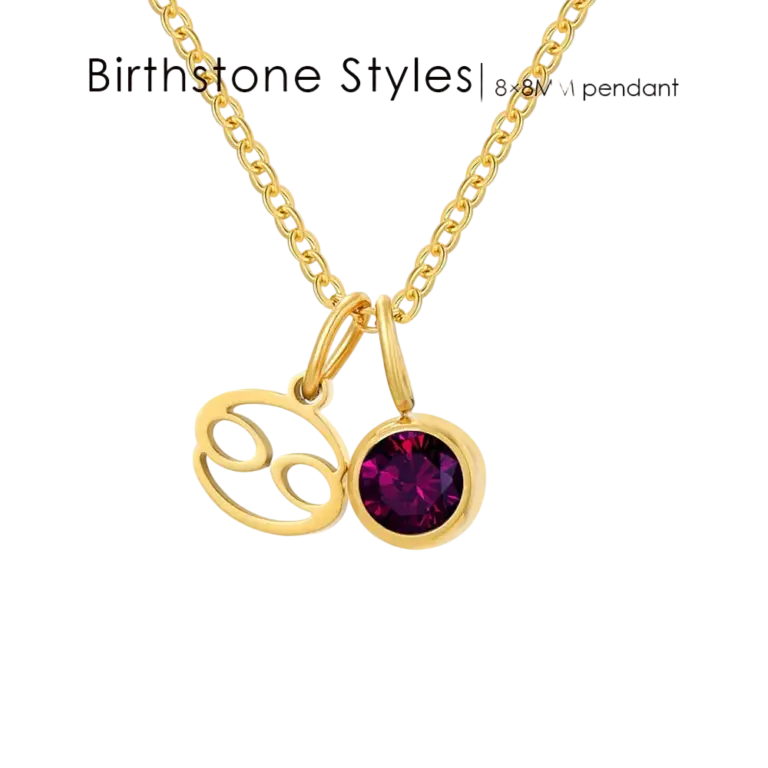
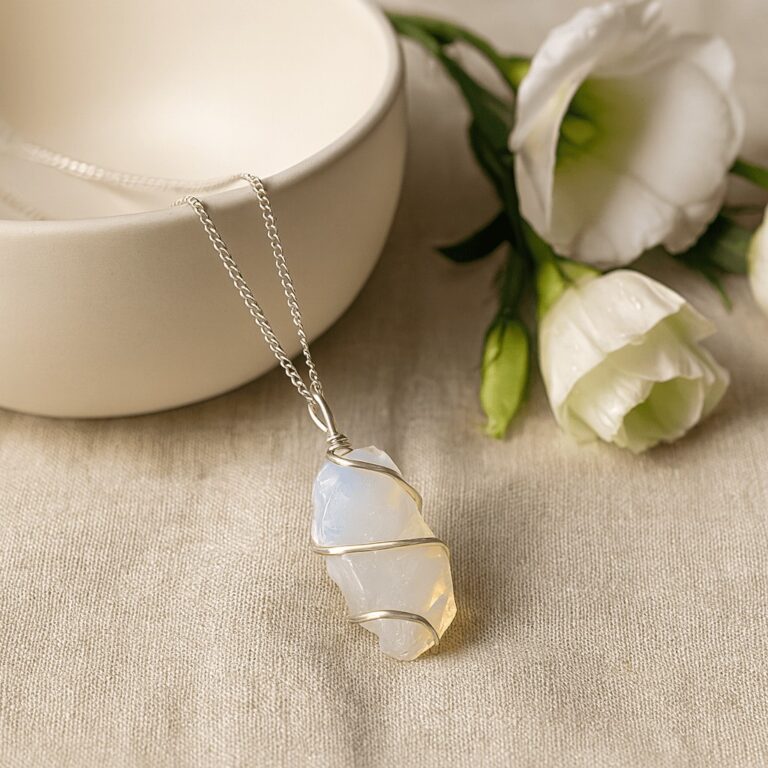 Silver Plated NecklacesBlue Silver Plated Necklaces Worth a Closer LookAlso worth a lookPendant NecklacesYou can spot a good pendant from across a room by how it sits, flat and settled against…See the collections →

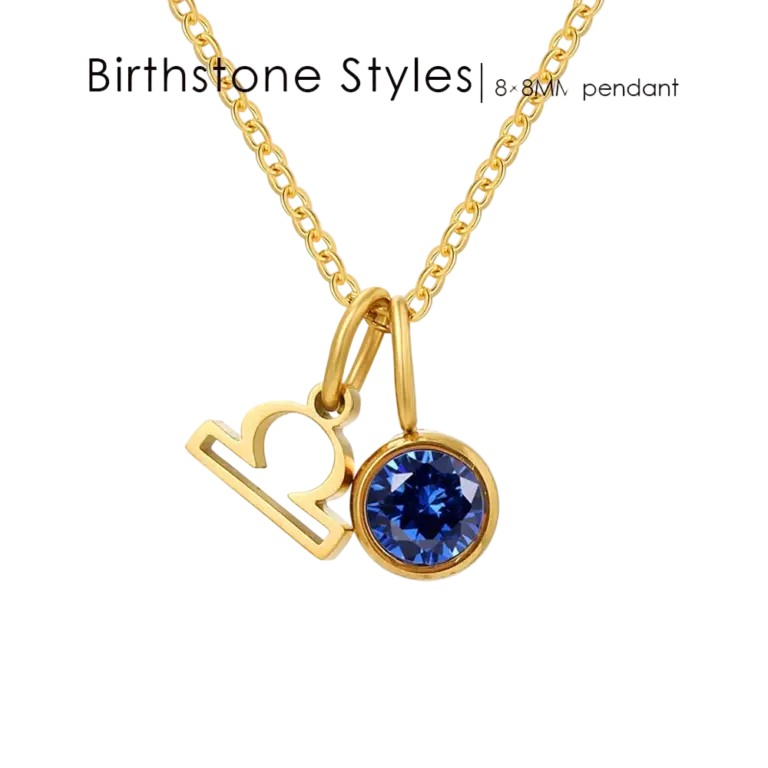 Silver Plated NecklacesThe Edit: Blue Silver Plated Pendant Necklaces
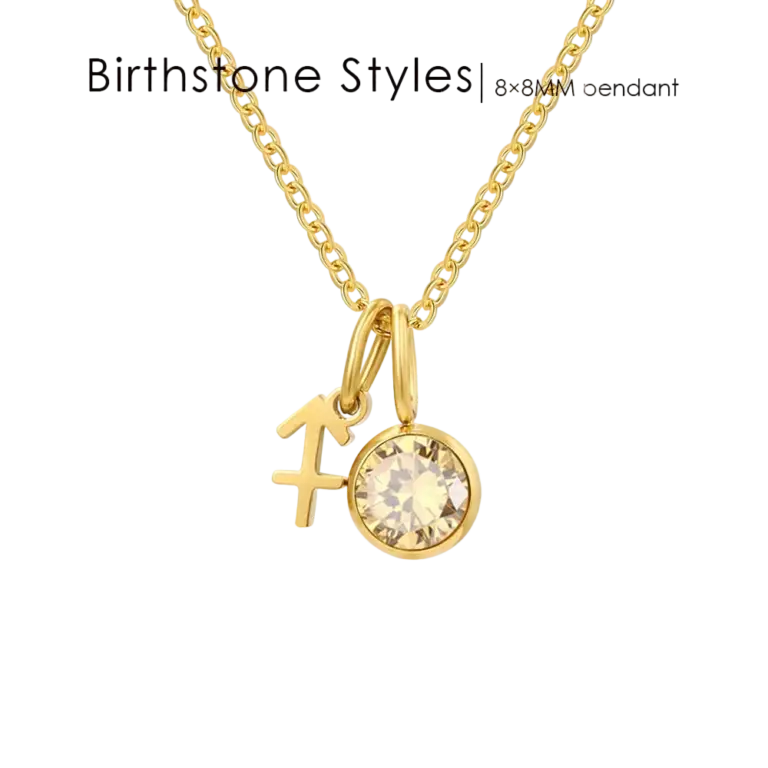
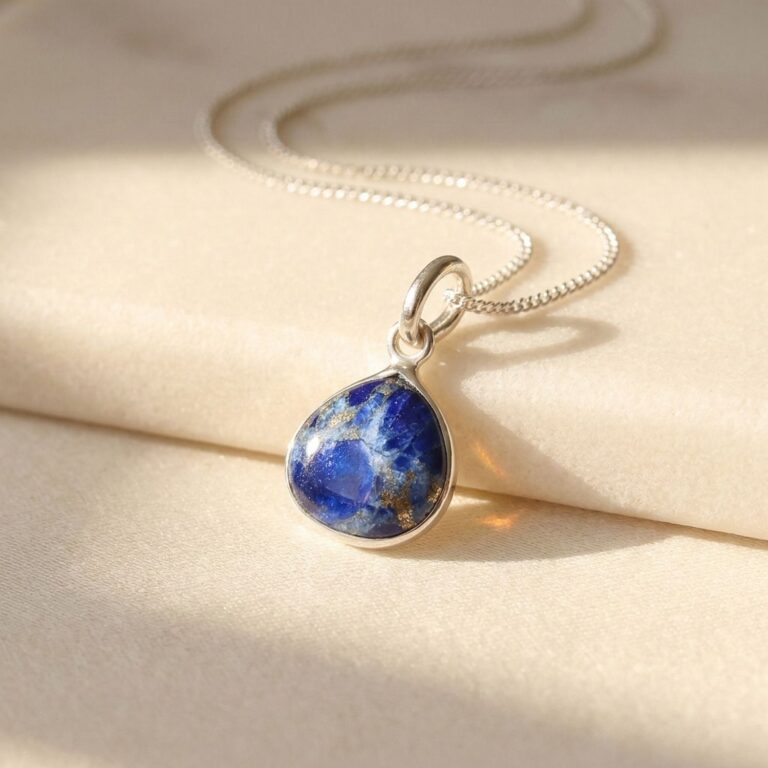 Pendant NecklacesThe Best Blue Sapphire Pendant Necklaces to Shop Now
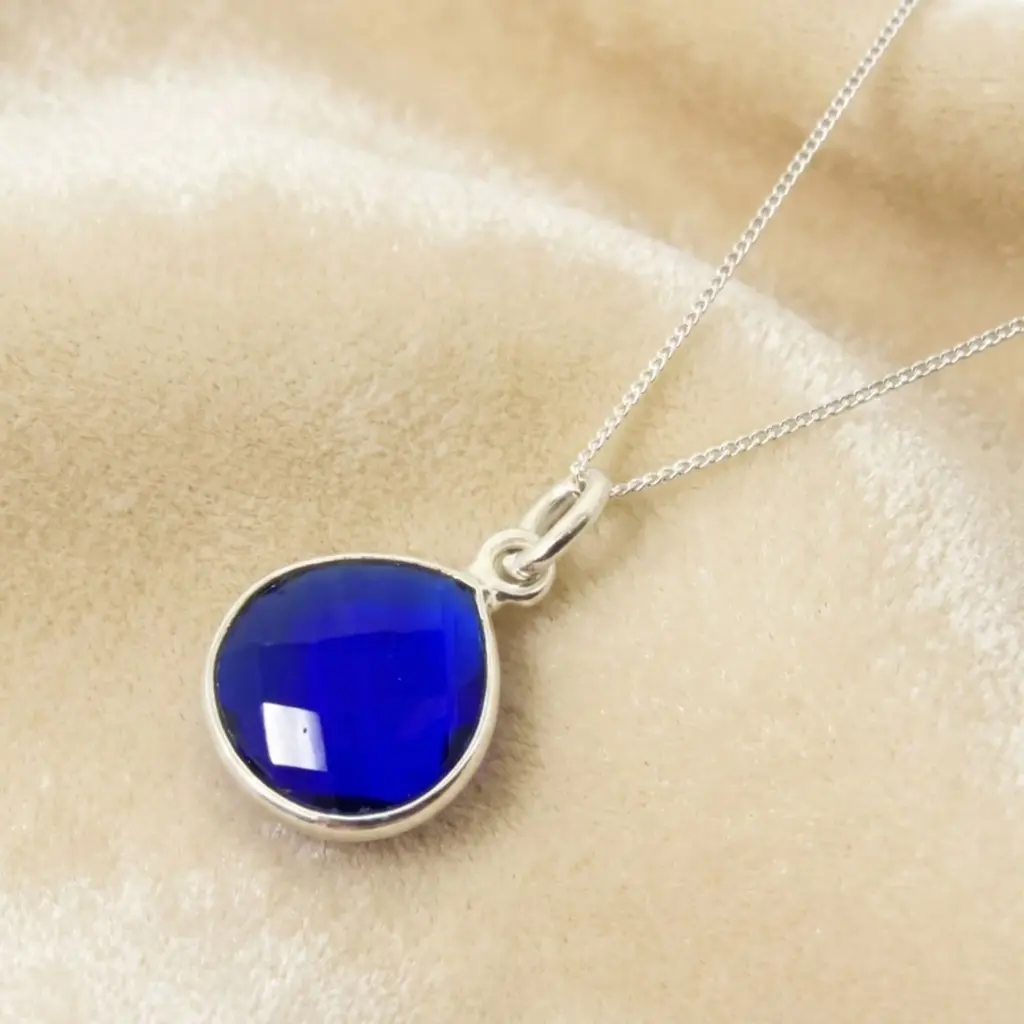 Birthstone NecklacesBlue Sapphire Birthstone Necklaces That Make a Lovely Gift
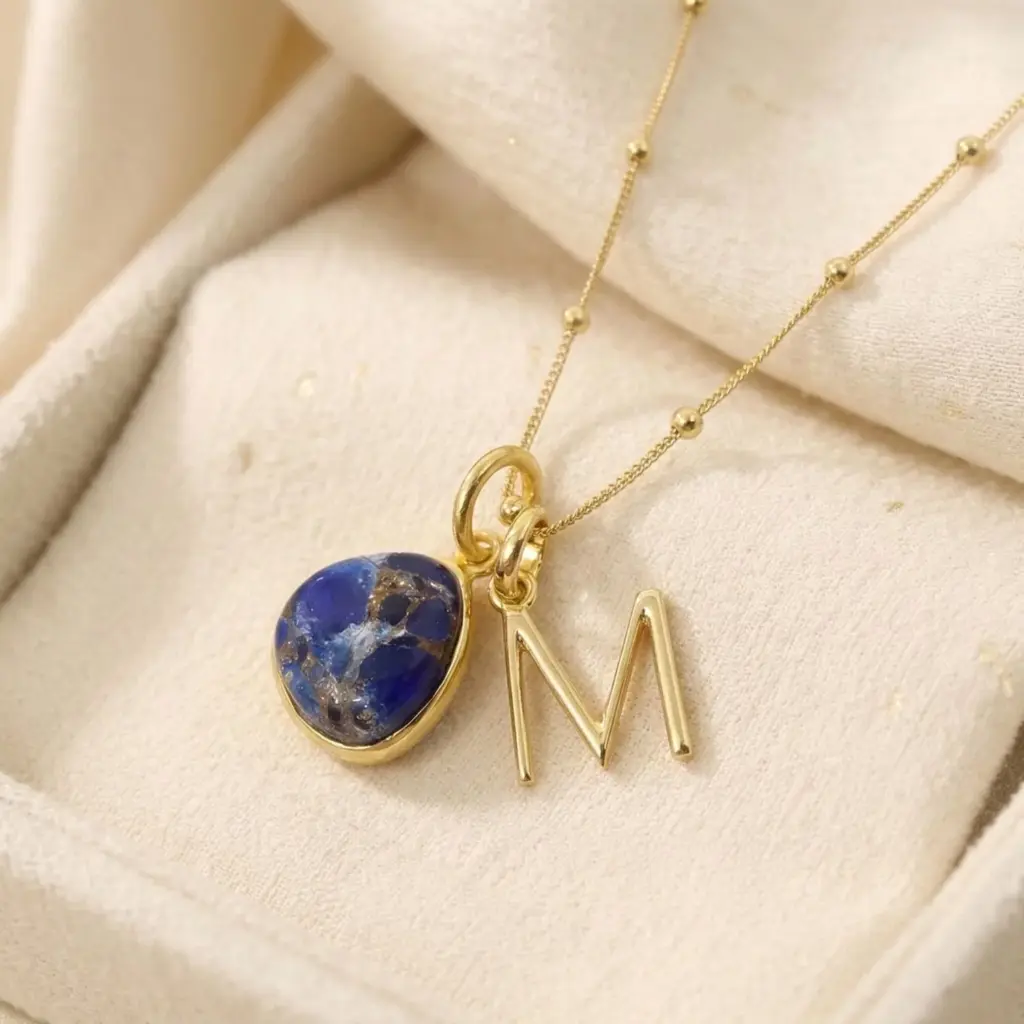
 Chain NecklacesBlue Sapphire Chain Necklaces: The Edit
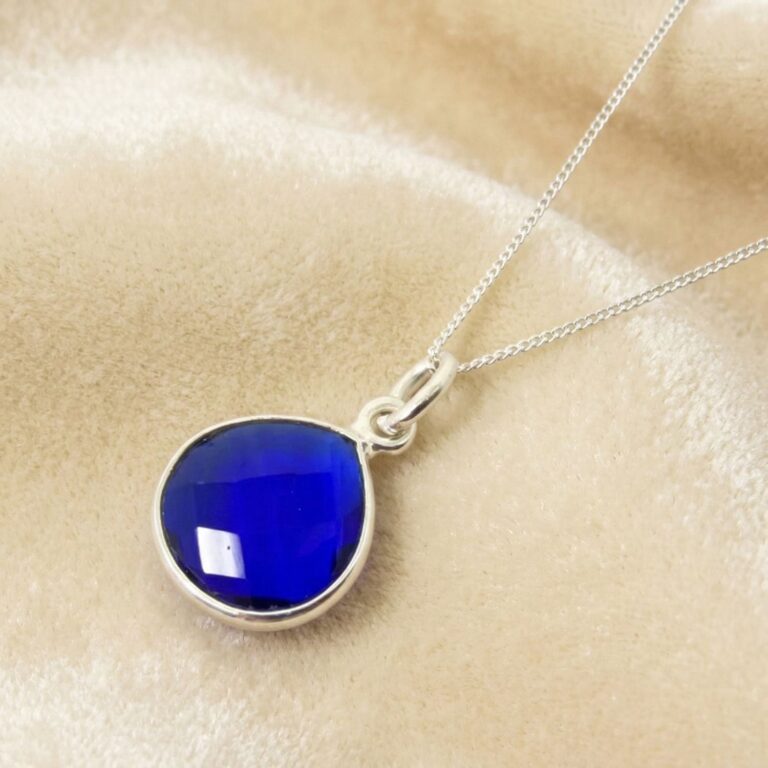
 Layered NecklacesBlue Sapphire Layered Necklaces That Make a Lovely Gift
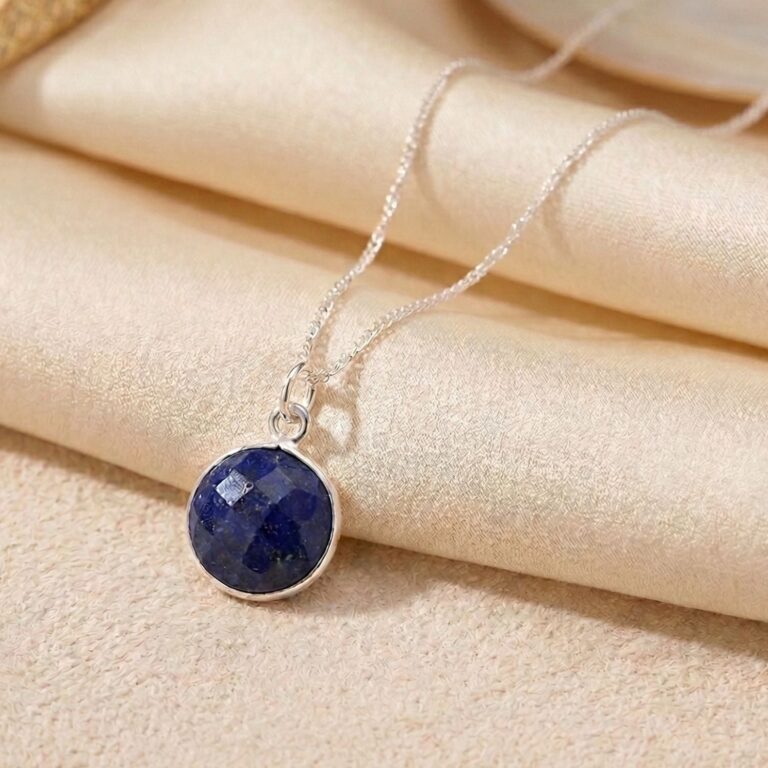
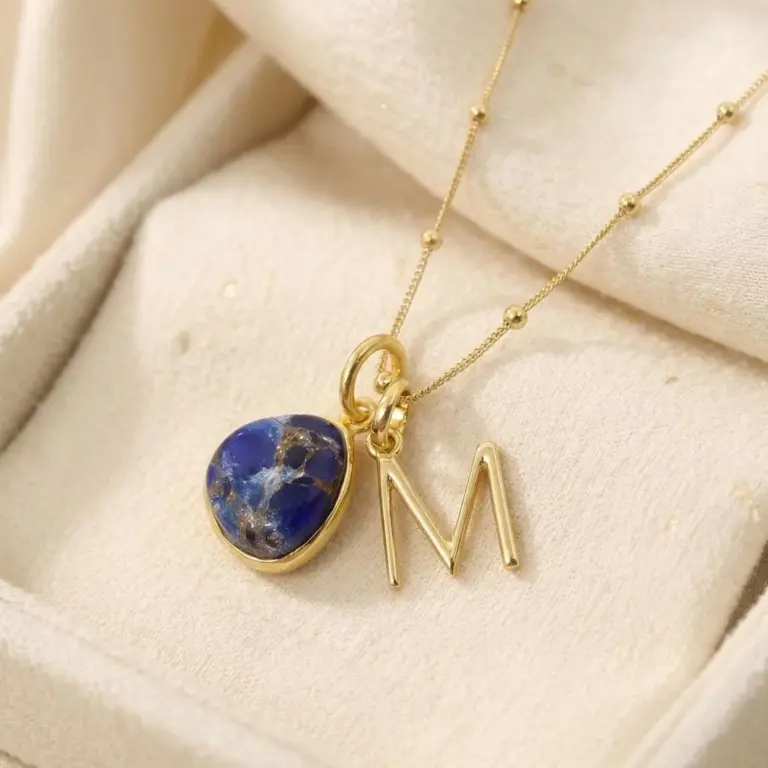 Standout Blue Sapphire Necklaces to Shop
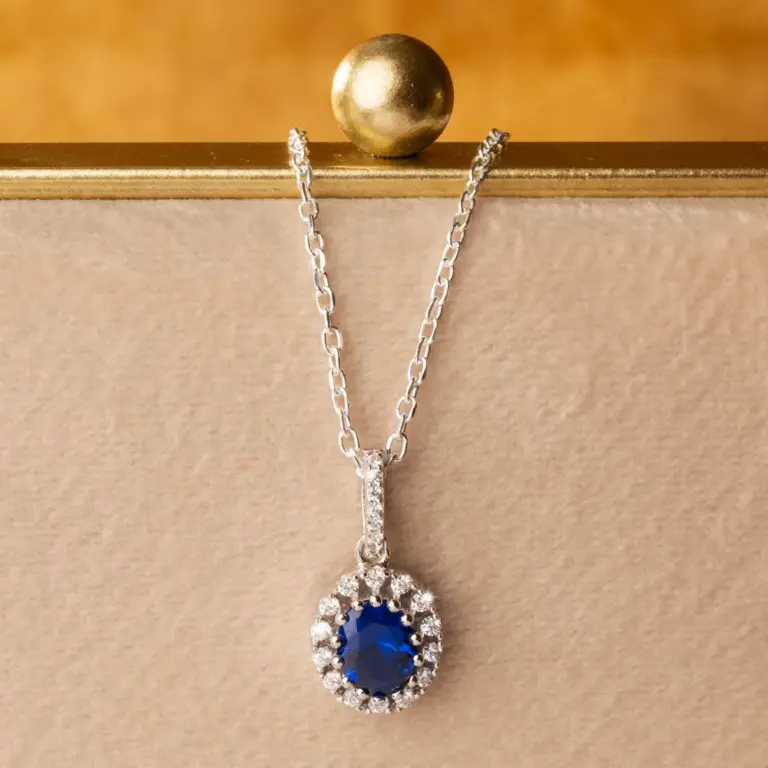
 Birthstone NecklacesBlue Personalised Birthstone Necklaces Actually Worth Buying
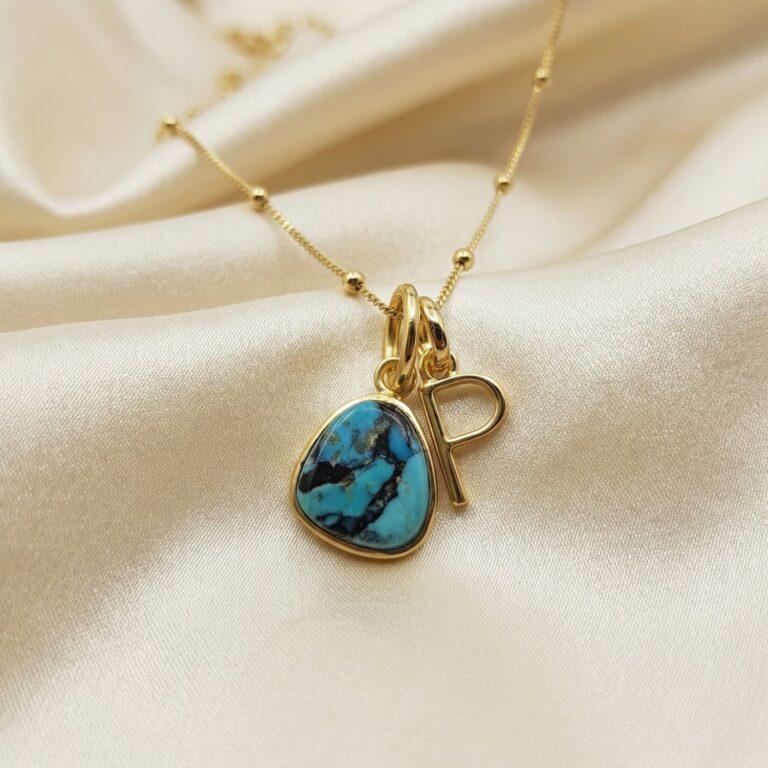
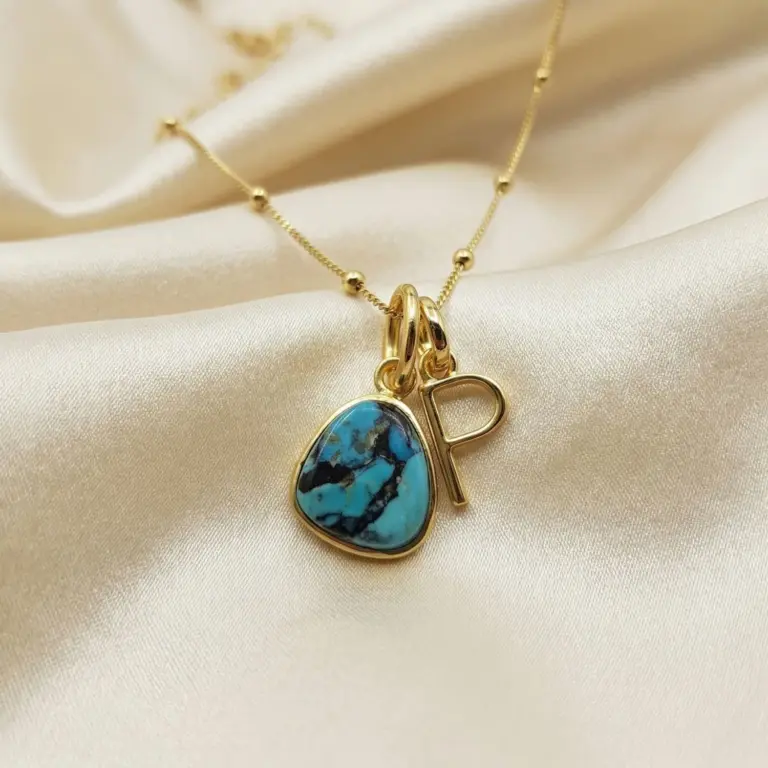 Chain NecklacesDelicate to Bold: Our Favourite Blue Personalised Chain Necklaces
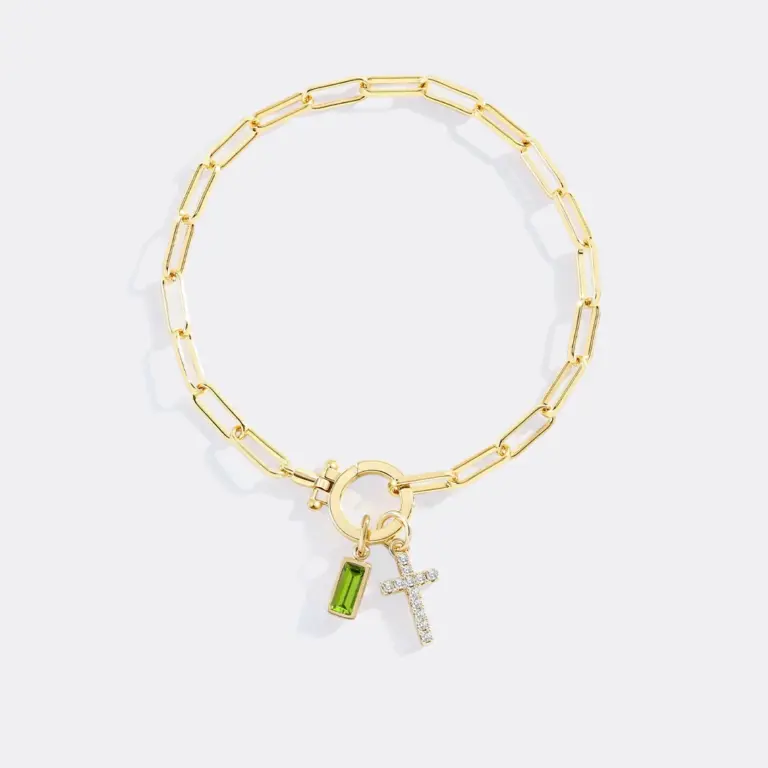
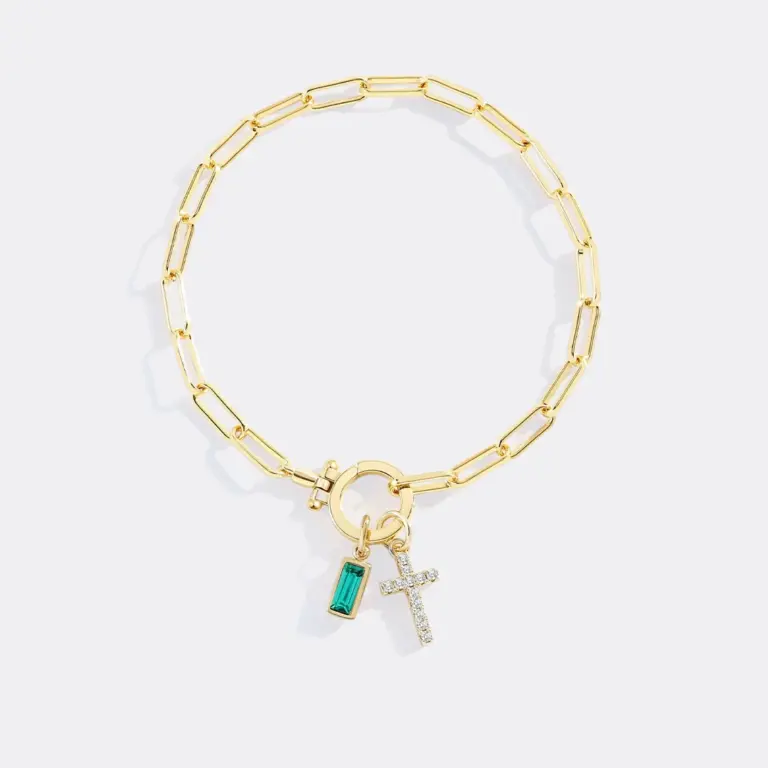 The Blue Personalised Necklaces Worth Your Wardrobe SpaceAlso worth a lookGold NecklacesThe one I actually reach for is the plain fine chain, the one that's been on since I…See the collections →
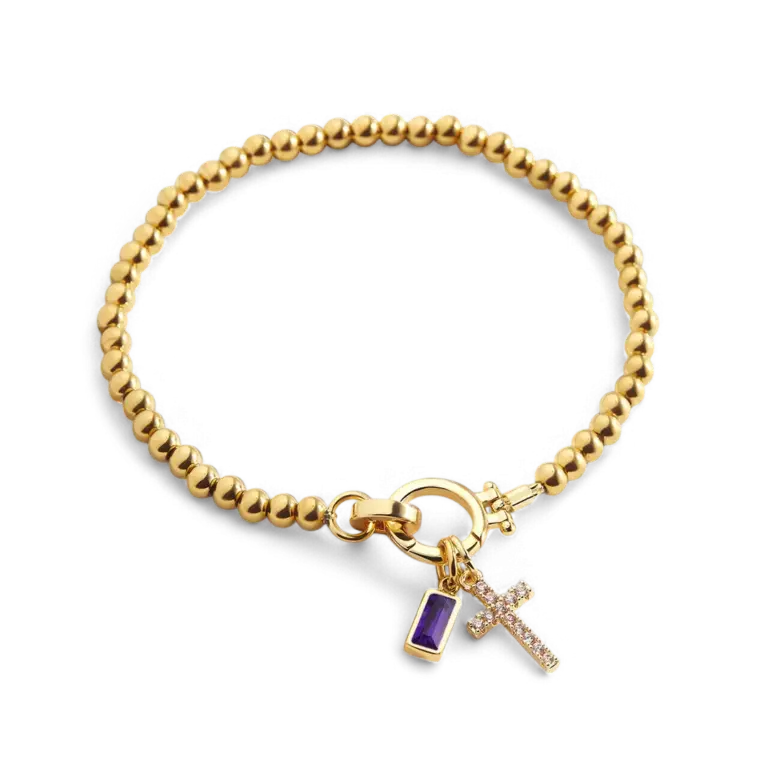
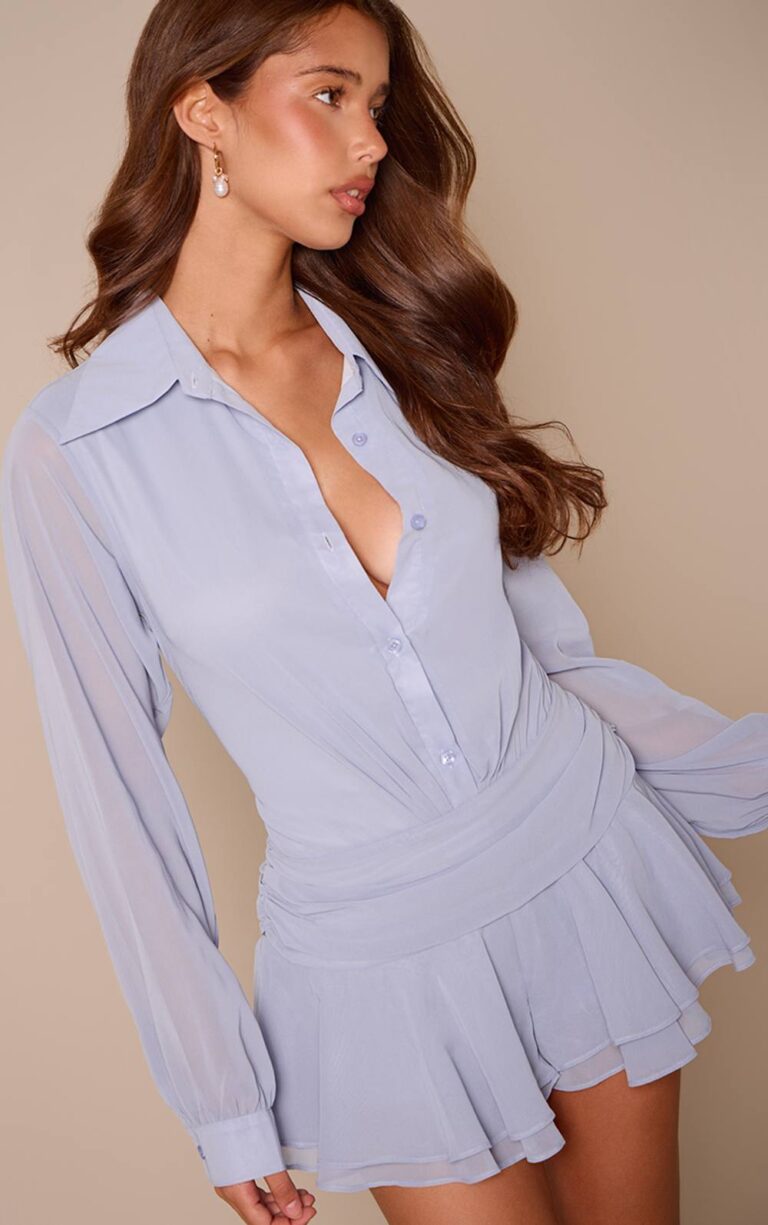 Pearl NecklacesOur Pick of the Best Blue Pearl Chain Necklaces
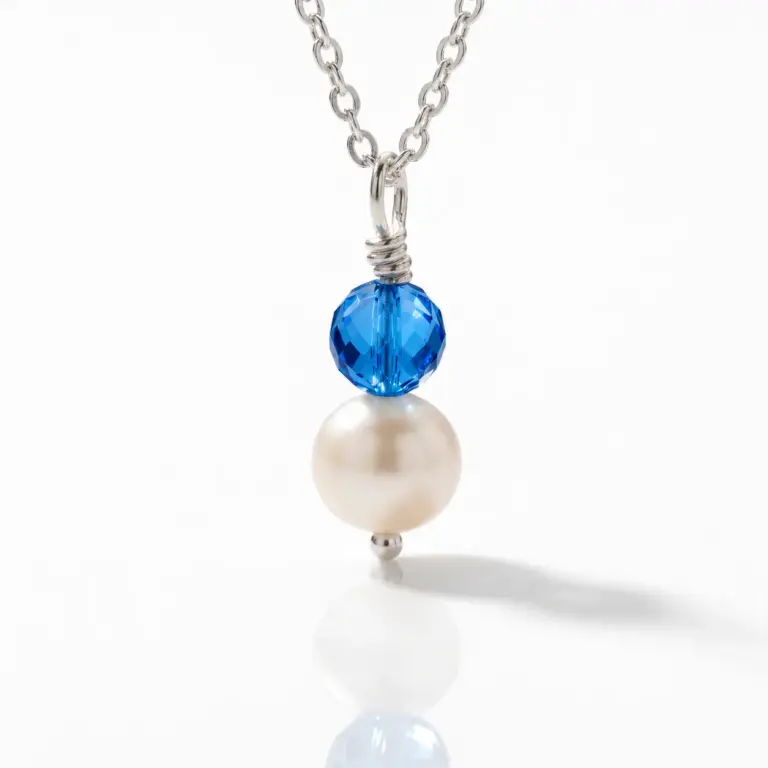
 Pearl NecklacesShop the Edit: Blue Pearl Necklaces
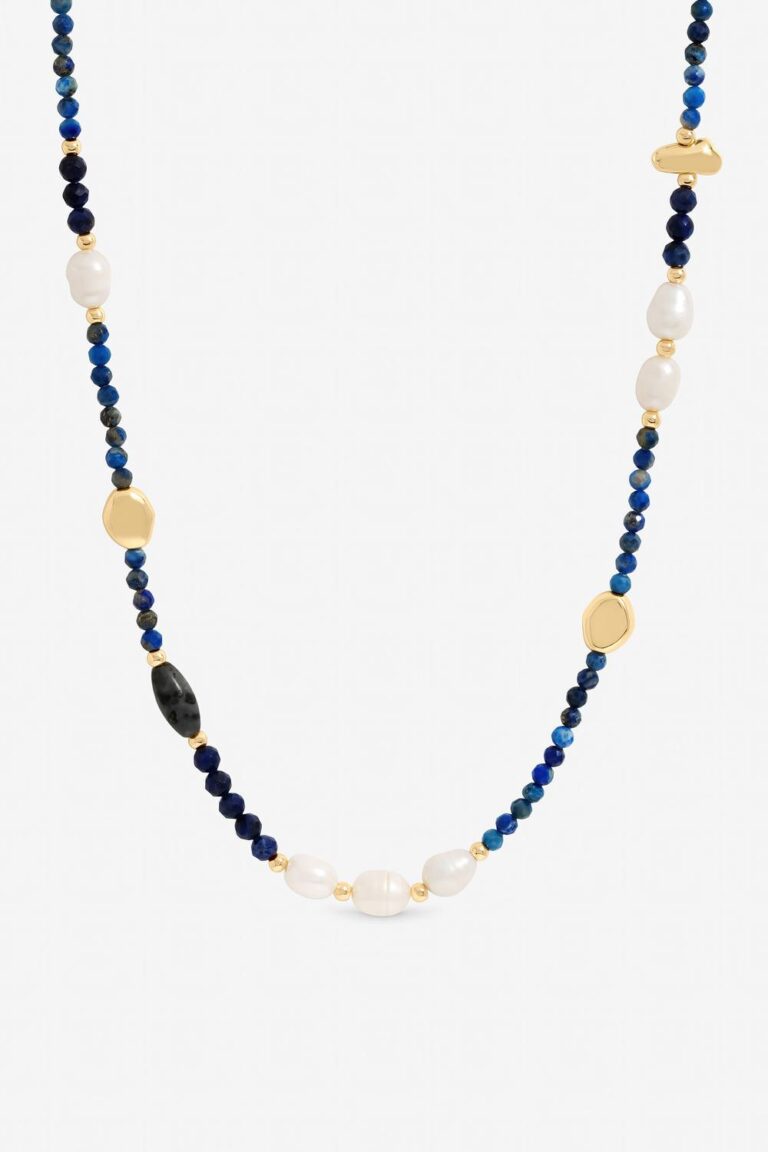
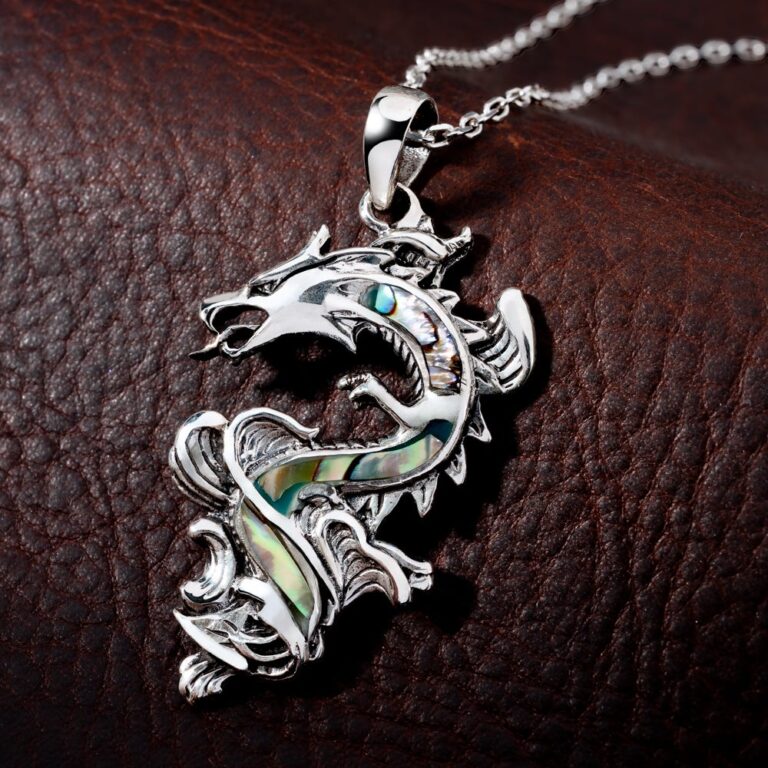 Pearl NecklacesThe Prettiest Blue Pearl Pendant Necklaces Around Right Now
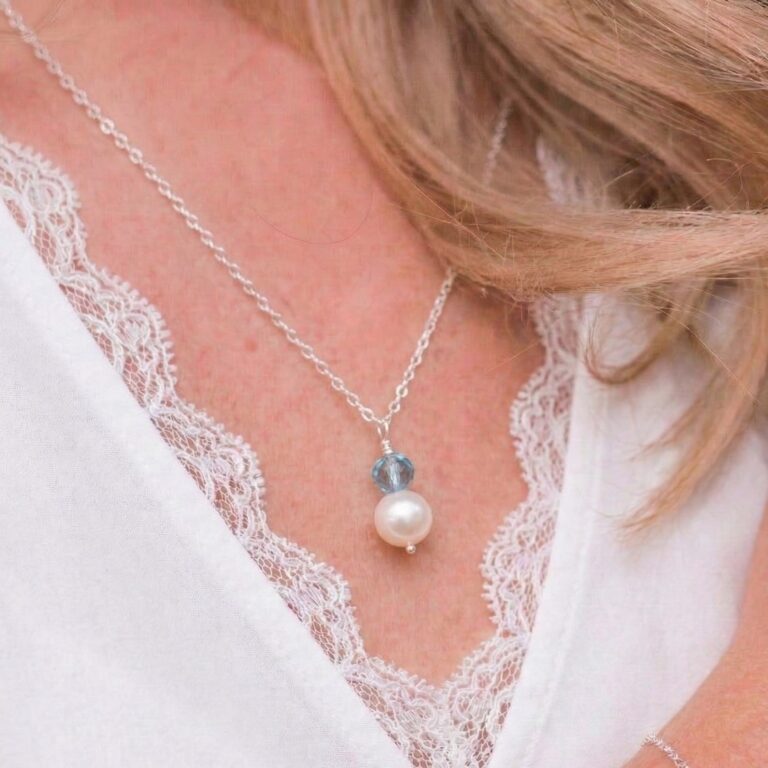
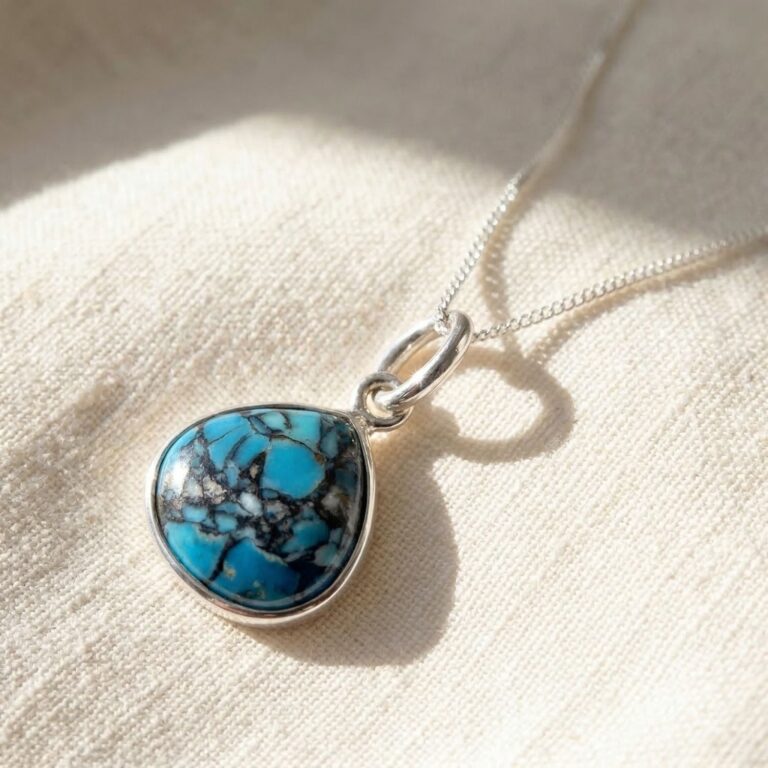 Birthstone NecklacesOur Kind of Blue Pendant Birthstone Necklaces
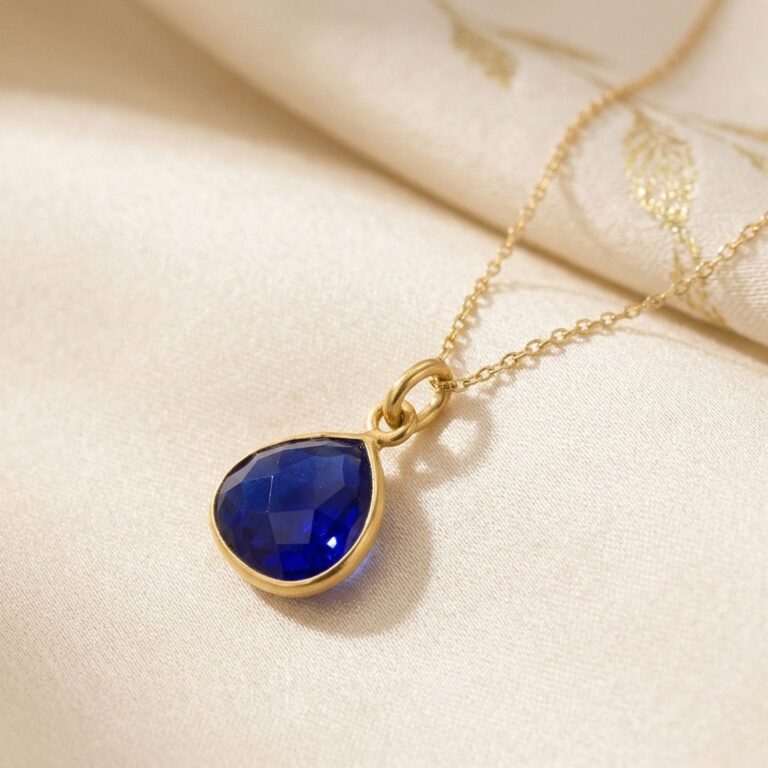
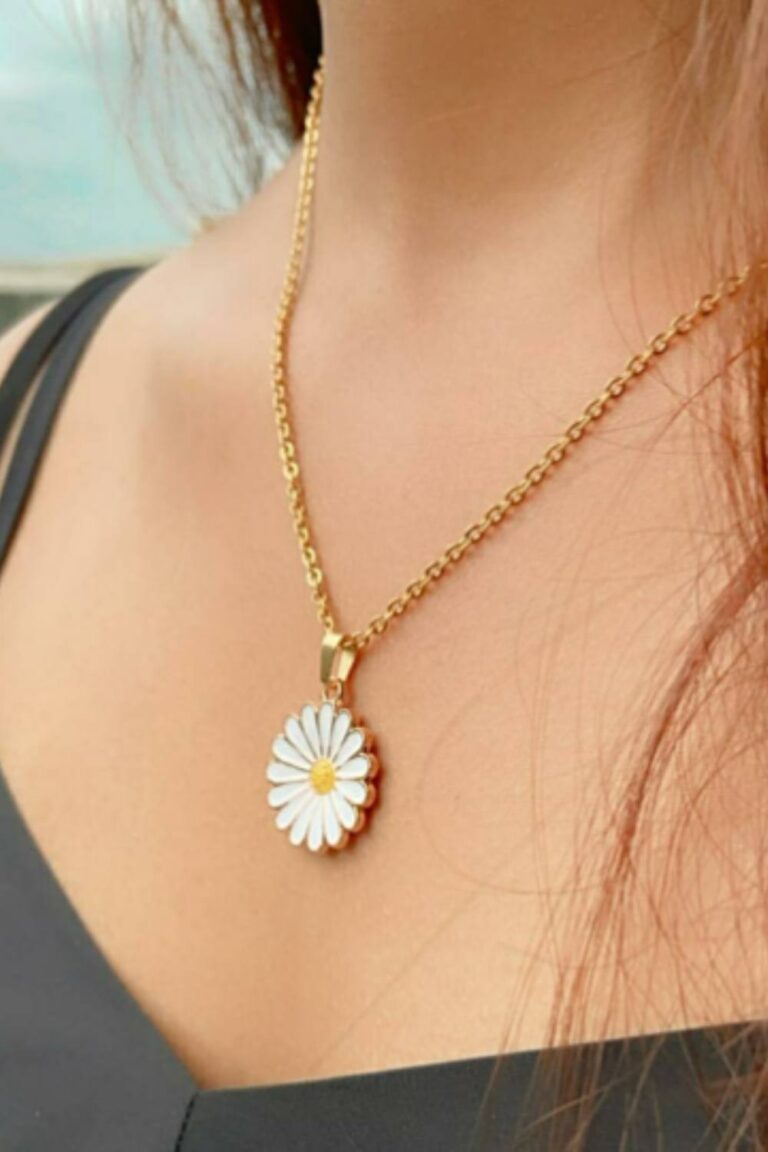 Pendant NecklacesBlue Pendant Chain Necklaces That Elevate Everything
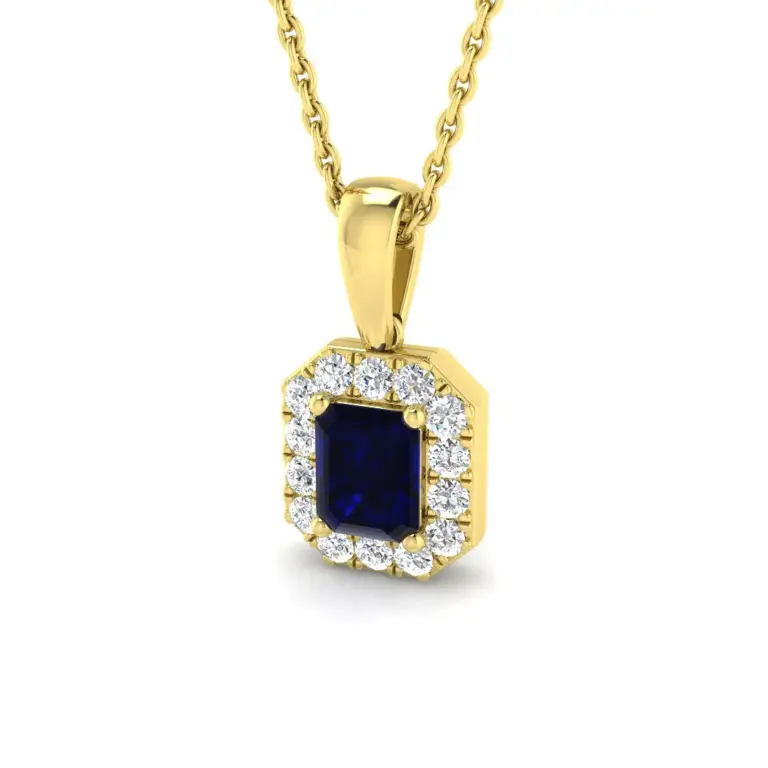
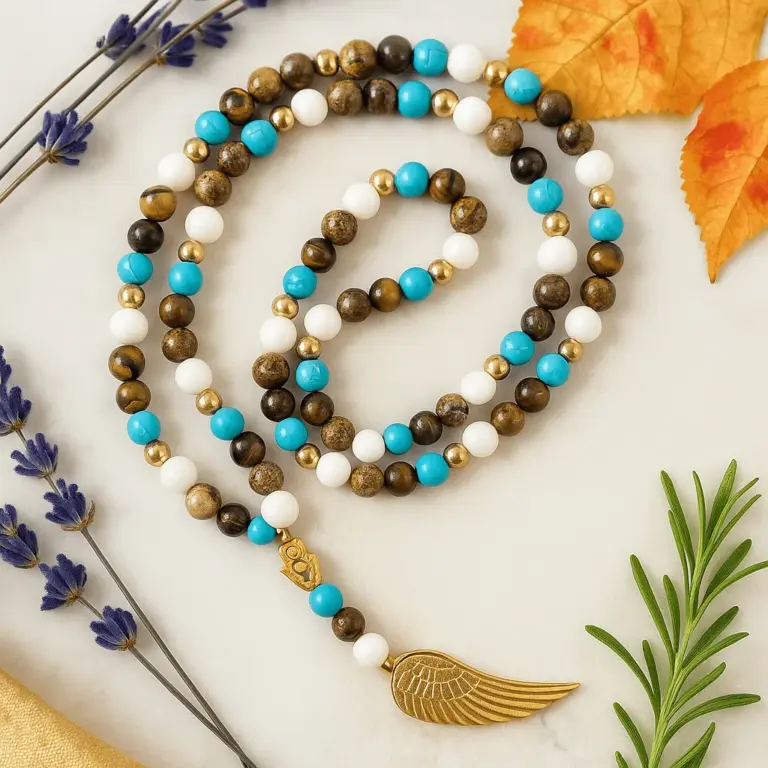 Layered NecklacesBlue Pendant Layered Necklaces That Finish Any Look
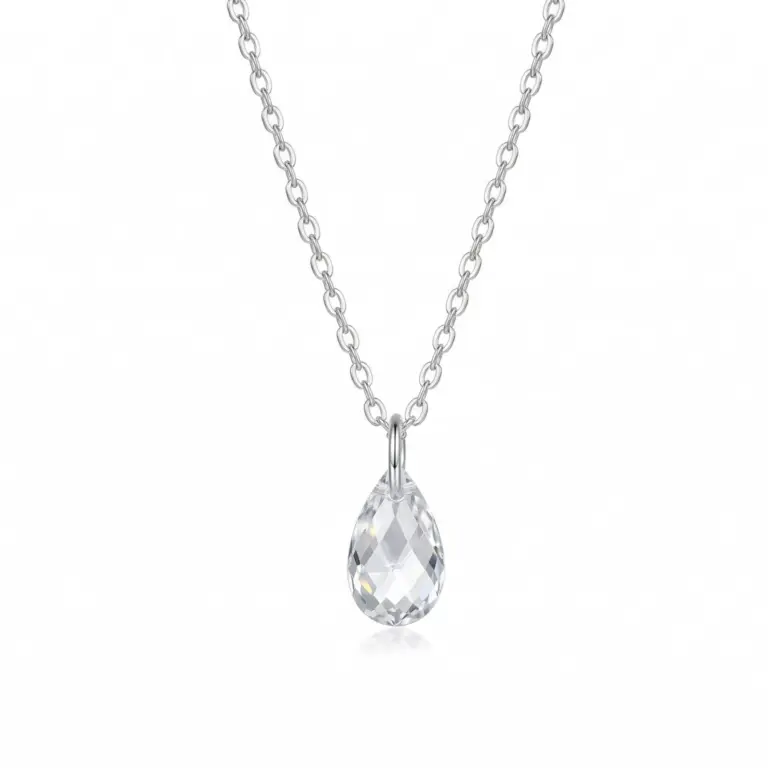
 Pendant NecklacesFinding the Best Blue Pendant Necklaces
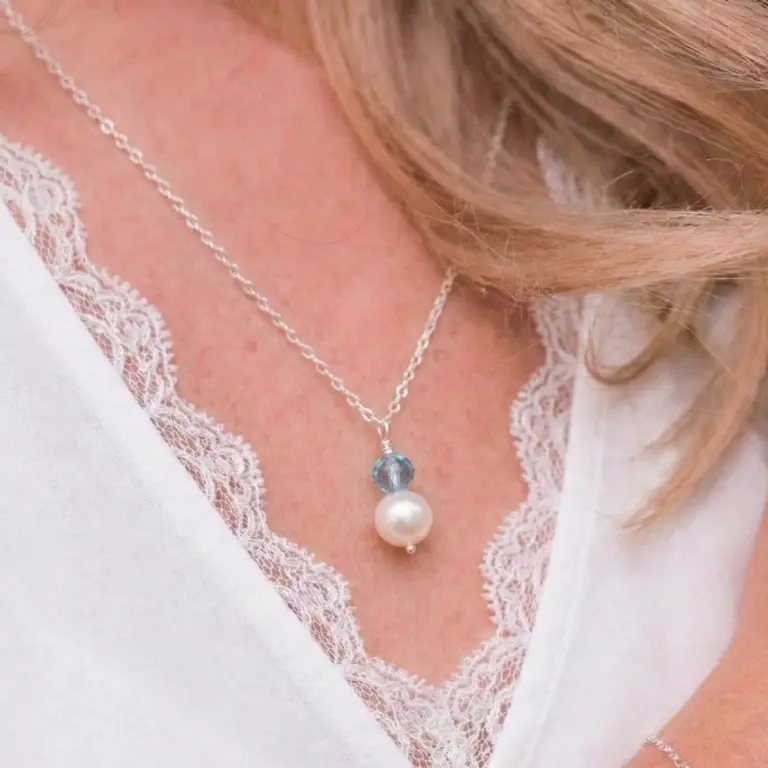 Pearl NecklacesThe Only Blue Pendant Pearl Necklaces You Need to See