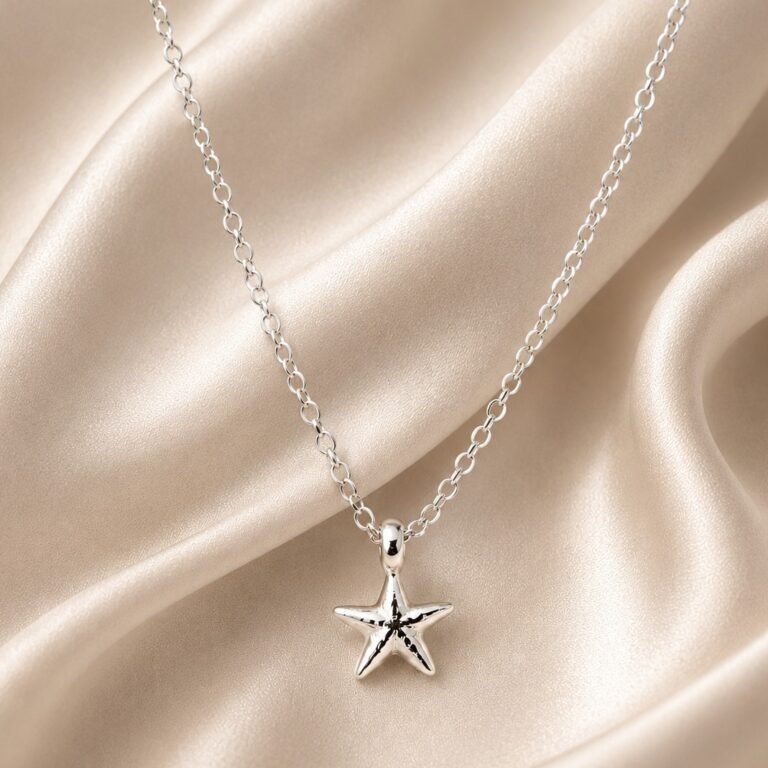
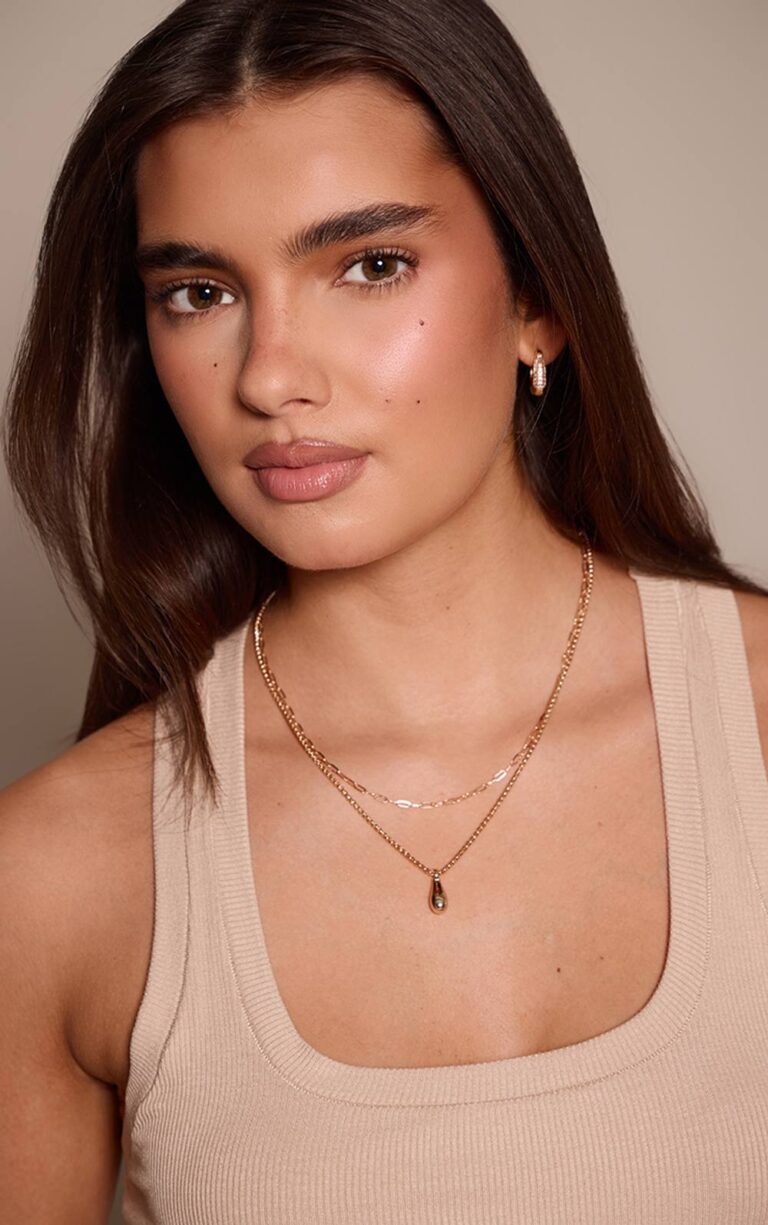
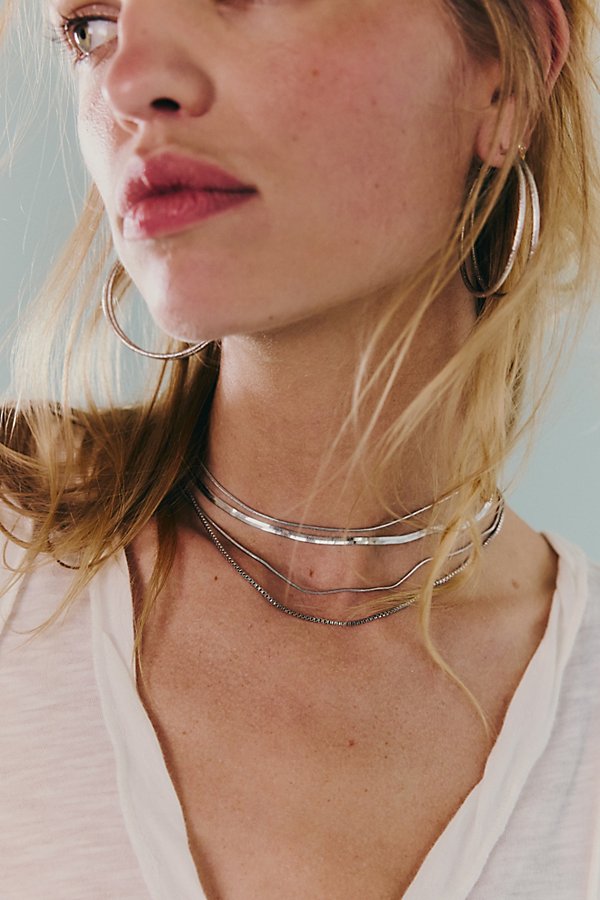
Do you buy them already layered or build your own? Buy one good set to learn the spacing, then build your own once you know what you like sitting against your collarbone and what you keep tucking away because it catches on everything. That's the honest answer. The ready made sets save you the fiddling but your neck isn't the same as the woman's on the display, so what looks right on a model can sit wrong on you, too bunched at the front or too spread out, and you won't know until you've got it on.
The difference between a set that gets worn for years and one that ends up in a drawer tangled into a single knot is mostly in the chain itself. Thin, cheap chain kinks and won't sit straight again once it's been in a bag, and it's the layering that punishes that fault, because three kinked chains look like a mess rather than three pieces. Look for chains with a bit of weight to them, proper soldered links rather than the open sort that catch on jumpers and pull apart, and clasps that are easy to do up one handed, because you will be doing this up one handed in a hallway mirror most mornings. Plating matters more here than on a single necklace, because you're wearing more metal against more skin for longer, and cheap plating going patchy on one chain ruins the whole effect even if the other two are fine. The lengths should be different enough to actually read as layers rather than one chain hiding behind another, so check that in the shop, hold it against yourself rather than against the card it's pinned to.
Layered necklaces want a neckline that gives them room, so a crew neck, a scoop, a shirt with the top two buttons open, anything that isn't already busy at the throat. They're brilliant over a plain top in autumn when everything else you own is wool and needs a bit of shine near the face, and they struggle a bit in deep summer against bare skin in heat, because metal gets sticky and the shortest chain ends up stuck to you by eleven in the morning. With a round neck jumper in winter they do proper work, sitting on top rather than disappearing into fabric. Check the clasp placement sits at the back and not pulled round to one side, check the lengths graduate properly rather than jumping, and check whether the charms, if there are any, hang flat or twist, because a pendant that spins to face the wrong way all day is a small daily annoyance nobody warns you about. A good set, worn in for a few weeks, stops needing straightening every time you catch your reflection, and that's the whole pleasure of it.
 White NecklacesThe White Statement Layered Necklaces Shortlist
 White NecklacesPretty White Pendant Layered Necklaces We Love
 White NecklacesThe Prettiest White Chain Layered Necklaces Around Right Now
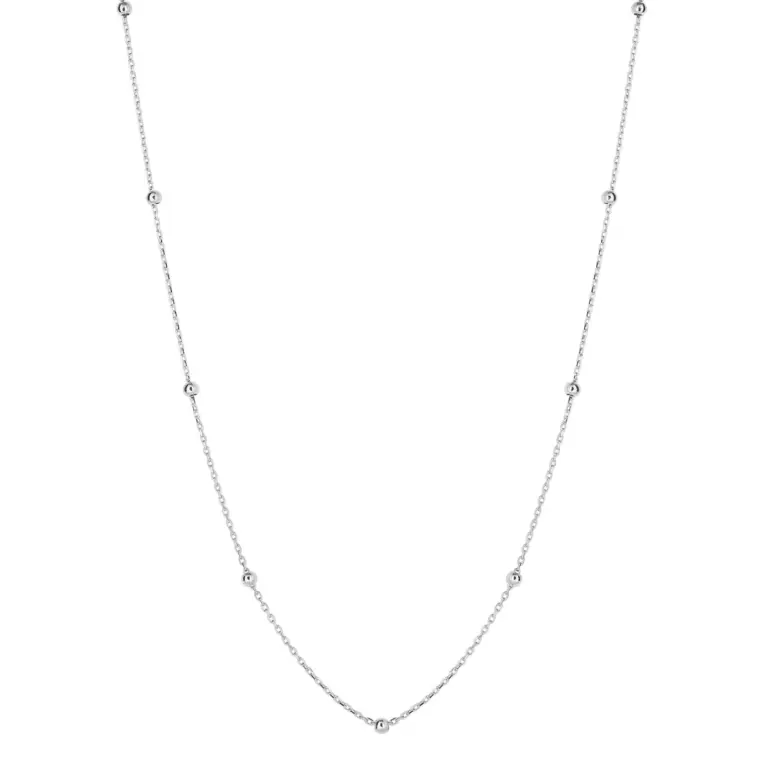 Charm NecklacesThe Best White Charm Layered Necklaces to Shop Now
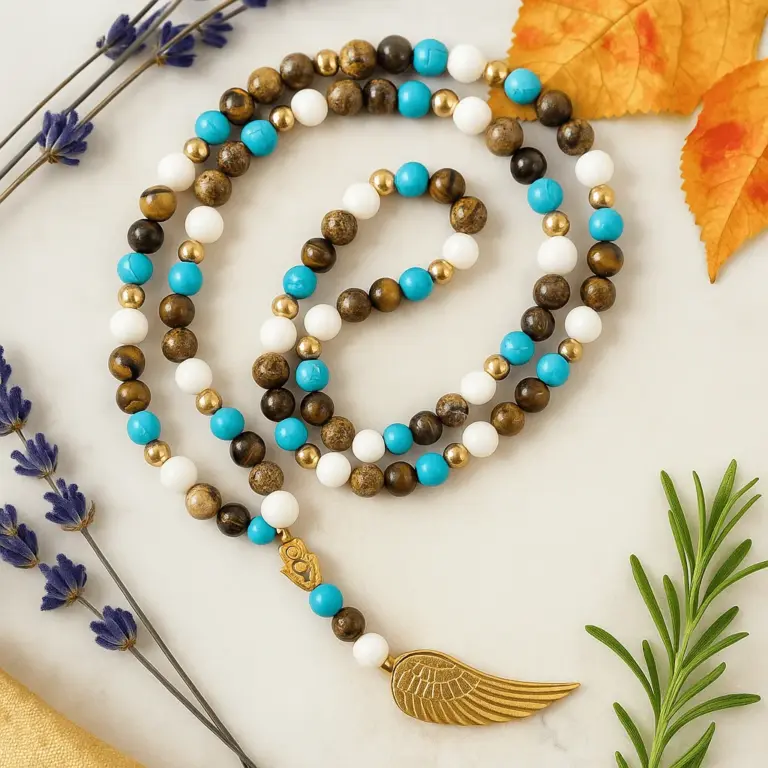
 Sterling Silver NecklacesOur Edit of the Best Sterling Silver Pendant Layered Necklaces
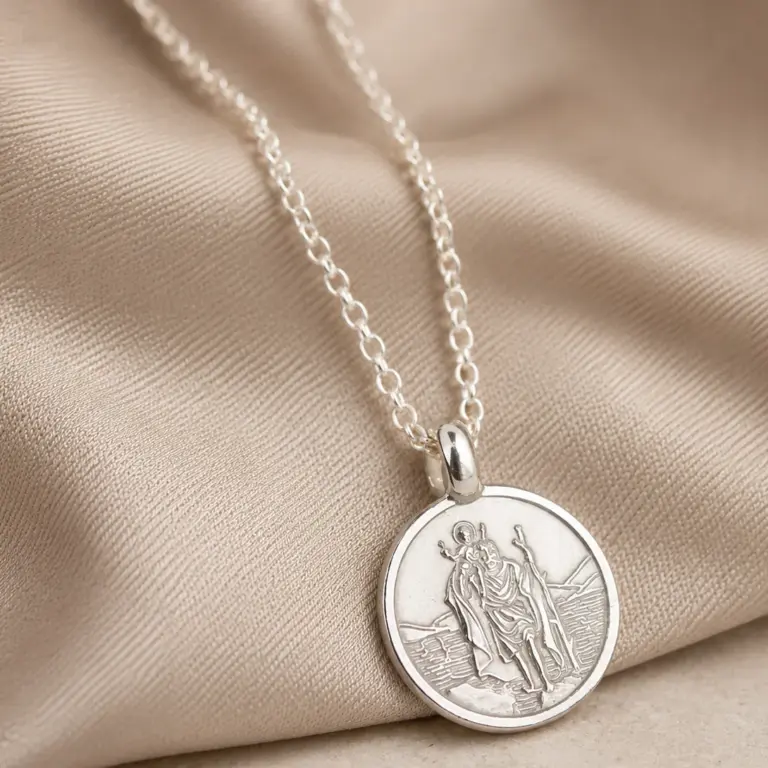
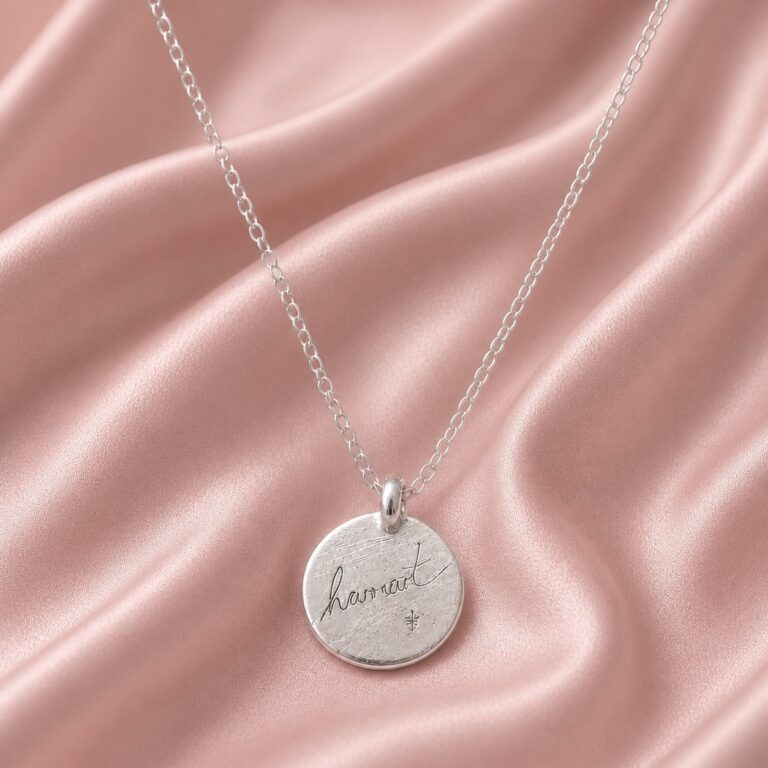 Sterling Silver NecklacesOur Shortlist of Sterling Silver Personalised Layered Necklaces
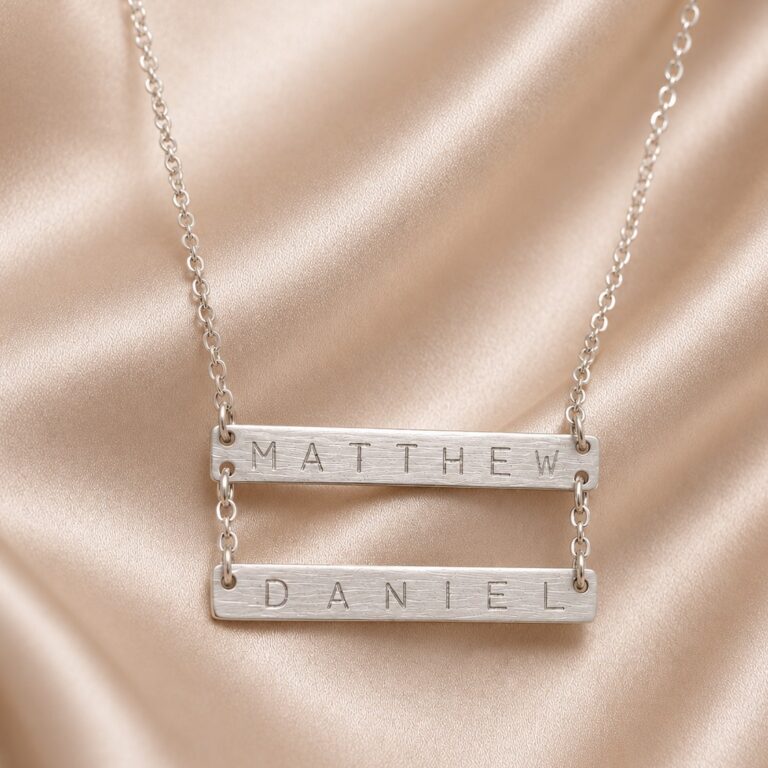
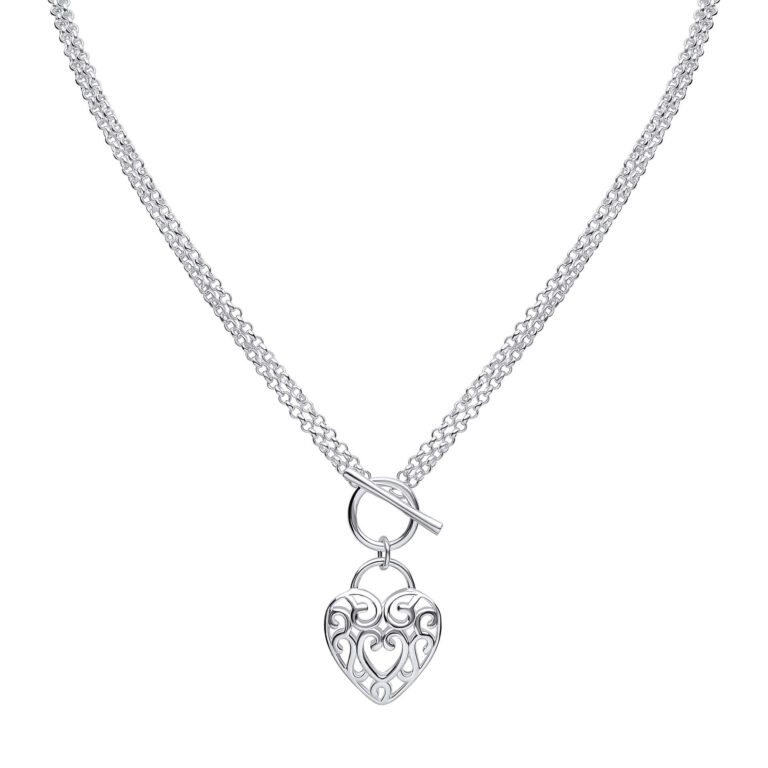 Sterling Silver NecklacesFinding the Best Sterling Silver Statement Layered Necklaces
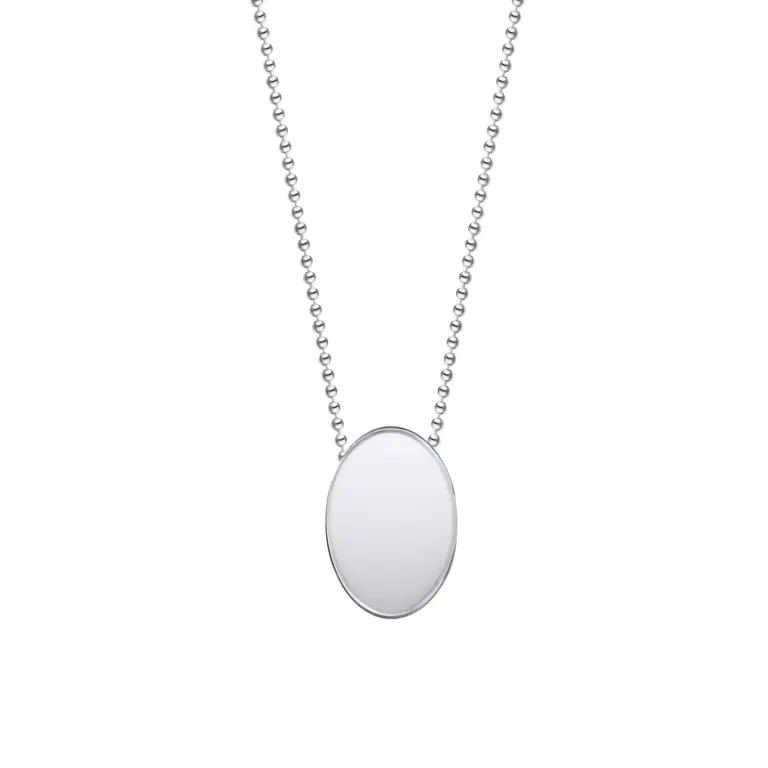
 Sterling Silver NecklacesSterling Silver Chunky Layered Necklaces Edited Down to the Best
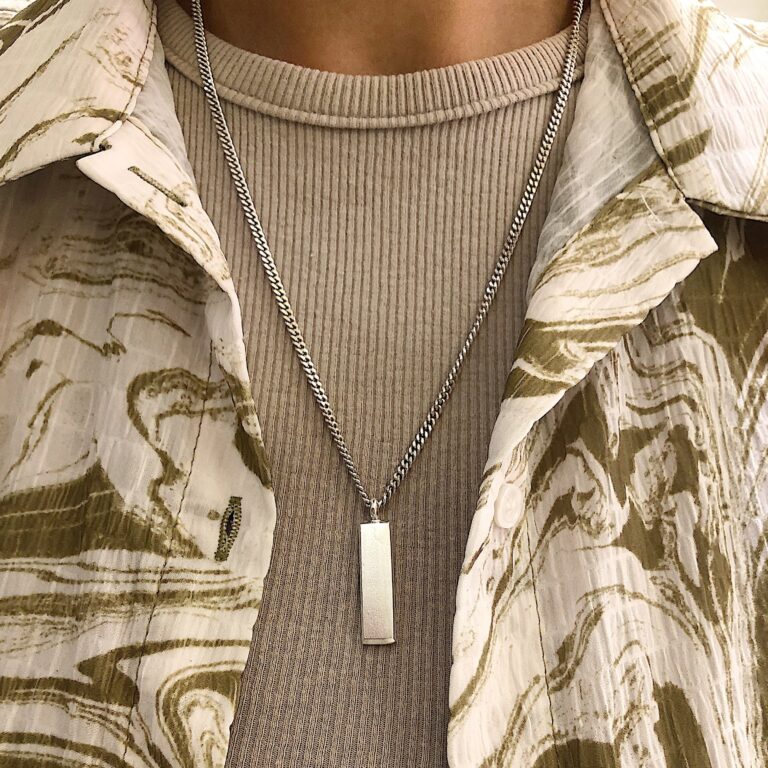
 Sterling Silver NecklacesSterling Silver Layered Chain Necklaces Worth a Closer LookAlso worth a lookChain NecklacesA chain necklace is the one piece of jewellery that looks deliberate even when you've grabbed it off…See the collections →
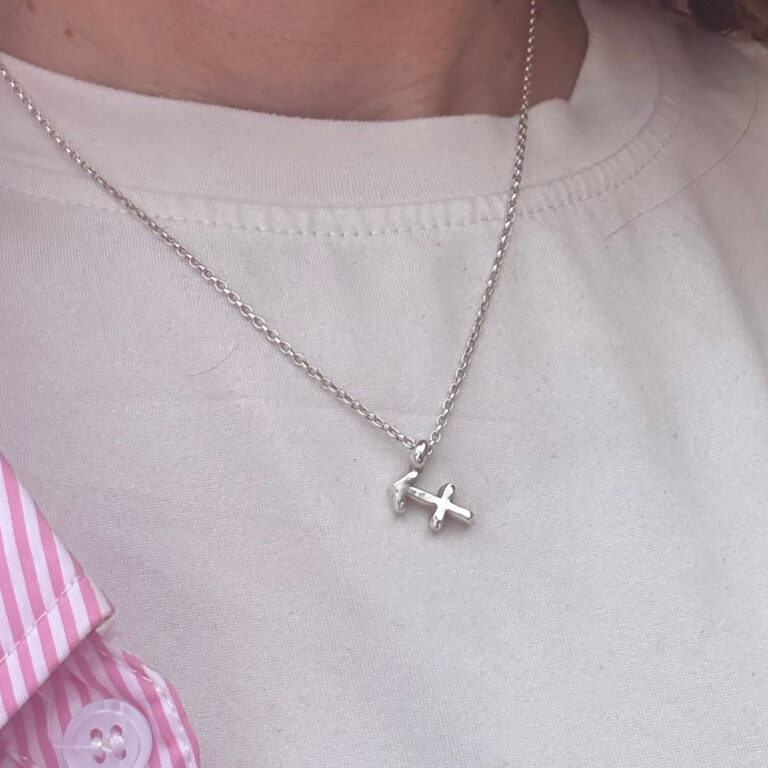
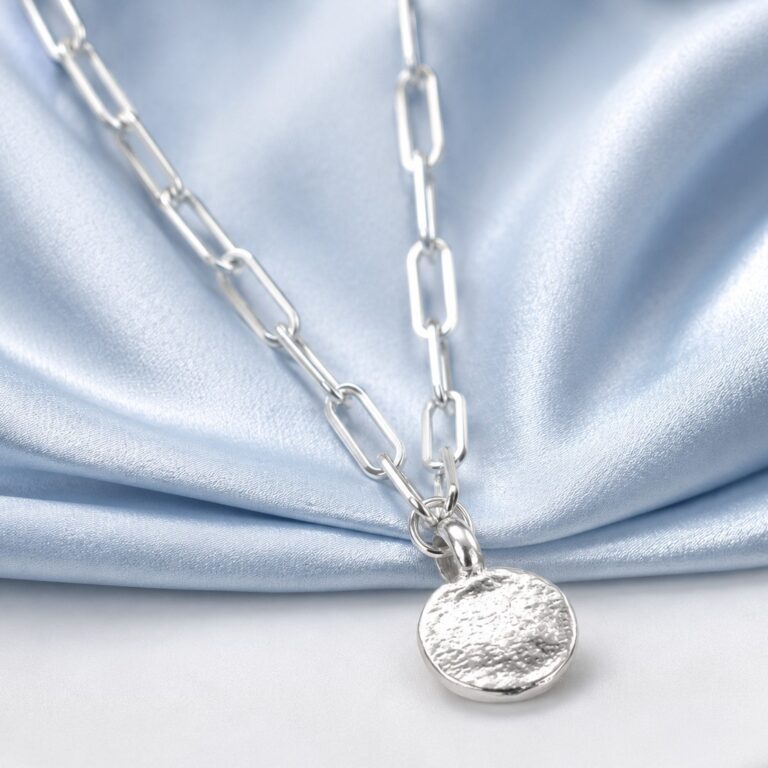 Sterling Silver NecklacesSterling Silver Layered Necklaces That Tick Every Box
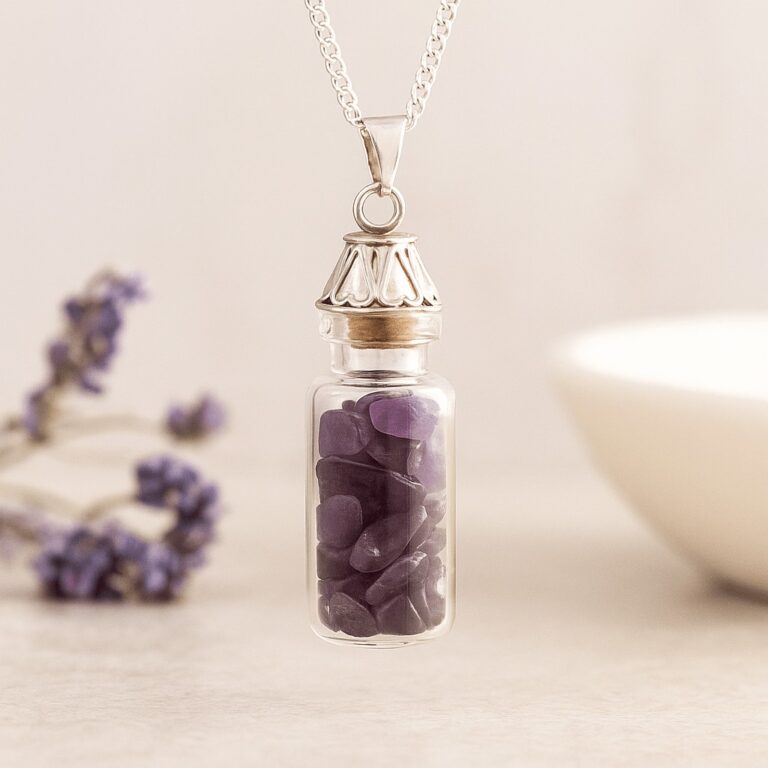
 Sterling Silver NecklacesStandout Sterling Silver Layered Pendant Necklaces to Shop
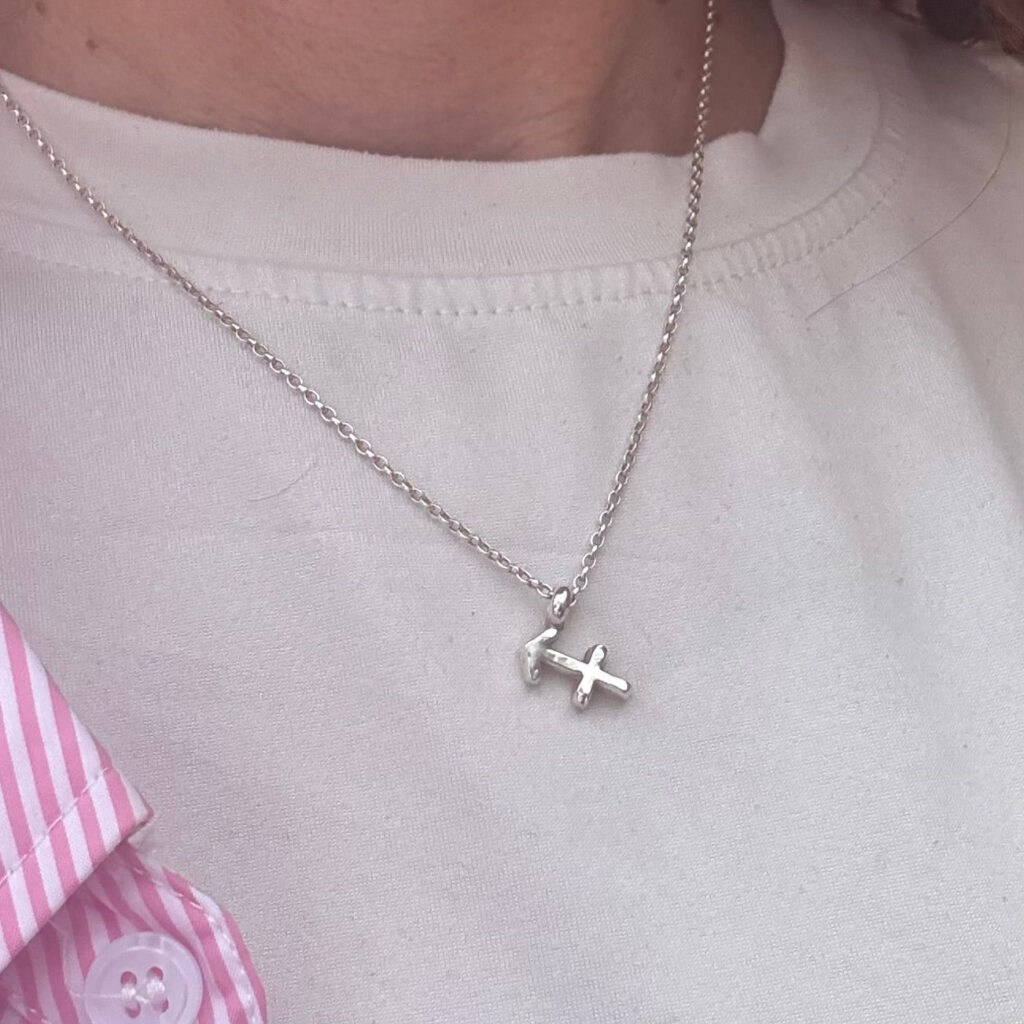
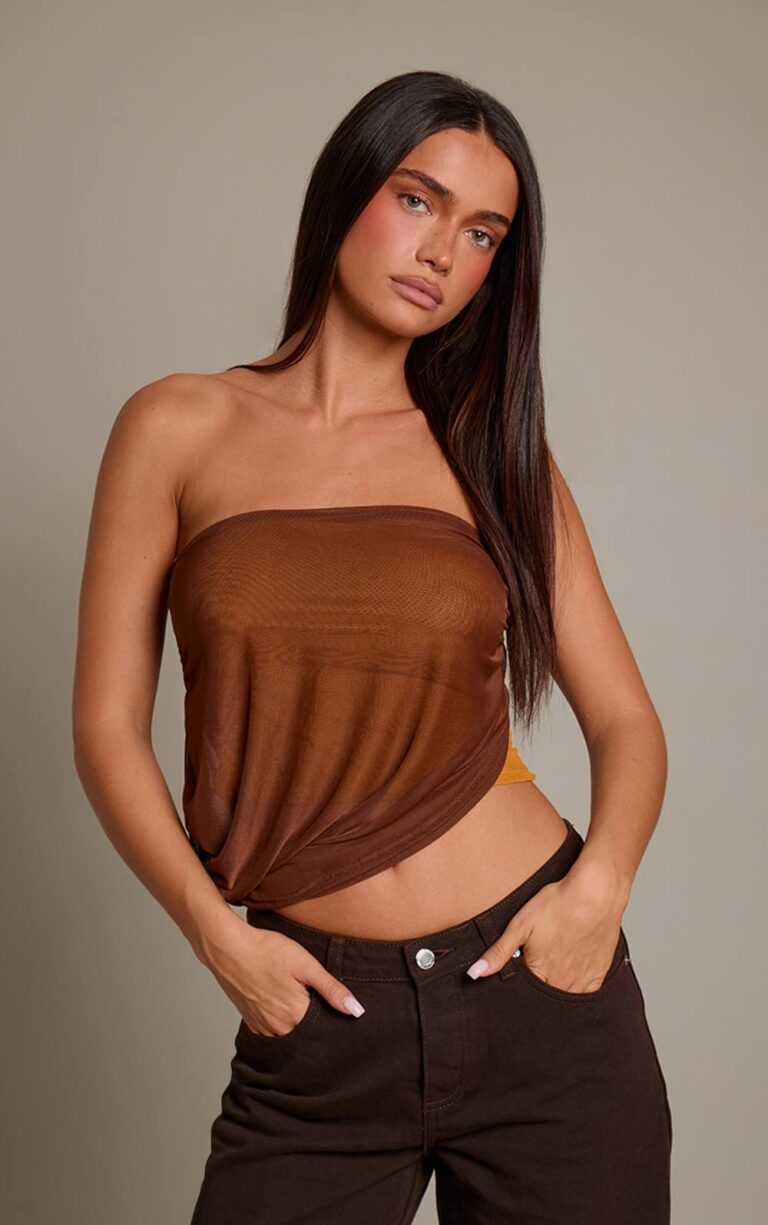 Statement Layered Necklaces Actually Worth Buying
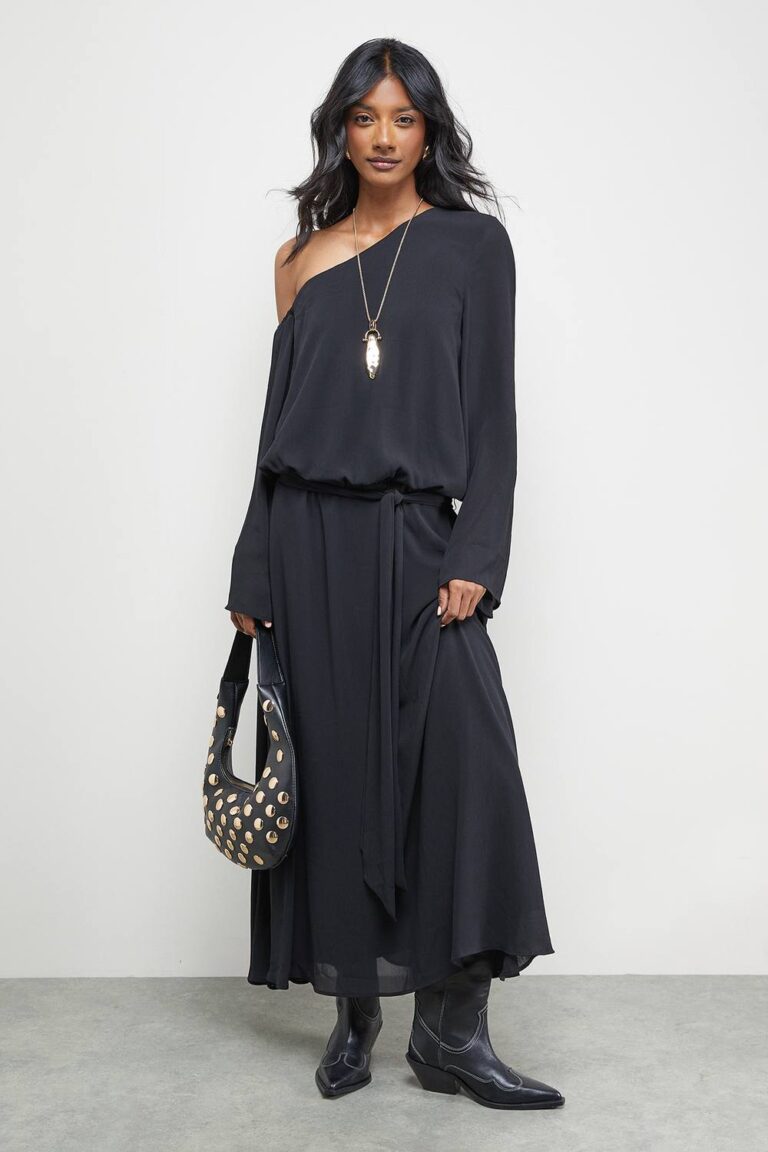
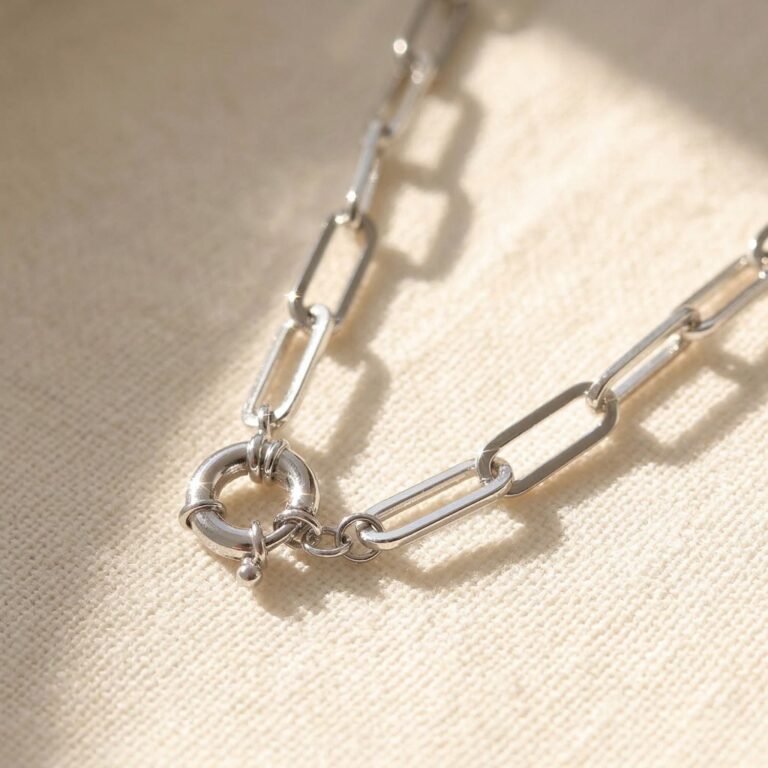 Silver NecklacesSilver Statement Layered Necklaces Edited Down to the Best
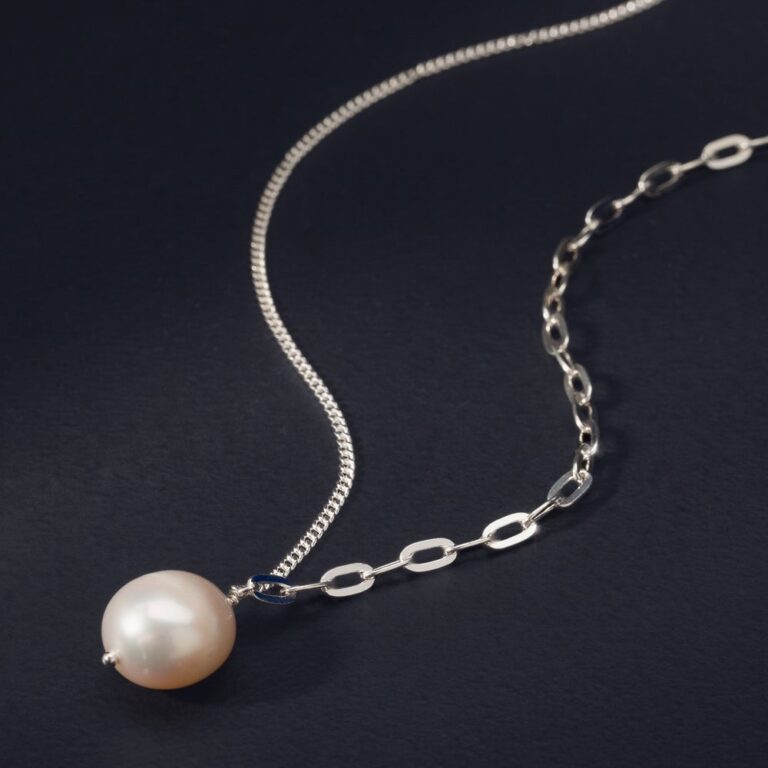
 Pearl NecklacesSilver Pearl Layered Necklaces on Our Radar
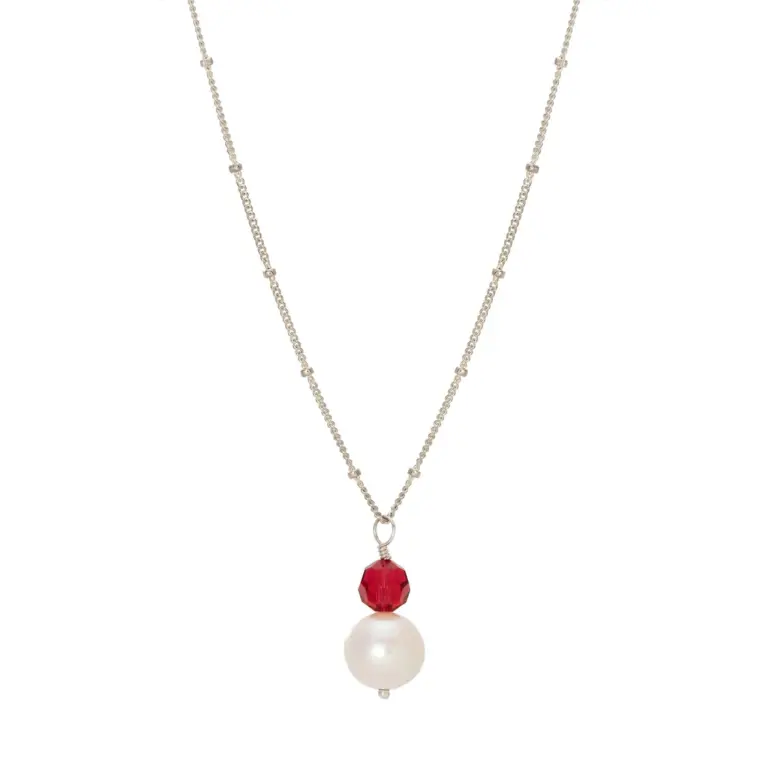
 Silver NecklacesThe Prettiest Silver Pendant Layered Necklaces Around Right Now
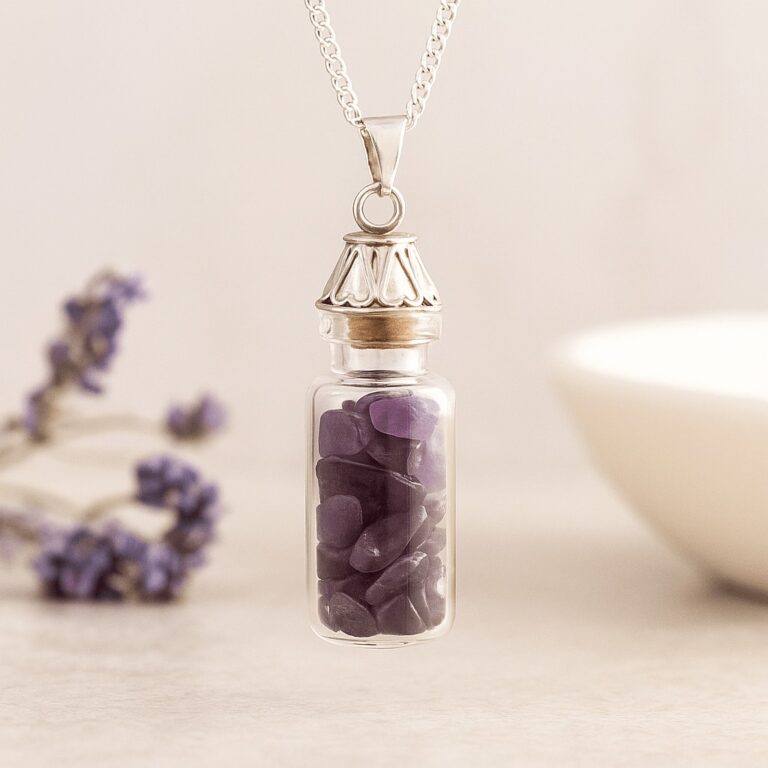
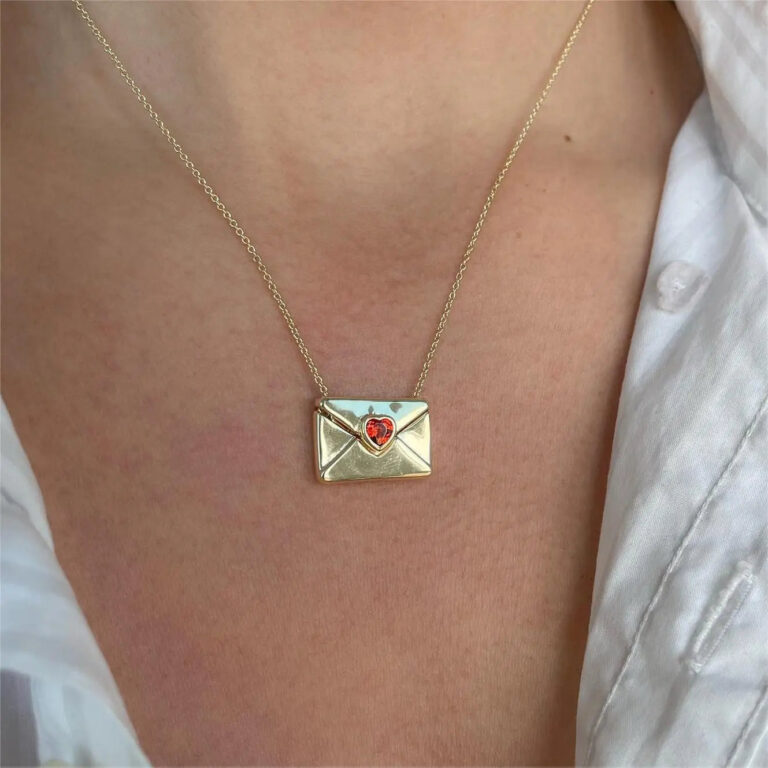 Silver NecklacesSilver Personalised Layered Necklaces That Add a Little Sparkle
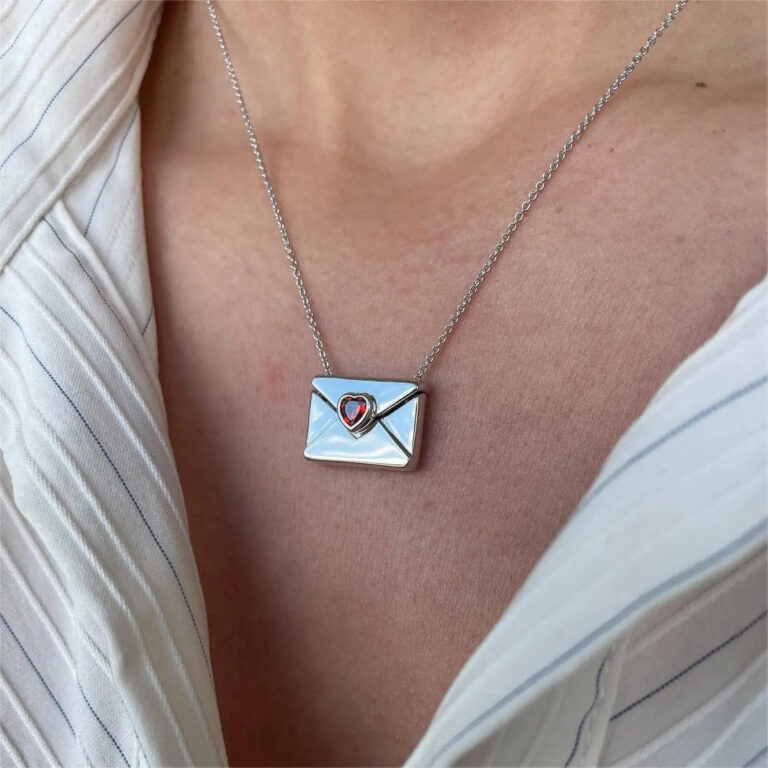
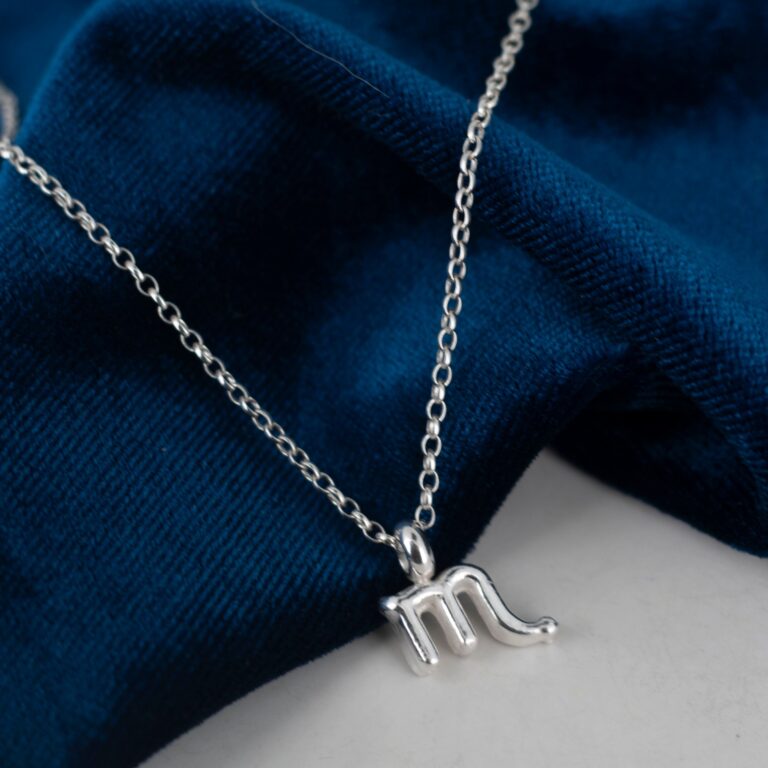 Name NecklacesSilver Name Layered Necklaces That Tick Every Box

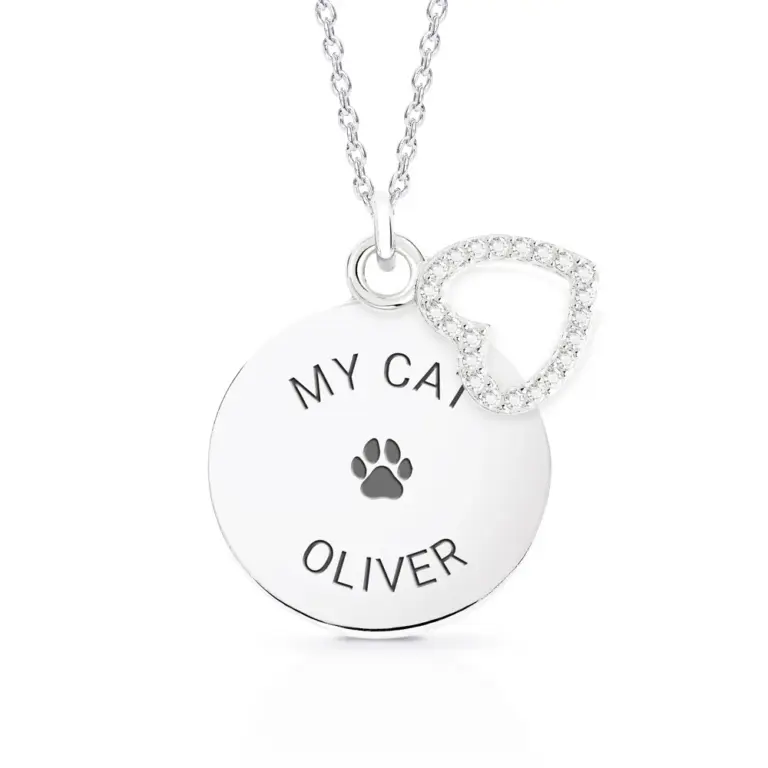 Name NecklacesSilver Layered Name Necklaces: The EditAlso worth a lookPendant NecklacesYou can spot a good pendant from across a room by how it sits, flat and settled against…See the collections →
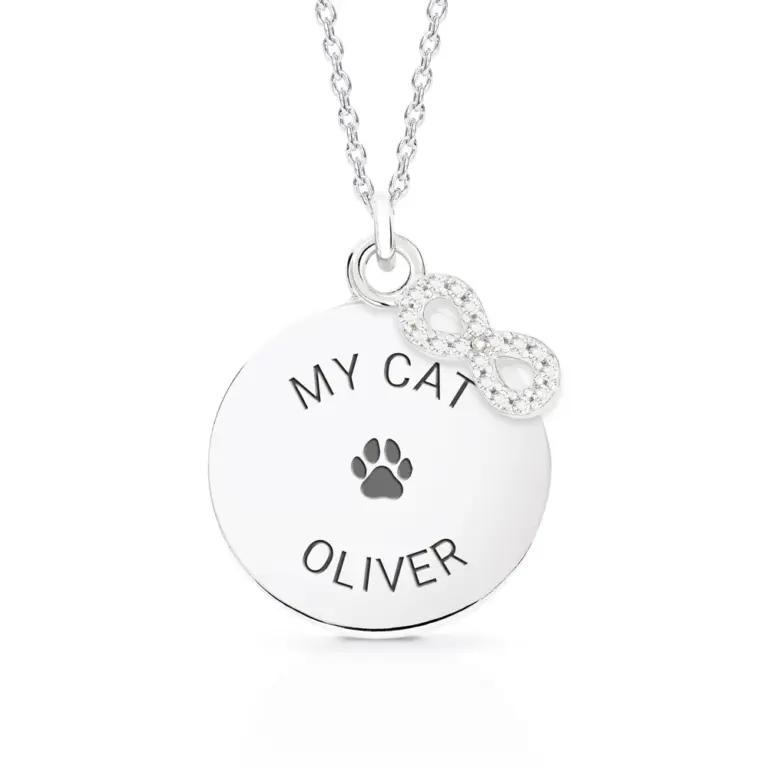
 Silver NecklacesSilver Layered Necklaces We Can’t Stop Looking At
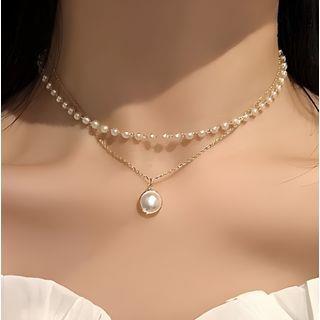 Pearl NecklacesThe Silver Layered Pearl Necklaces We’re Eyeing Up This Season
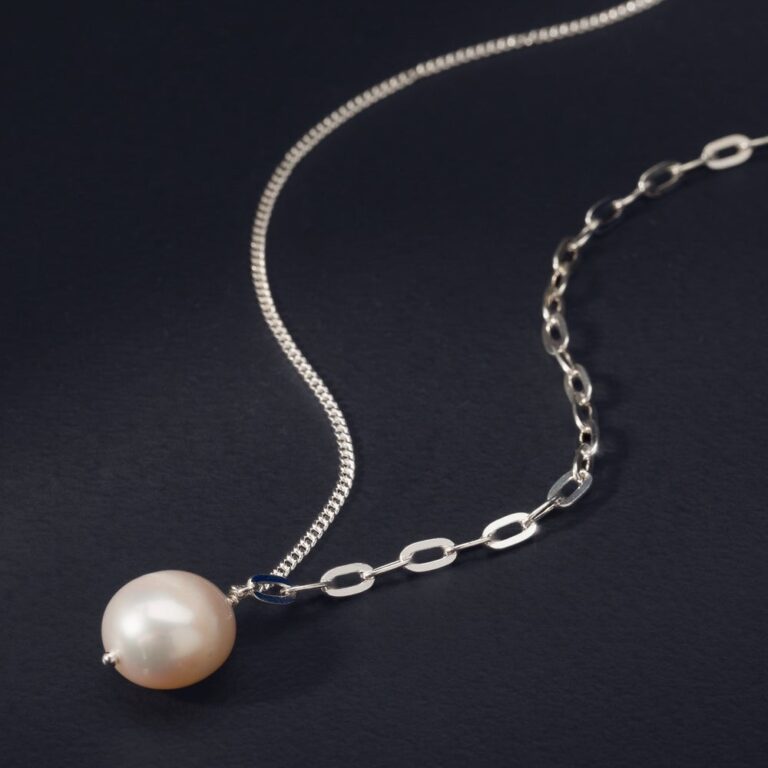
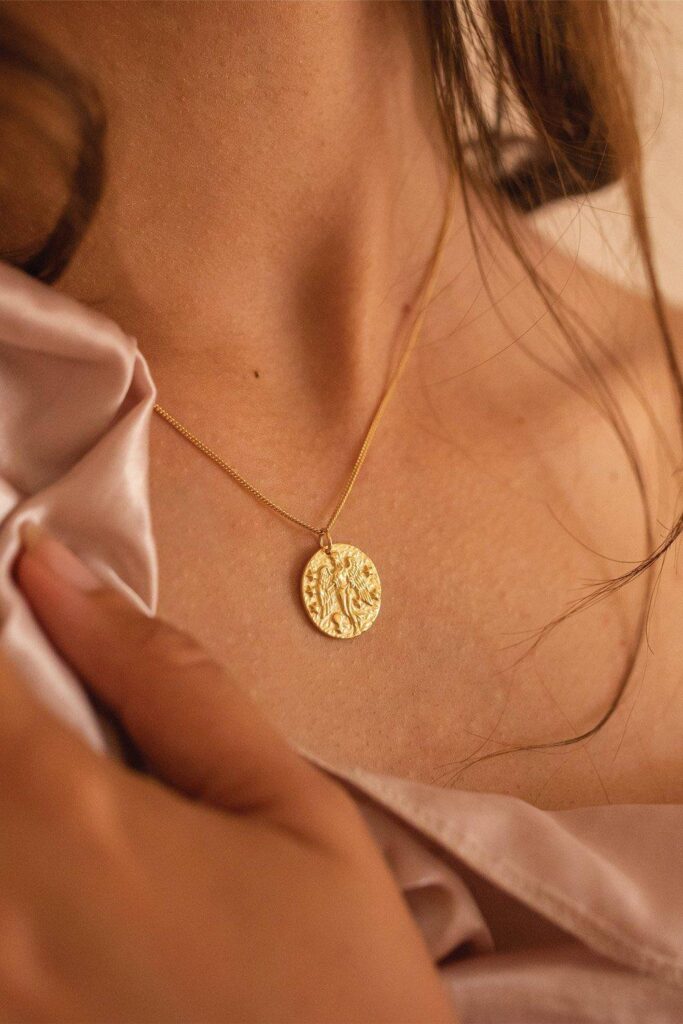 Silver NecklacesSilver Layered Pendant Necklaces That Make a Lovely Gift
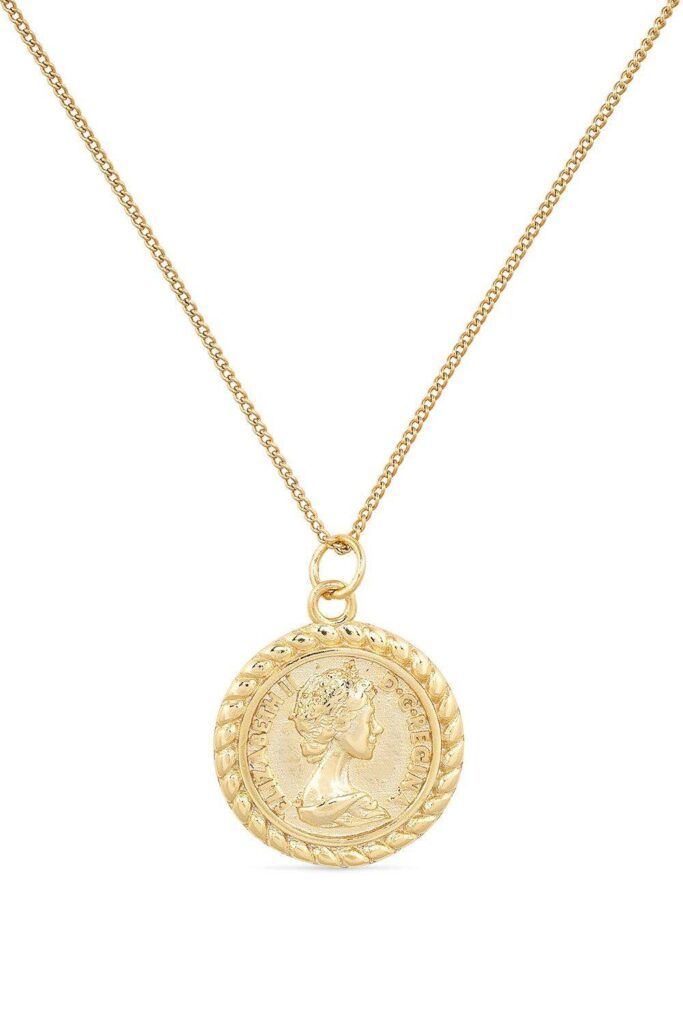
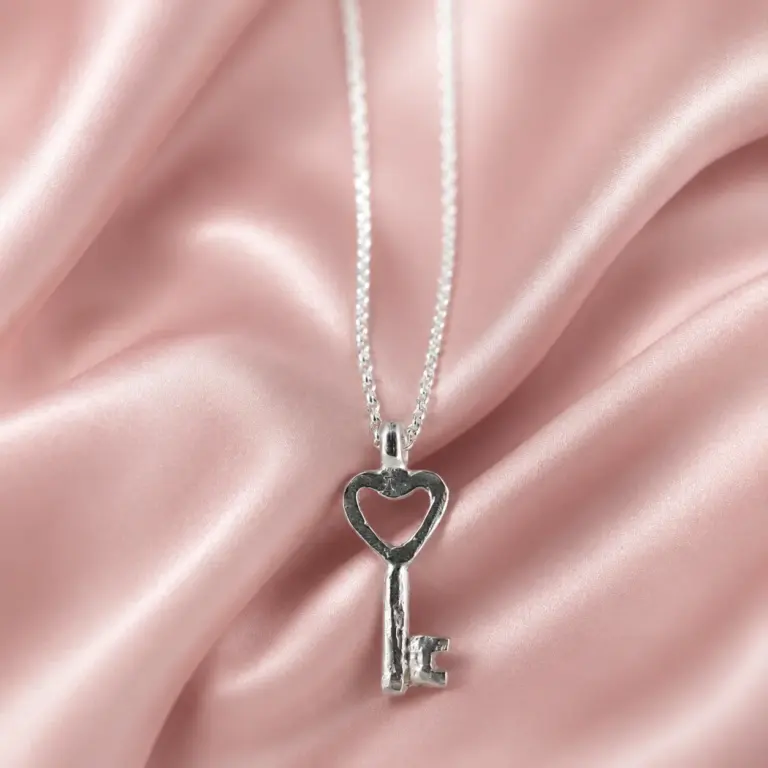 Heart NecklacesSilver Heart Layered Necklaces That Have Caught Our Eye
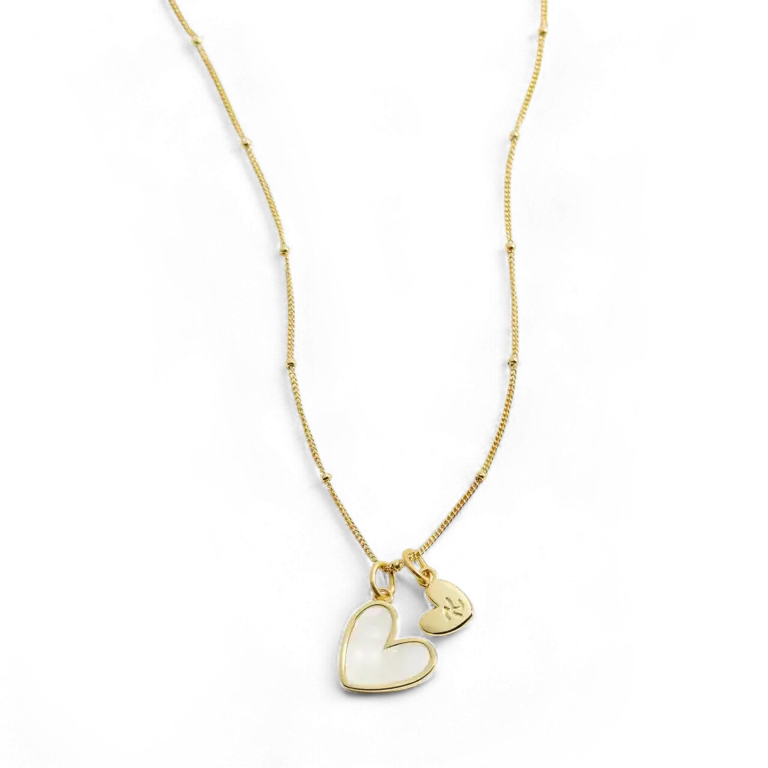
 Silver NecklacesSilver Layered Chain Necklaces We’d Buy Again
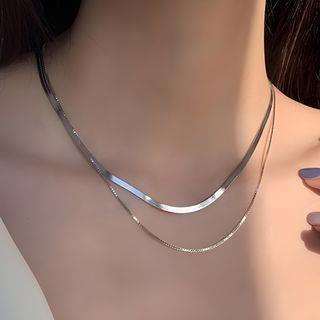
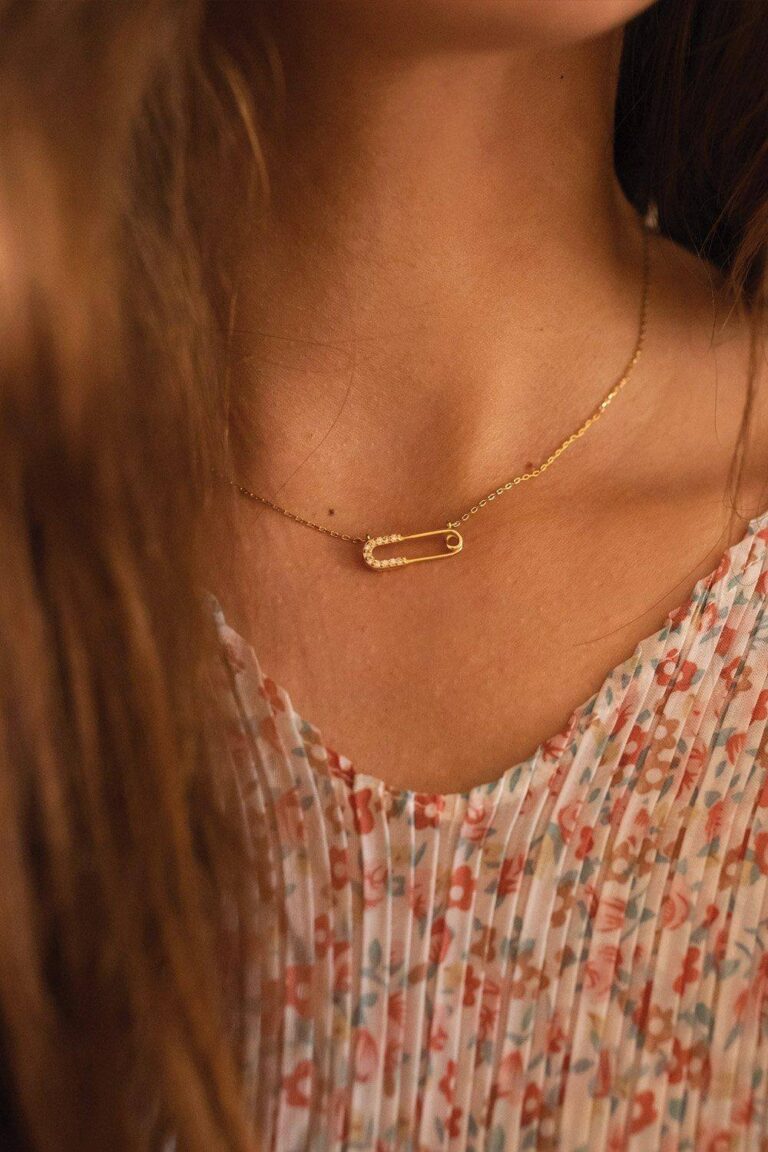 Silver NecklacesSilver Dainty Layered Necklaces Worth Adding to Your Wardrobe
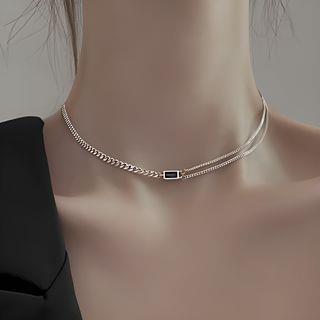
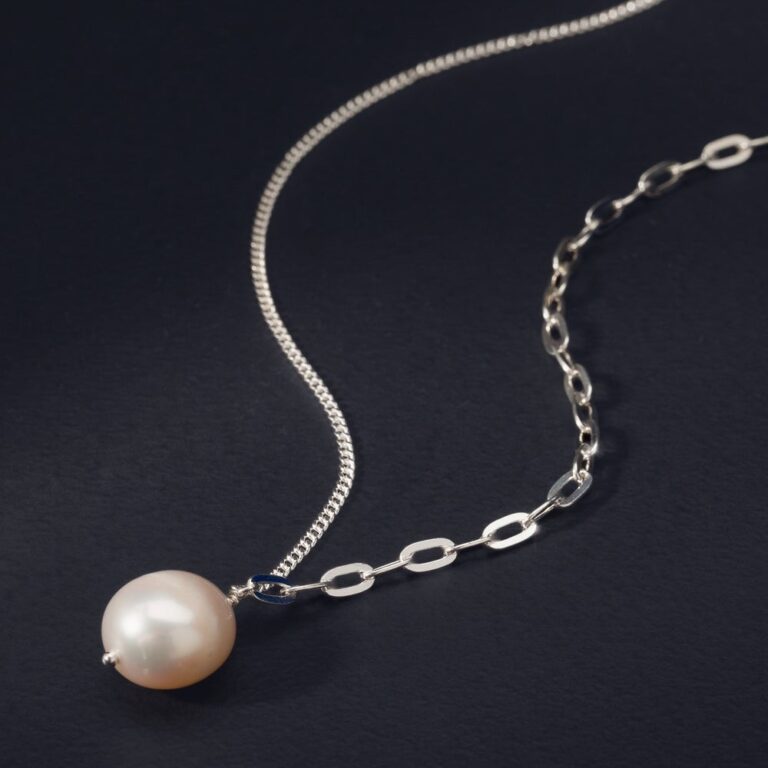 Pearl NecklacesSilver Freshwater Pearl Layered Necklaces You’ll Never Take Off
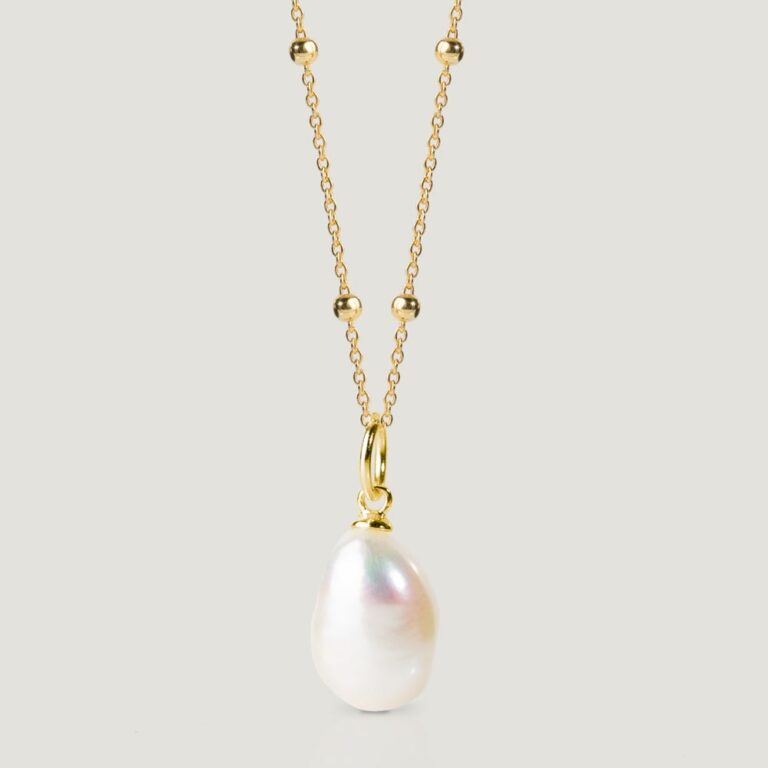
 Silver NecklacesSilver Chunky Layered Necklaces to See You Through Winter
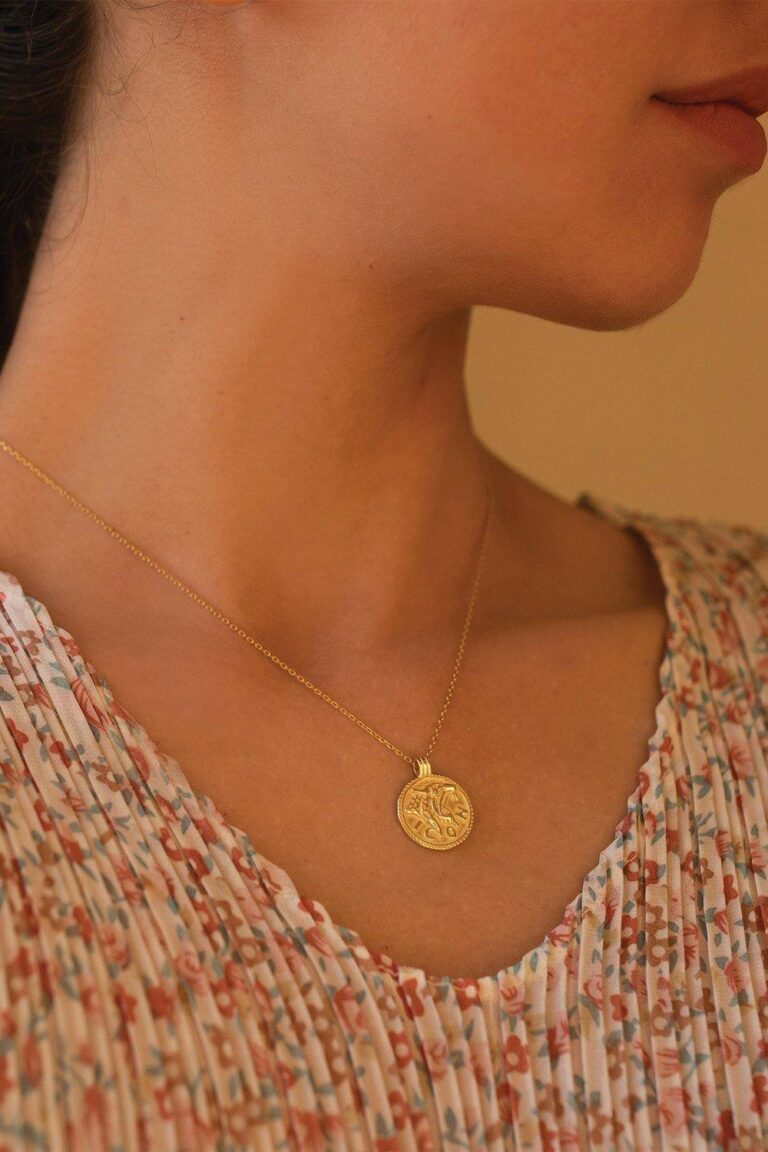
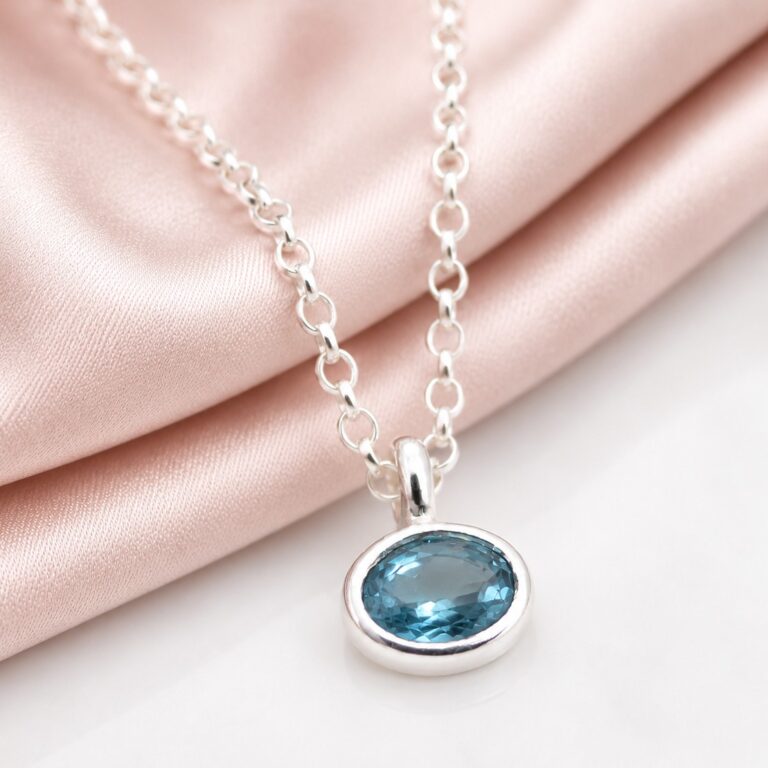 Silver NecklacesSilver Crystal Layered Necklaces: The Ones Worth Your MoneyAlso worth a lookGold NecklacesThe one I actually reach for is the plain fine chain, the one that's been on since I…See the collections →
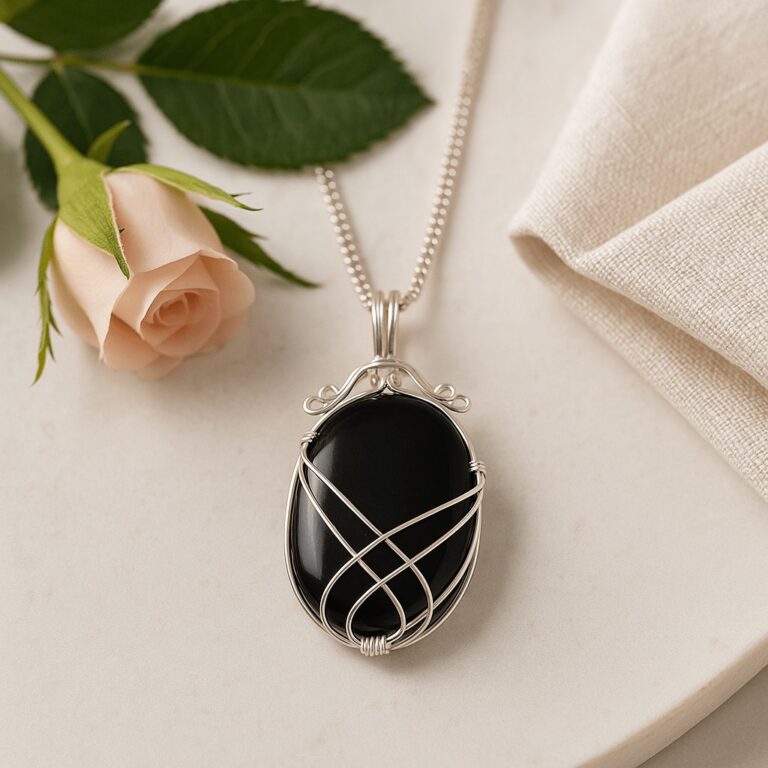
 Silver NecklacesSilver Adjustable Layered Necklaces That Add a Little Sparkle
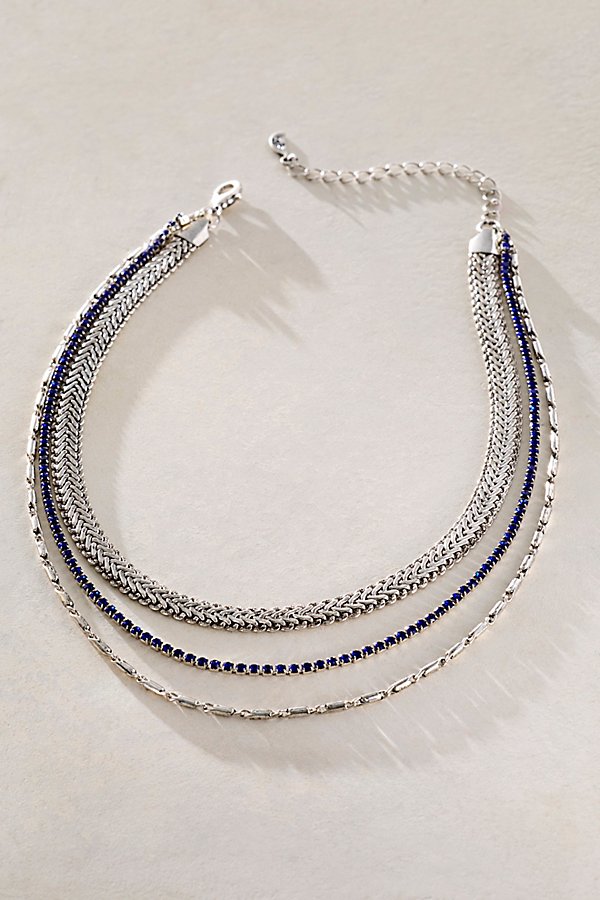 Our Favourite Sapphire Layered Necklaces
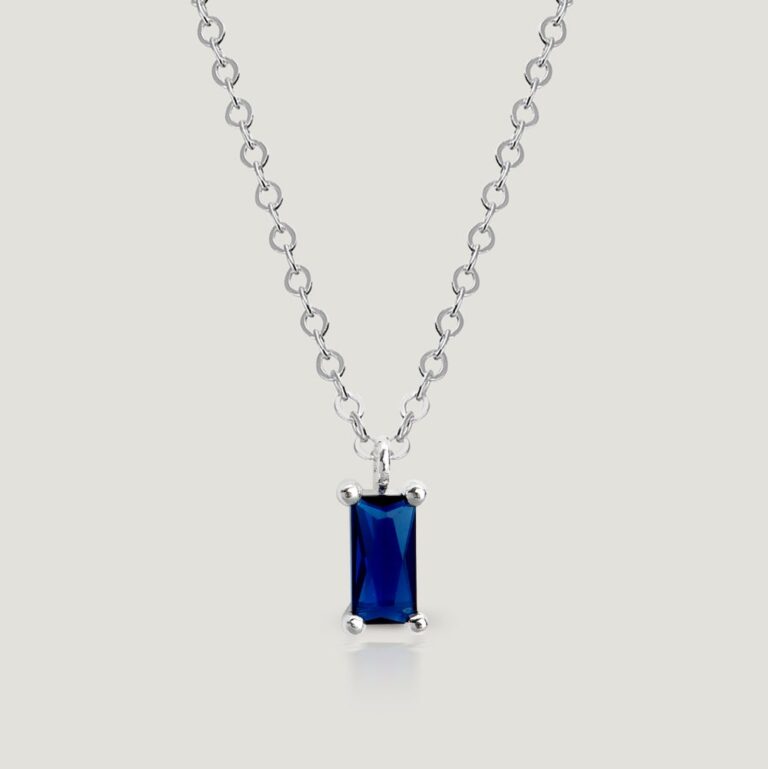
 Pearl NecklacesPearl Layered Necklaces Edited Down to the Best
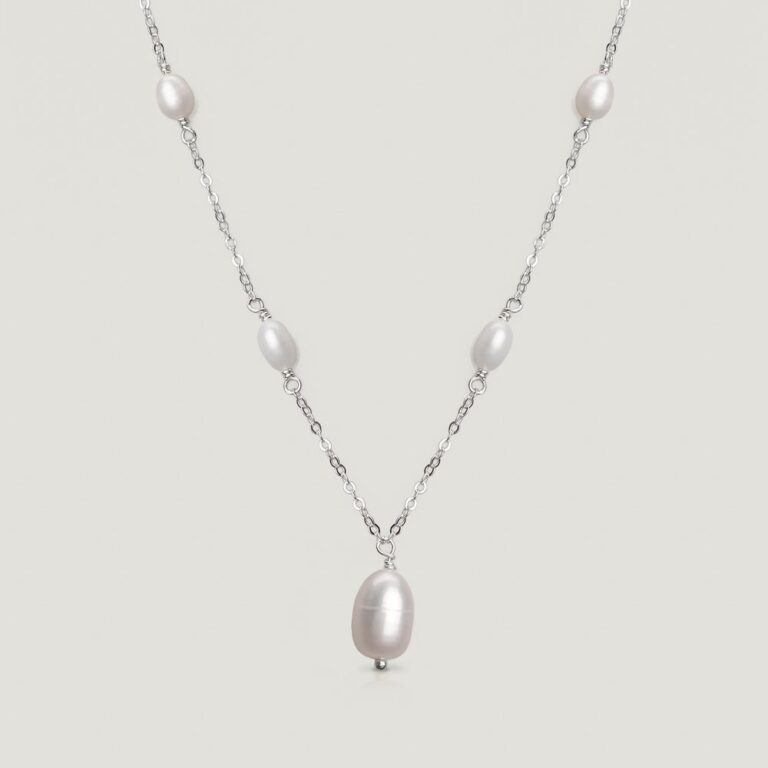
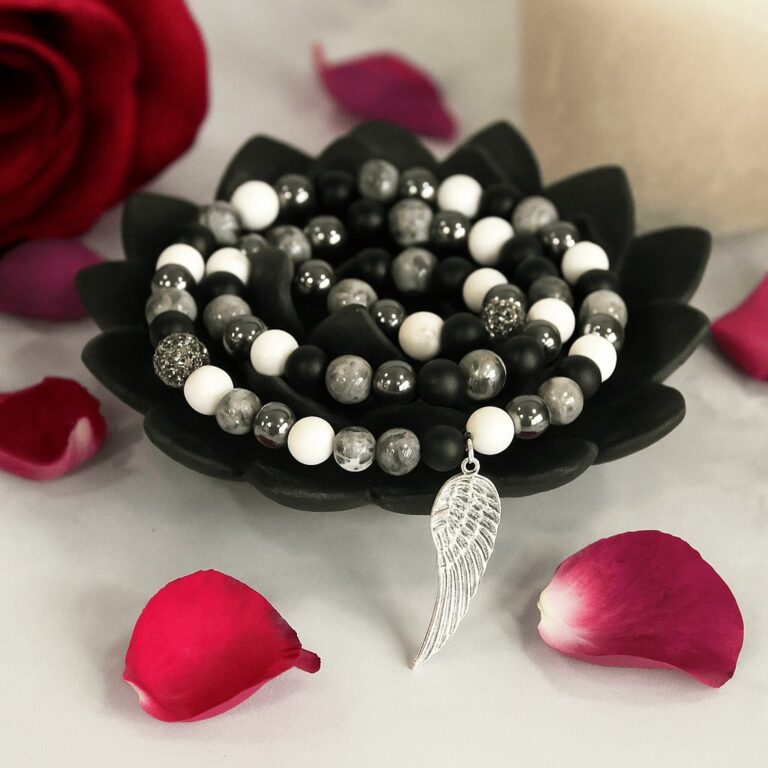 Pendant NecklacesPendant Layered Necklaces Worth a Closer Look
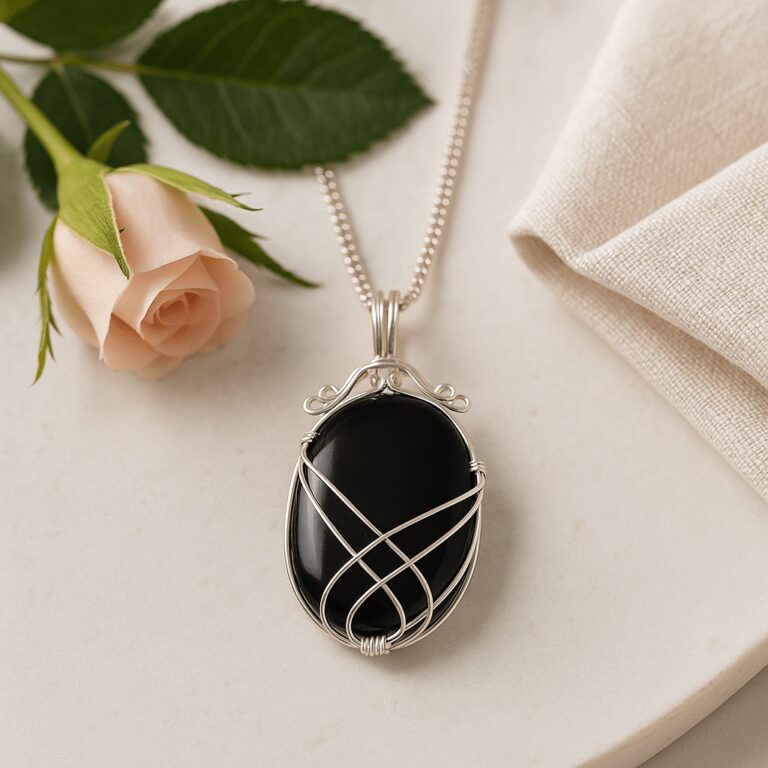
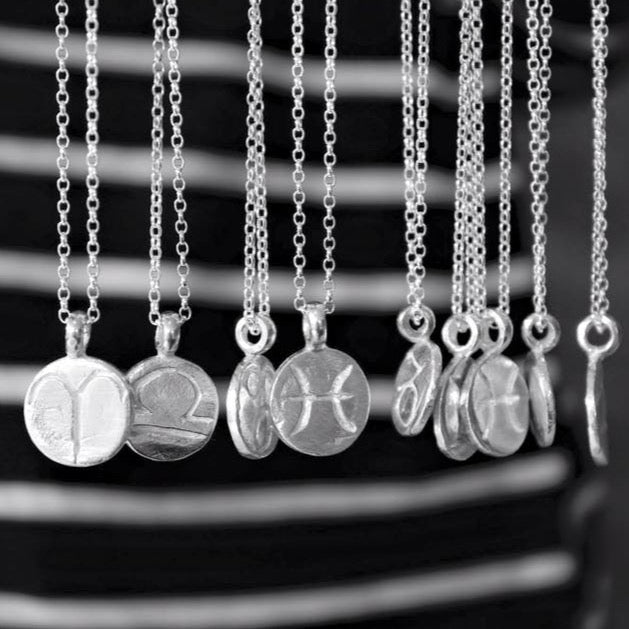 Name NecklacesName Layered Necklaces That Add a Little Sparkle

 Pretty Minimalist Layered Necklaces We Love
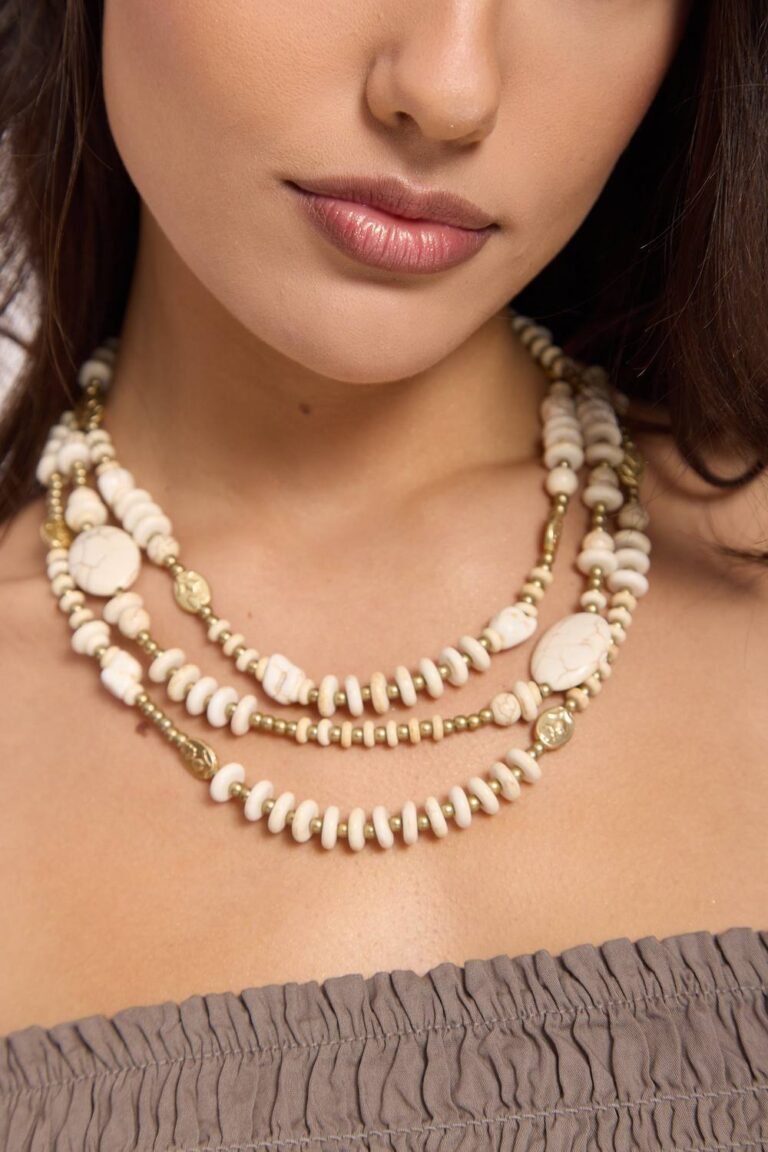
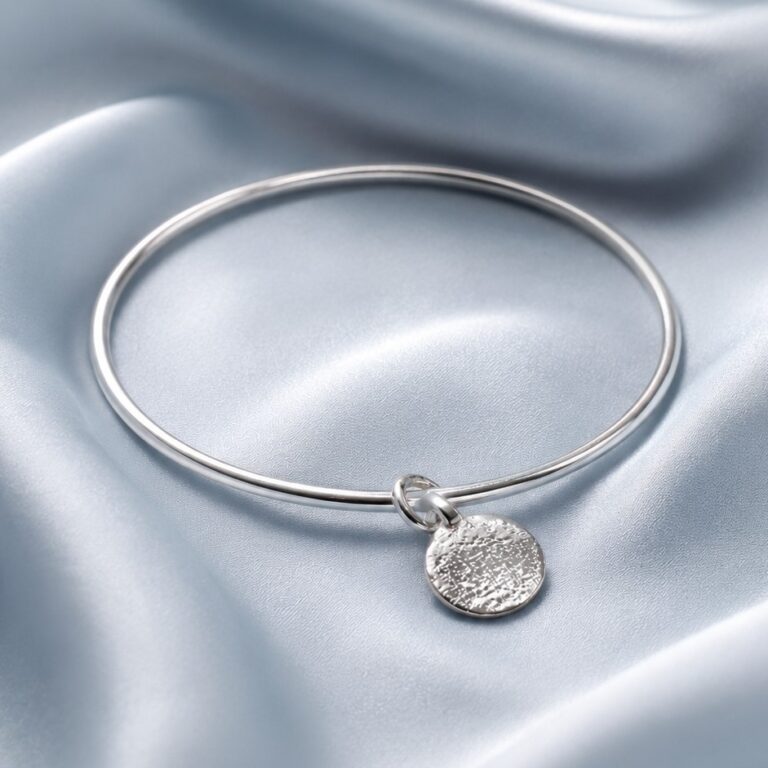 Moon Layered Necklaces We’d Happily Wear on Repeat

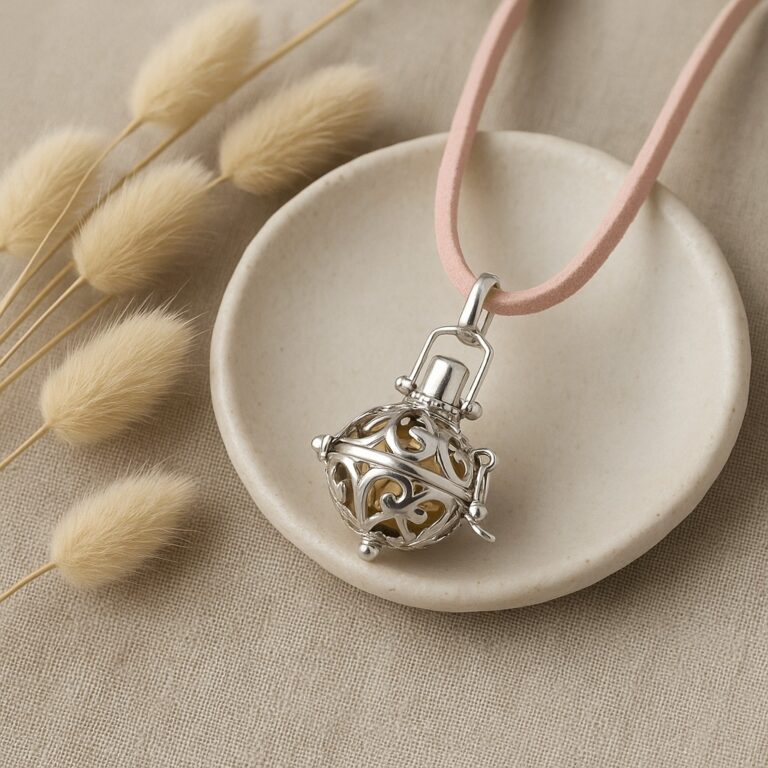 Name NecklacesPretty Layered Name Necklaces We Love