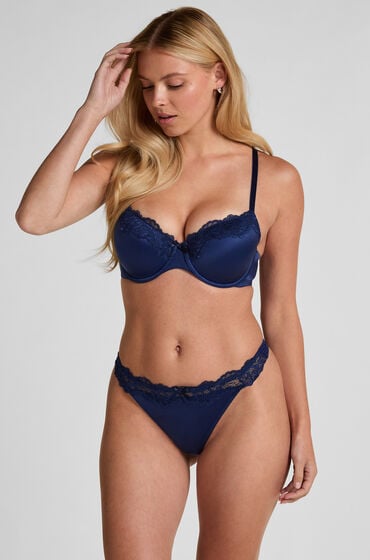
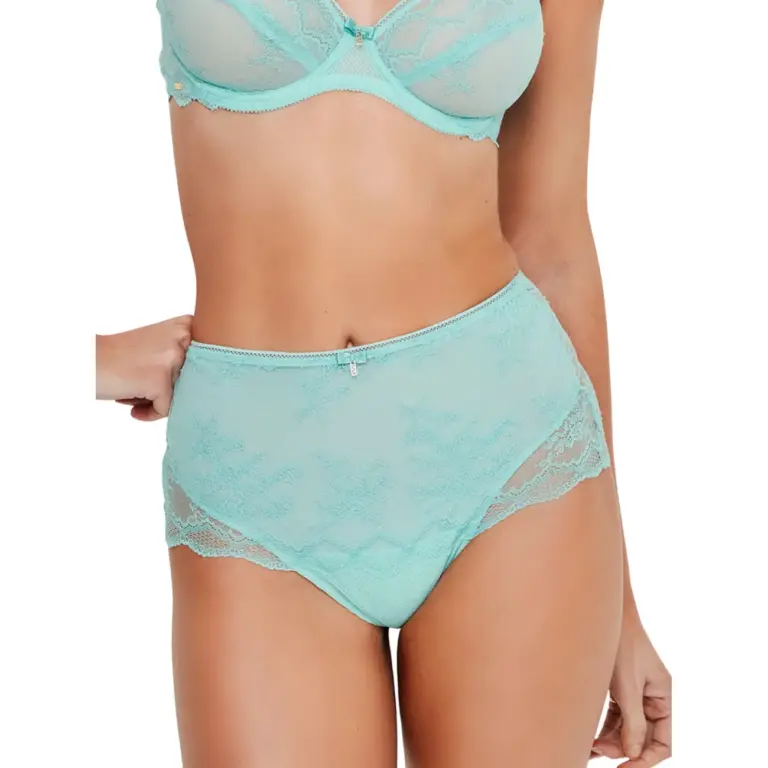
I avoided lace for years because every set I owned itched by lunchtime and left red marks that took longer to fade than the evening out that caused them. What changed was realising the itching was never the lace, it was the cheap stretch lining behind it rubbing against the actual lace trim, and once I started checking for that one thing, lace stopped being something I only wore once and then left at the bottom of a drawer.
If you've got none in your drawer at all, start with a softer patterned lace rather than anything with a scratchy scalloped edge, and go for a set where the lace sits over a lined cup rather than being the only layer against your skin. That one distinction solves most of the discomfort problem before you've even tried it on. It also tends to hold its shape better over time, because the lining takes the strain of washing and wearing while the lace just sits there looking nice, rather than doing any actual work and stretching out.
Lace earns its place most obviously on the occasions you'd expect, under something fitted for an evening, or on the sort of day you want to feel a bit more put together under ordinary clothes, but I've come round to wearing it in winter specifically, because it's the one month I otherwise dress for warmth and comfort and nothing else. A good lace set under a jumper does something for how you stand that thermal cotton never quite manages. It's less convincing in high summer, when anything with a lined cup gets uncomfortably warm by mid afternoon, but that's a heat problem rather than a lace problem.
Before you buy, stretch the lace gently between your fingers in the shop. If it goes thin and see through almost immediately, it'll do the same after two washes at home, no matter what the label says about hand washing only. Check the seams where the lace meets the lining too, because that's the first place cheap lace splits, usually right at the underarm or the side seam, and you won't notice until you're adjusting yourself in a toilet cubicle. Mine's gone through a full year of cold washes and being shoved into the corner of an overnight bag, and it still looks like it did on day one, which tells you the lining was doing its job all along.
Next time you're looking, run your thumb along the inside seam before anything else, and if it feels rough rather than finished, put it back.

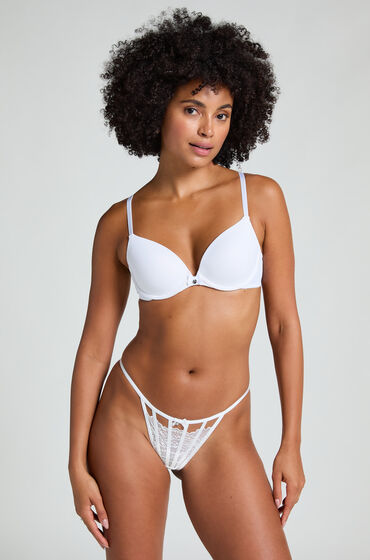 White LingerieThe White Lace Thongs We Keep Going Back To

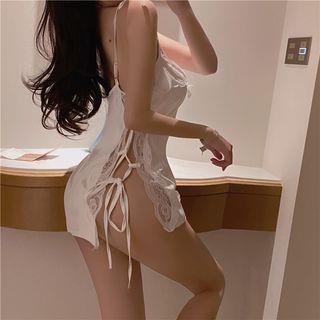 White LingerieWhite Lace Stockings Worth Treating Yourself To
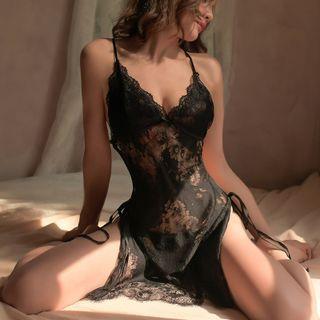
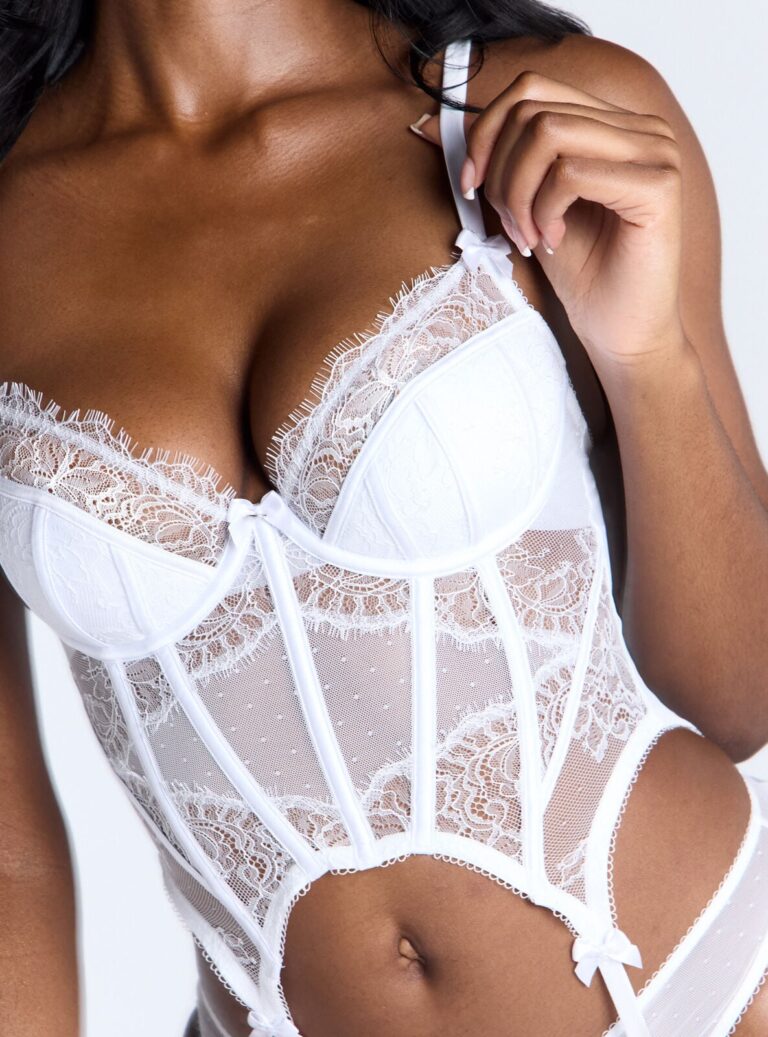 White LingeriePretty White Lace Basques That Are Actually Comfy
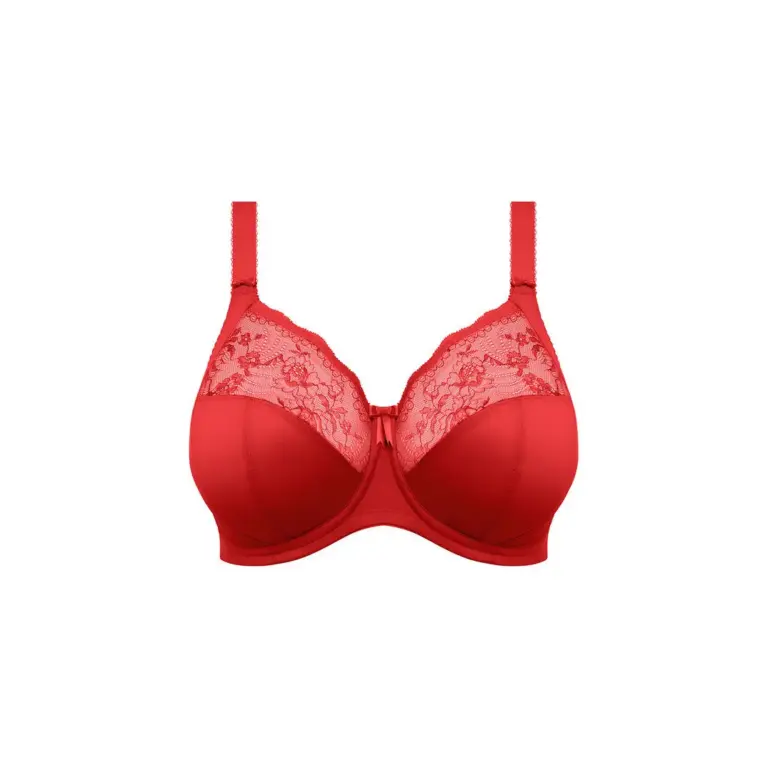
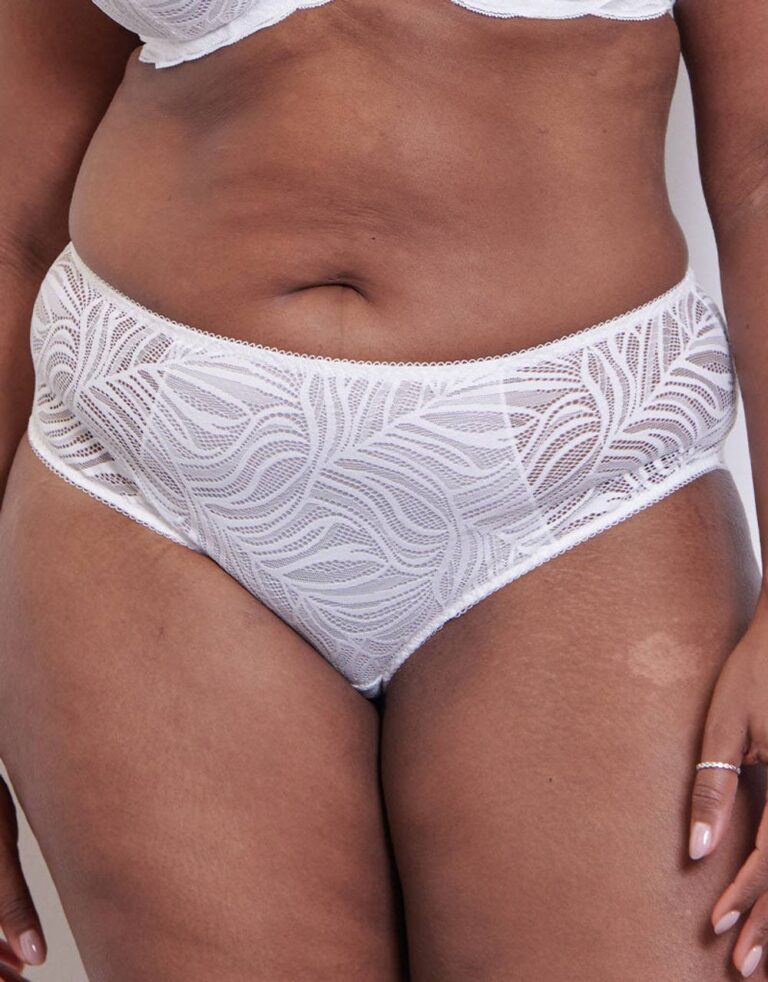 White LingerieOur Edit of the Best White Lace Knickers
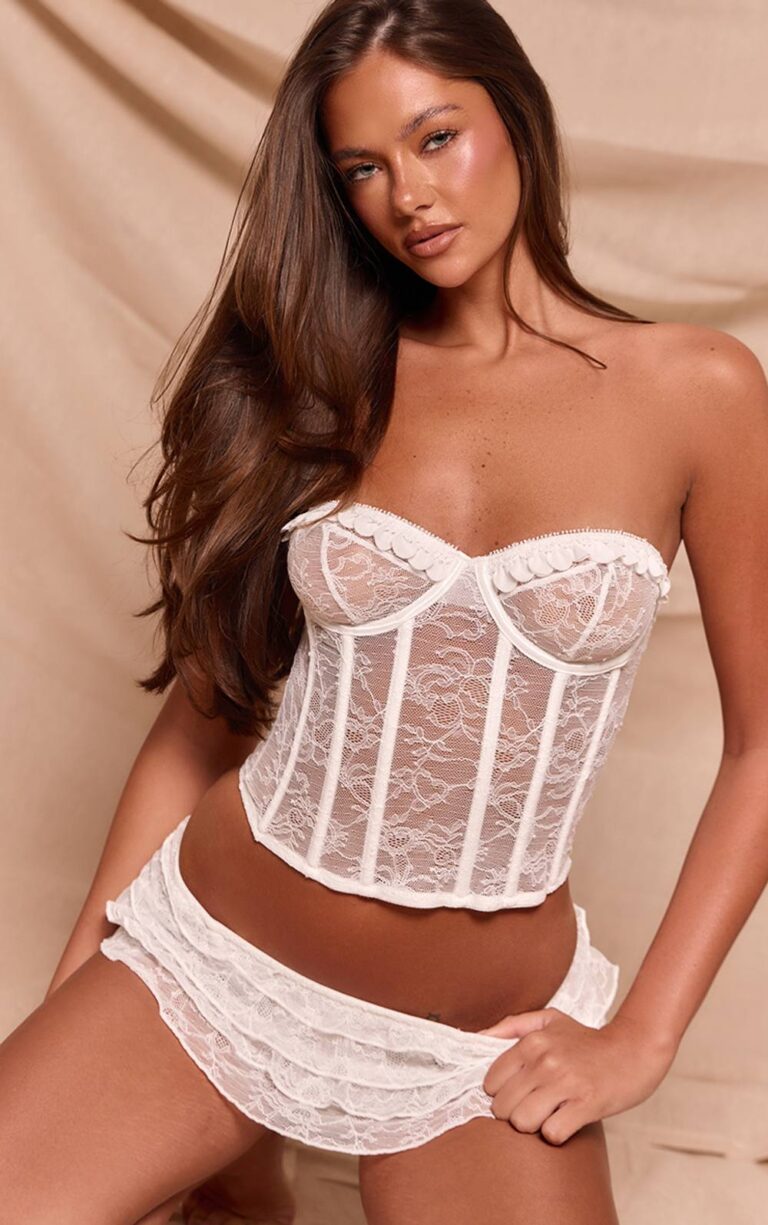
 White LingerieThe White Lace Babydolls We Rate for Comfort
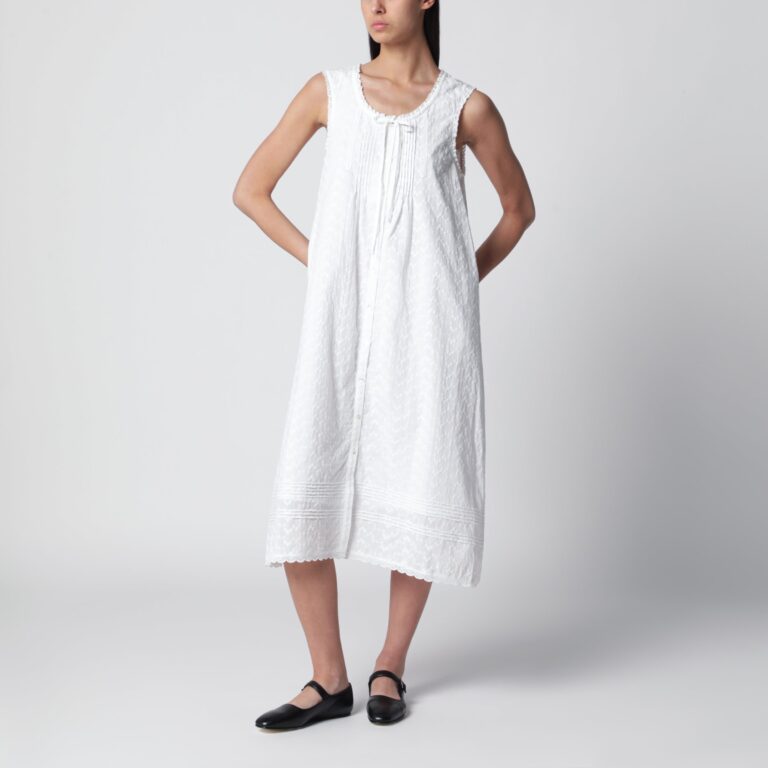
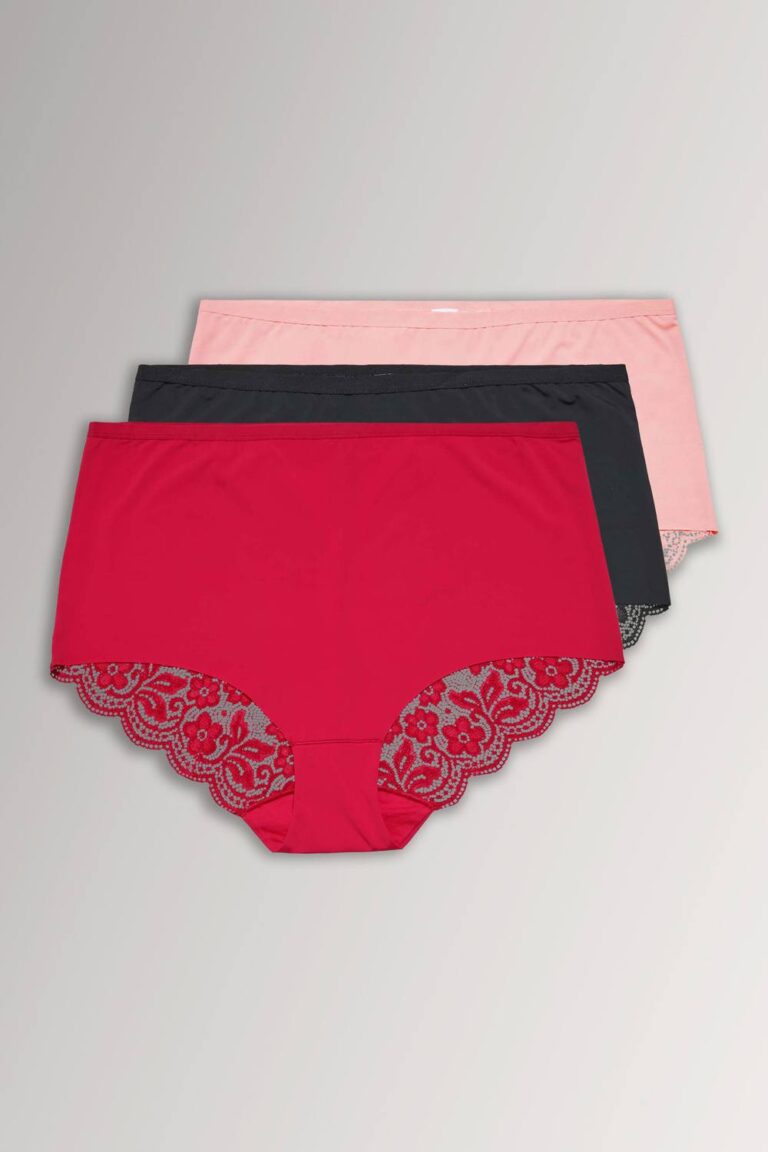 KnickersRed Lace Knickers With Real Wardrobe Staying Power
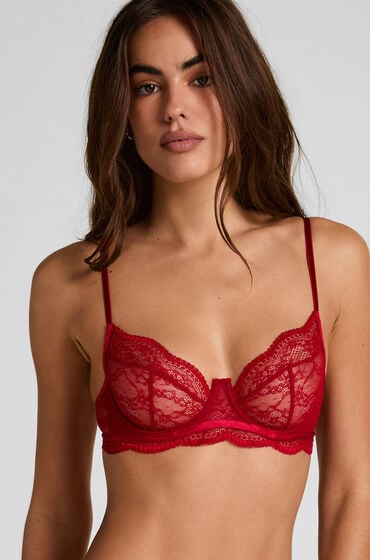
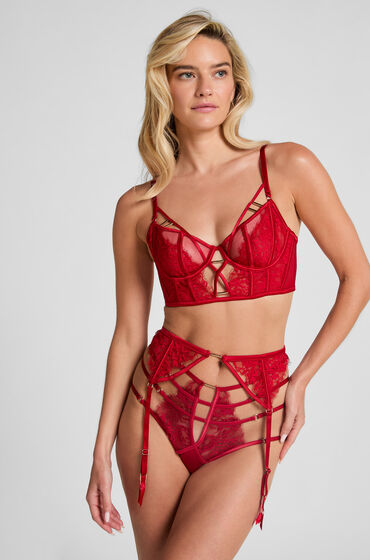 Lingerie SetsRed Lace Lingerie Sets We’re Adding to Basket

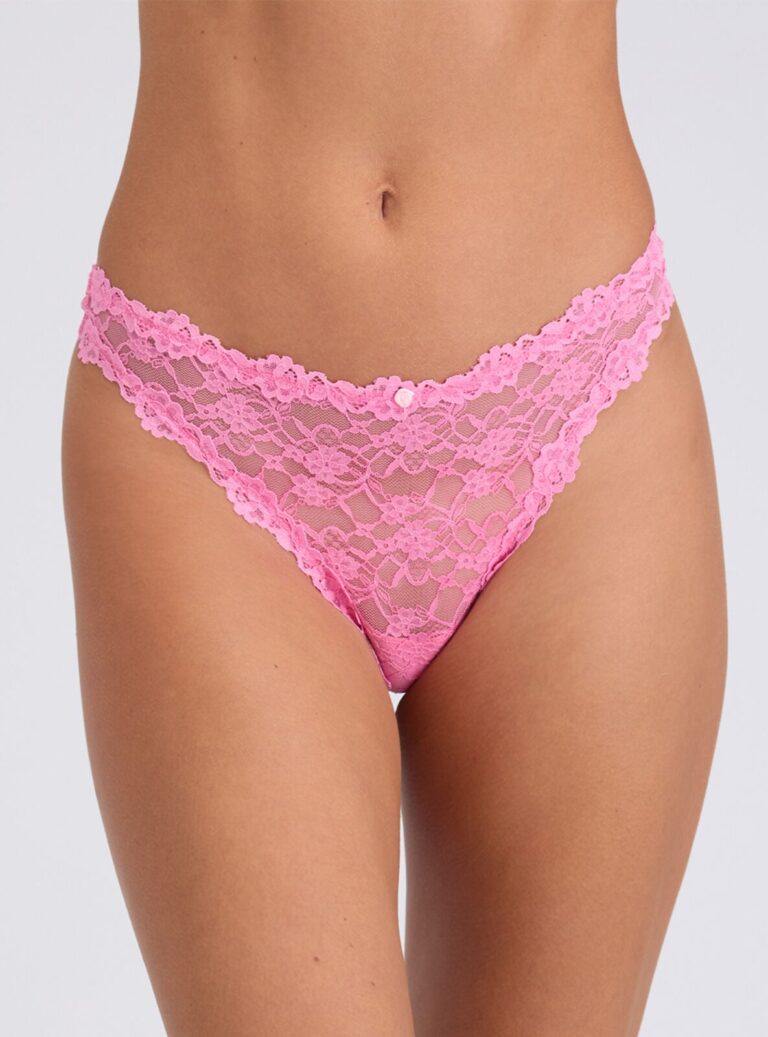 ThongsRed Lace Thongs Worth Treating Yourself To
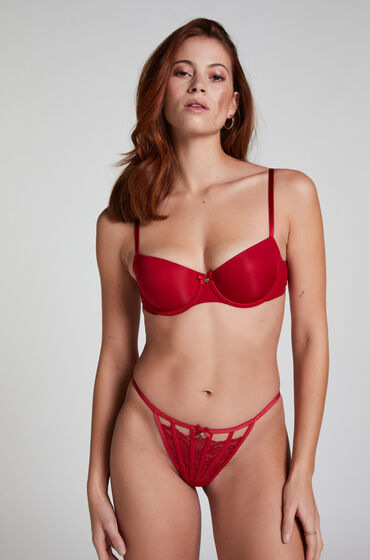
 BriefsPurple Lace Briefs That Make Mornings BetterAlso worth a lookBrasThe first thing I do with any bra is put two fingers under the back band before it's even fastened on the loosest hook.See the collections →
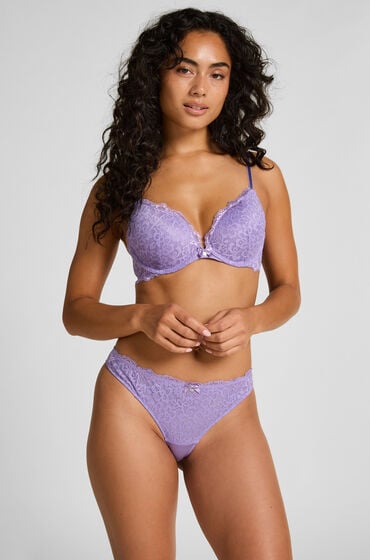 ThongsThe Purple Lace Thongs Shortlist
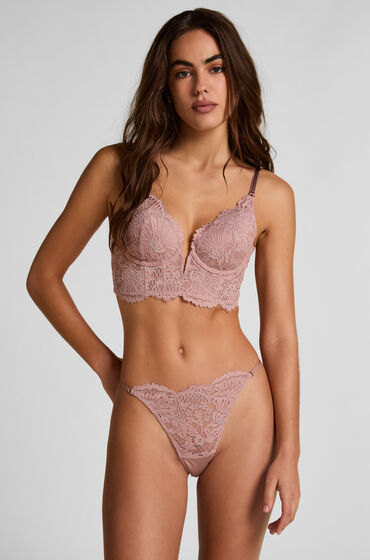
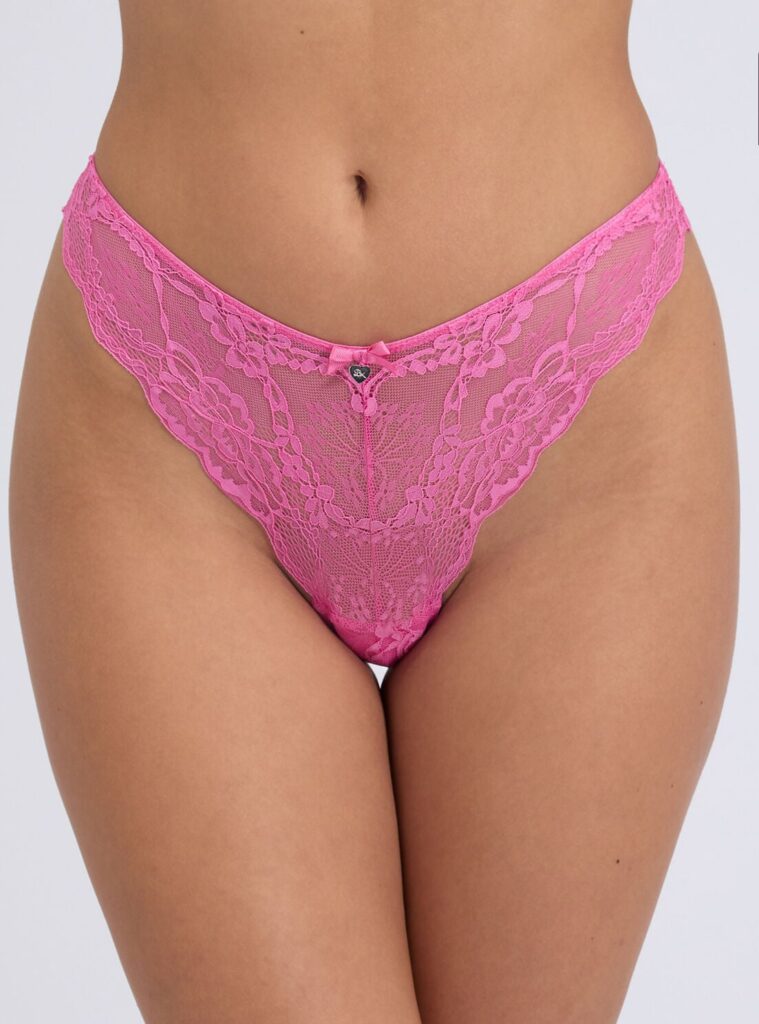 ThongsPink Lace Thongs for Feeling Good

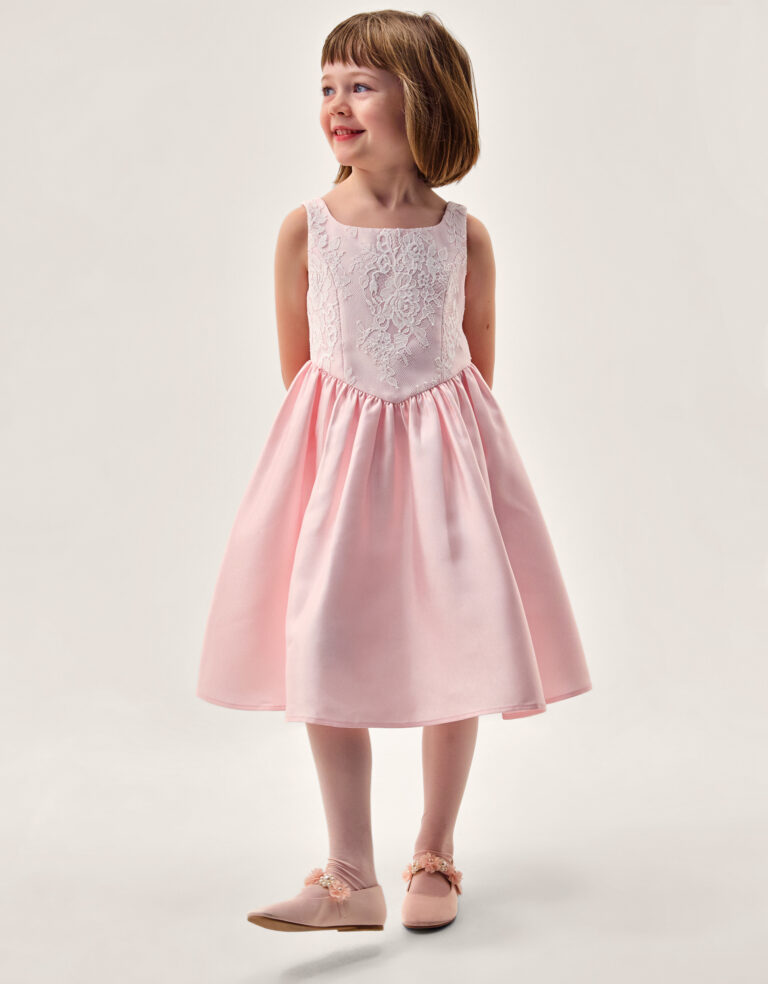 Pink Lace Basques Worth Treating Yourself To
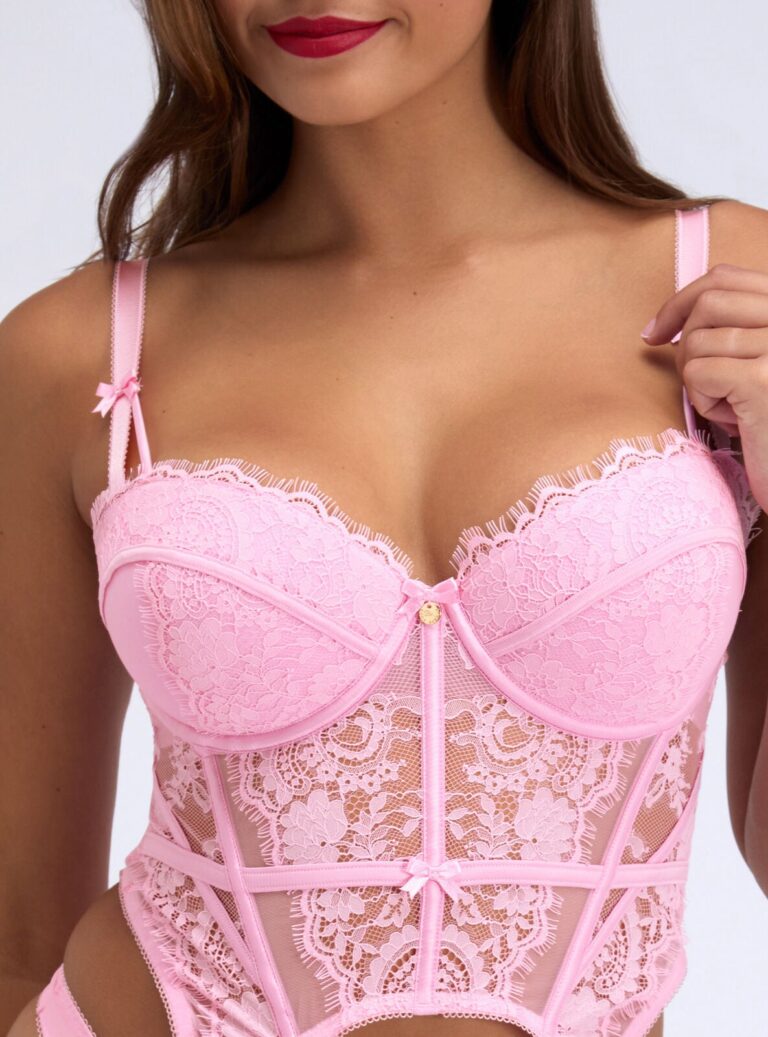
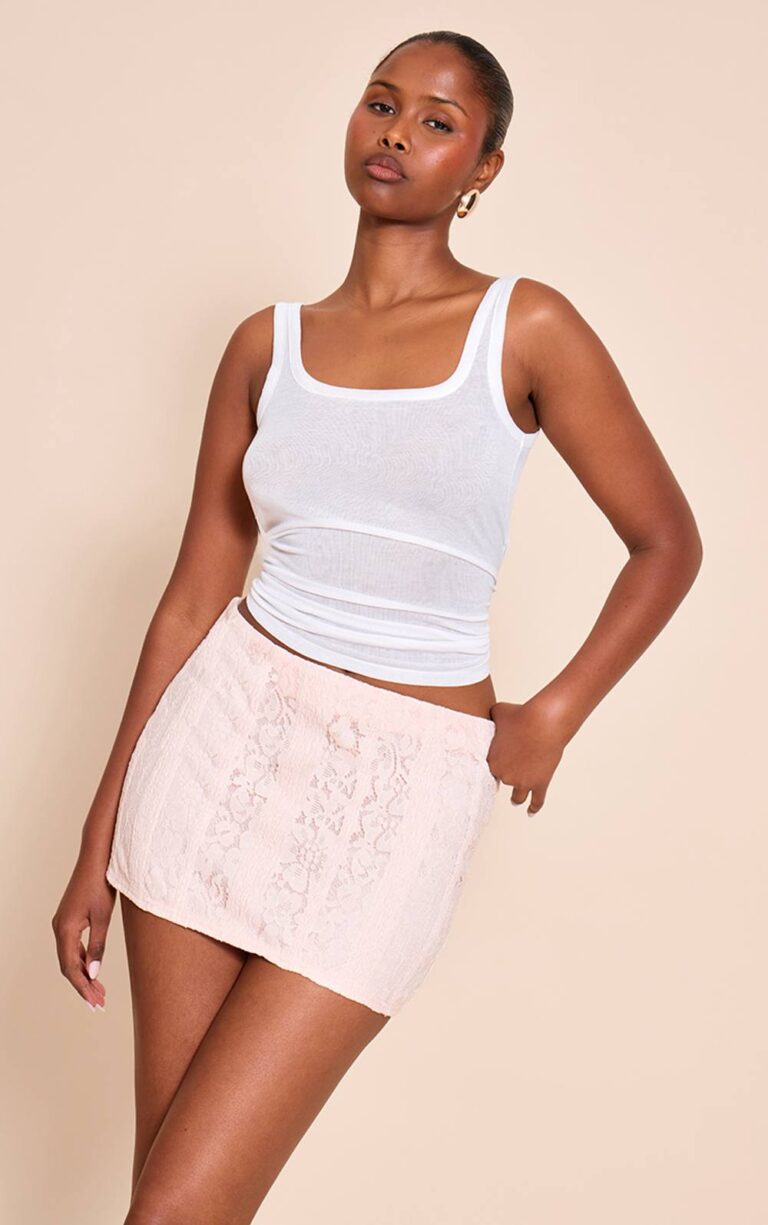 BralettesStandout Pink Lace Bralettes to Shop
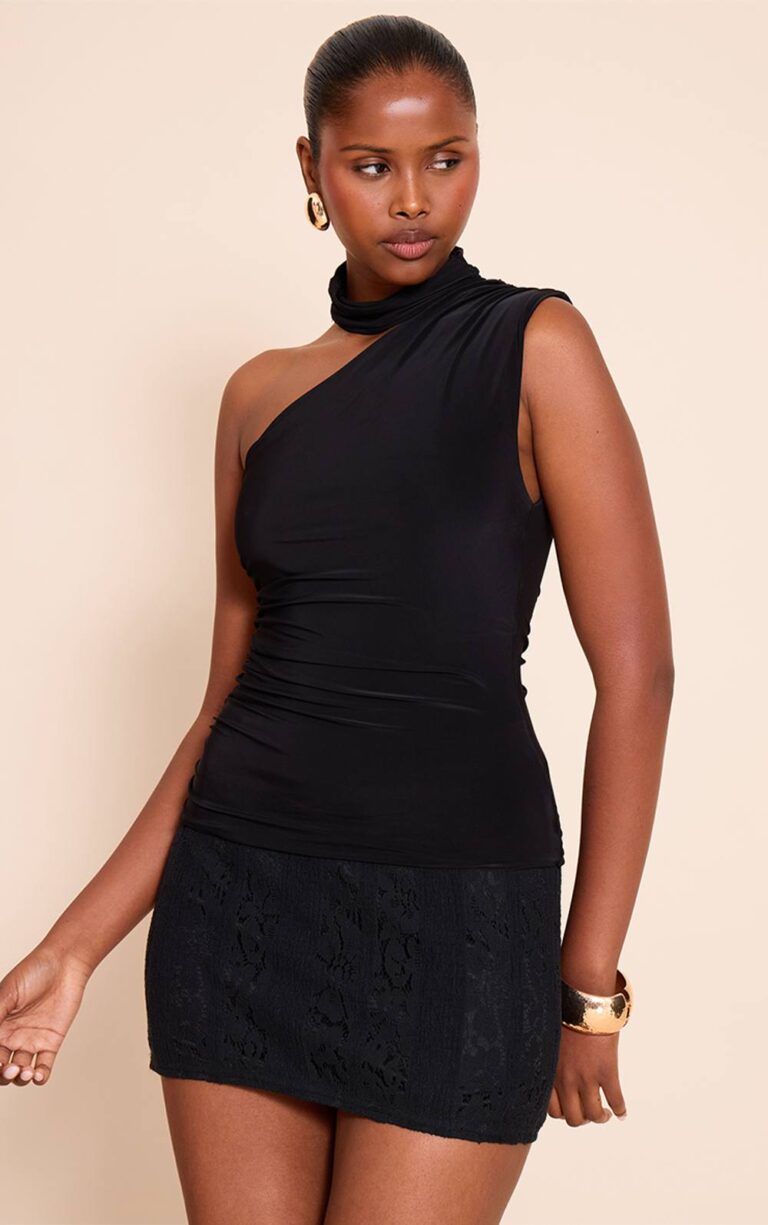
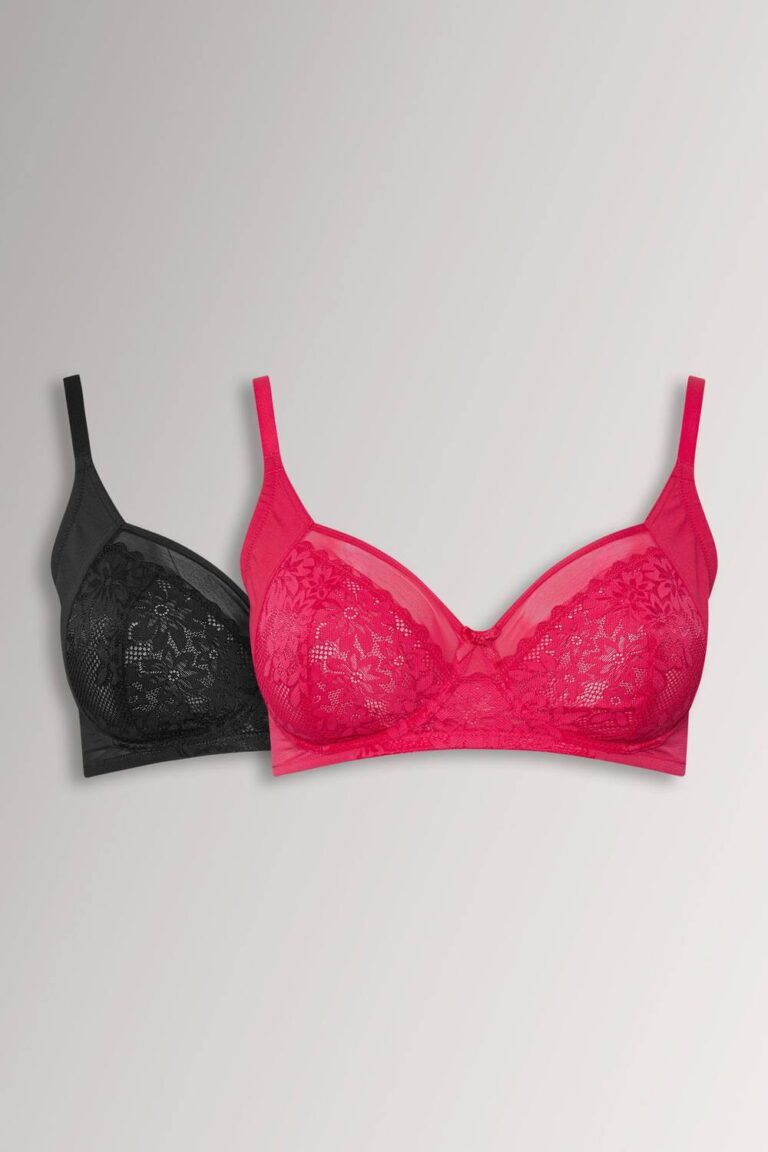 BriefsComfortable Pink Lace Briefs We Love
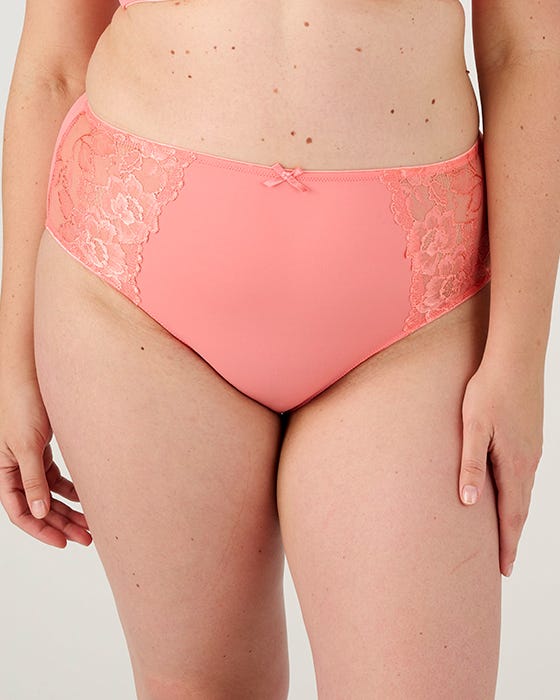
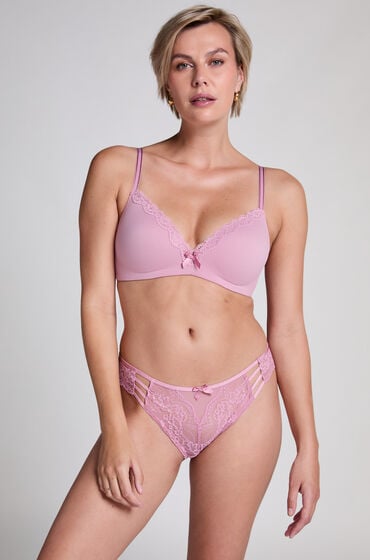 KnickersPink Lace Knickers That Feel Special
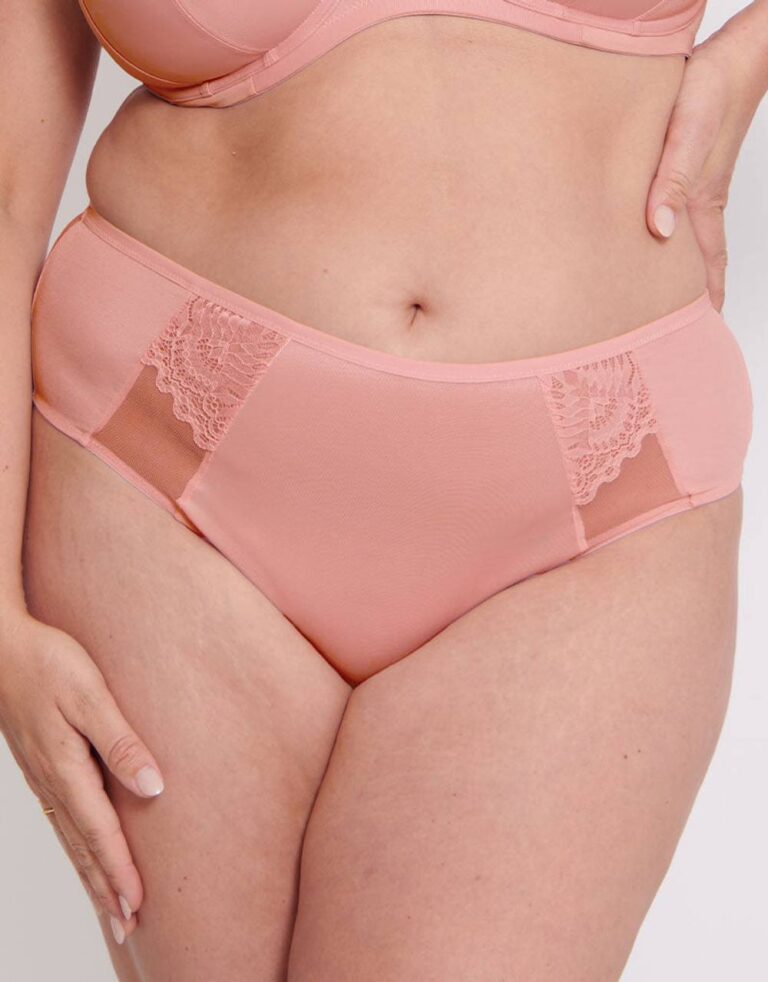
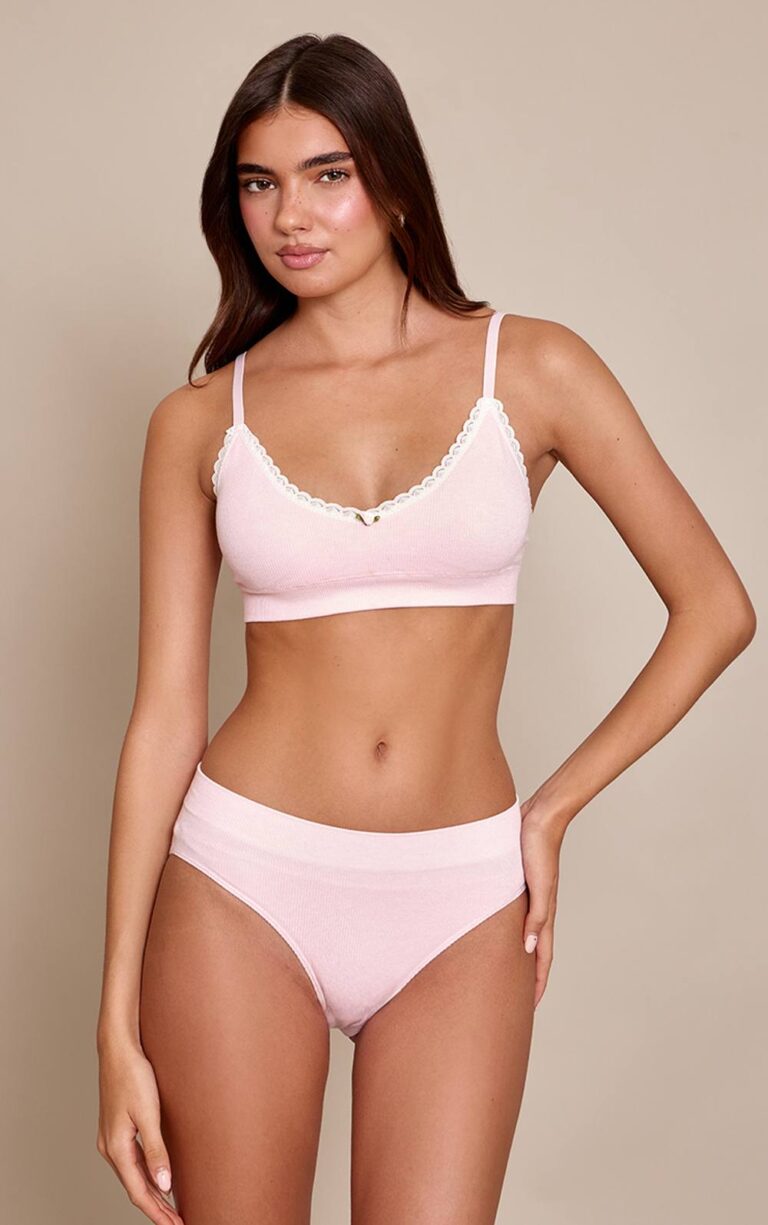 Lingerie SetsWhere to Find the Best Pink Lace Lingerie Sets

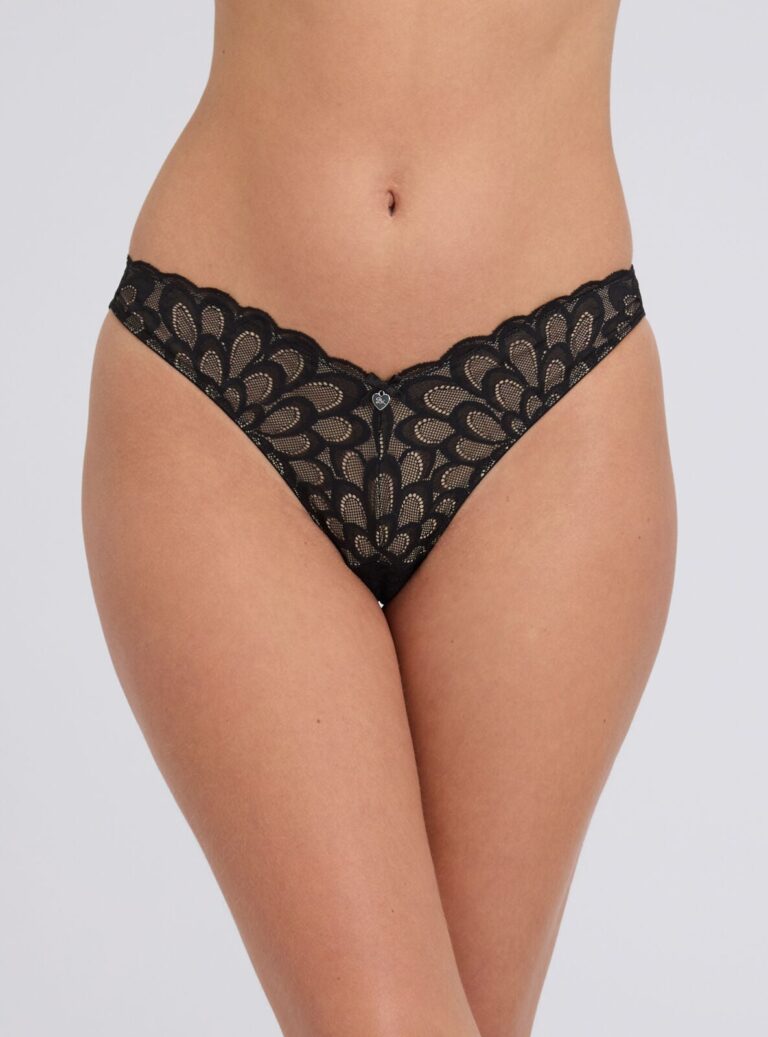 BriefsOur Pick of the Best Nude Lace Briefs
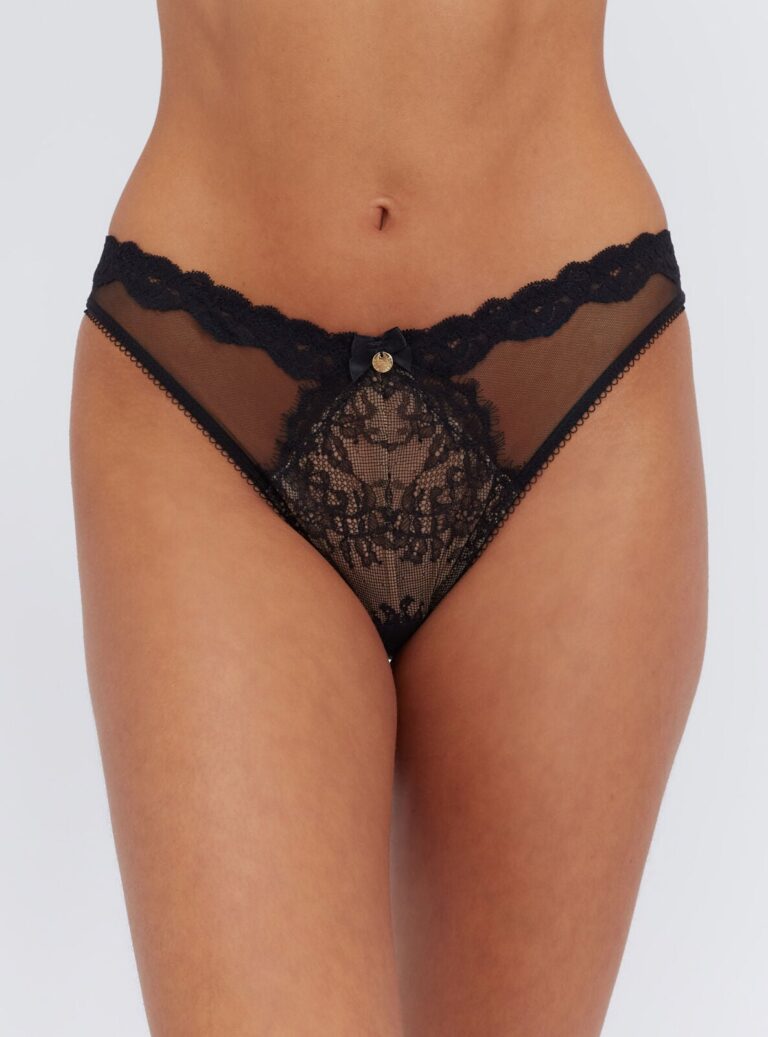
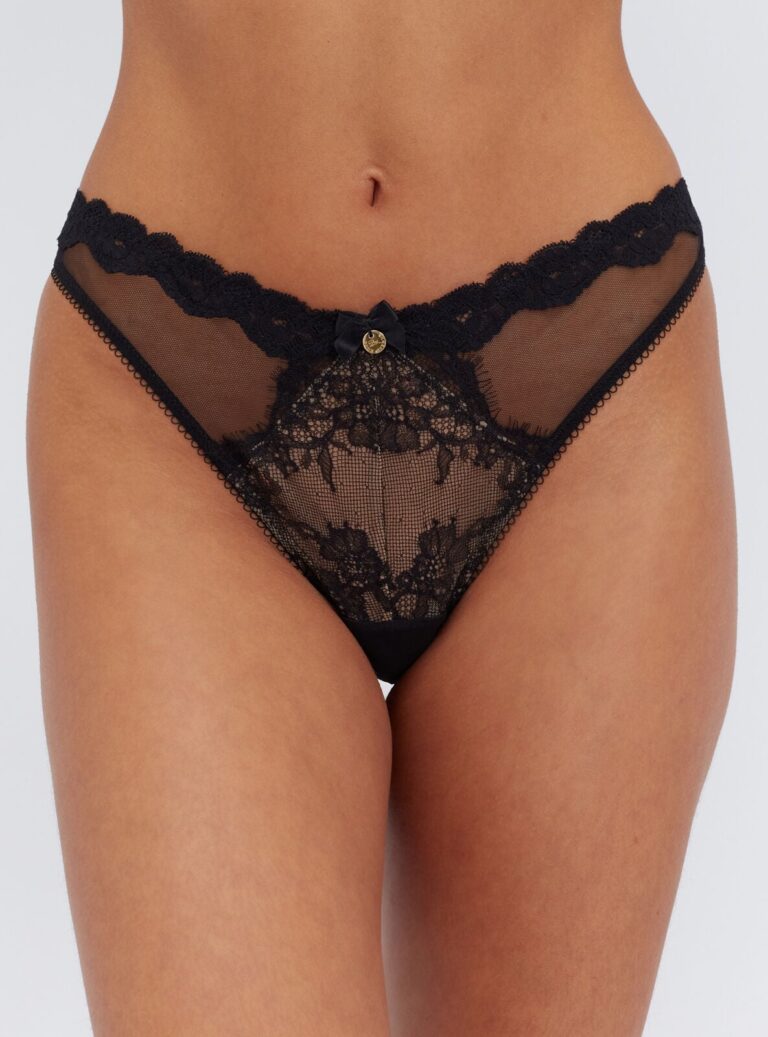 ThongsWhere to Find the Best Nude Lace ThongsAlso worth a lookSlipsThe thing that matters most with a slip is the cut on the bias, not the fabric name on the label.See the collections →
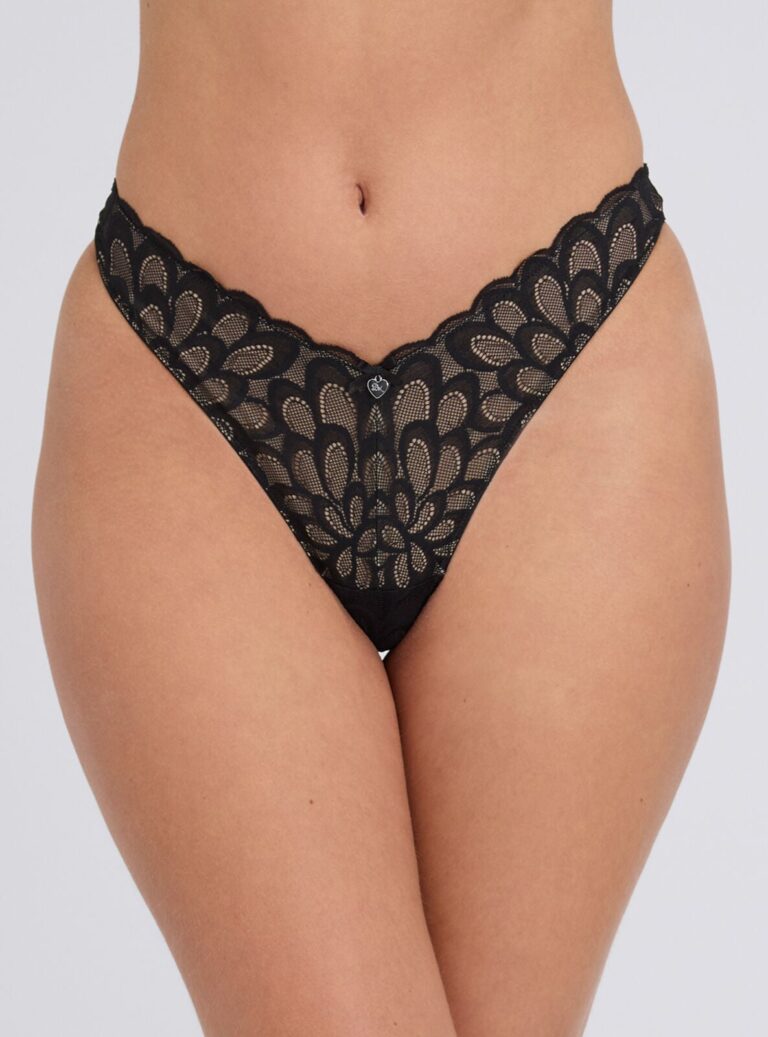
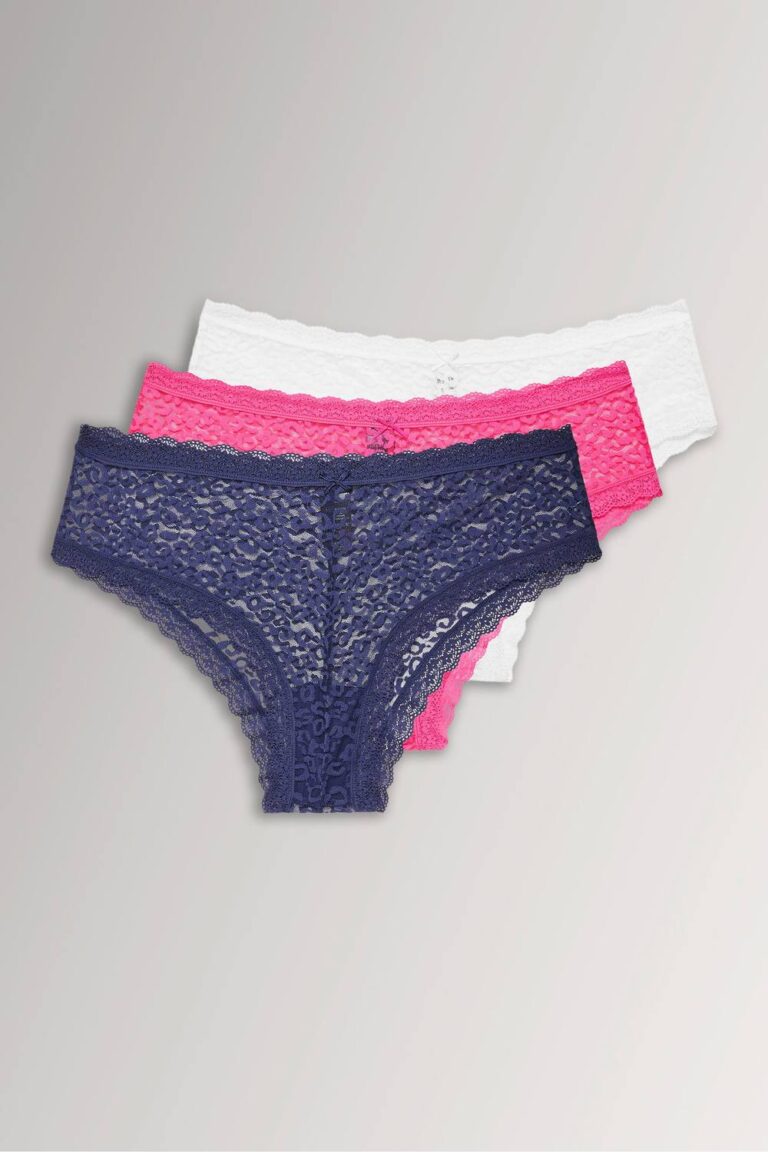 BriefsNavy Lace Briefs Edited Down to the Best

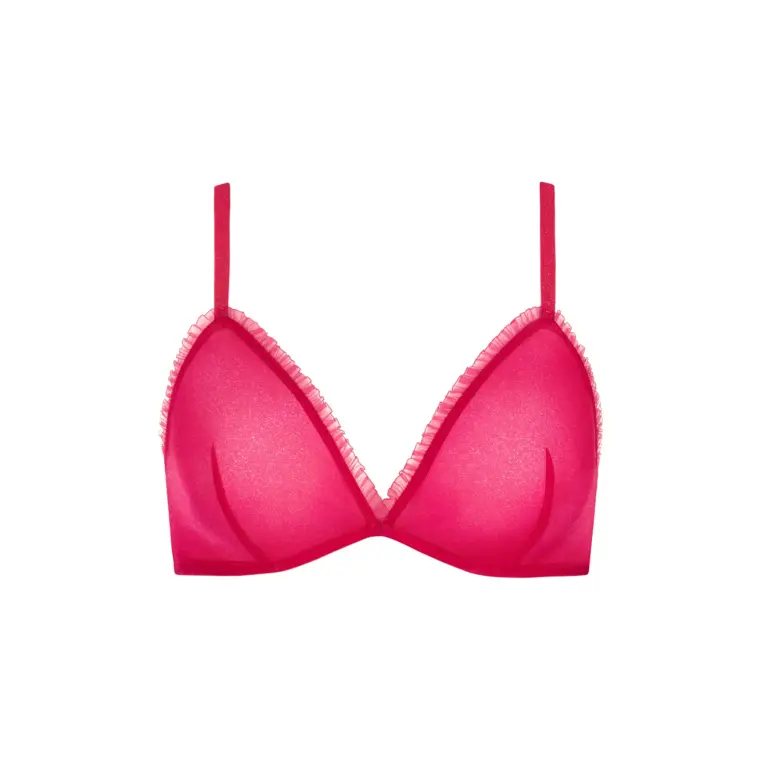 BralettesPretty Lace Wireless Bralettes That Are Actually Comfy
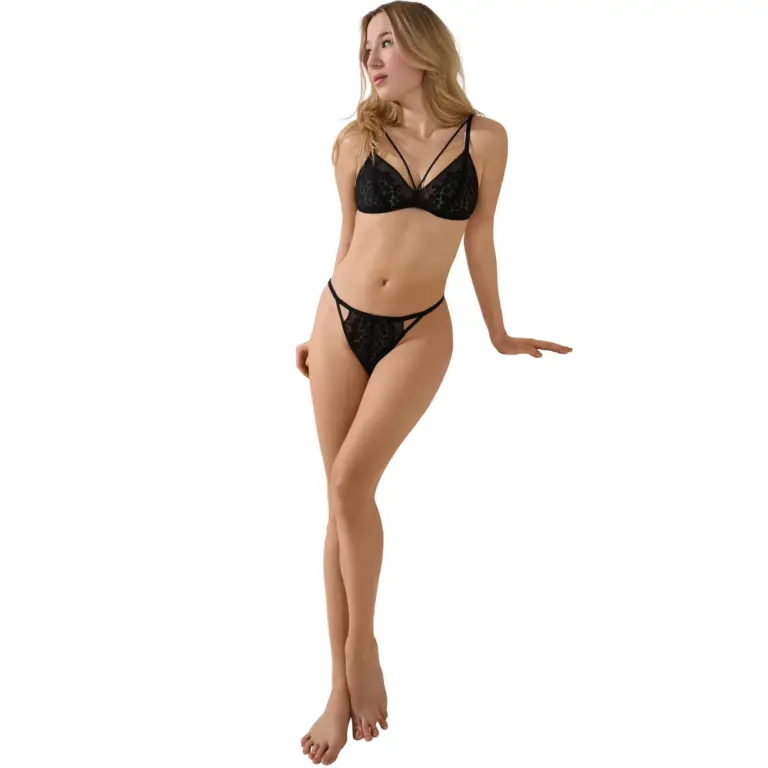
 The Best Lace Stockings to Shop Now

 BralettesLace Strappy Bralettes We Love Right Now
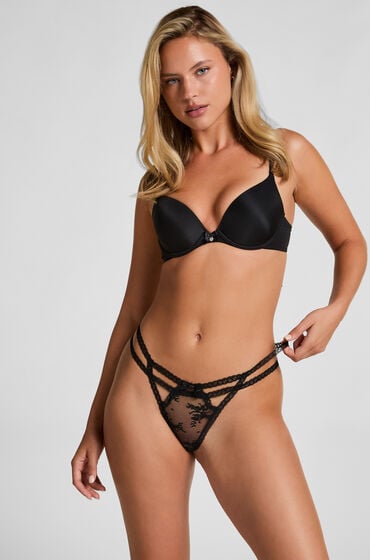
 ThongsLace Strappy Thongs: The Edit
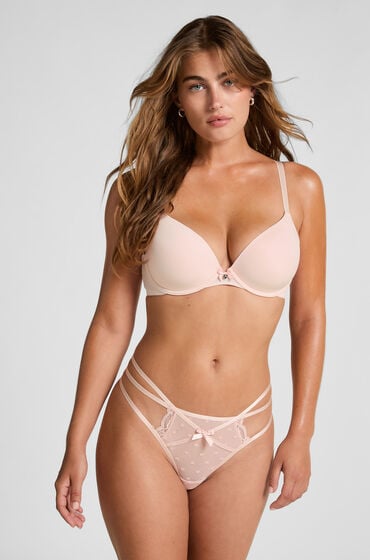
 The Lace Teddies on Our Wishlist

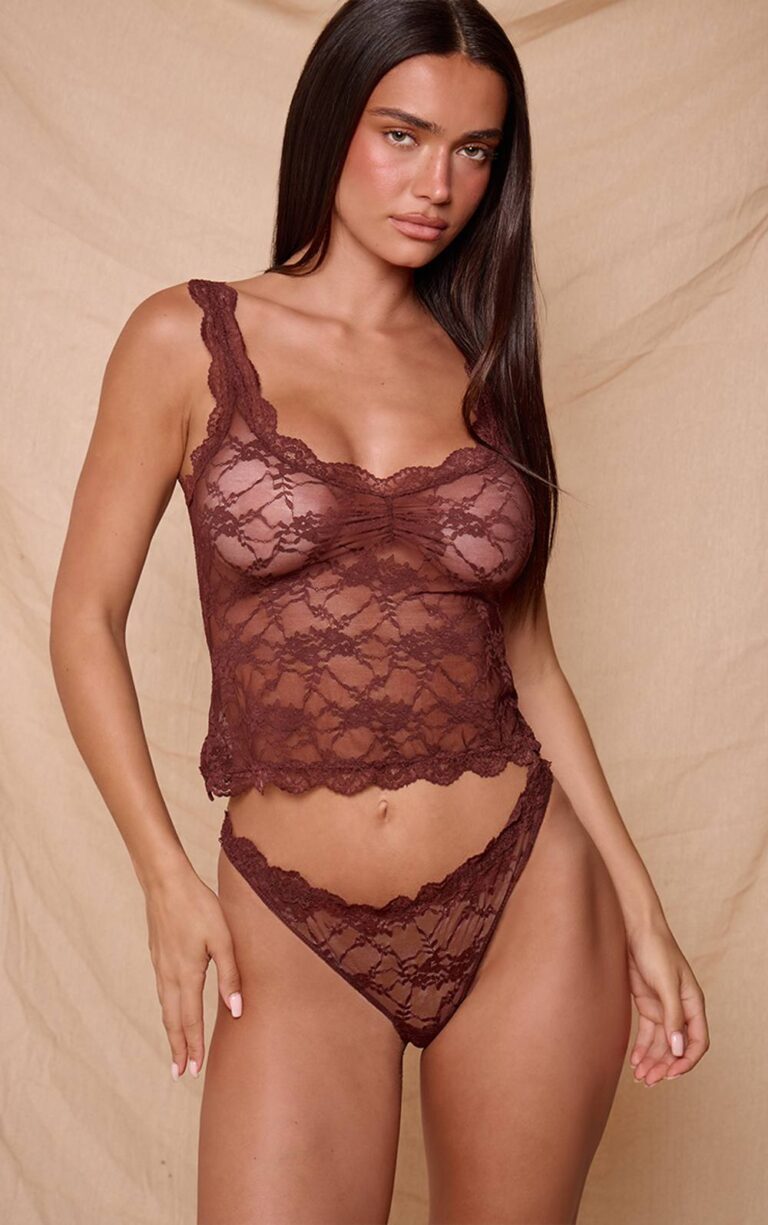 ThongsOur Go To Lace Thongs
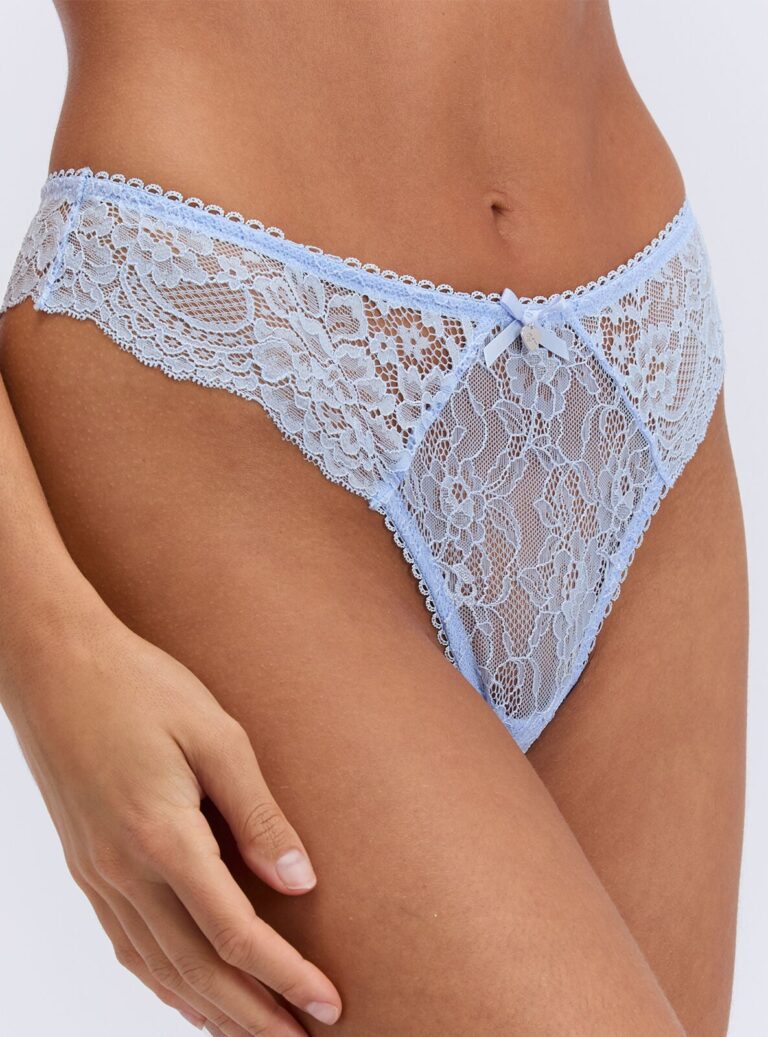
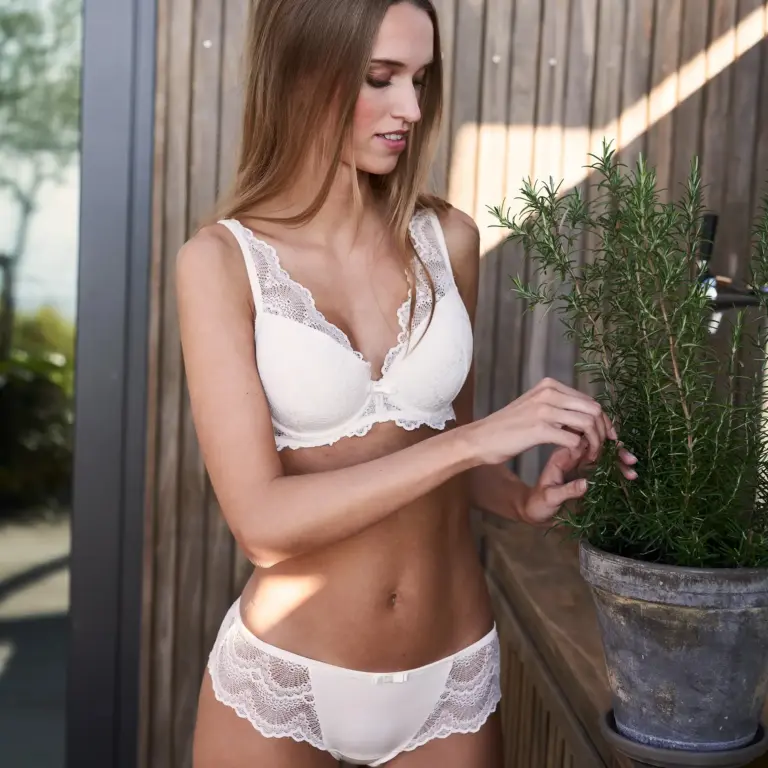 BralettesPretty Lace Underwired Bralettes That Are Actually Comfy
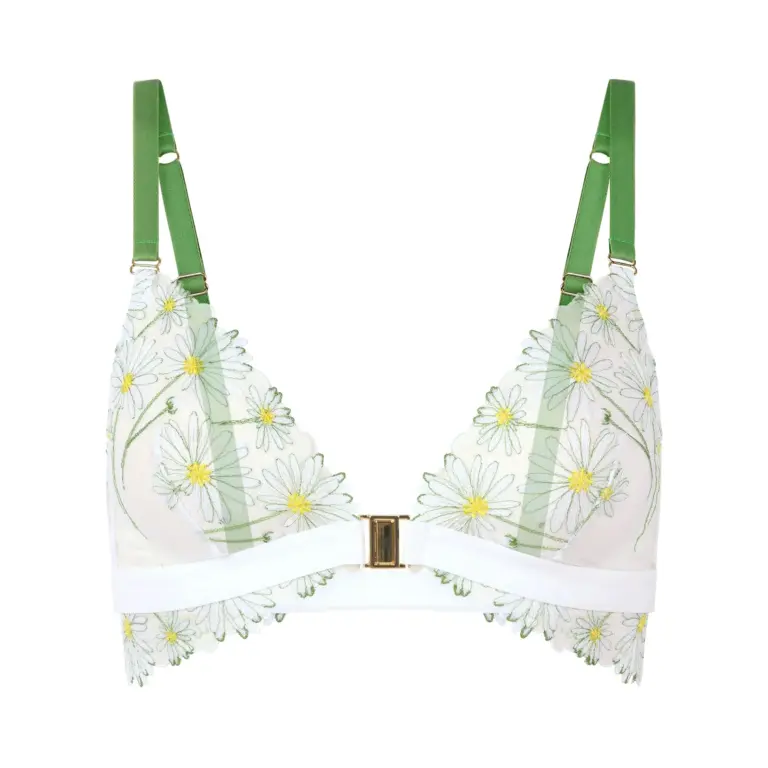
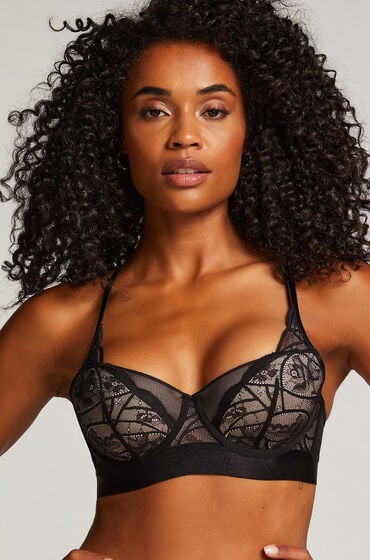 BriefsLace Underwired Briefs Worth a Closer LookAlso worth a lookBriefsThe moment that decides my opinion on a pair of briefs is always the same: getting dressed for…See the collections →

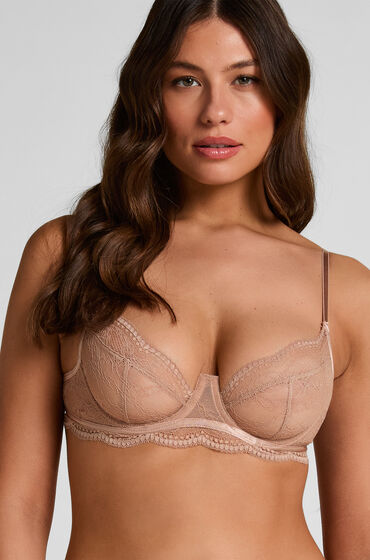 KnickersOur Pick of the Best Lace Underwired Knickers
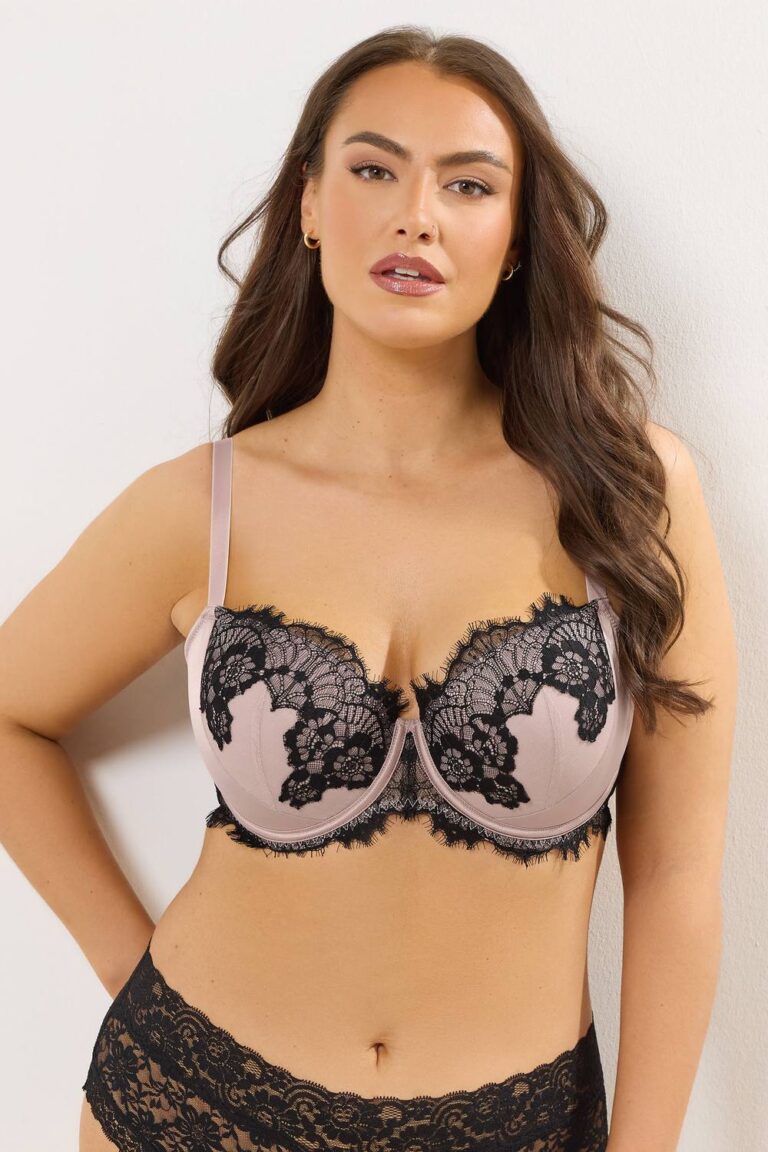
 ThongsLace Underwired Thongs We’d Recommend to a Friend
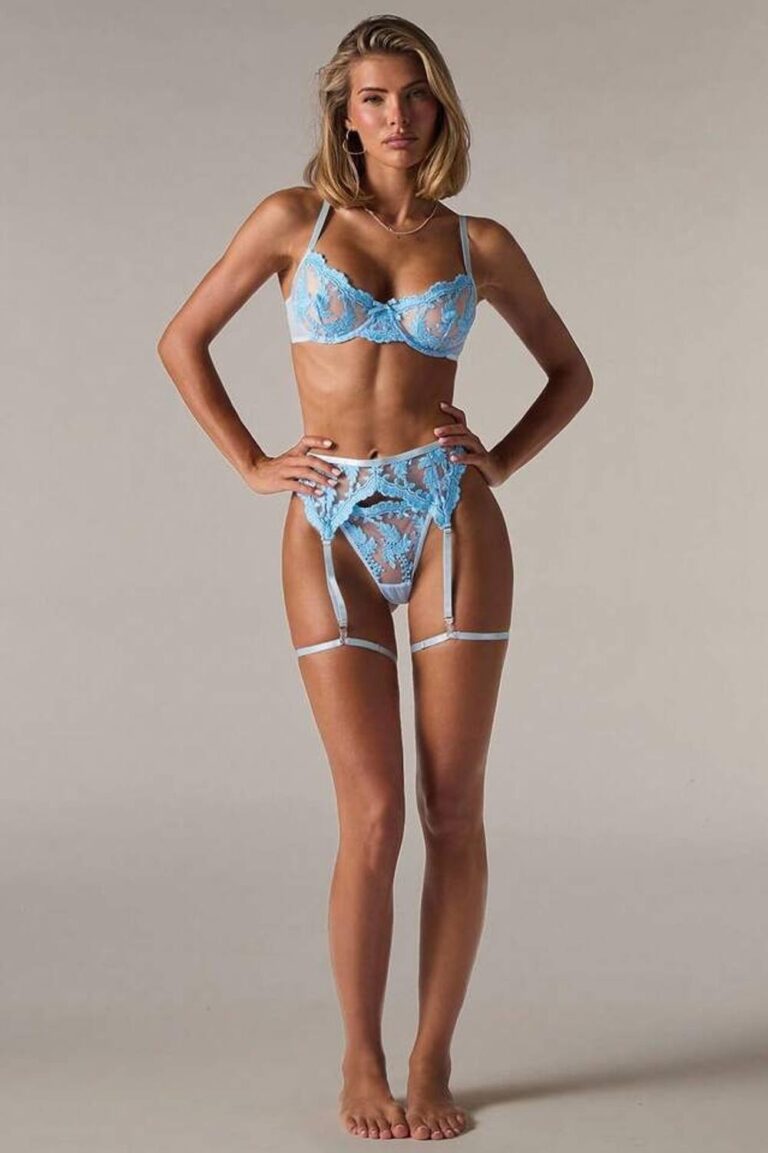
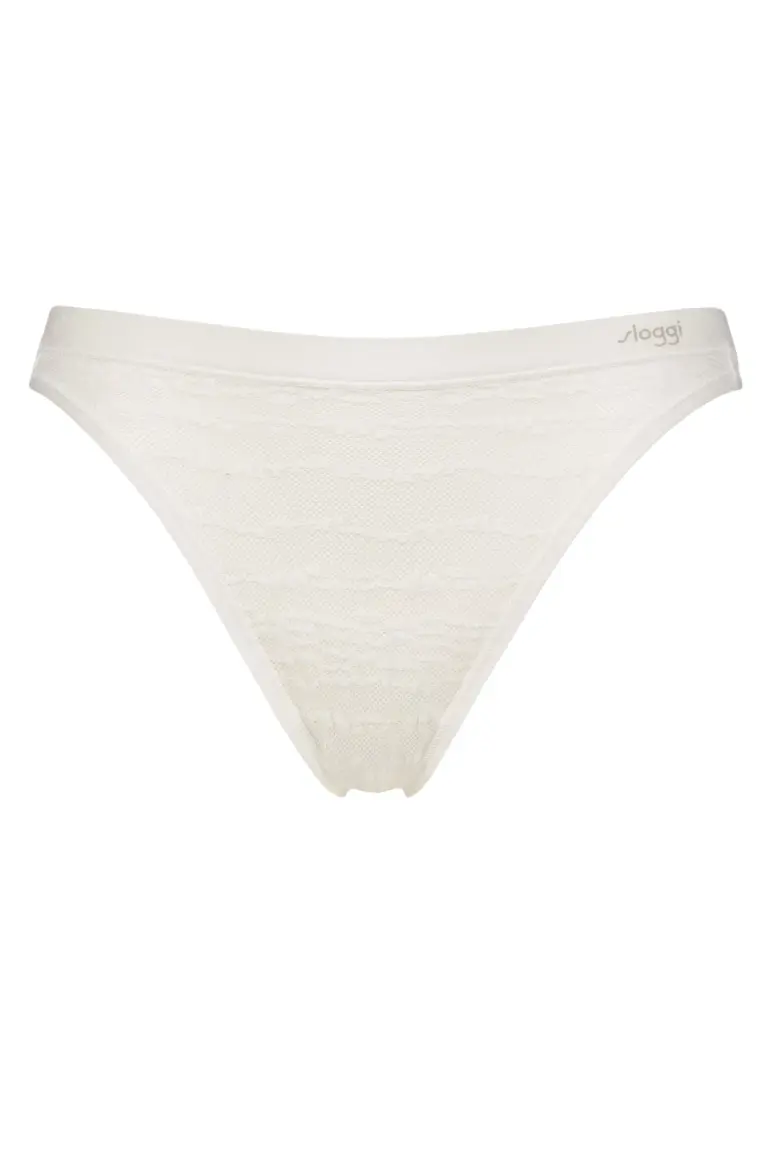 ThongsLace Push Up Thongs: What We’d Buy Now
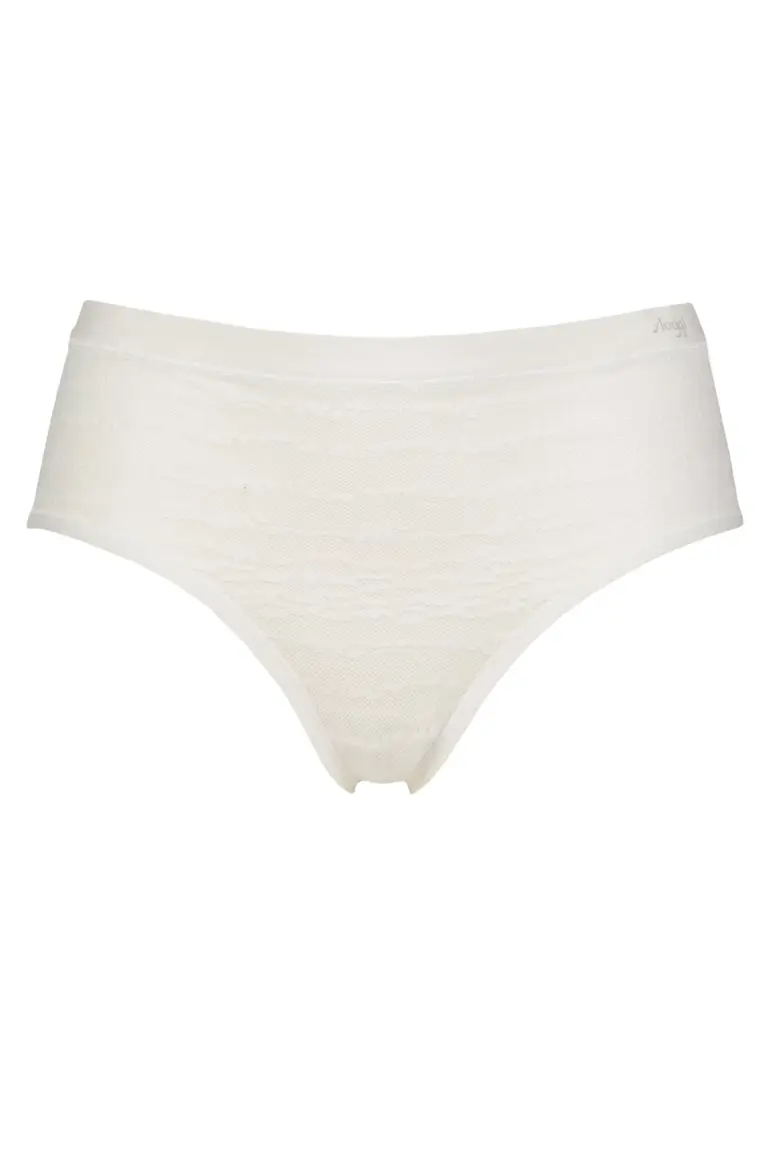
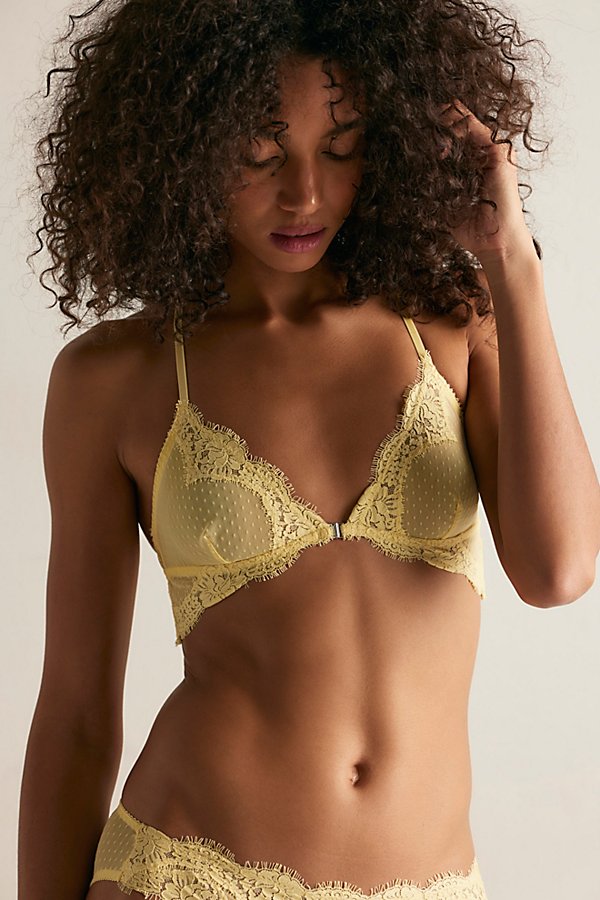 BralettesOur Edit of the Best Lace Racerback Bralettes
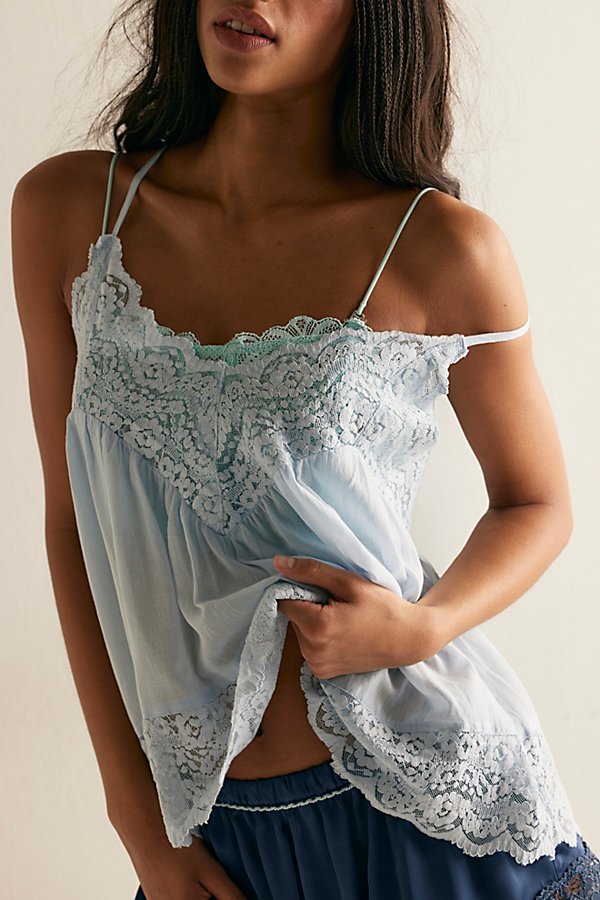
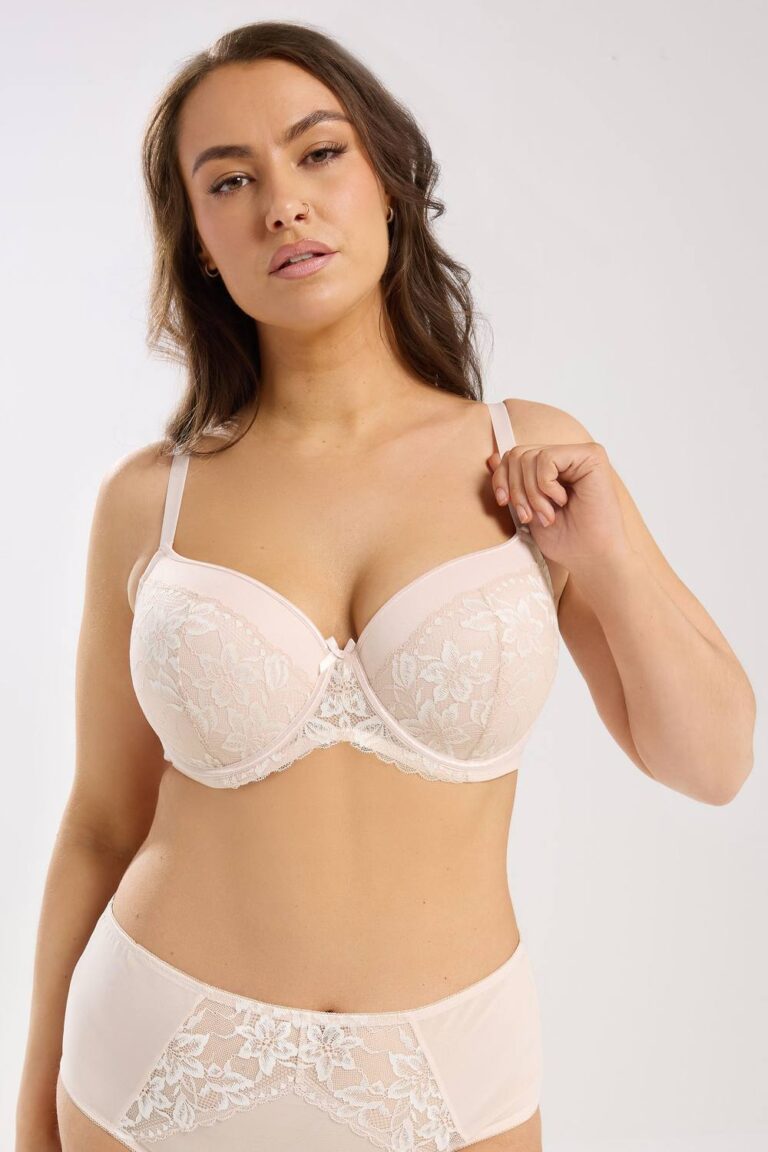 BriefsThe Lace Seamless Briefs We Rate for Comfort
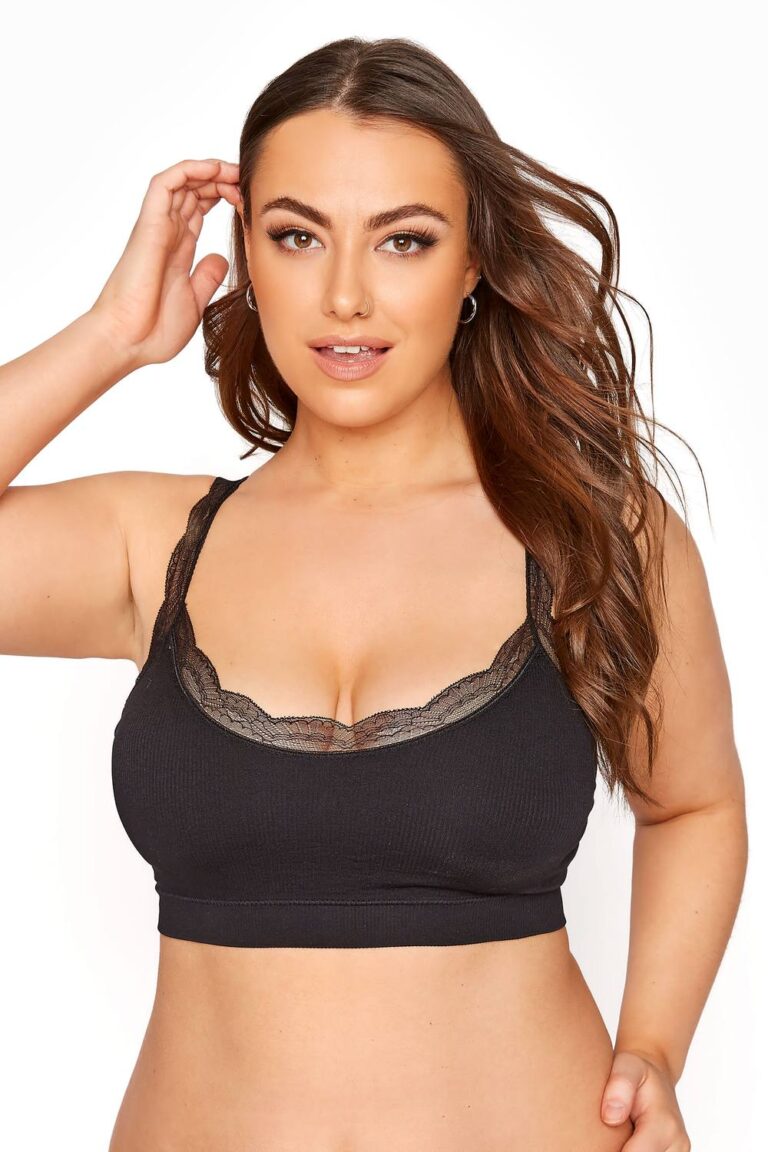
 KnickersWhere to Find the Best Lace Seamless Knickers
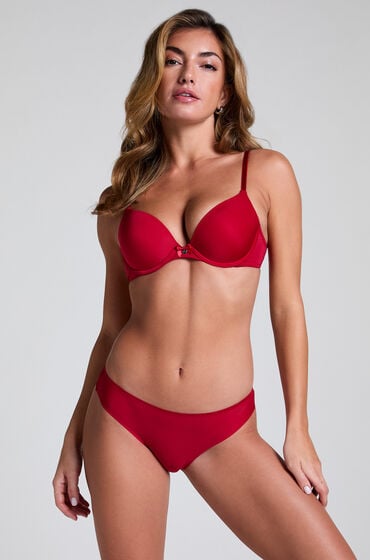
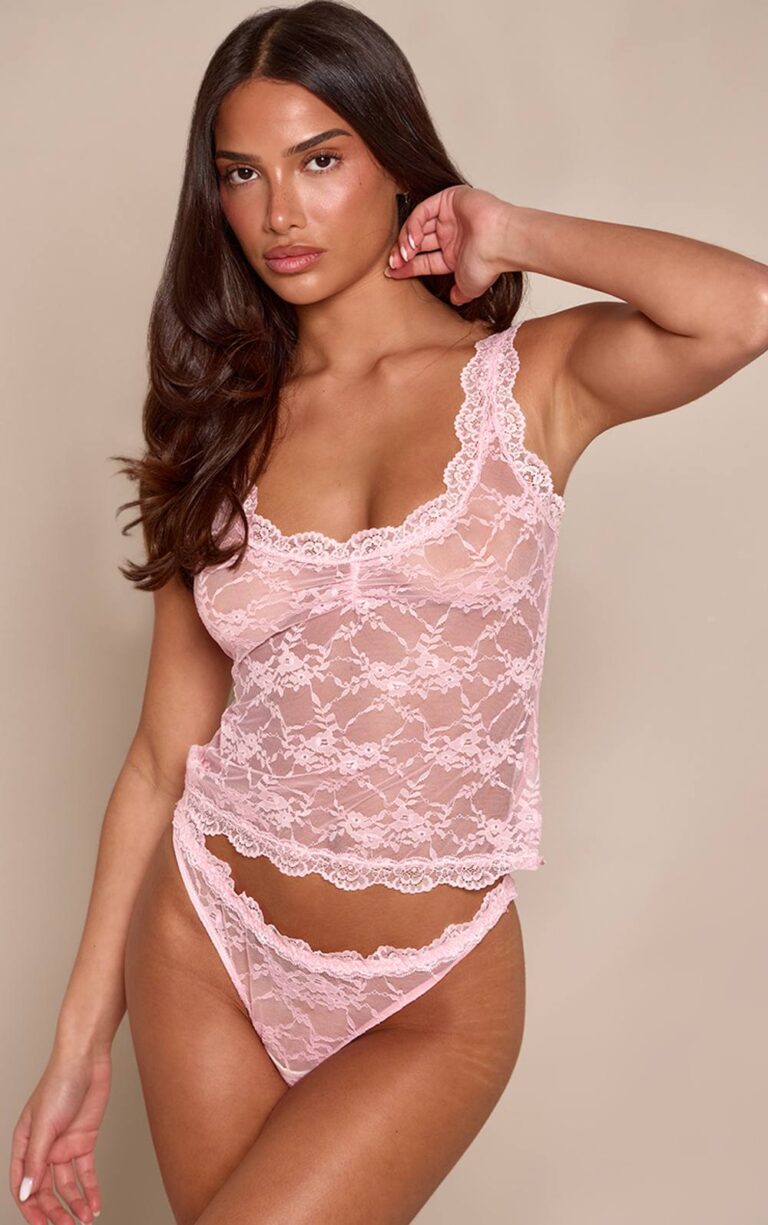 Lingerie SetsLace Seamless Lingerie Sets That Do All the Work
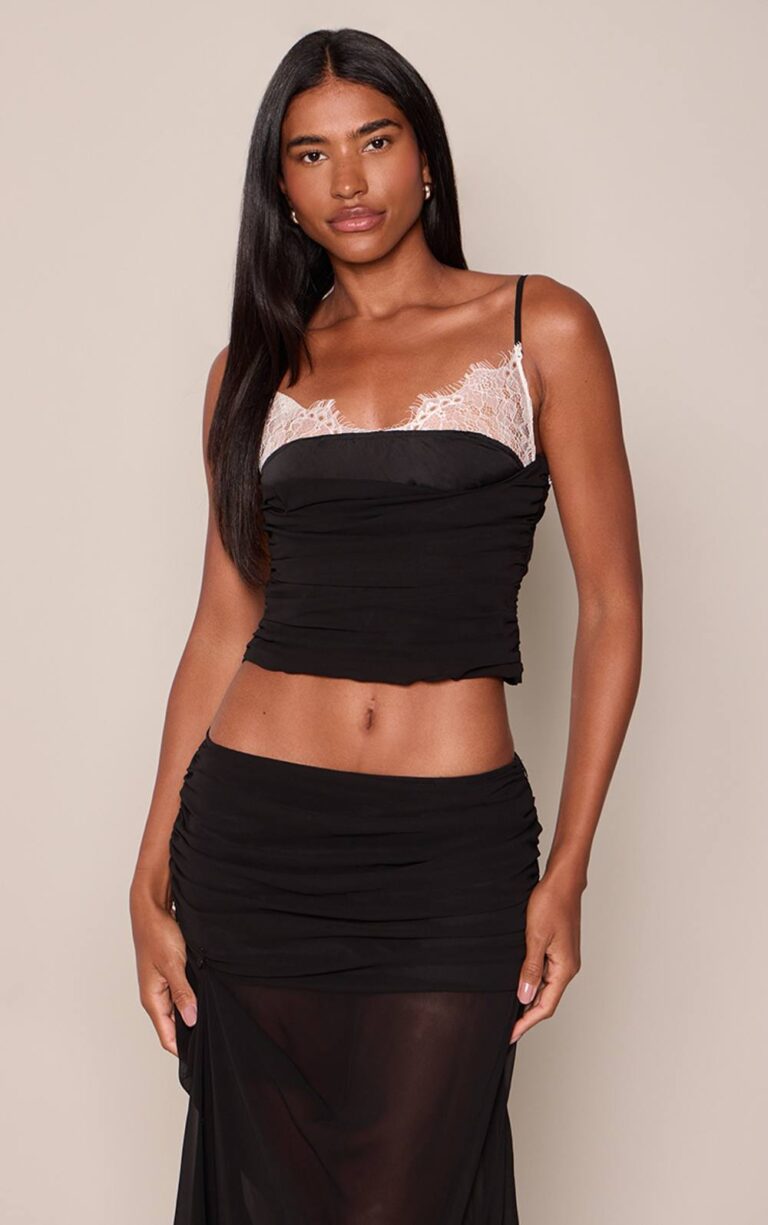
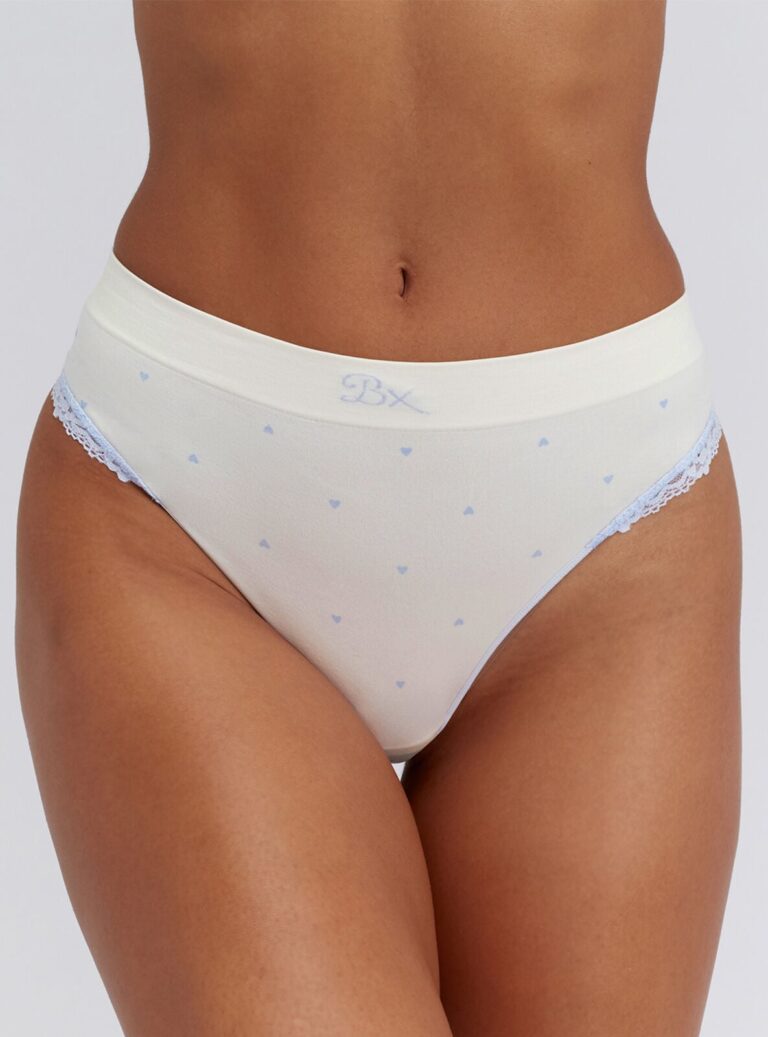 ThongsThe Lace Seamless Thongs We Rate for Comfort