The thing that tells you a one piece was worth the money is what happens after about a dozen washes and a few sessions of actual swimming rather than sitting at the edge with your feet in. The lining either still sits flat against your skin or it's gone thin and a bit see through at the bust, and the shoulder straps either still grip or they've stretched out and started sliding no matter how many times you hitch them up.
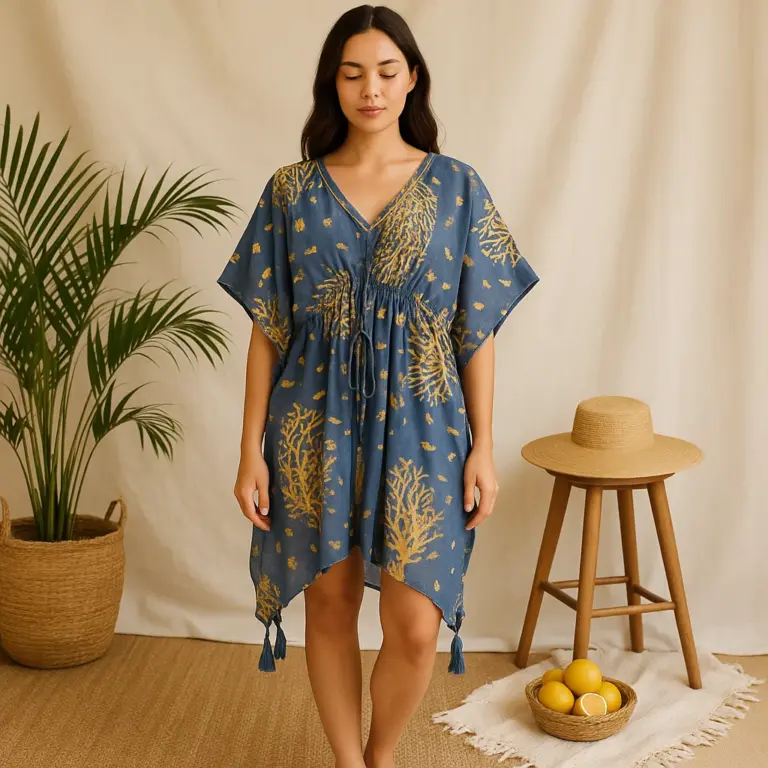
It's not the right choice for every situation, and it's worth being honest about that. If you want even tanning and don't mind the faff of two pieces, a one piece will always leave lines across your shoulders and hips that read as odd in a strapless dress a few weeks later. For serious lane swimming it can be the wrong call too, since a lot of the swimwear aimed at beach and pool holidays uses lighter, softer fabric that goes baggy and waterlogged after real laps, where you actually want something firmer and more compressive. And loose, floaty cover ups in slippery fabrics like viscose or thin rayon do it no favours, because the shapes fight each other and you end up adjusting both at once.
Fabric is where the good ones separate themselves from the sad ones. Look for a high percentage of elastane mixed with either nylon or polyester, because that's what keeps the shape after it's wet rather than letting it go slack and baggy by the second day of a trip. Chlorine resistant fabric matters more than people assume if you're anywhere near a pool rather than the sea, since ordinary swimwear can fade and thin out within a couple of weeks of regular pool use. Check the lining too, it should be a separate layer rather than just a thicker patch at the front, otherwise it goes sheer exactly where you don't want it. Good hardware helps as well, metal rings and sliders on the straps rather than plastic, which cracks and discolours faster than you'd expect from something that only touches sun cream and salt water.
Before you buy, stretch the fabric gently between your fingers in the shop. It should spring back immediately rather than stay loose. Check the seams at the leg and underarm for any puckering, since that's usually where cheap construction shows first, and have a proper look at the lining colour against the outer fabric held up to the light, because that tells you more about how it'll behave wet than anything on the label.
A well made one piece outlasts several cheap bikinis and never once leaves you adjusting it on a sun lounger.
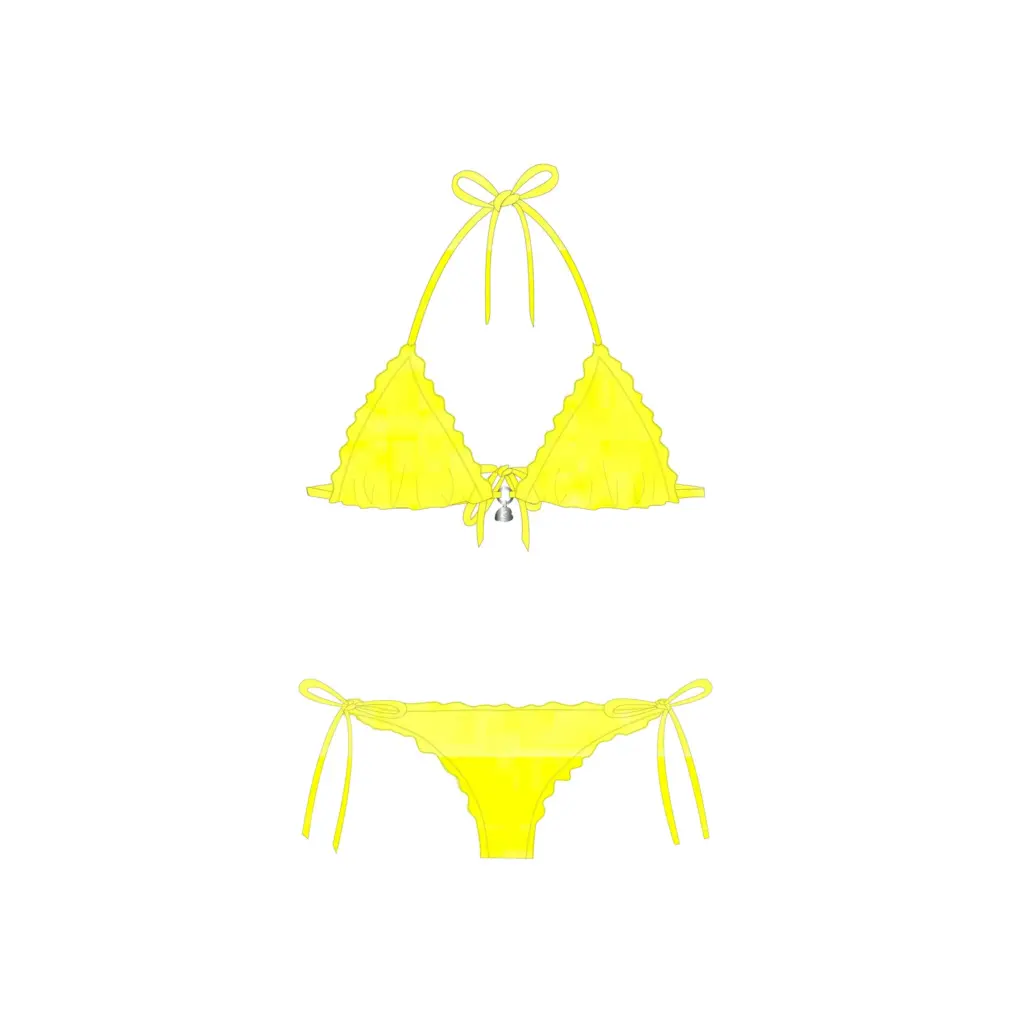
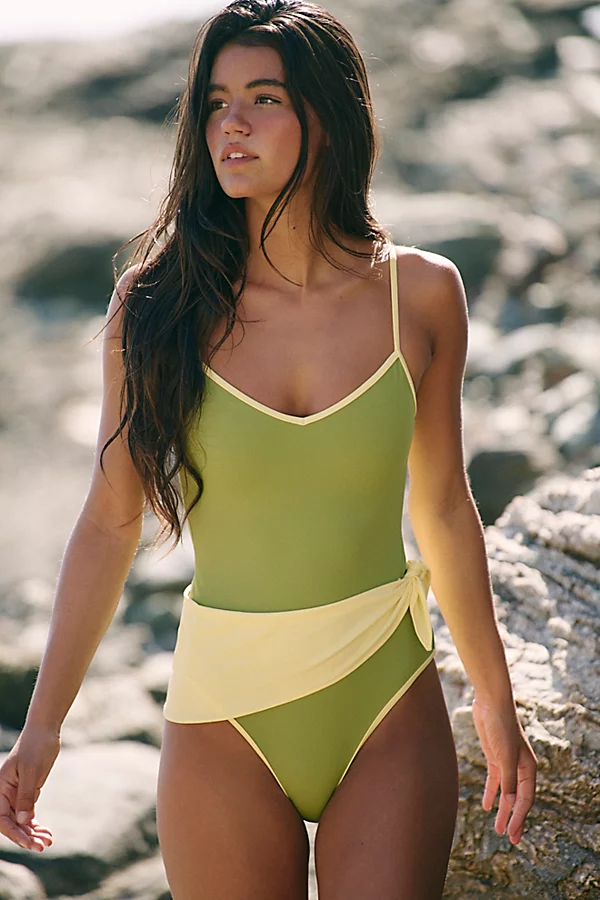 Yellow One Piece Swimsuits Worth a Closer Look
 Our Shortlist of White One Piece Swimsuits
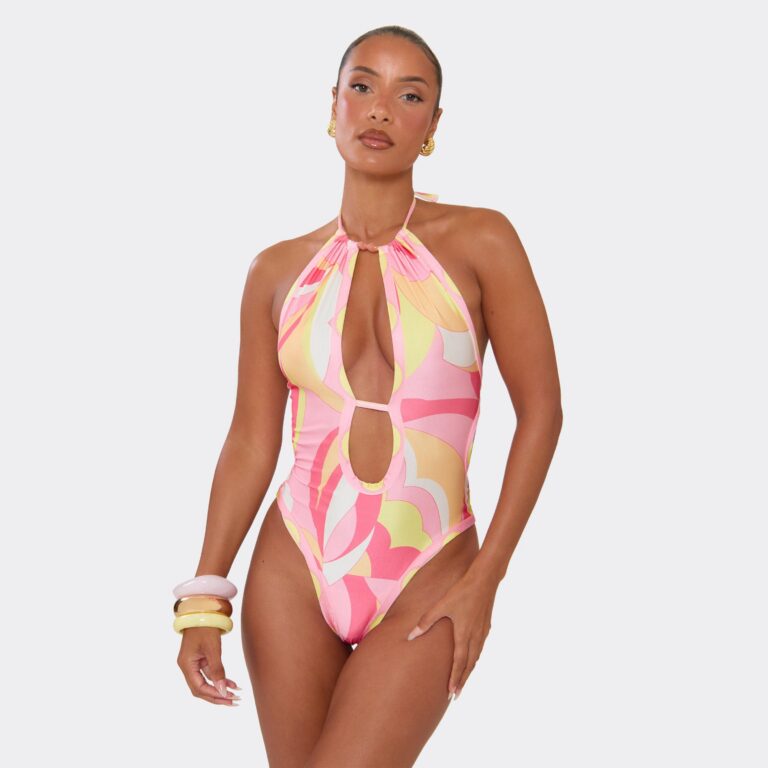
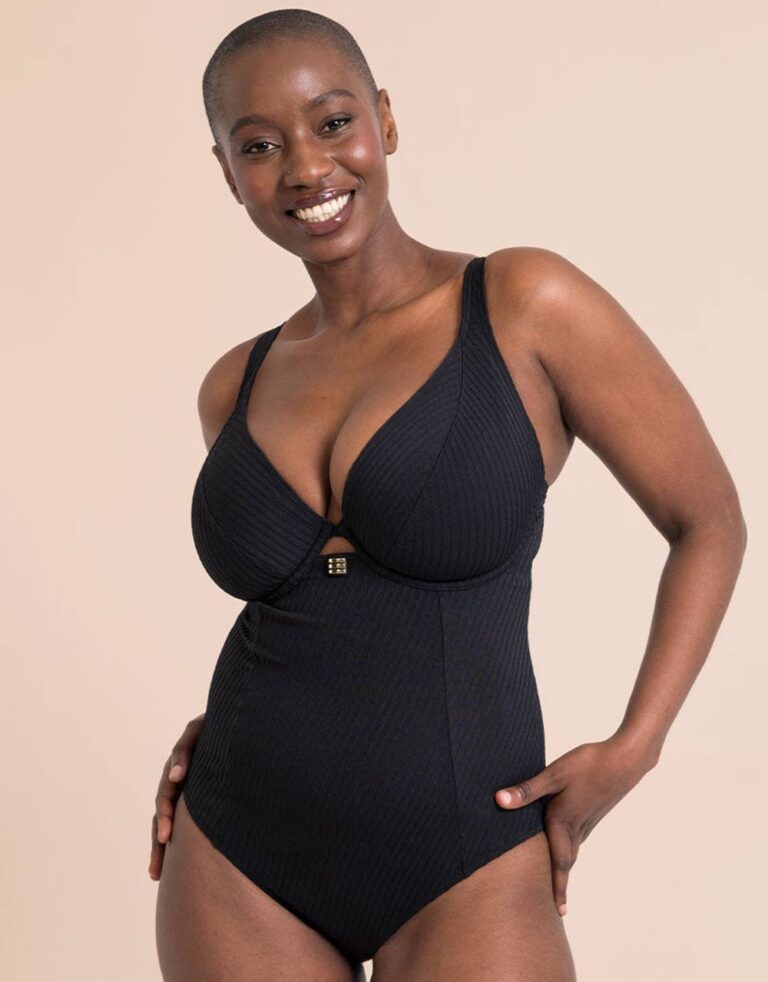
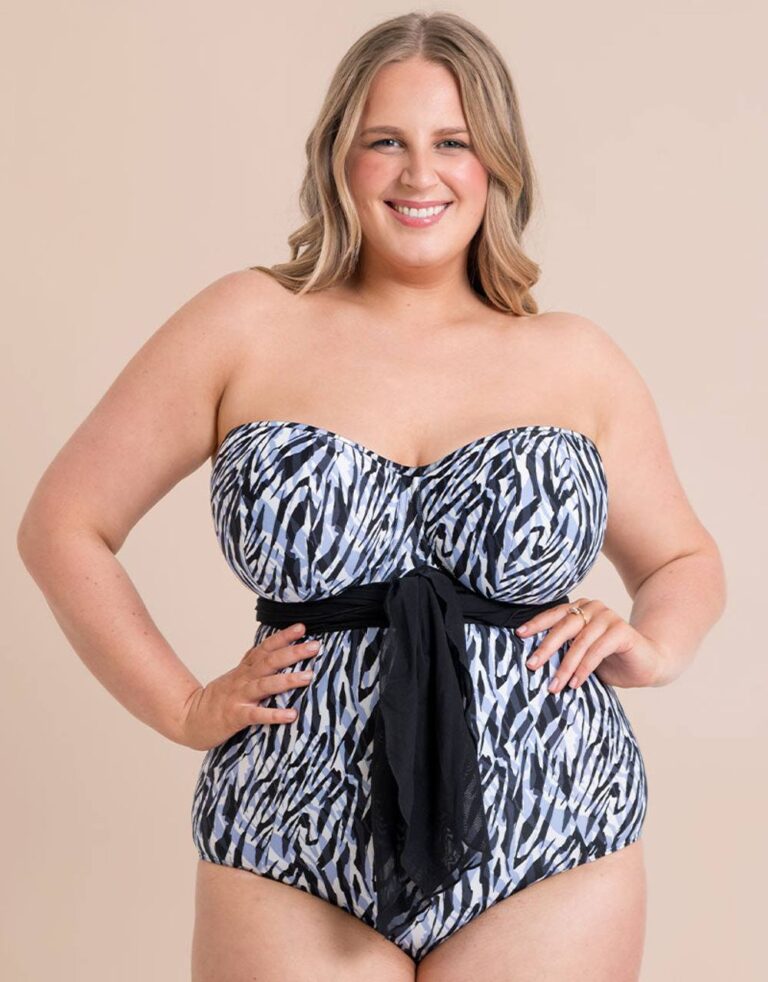 Underwired One Piece Swimsuits: Our Current Favourites
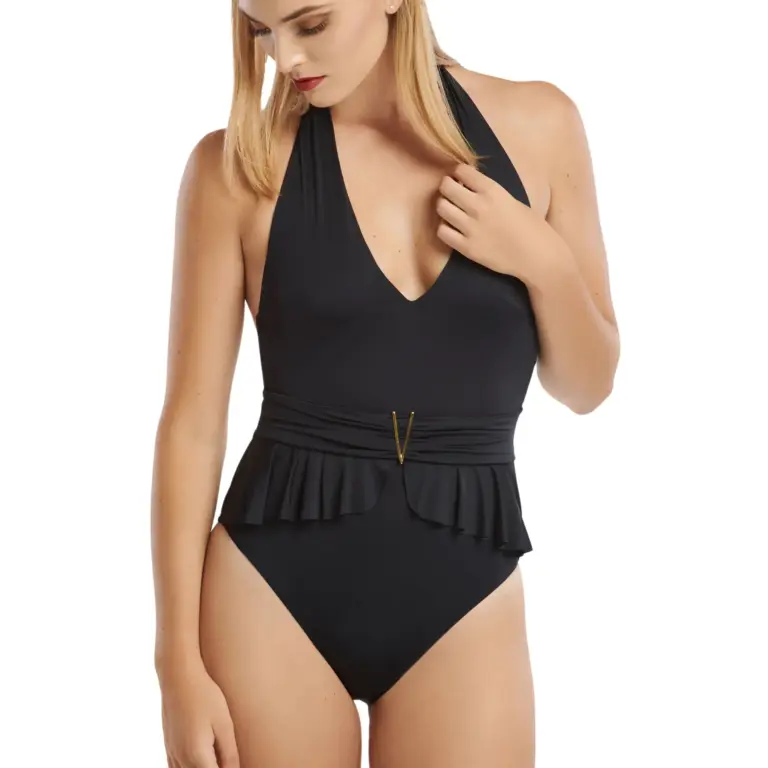
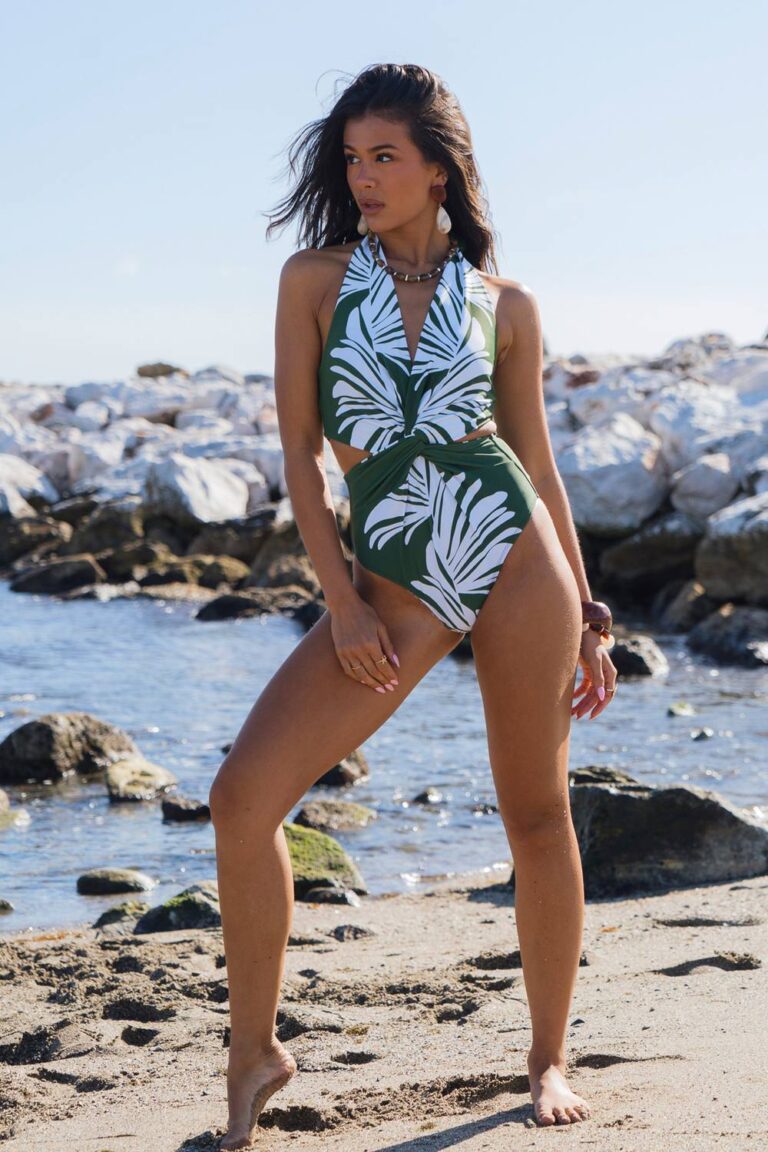 The Only Tropical Print One Piece Swimsuits You Need to See
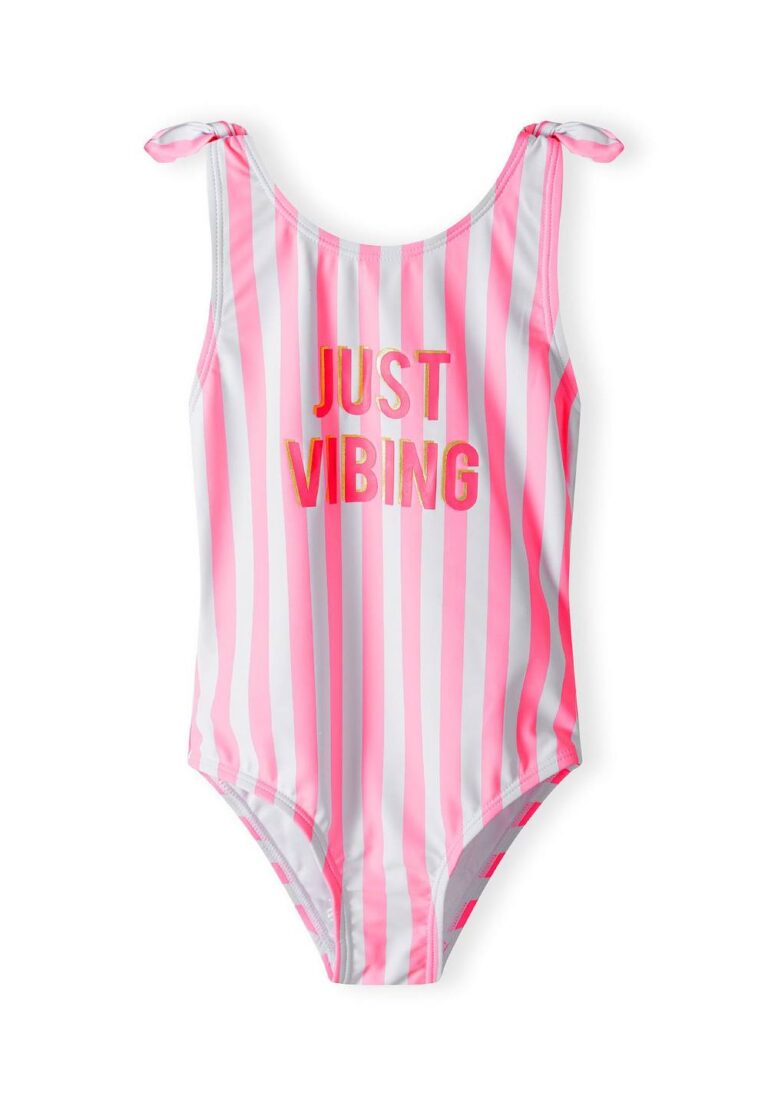
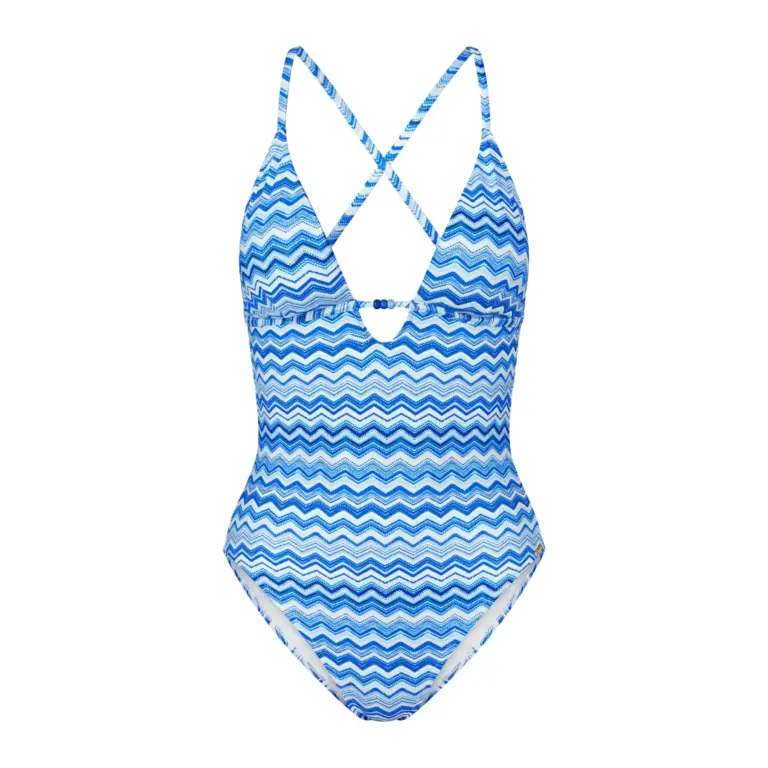 Triangle One Piece Swimsuits Edited Down to the Best
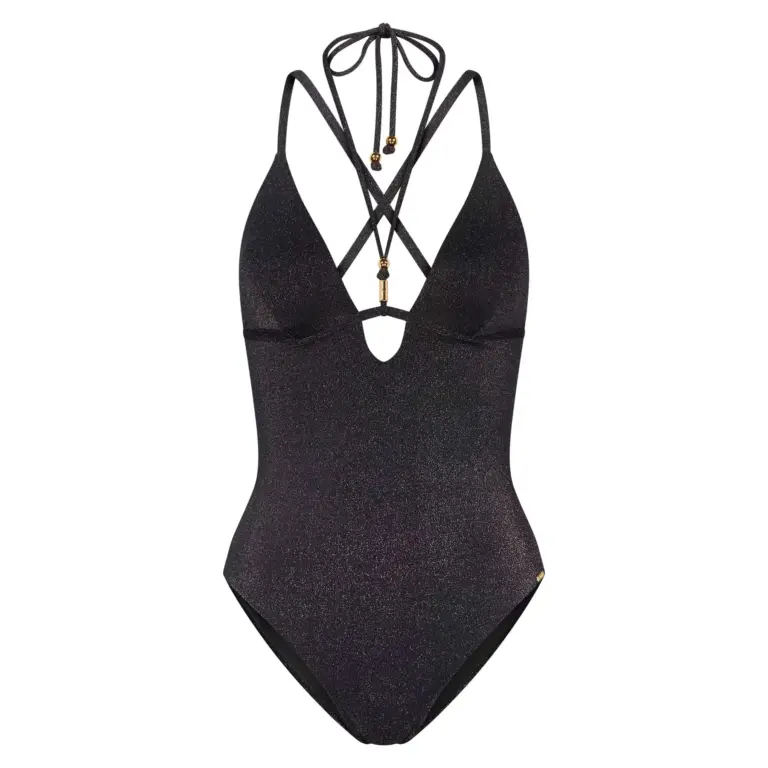
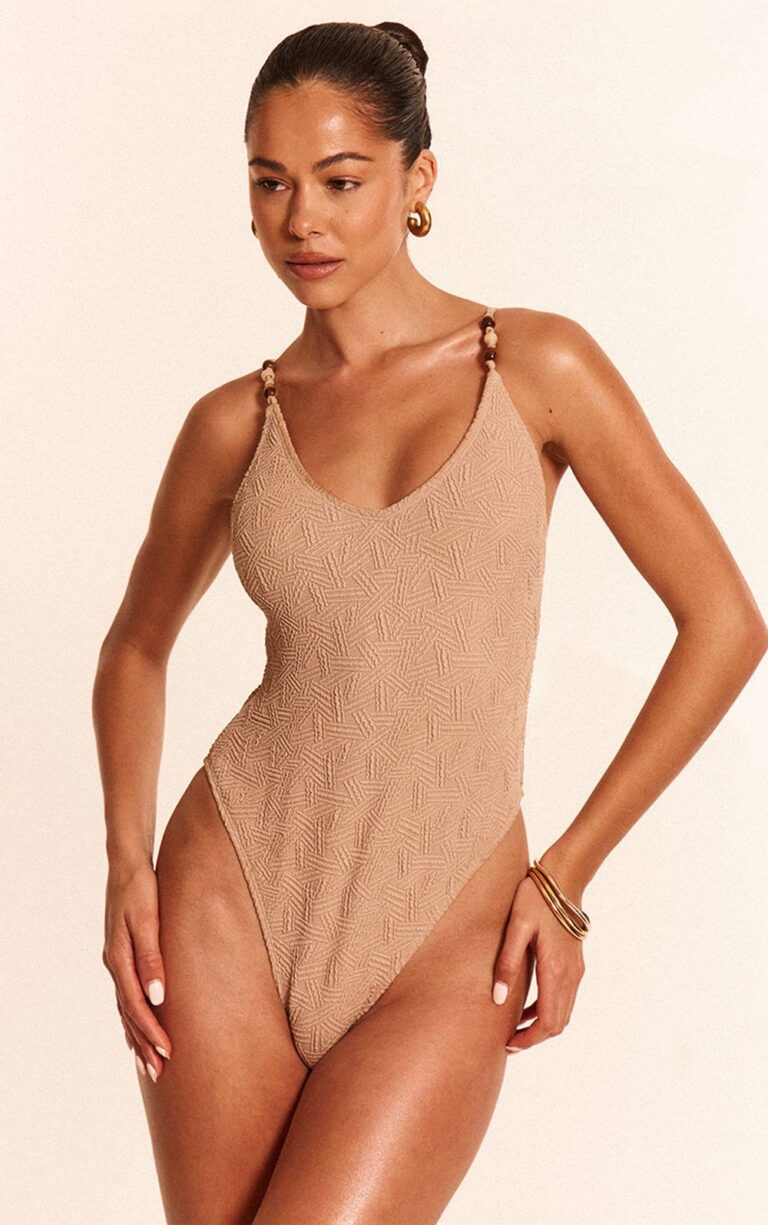
 Textured One Piece Swimsuits That Feel Special
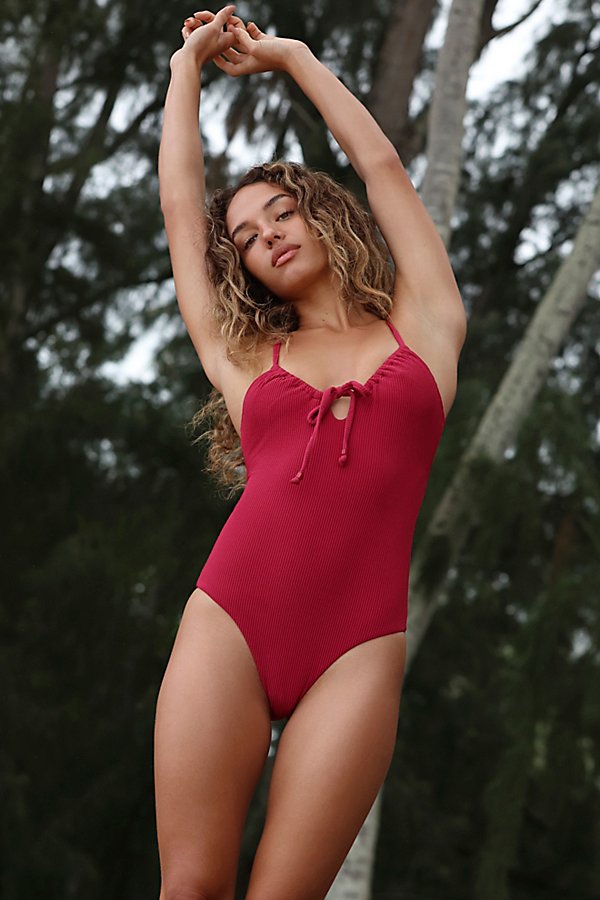
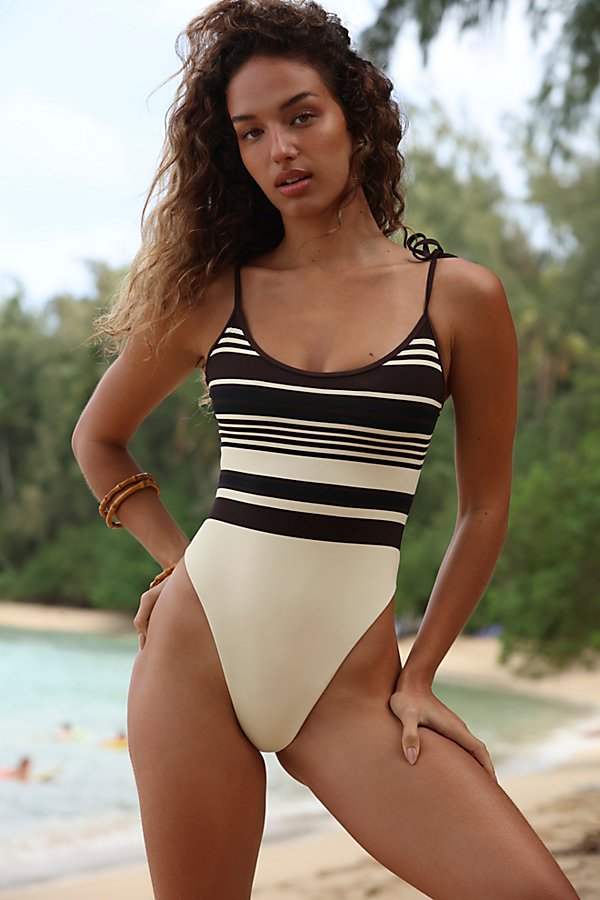
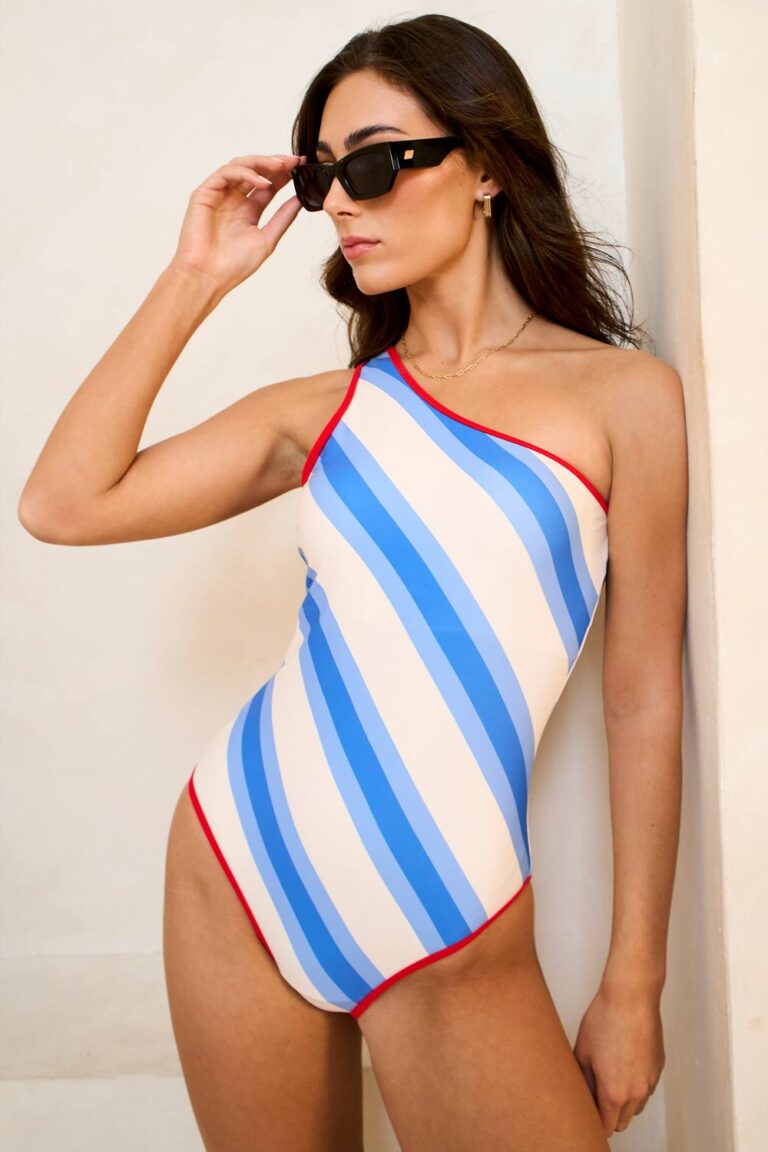 Our Shortlist of Striped One Piece Swimsuits
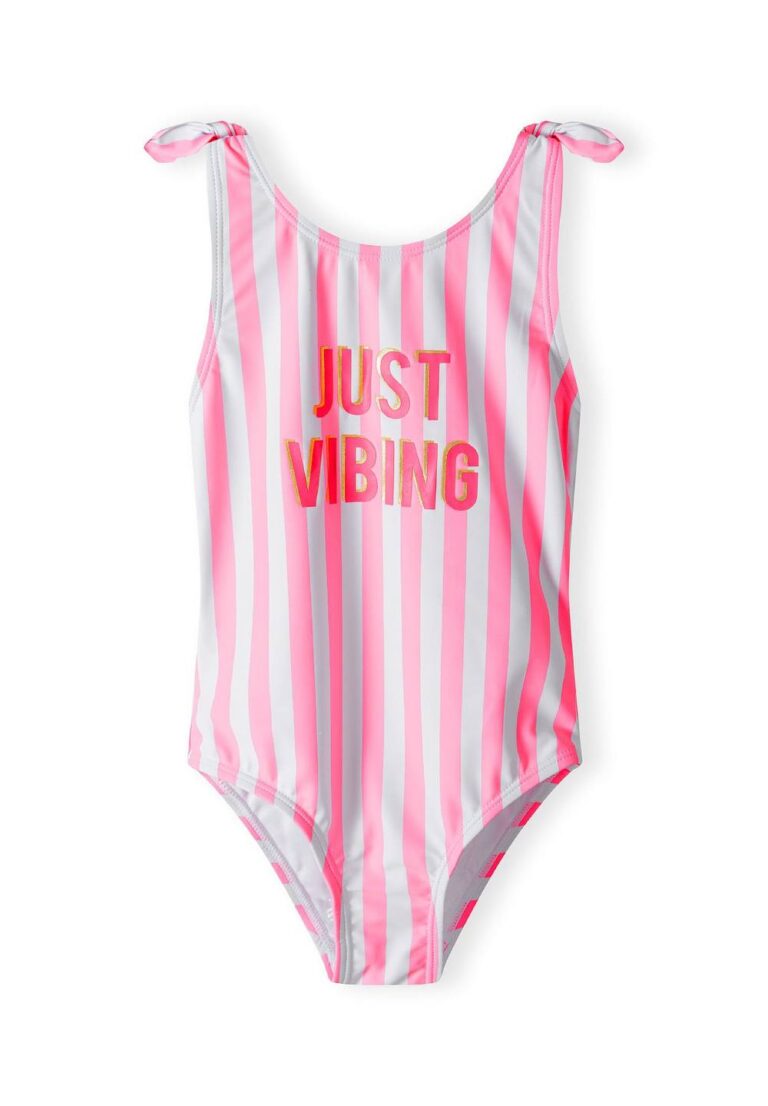
 The Edit: Strapless One Piece Swimsuits

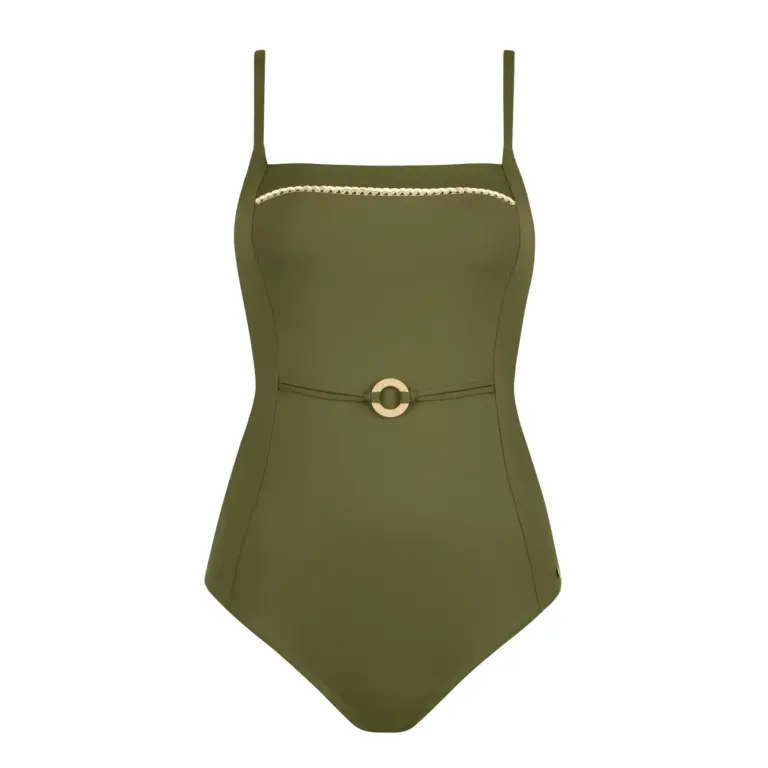 Sporty One Piece Swimsuits Edited Down to the BestAlso worth a lookSwimsuitsThe one thing that catches people out with a swimsuit is sizing it by your normal clothes size…See the collections →
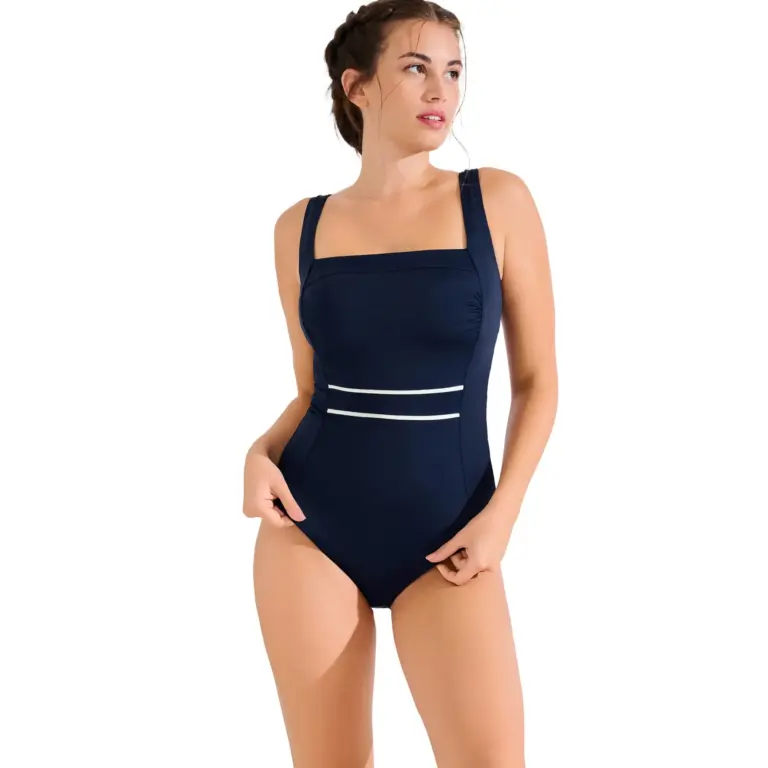
 Shaping One Piece Swimsuits We’d Pack First
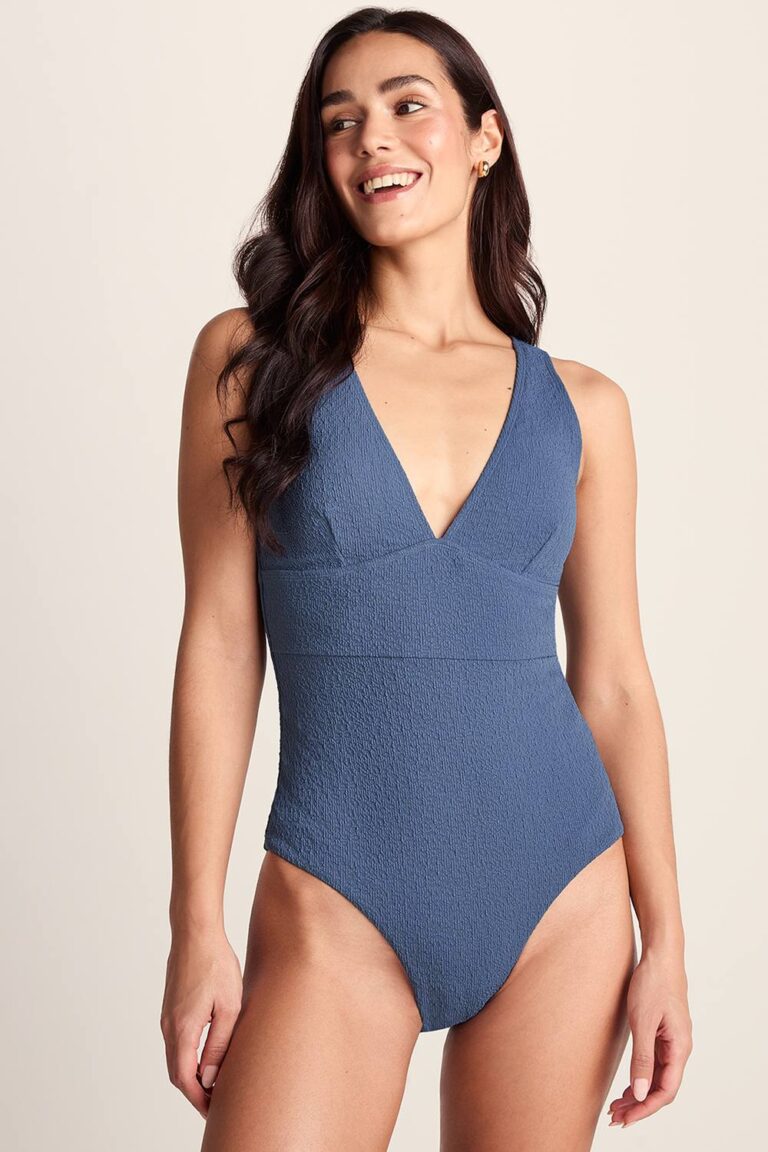
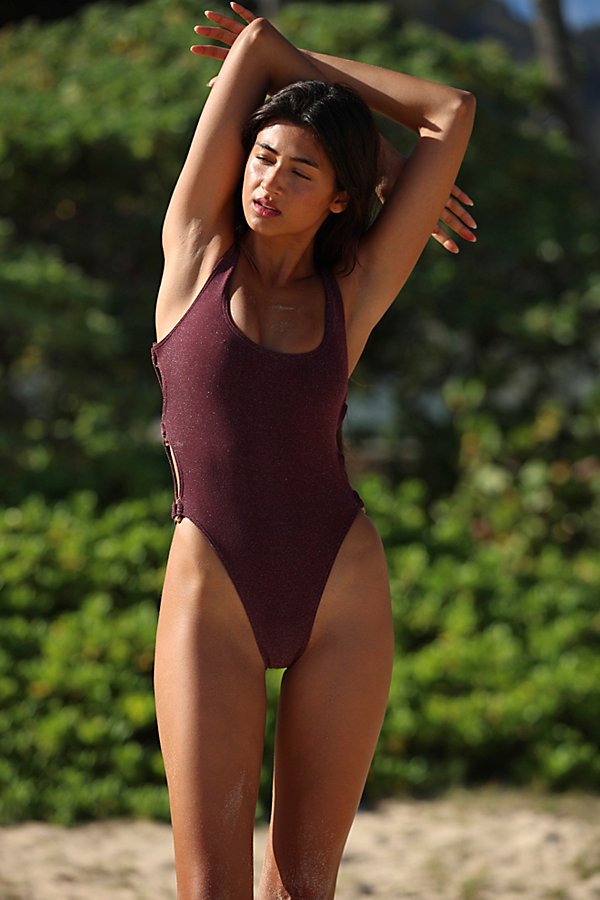 Scoop One Piece Swimsuits We Think You’ll Love

 A Closer Look at the Best Ruched One Piece Swimsuits
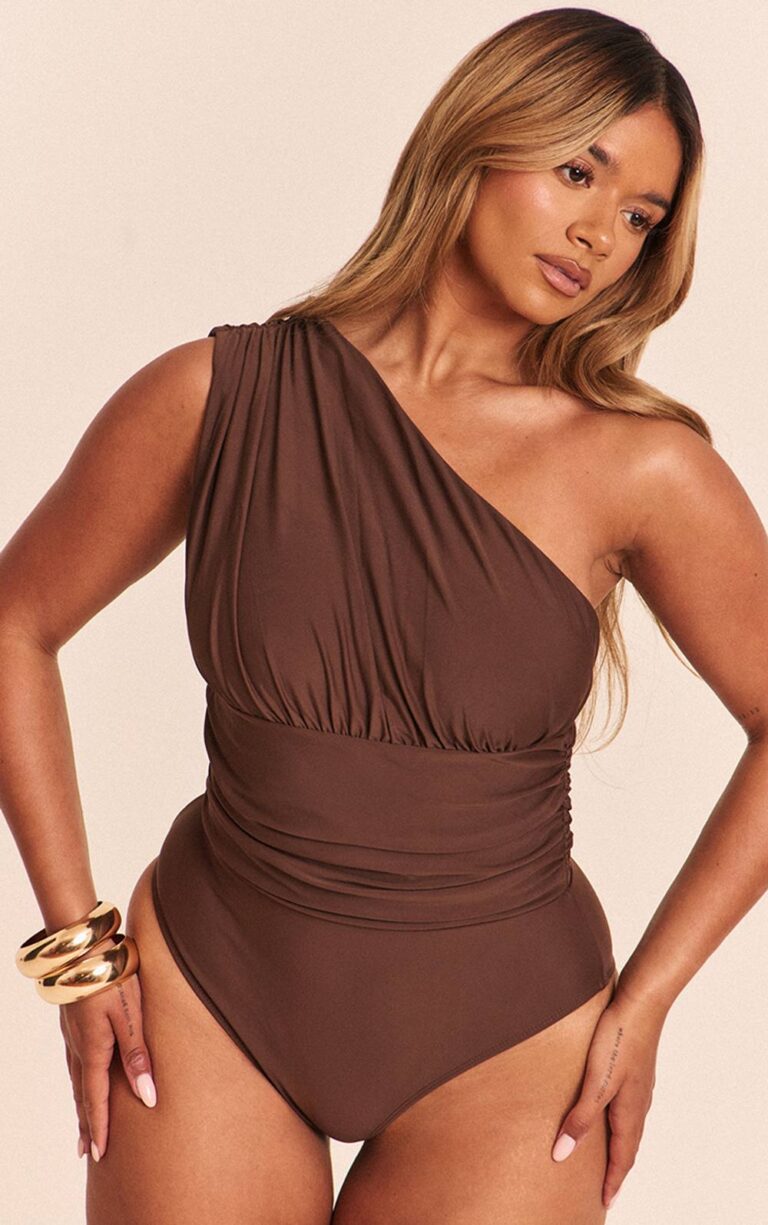
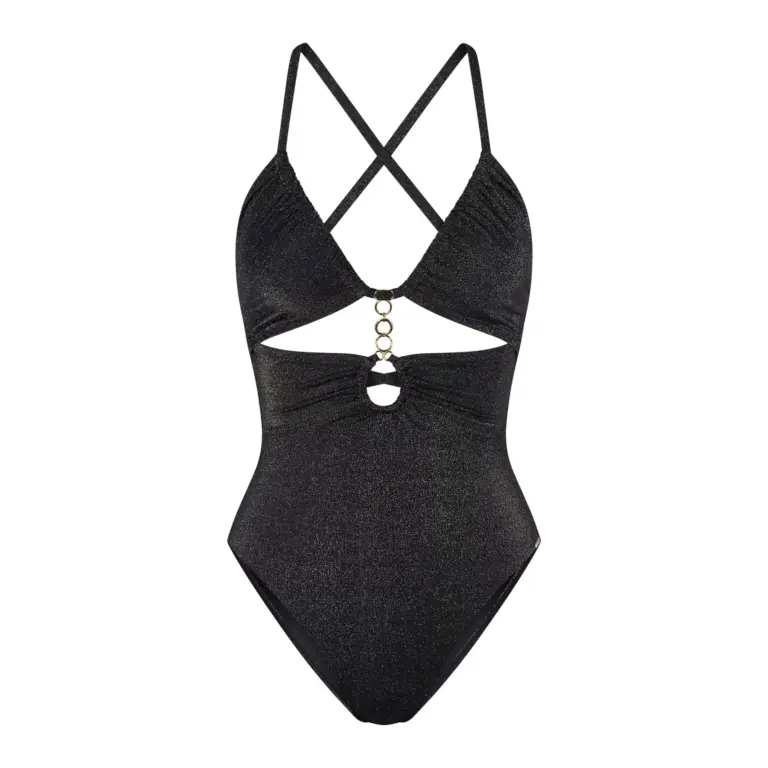
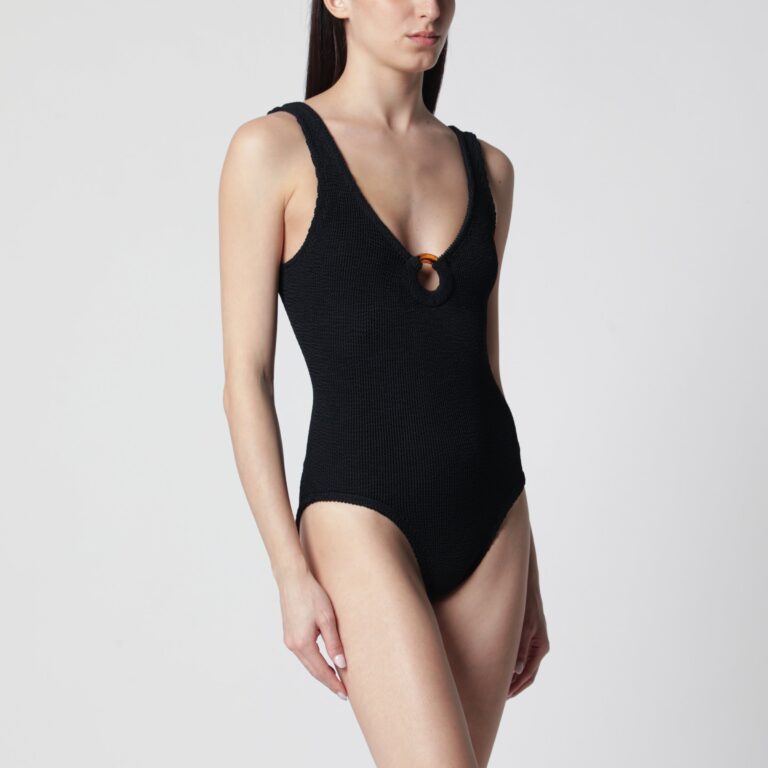 Ring Detail One Piece Swimsuits for Sunny Days Ahead
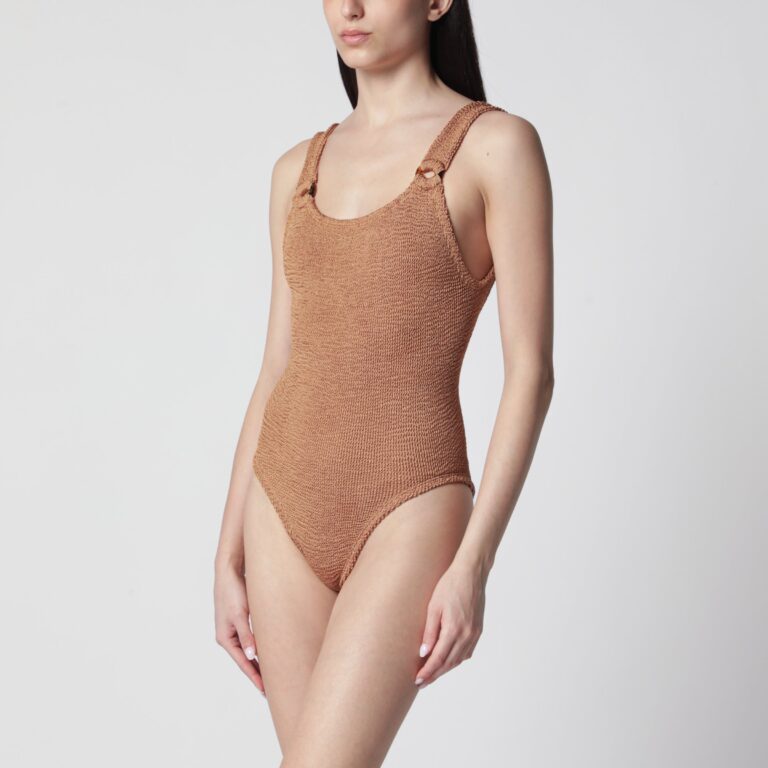
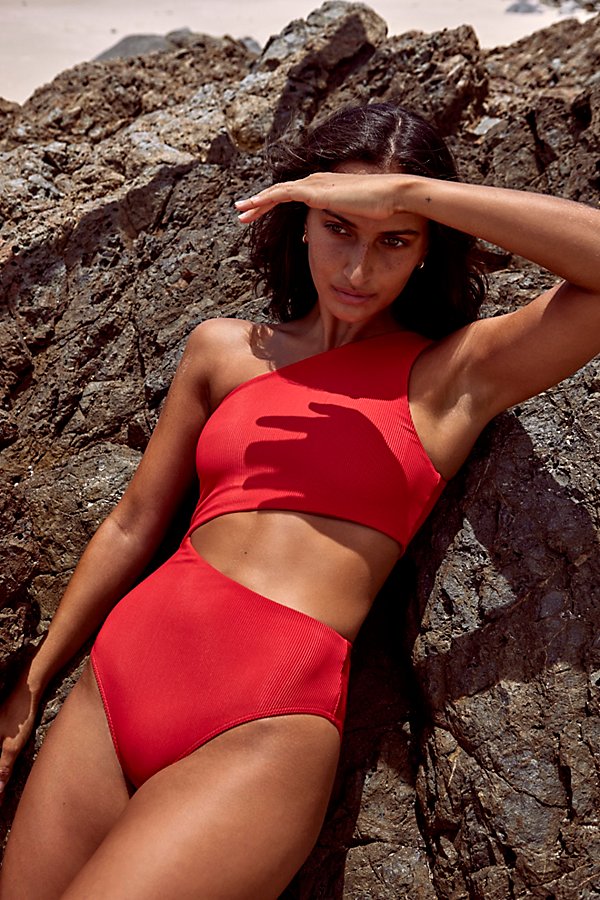 The Prettiest Ribbed One Piece Swimsuits Around Right Now
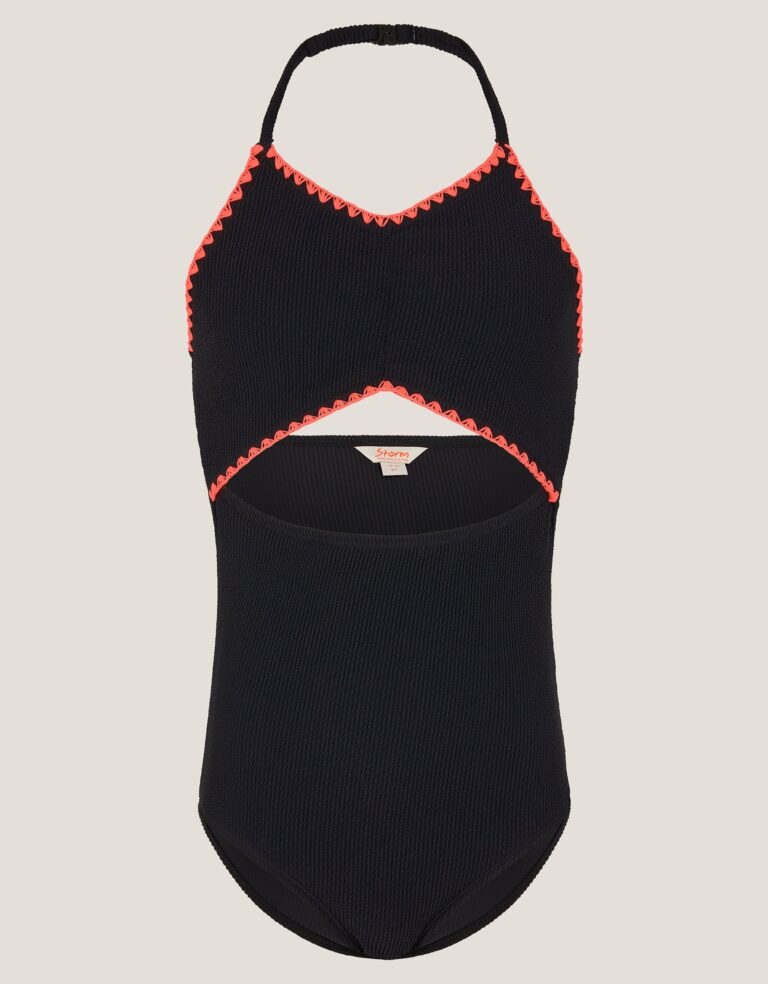
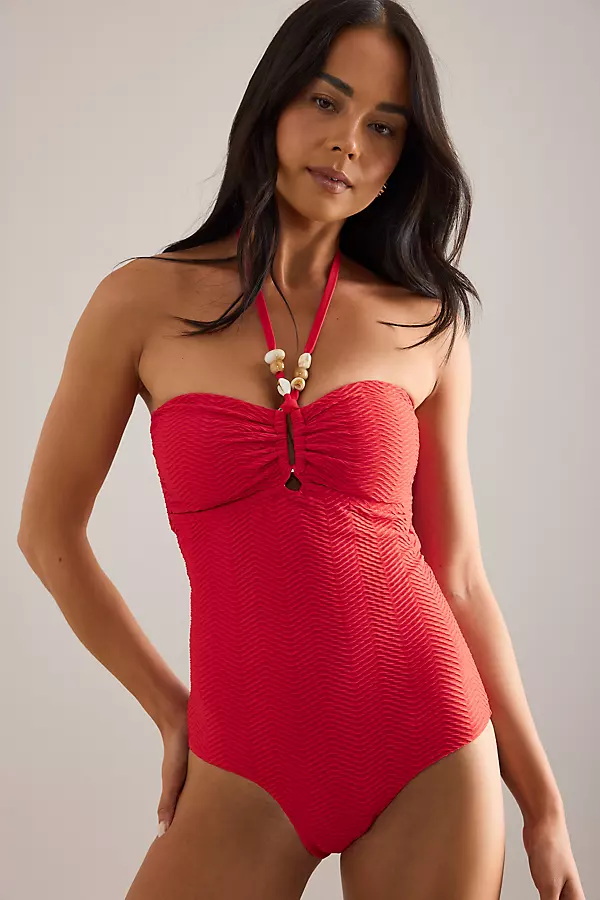 Red One Piece Swimsuits: What We’d Buy Now

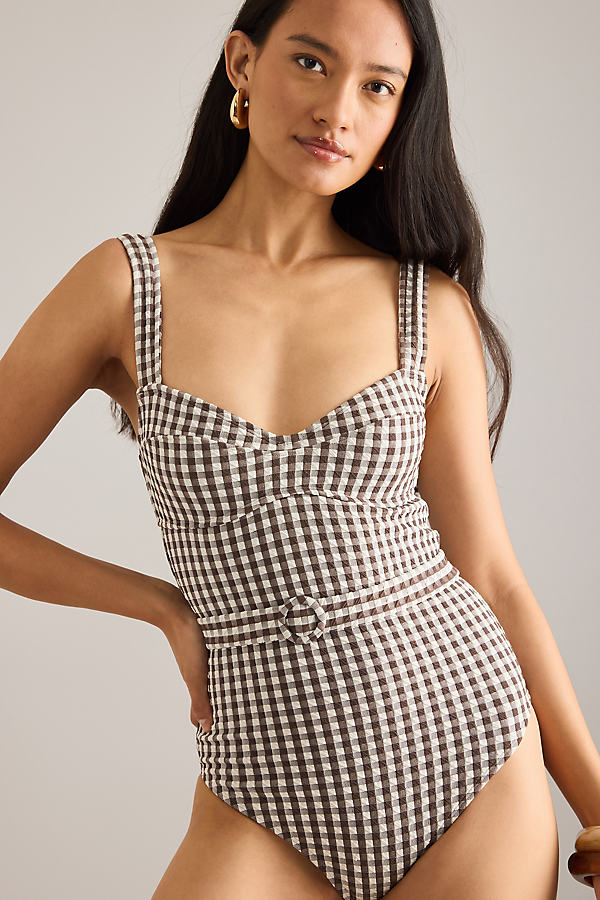 Conscious Picks: Recycled One Piece Swimsuits

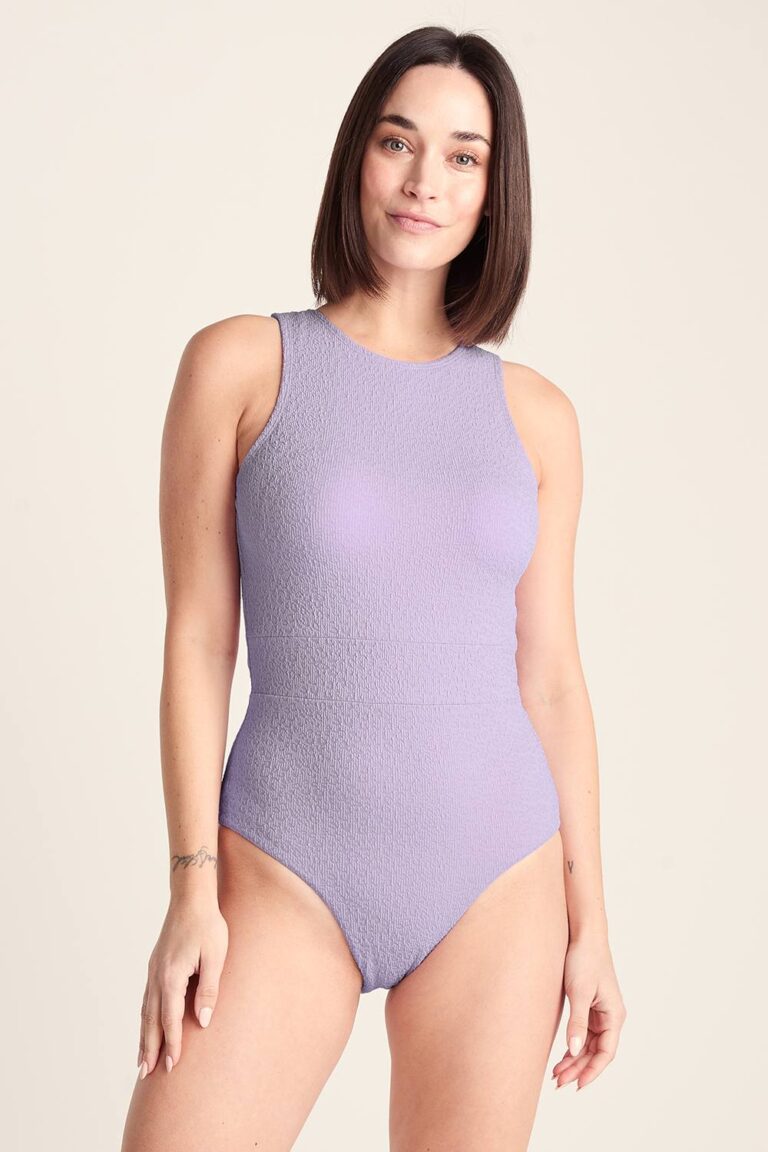 Purple One Piece Swimsuits That Feel Special
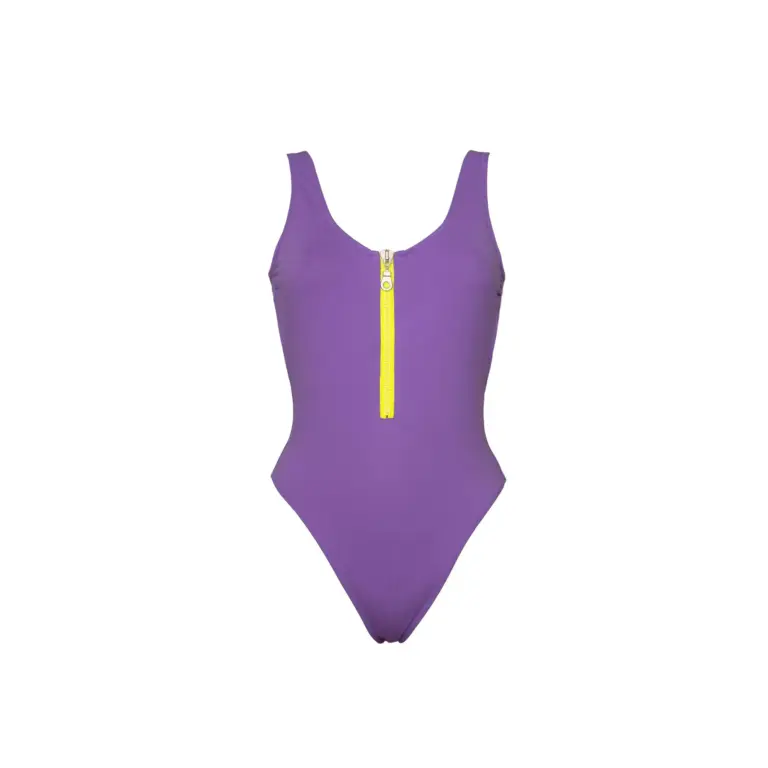
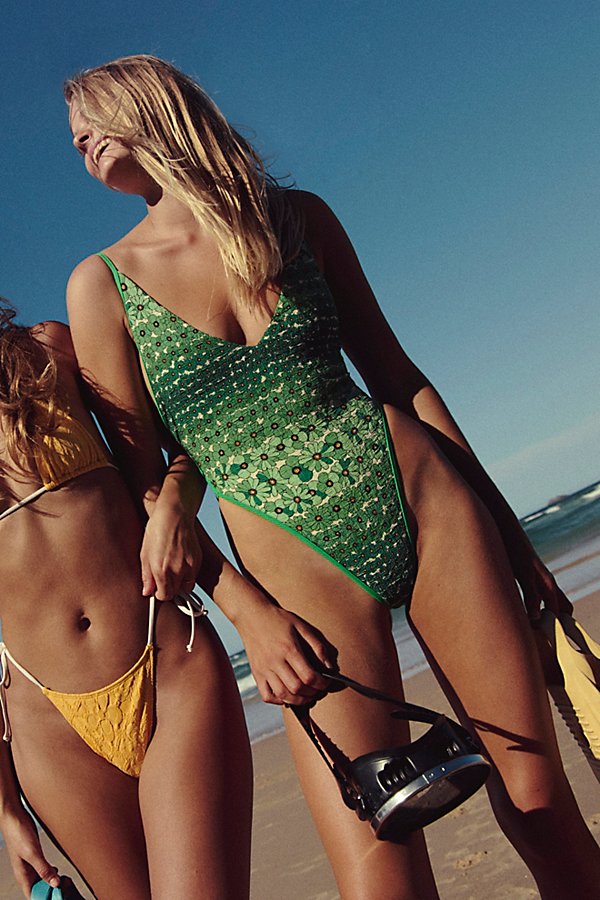 The Edit: Printed One Piece Swimsuits
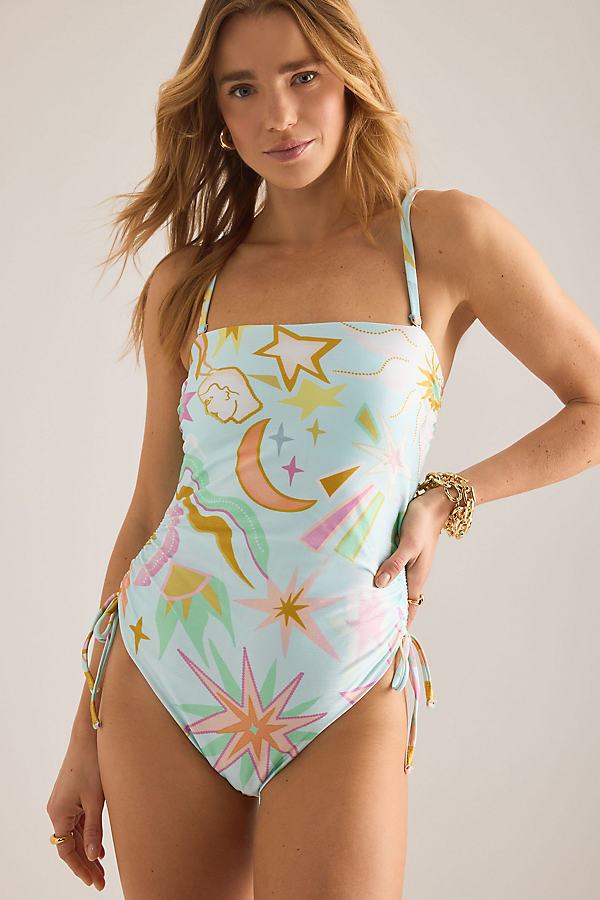
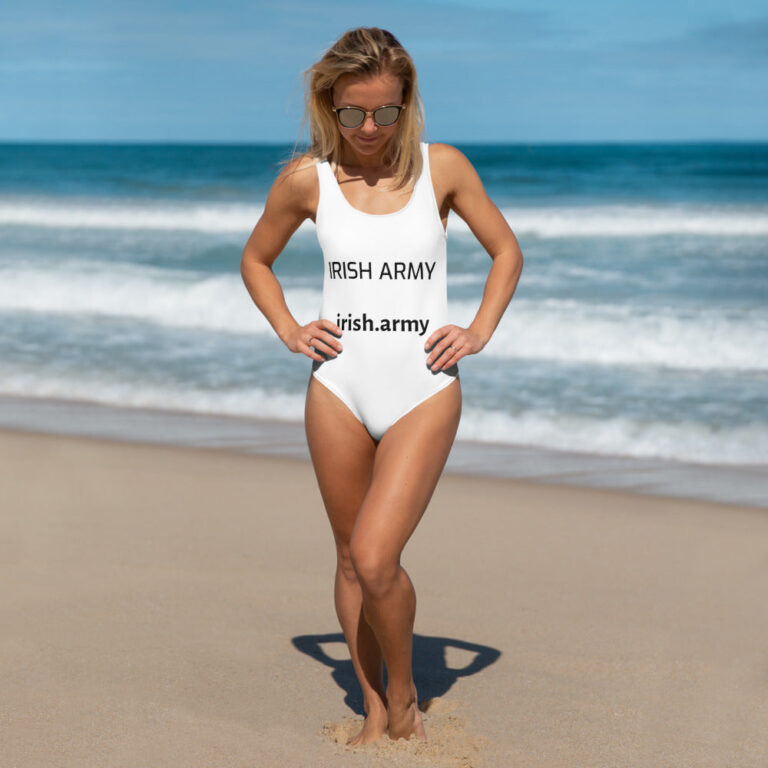 Poolside Ready Pool One Piece Swimsuits

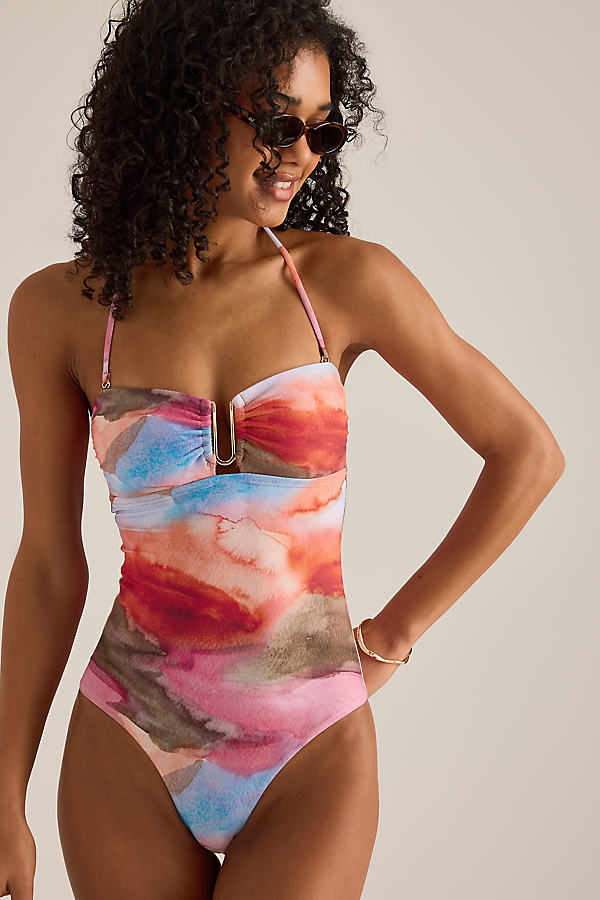 Pink One Piece Swimsuits: Our Current Favourites

 The Pink Low Back One Piece Swimsuits Shortlist
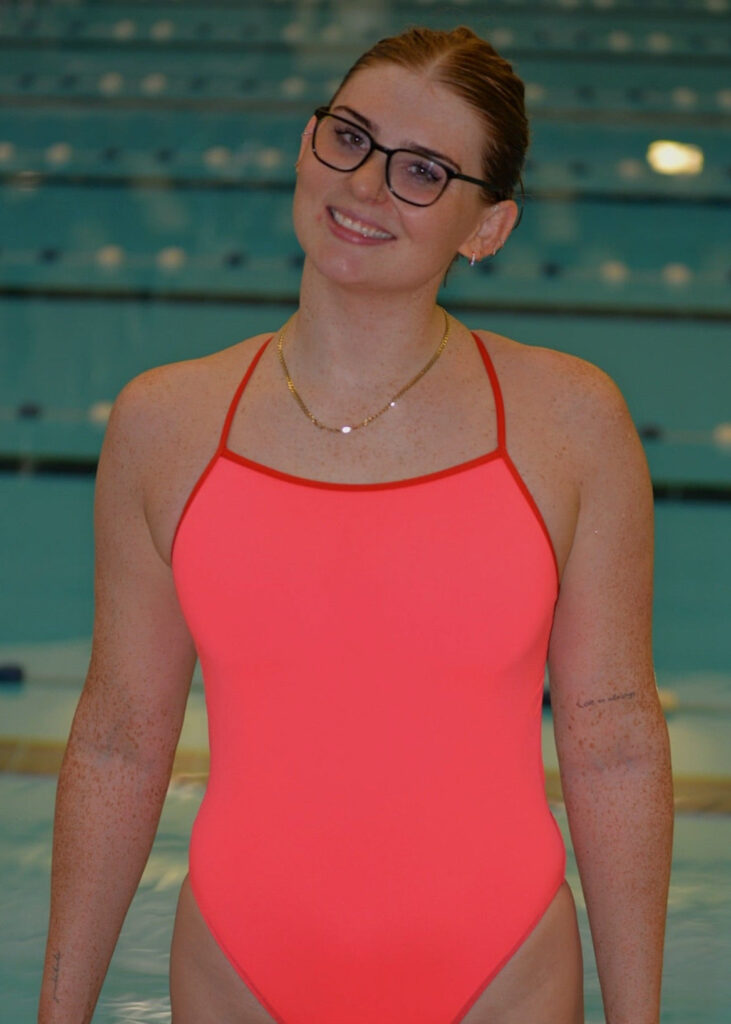
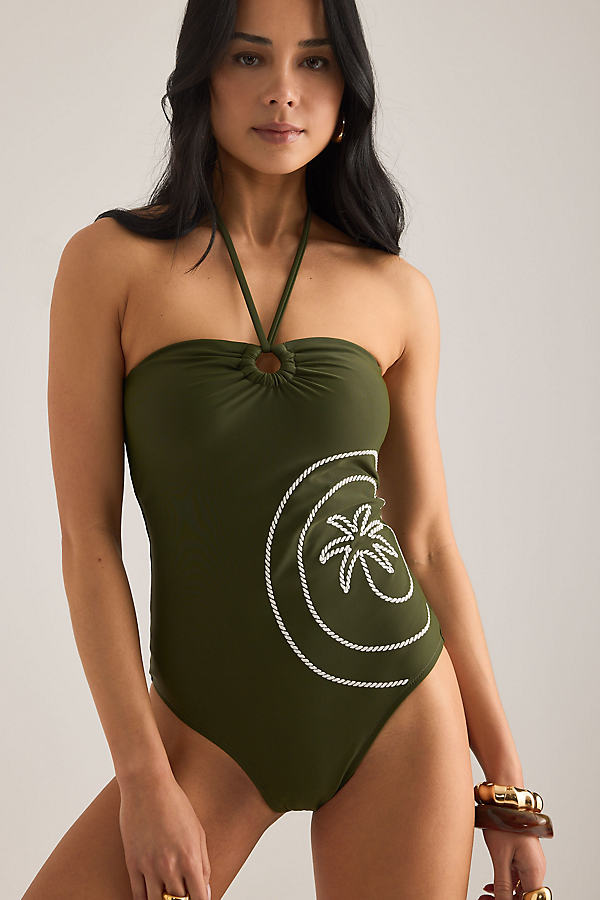 Cosy Padded One Piece Swimsuits We Love

 Orange One Piece Swimsuits for Your Next Holiday
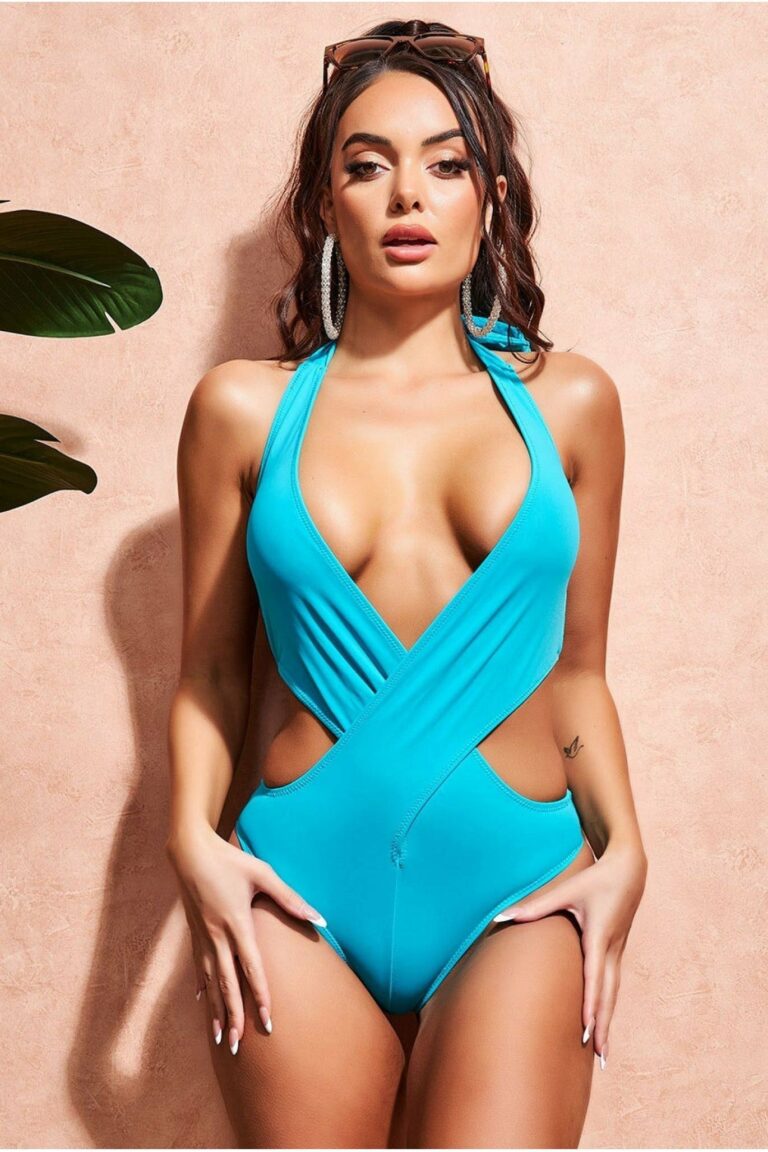
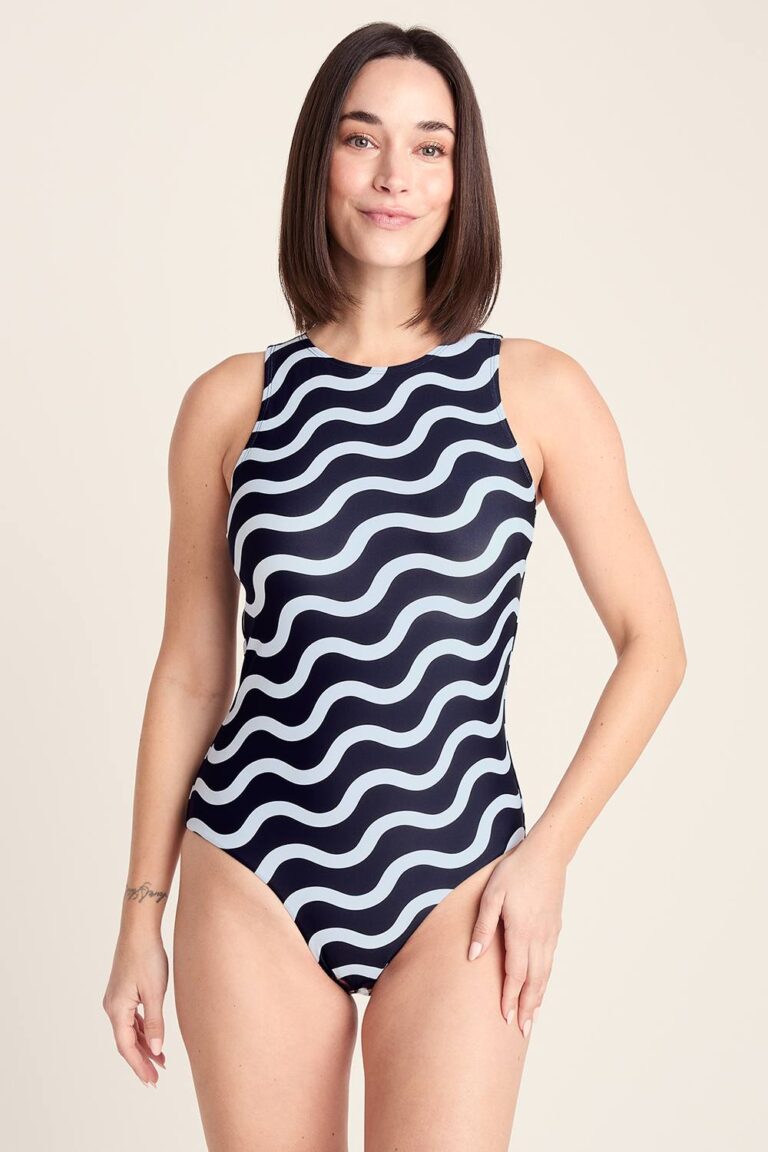 Shop the Edit: One Piece Swimsuits

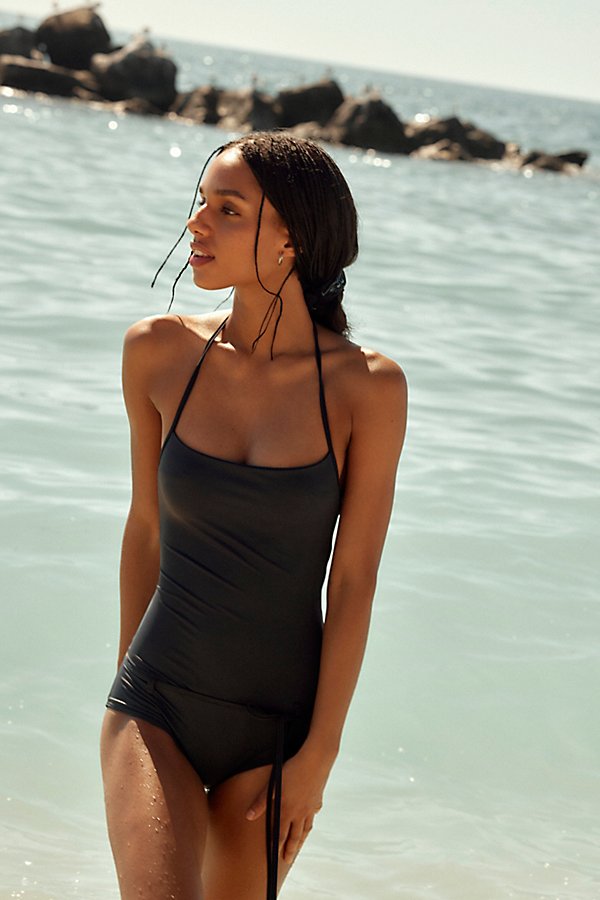 Navy One Piece Swimsuits: The Ones Worth Your Money

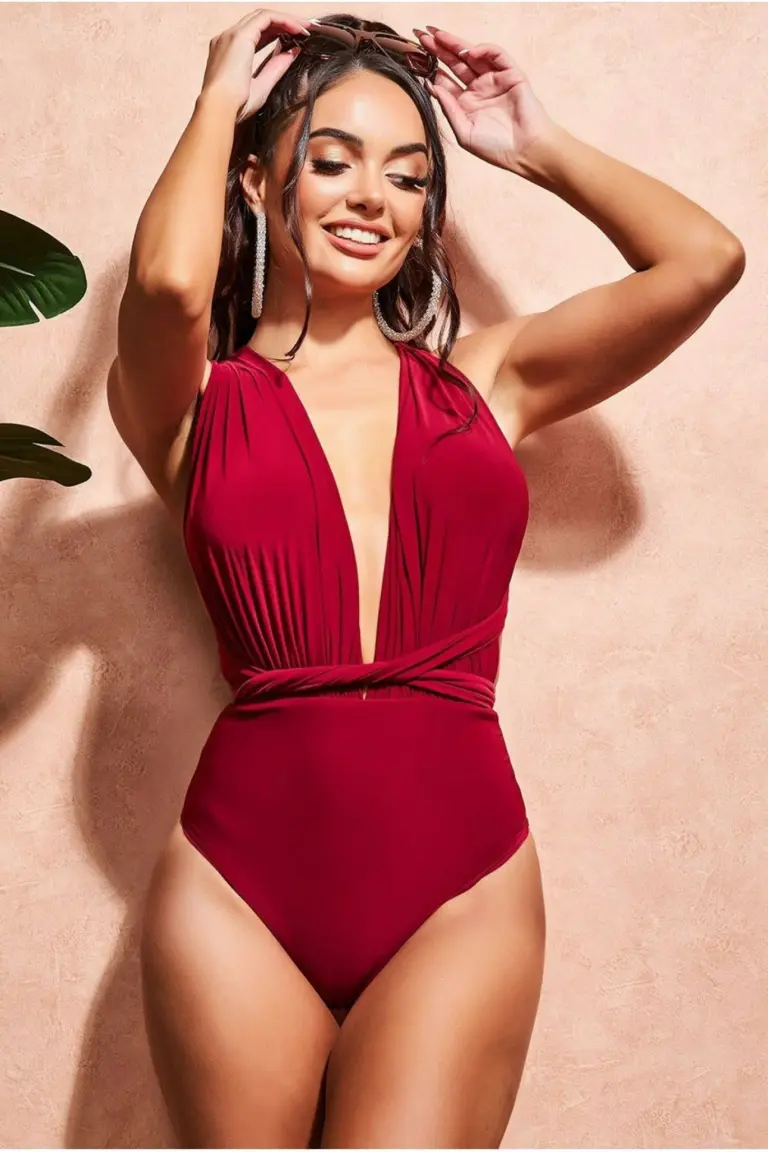 Our Kind of Multiway One Piece Swimsuits
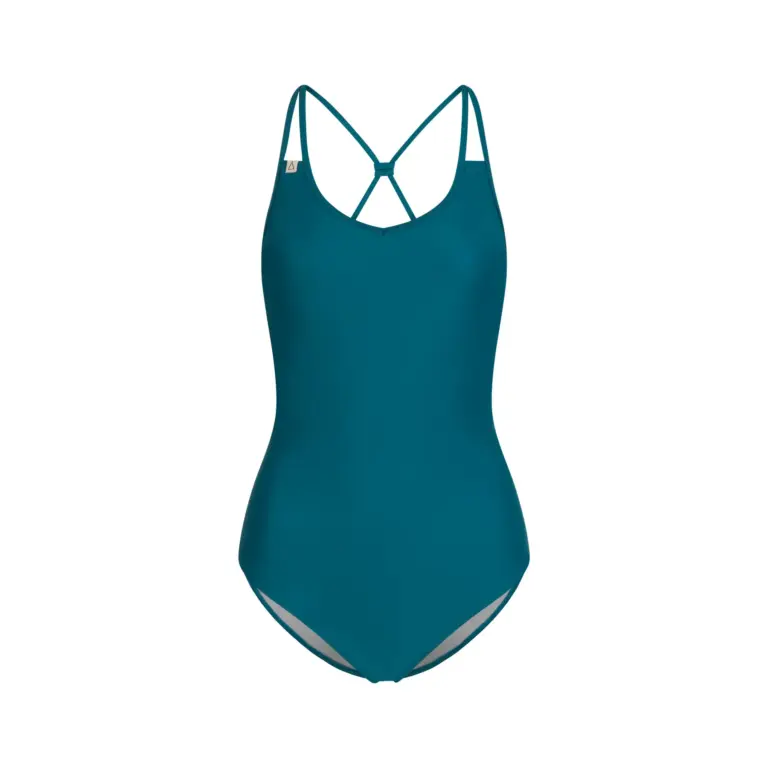
 A Closer Look at the Best Metallic One Piece Swimsuits
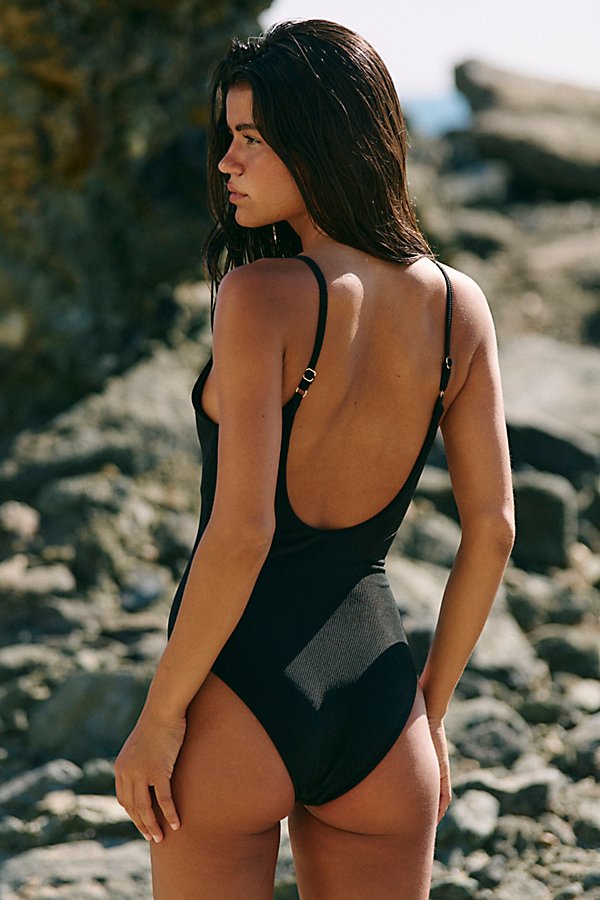
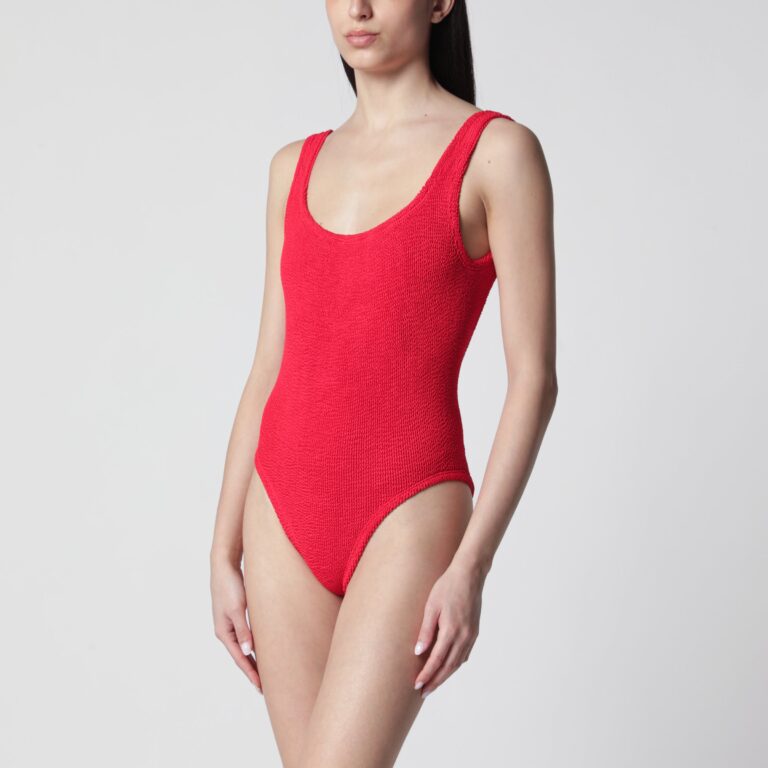 Low Back One Piece Swimsuits: Our Honest Shortlist

 Our Shortlist of Holiday One Piece Swimsuits
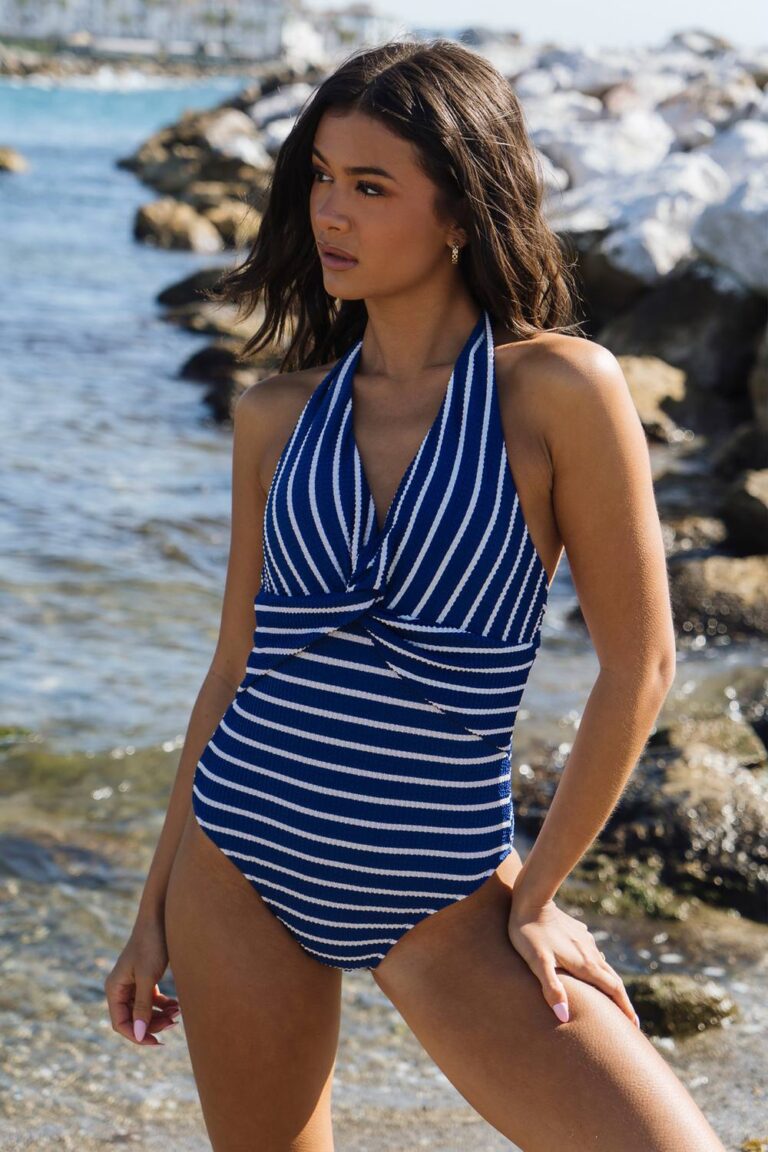
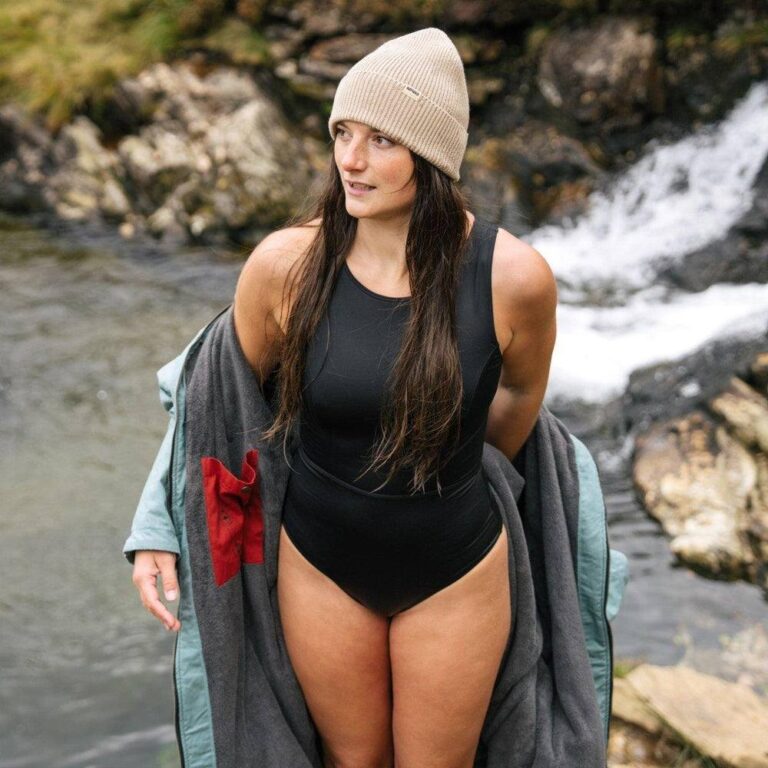 The High Neck One Piece Swimsuits Worth Your Wardrobe Space
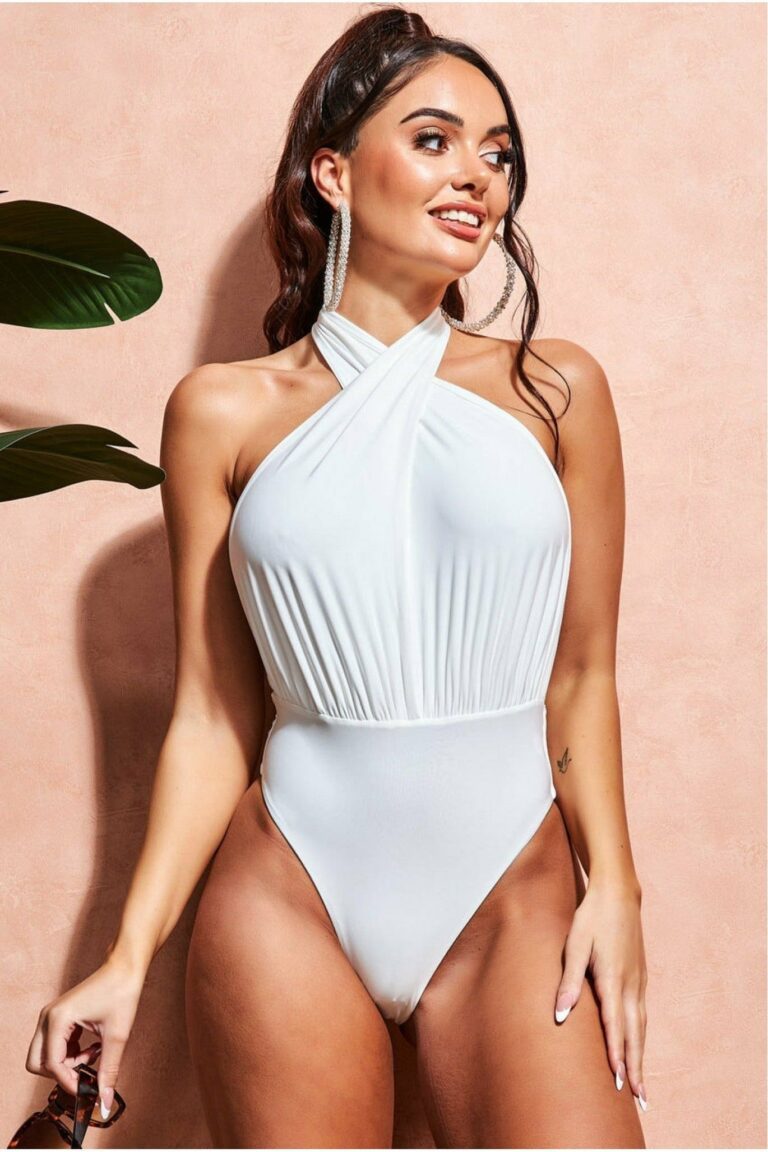
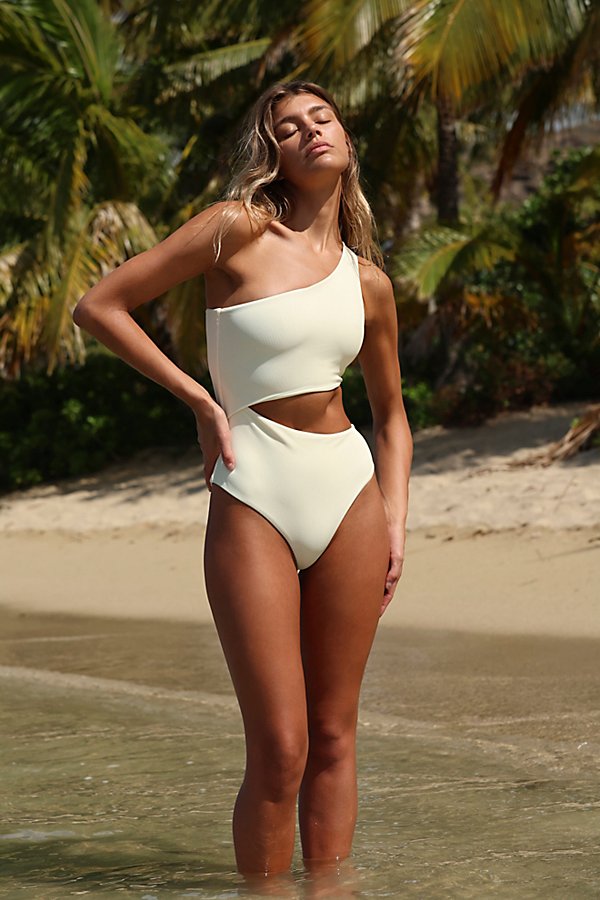 Poolside Ready High Leg One Piece Swimsuits

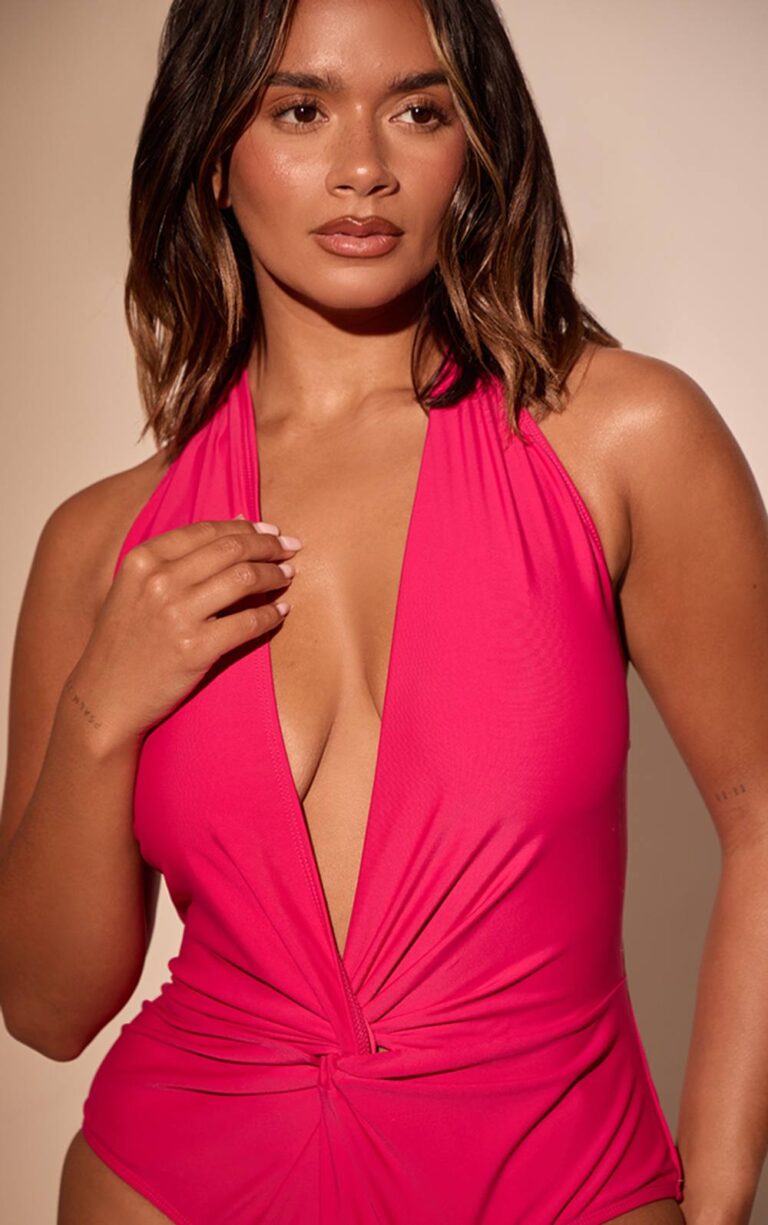 Halter Neck One Piece Swimsuits We’d Pack First

 Conscious Picks: Green Recycled One Piece Swimsuits
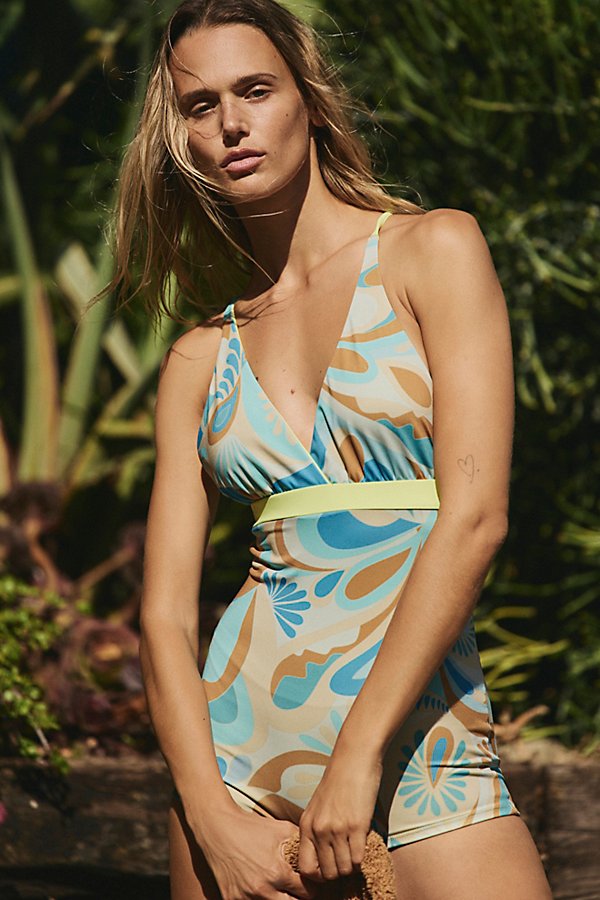
 Green One Piece Swimsuits Worth Adding to Your Wardrobe